Best Ryokan & in Shibu Onsen: Where to Stay for a Traditional Experience
Certain places in Japan are ideal for a ryokan stay (traditional Japanese inn).
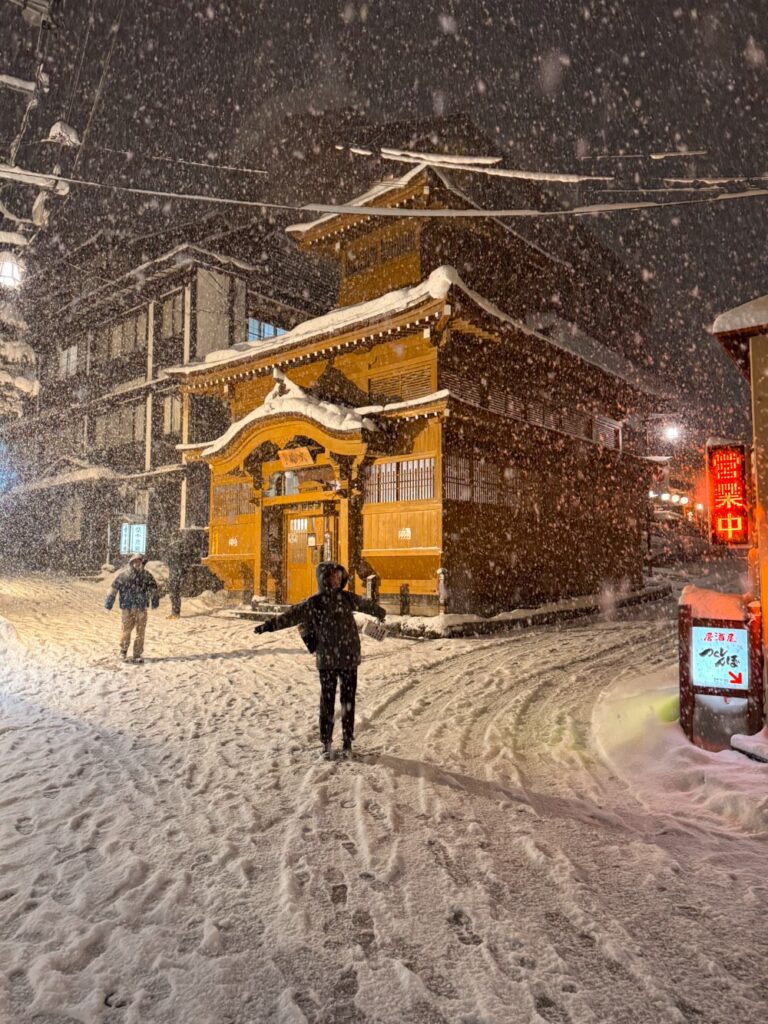
Shibu Onsen, a historic onsen town featuring old wooden buildings, low-lit lanterns, and steaming hot springs, is one such place.
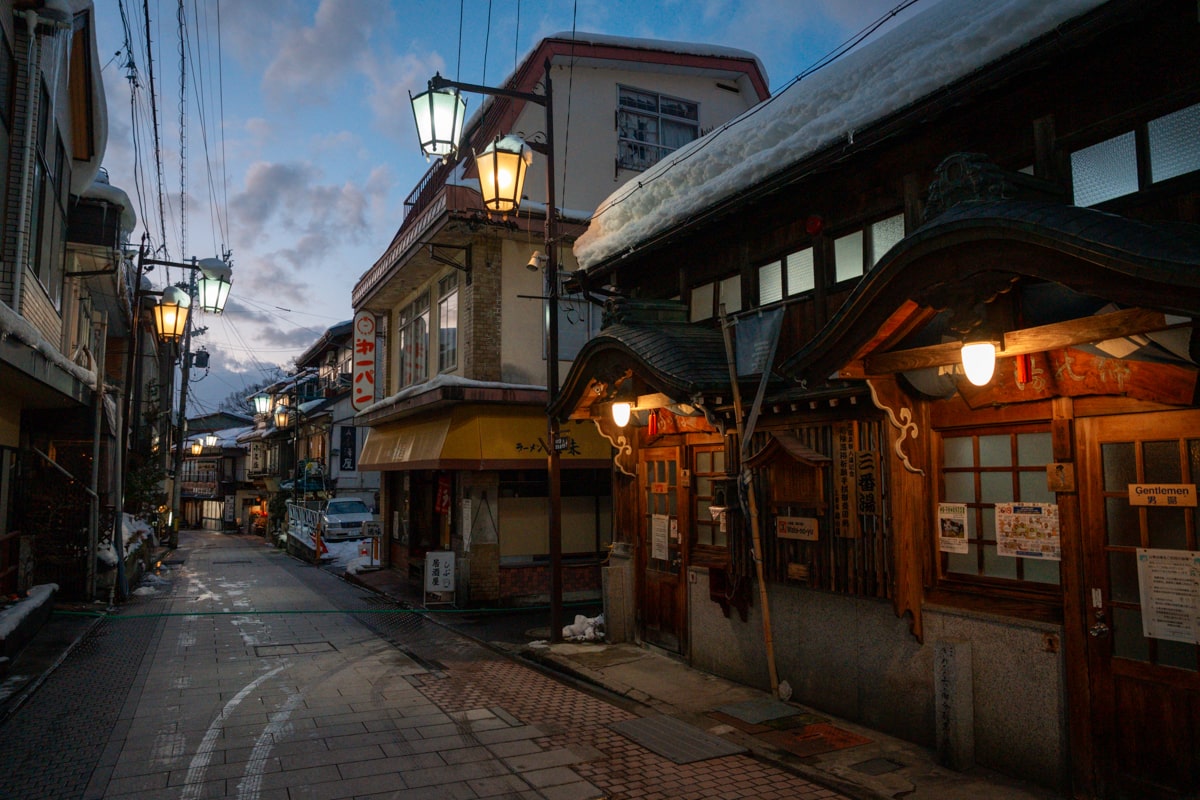
Shibu Onsen, along with its adjacent neighbor, Yudanaka Onsen, is a charming Japanese town renowned for its nine public hot spring bathhouses (外湯, soto-yu).
It is said that Shibu Onsen has been a destination for 1,300 years, where pilgrims stopped along the way to visit Zenkokuji Temple in Nagano City.

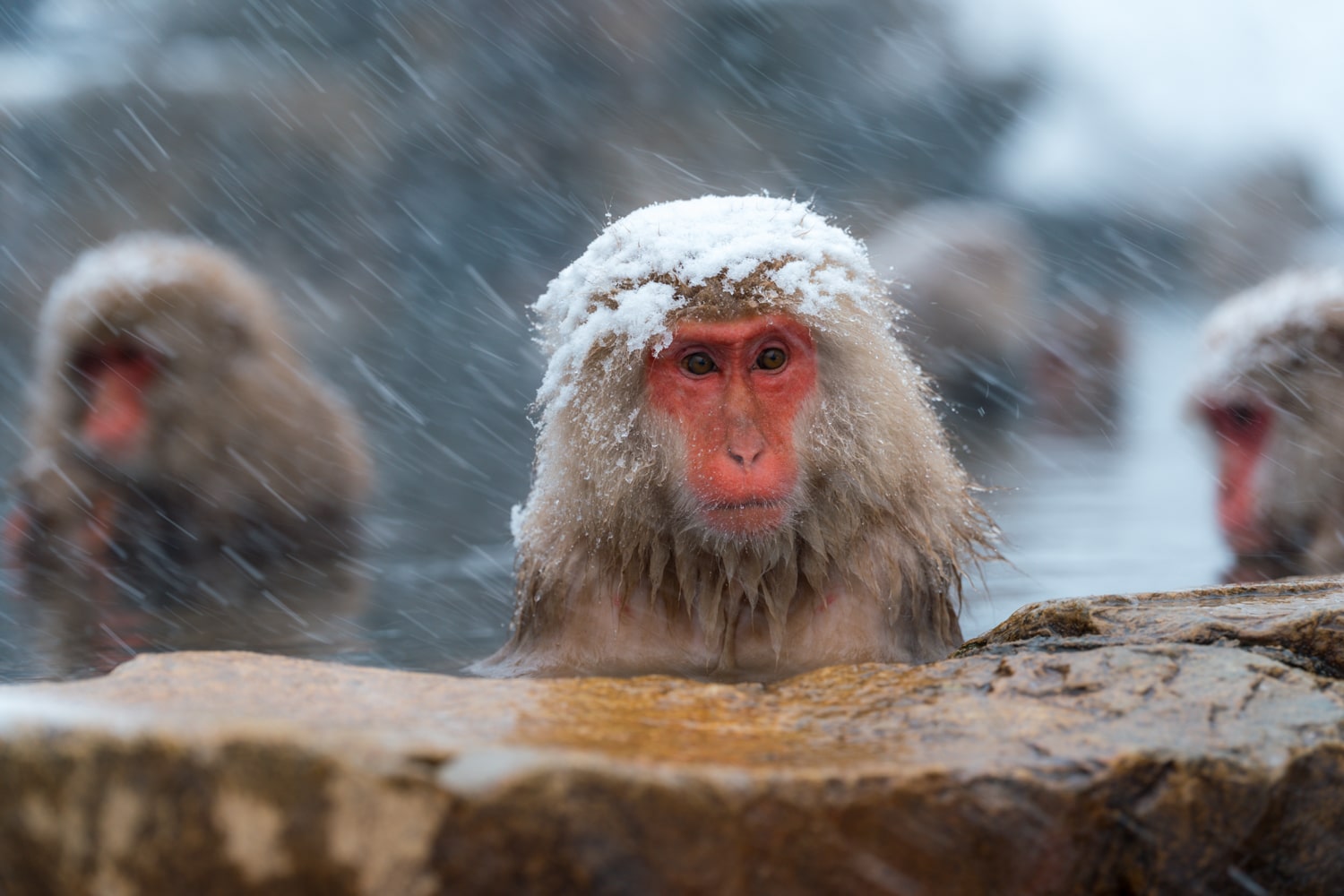
Yudanaka and Shibu towns are popular bases for those wishing to visit the snow monkeys in nearby Jigokudani Yaen-Koen or for skiing in Shiga Kogen.
As such, the best thing to do here as a ryokan guest is to go bath-hopping, collecting stamps from your own onsen pilgrimage of sorts, and fully enjoy a traditional ryokan experience.
Imagine donning your yukata robes and geta sandals for strolling in town (even in winter), enjoying a kaiseki meal, and relaxing inside your tatami mat room… that’s what you can expect from a ryokan in Shibu Onsen.
Where to Stay in Shibu Onsen Town: Best Ryokans for a Traditional Experience

First, should you stay in Yudanaka town or Shibu Onsen?
Both towns seamlessly blend into one another; however, I found Yudanaka to be busier, while Shibu seemed more authentic and local.
That’s due largely to the fact that Yudanaka acts as a transport hub and “gateway” to the Snow Monkey Park.
Nevertheless, that doesn’t mean there aren’t gorgeous ryokans in Yudanaka—there are (just check out Seifuso)! For convenience and sightseeing, transfers might be more convenient from Yudanaka.
Personally, I preferred the atmosphere and charm of Shibu Onsen. Let me show you why.

Kokuya Ryokan
Kokuya Ryokan is a favorite among travelers—I couldn’t believe how cute this place was!

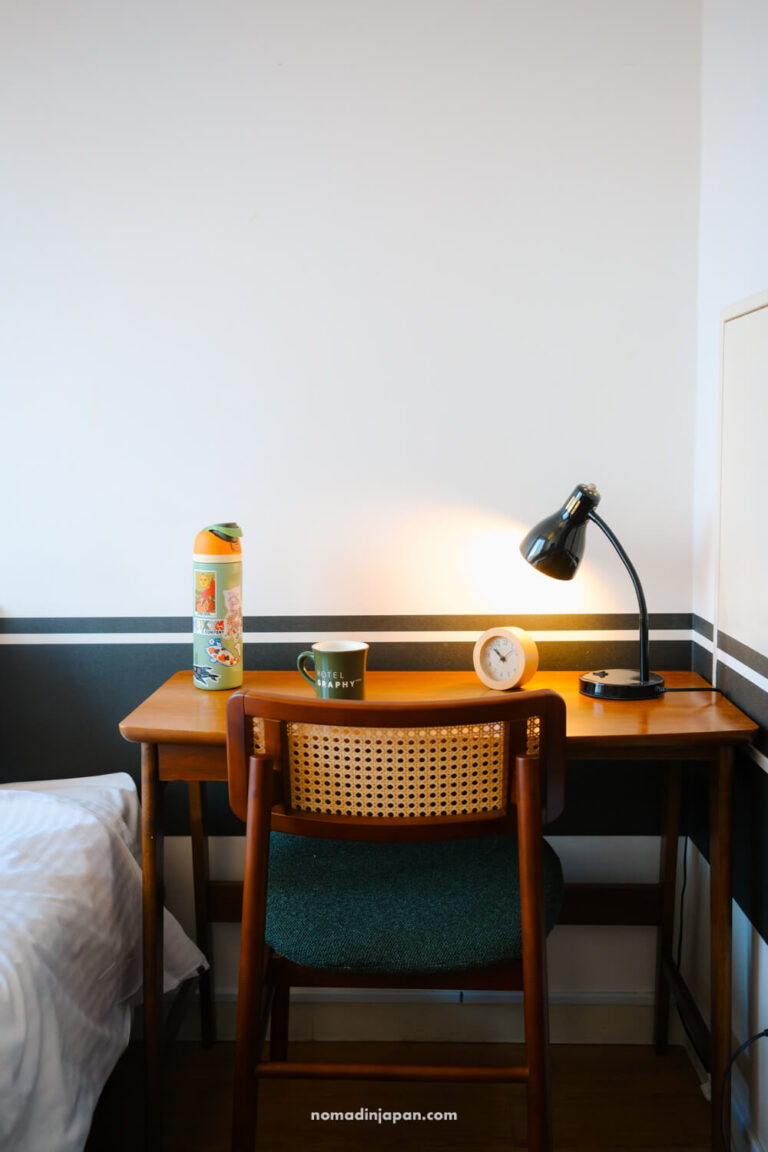
From the regional food to the private baths, futon bedding, and tatami mats, everything here was spot-on, authentic, and charming.
As such, Kokuya is one of Shibu Onsen’s most popular ryokans.
It has more than 400 years of history and, being smack-dab in the heart of the village, makes it even more popular (so try to book in advance).

You can also request a free shuttle service from Yudanaka Station, and it’s a 30-minute walk to the snow monkeys.
The ryokan features distinct in-house natural hot springs, providing a variety of baths, including private cedar tubs and open-air baths rotenburo. Rooms are also traditional tatami style, but with modern comfort. The multi-course kaiseki dinners feature seasonal ingredients from Nagano.
Staying here also gives you the coveted key to the town’s nine public baths, plus yukata traditional robes, making Kokuya the best choice for first-time ryokan guests and first-timers in Shibu Onsen.
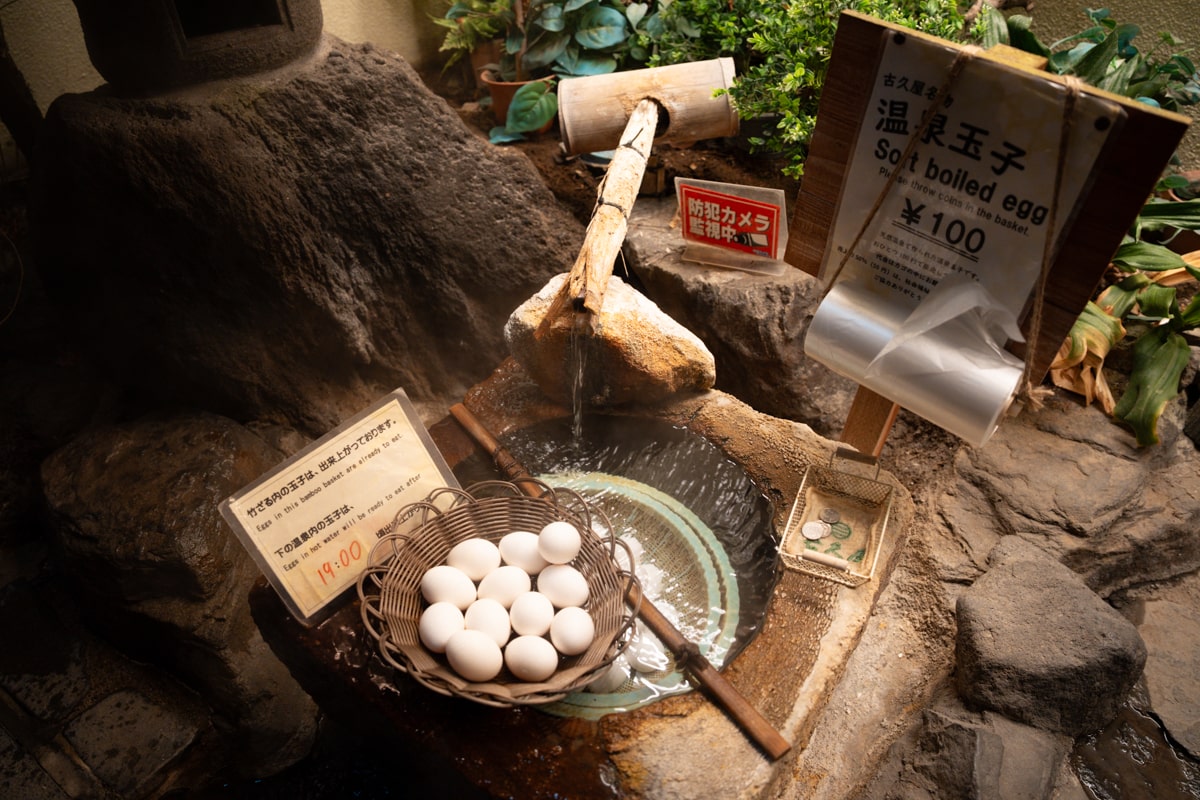
PS. I particularly loved their adorable “onsen egg bath” located by their entrance, where you could give a JPY 100 coin in exchange for a fresh onsen-cooked egg.
Wafu-no-Yado Masuya
Masuya Ryokan is a long-established ryokan where the history of Shibu Onsen meets and melds with Japan’s modern-day comforts.

It’s just tucked around the corner from Shibu’s main street, offering the best of ryokan hospitality and experience without risking crowds or tourists.
It has spacious rooms, beautiful decor, and its own natural hot spring baths to rave about.
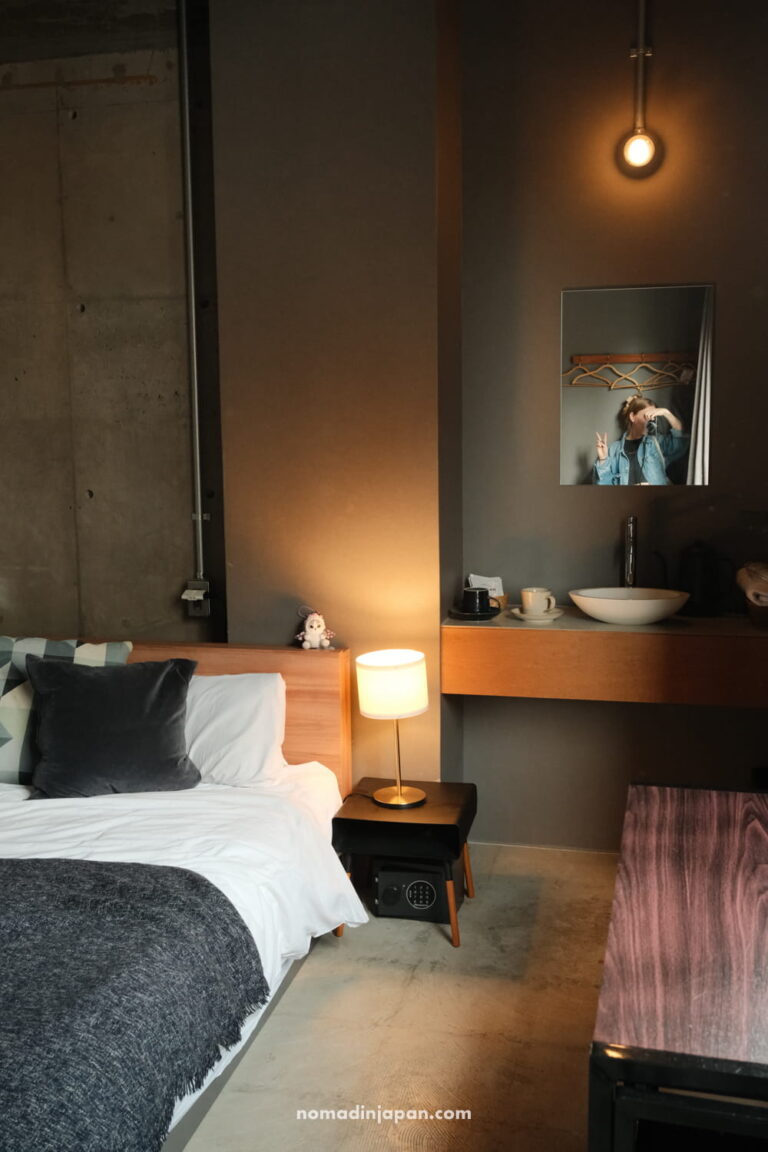
Compared to Kokuya, it’s a bit more upscale and boutique in style. A ryokan with a refined touch!
Koishiya Ryokan
If you’re not fussed with having a ryokan with no on-site baths, opting instead to hot spring-hop for free in Shibu Onsen town, then consider a stay at Koishiya Ryokan.
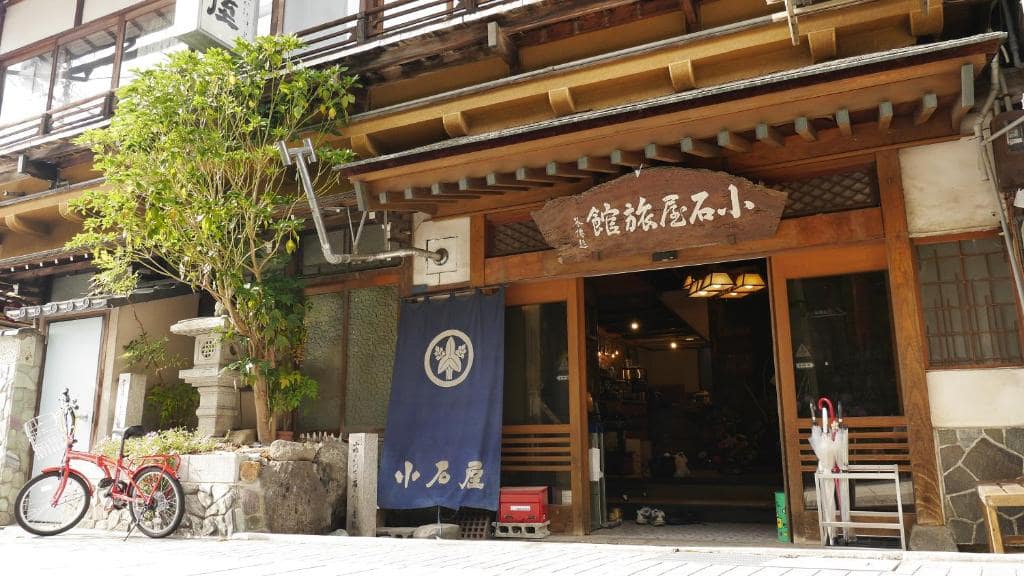
This budget-friendly ryokan gives you a great deal—all the perks and atmosphere of a traditional ryokan without the extra cost for private baths.
You’ll still get a public key card to access the town’s nine baths.
For solo travelers or backpackers, this option also has dorm-style rooms. So, again, you can get that traditional atmosphere… just at a lower price point. Koishiya also features a great on-site restaurant, highlighting local dishes, as well as craft beer and wine.

If you’re trying to save a bit of money, Koishiya is the best budget-friendly ryokan in Shibu Onsen. It also offers free shuttle service to Yudanaka and the Snow Monkey Park.
Suminoyu
Suminoyu is a beautiful 100-year-old traditional, family-run inn in Shibu Onsen.
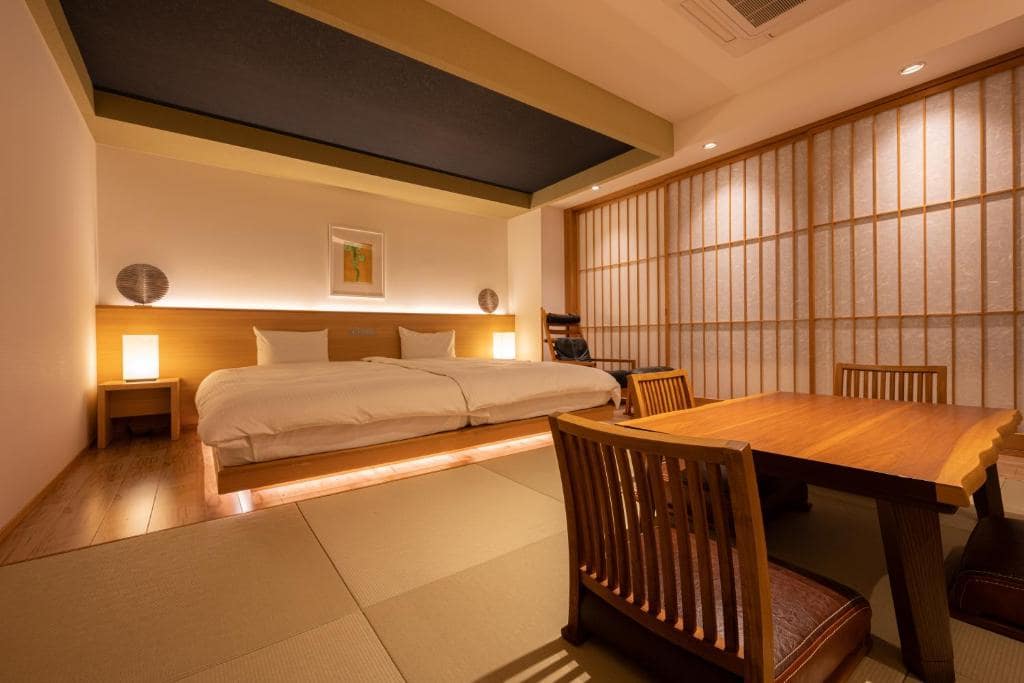
Its name literally translates to “public bath,” and the ryokan is best known for its historic wooden architecture, friendly hospitality, and cozy, in-house onsens, including a 6th-floor open-air bath or rotenburo.
The highlights of Suminoyu are its locally sourced kaiseki dinners and breakfasts, as well as its natural hot spring baths and spacious tatami rooms that overlook the narrow, Edo-era streets of the old town.
Suminoyu also provides free access to the nine public baths in Shibu Onsen.
Final Tips on Staying in Shibu Onsen
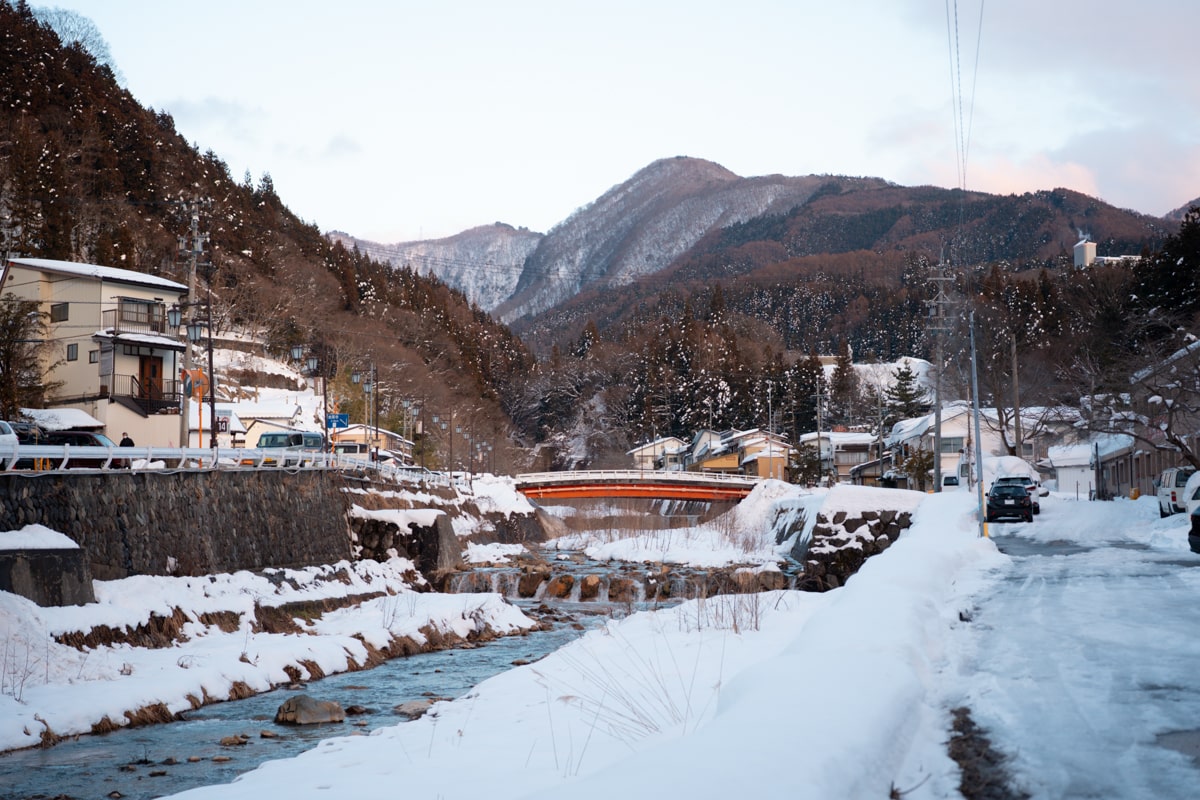
Of course, there are more hotels and ryokans located a bit further out of Shibu Onsen town center, which I don’t mention here, such as Rekishi-no-Yado Kanaguya, a 250-year-old ryokan that is another popular choice. However, reservations are difficult to come by, as you must email an agent far in advance of your stay.
Most importantly, a stay in Shibu Onsen is as much about the town’s culture and history as it is about the ryokan itself.
Be sure to wear the yukata and geta sandals provided by your inn when wandering the lantern-lit streets—it’s part of the experience and makes slipping in and out of bathhouses easy! 👘
Also, don’t forget to collect the stamps at each of the nine public baths; completing “the set” is said to bring good luck.

Since some ryokans book up quickly, especially in winter when visitors flock to see the snow monkeys, it’s wise to book your ryokan well in advance.
And while ryokan stays include meals, bring some yen/cash for cafes or bars, as not everywhere accepts cards. We enjoyed drinks and snacks at the Kadoya standing bar in town!

Have any questions about where to stay in Yudanaka Shibu Onsen? Let me know in the comments below!