Accommodations in Japan

Japan has one of the most unique accommodation experiences in the world, and it’s one of the reasons why you should give extra thought to where you’re going to stay. Japan might be best known for its traditional, tatami-floor ryokans and futuristic capsule hotels, but it also has underrated family-run minshuku 民宿 (a Japanese B&B), convenient business hotels, exquisite luxury hotels, budget hostels for backpackers, and cozy ski lodges tucked into the mountains. Your choice of accommodation in Japan isn’t just about budget; it’ll impact your experience, pace, and connection to the place.

insider access

Sign up for my latest Japan hotel tips, underrated stays, and trip advice!

Hotels: $45 – $105

Check available hotels

Ryokans: $55 – $170+

Reserve your room

Hostels: $18 – $35

Check available hostels

Capsules: $25 – $55

Find capsule hotels

Flights: Starting at $600

Find flights to Tokyo

Activities: $10 – $75

Find and book activities

eSIM Cards: $5 – $15

Get a Japan data eSIM

Travel insurance: $56 / 4 weeks

Get travel medical insurance

Japan Hotels
FAQ

Yes, yes. Hotel rooms in Japan, especially in cities and business hotels, are often compact by “Western” standards. Like you might have room for your full-size luggage.

Most likely, yes! Ryokan, minshuku, and many local hotels require shoes to be removed at the entrance, and you’ll usually be given slippers. This is part of everyday life in Japan. Just follow what others are doing and you’ll be fine.

Tattoos are typically not an issue in hotels, but they can matter in onsen baths. Some ryokan and hotels allow tattoos, others ask for them to be covered, and some restrict access altogether. Many places now clearly state their tattoo policy, and private onsen options that allow tattoos are increasingly common.

Yes! And this is one of Japan’s biggest travel perks. Luggage forwarding services, even through convenience stores, are used and extremely reliable. This makes it much easier to move between cities without dragging bags onto trains!

Yes, and no? It depends on your travel group size (me traveling solo, I have more wiggle room than families do when booking last-minute). During peak seasons like cherry blossom season, autumn foliage, festivals, and winter ski season — yes, especially for ryokan and ski towns (best to book at least 6+ months out for those). Outside of those periods, Japan is surprisingly flexible, and last-minute bookings are often possible in cities!

For first-time travelers or short stays, staying near a major station can make everything feel easier. That said, quieter neighborhoods or onsen towns often always feel more special, especially if you’re traveling slowly. It really depends on your pace and priorities. In cities like Tokyo, try to find a hotel that’s under a 10-minute walk to the nearest metro or train. Otherwise, it’ll be a pain to get around easily always having to go back and forth on foot (or I suppose you could taxi).

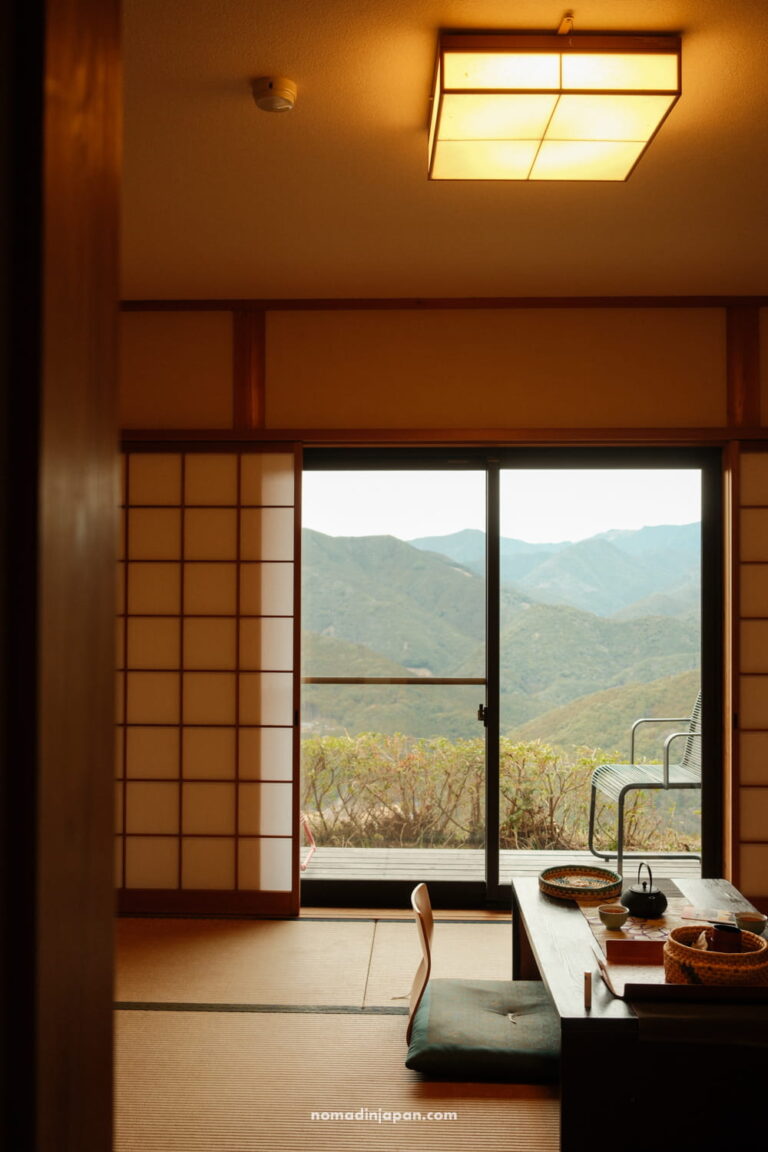
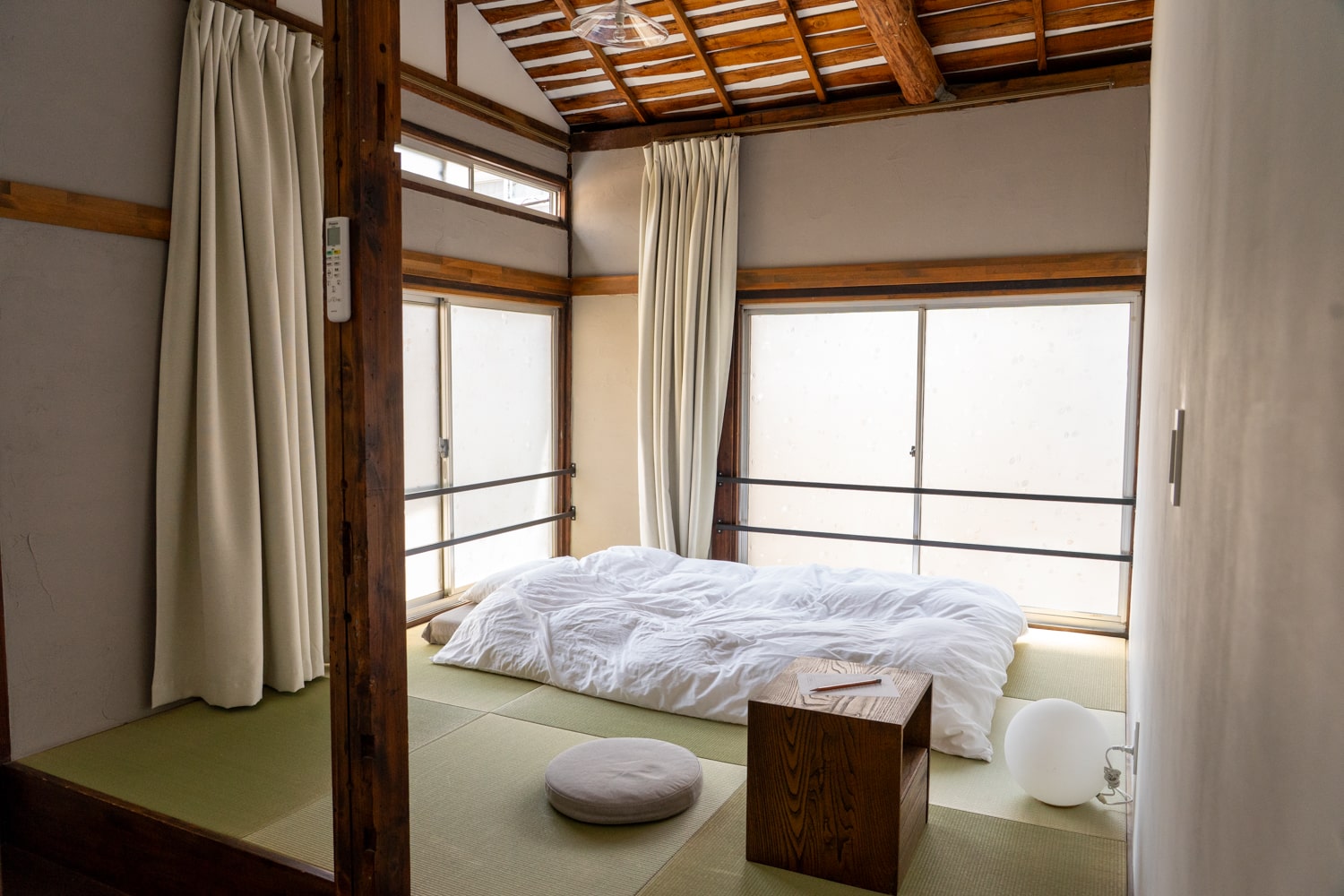
A minimalist traditional Japanese room with a futon bed on tatami flooring and soft natural light.
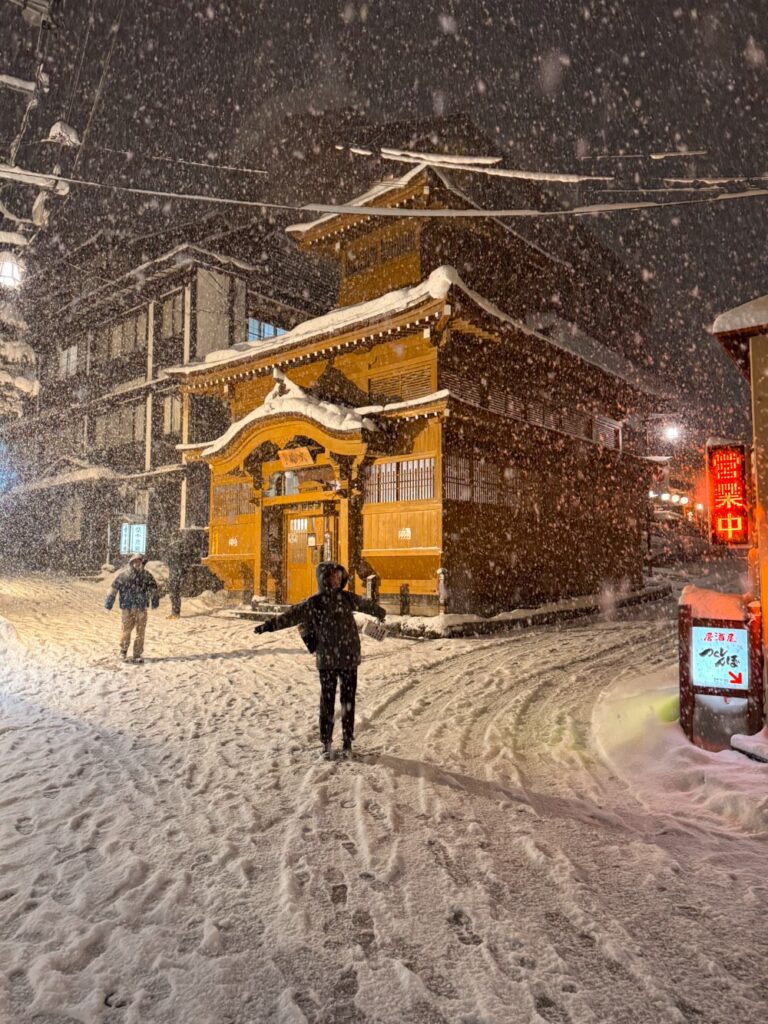
Travel blogger and digital nomad (Bri), author of nomadinjapan.com blog, sitting at coffee bar inside a retro Japanese bathhouse (Tokyo).

Types of Accommodation in Japan

Ryokan (¥8,000–¥25,000 / $55–$170)

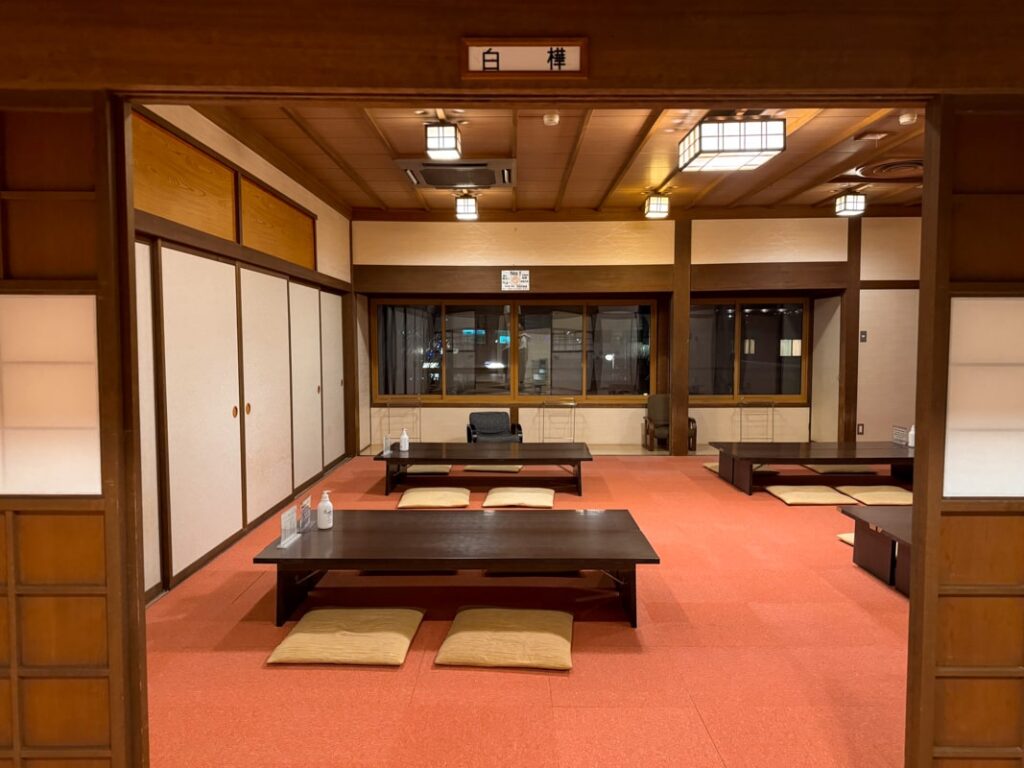
Ryokans in Japan are traditional Japanese inns and one of my favorite ways to experience Japanese hospitality!

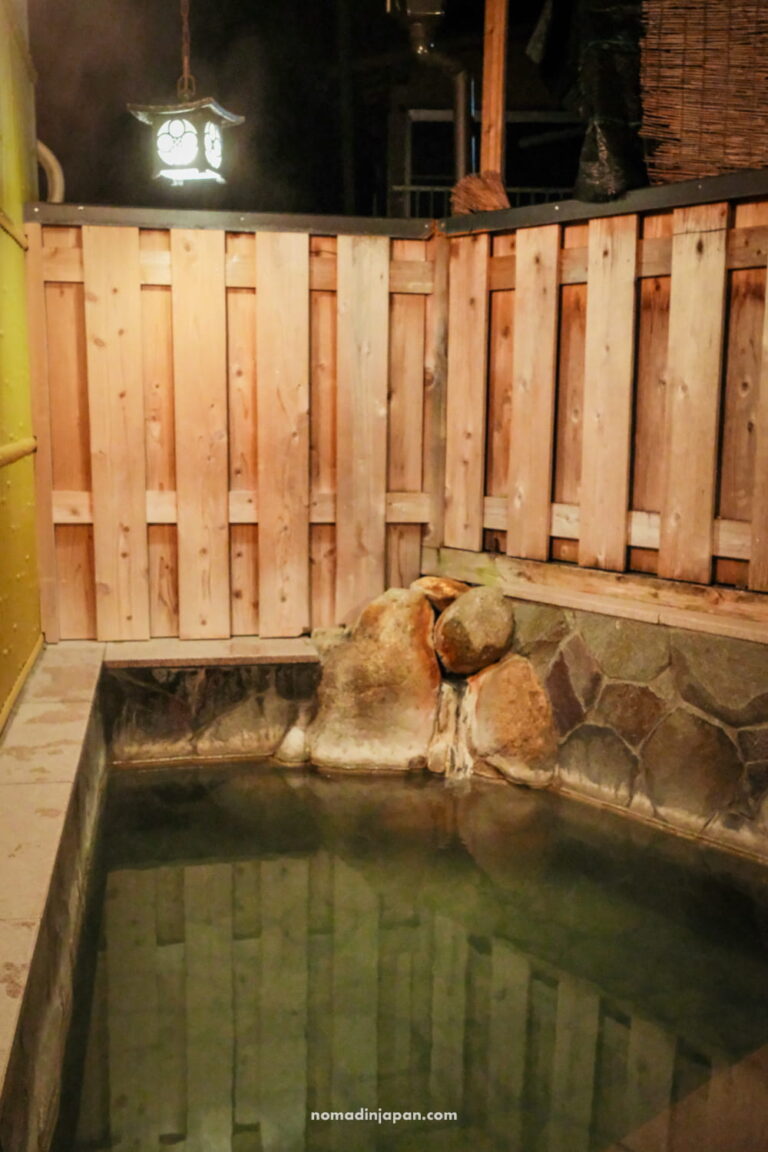
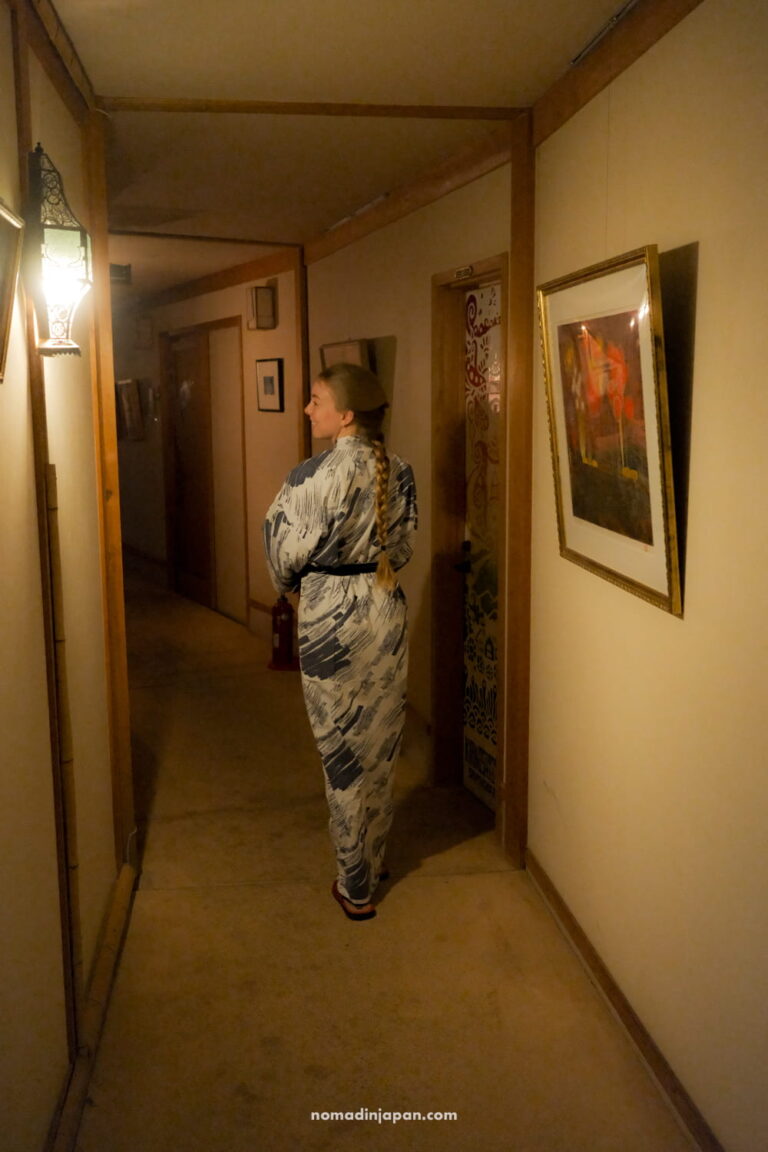
Expect historic, charming inns, with traditional-style tatami floors and futon bedding, plus perks like yukata robes, seasonal kaiseki meals, and on-site onsen (hot springs). Not all ryokan are created equal! Luxury onsen ryokan can easily cost over ¥30,000+.

Minshuku (¥5,000–¥10,000 / $35–$70)

Minshuku are local, family-run guesthouses that feel even more local than ryokan. They’re usually modest, sometimes a little imperfect, and often located in rural towns like Hakone (try the Fuji-Hakone Guest House).

Staying in a minshuku feels like being welcomed into someone’s home — you might share meals, exchange small talk, and get insider tips you’d never find online. We once rented an Airbnb in Nagano that turned out to be a minshuku. It was lovely, local, and we made great memories with our hosts. If you’re traveling slowly and value connection over comfort, these are special places to stay.

Hostels & Capsule Hotels (¥2,500–¥6,000 / $17–$40)

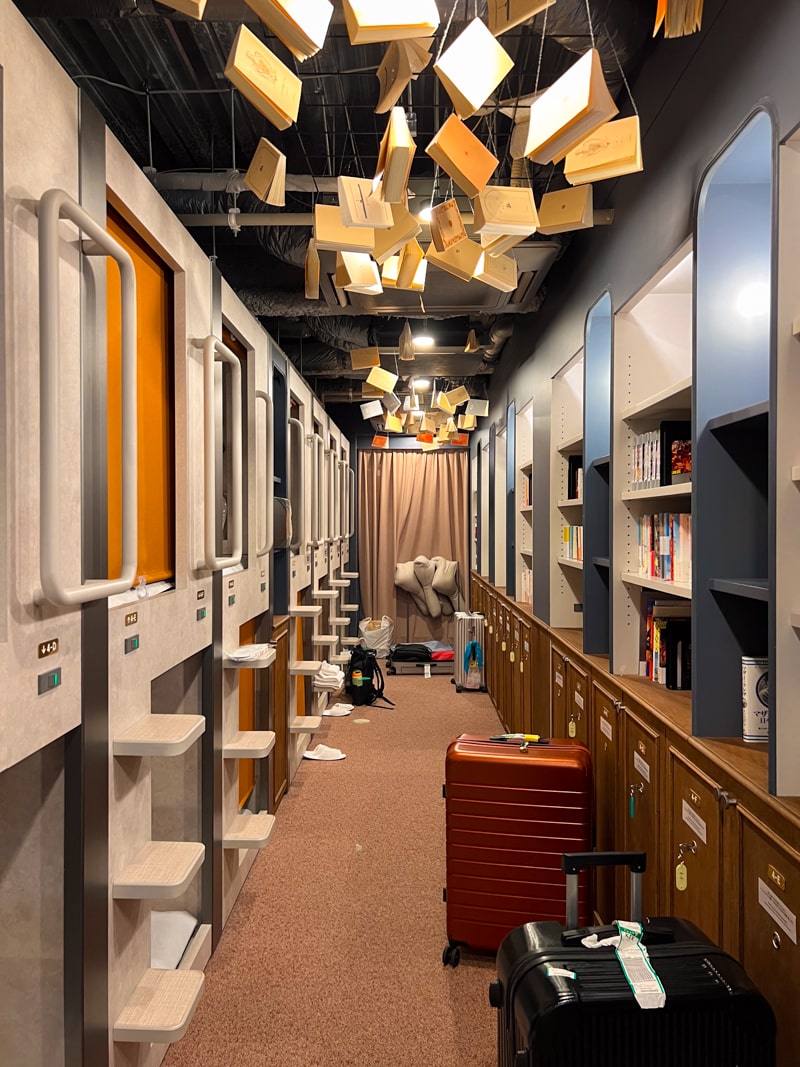
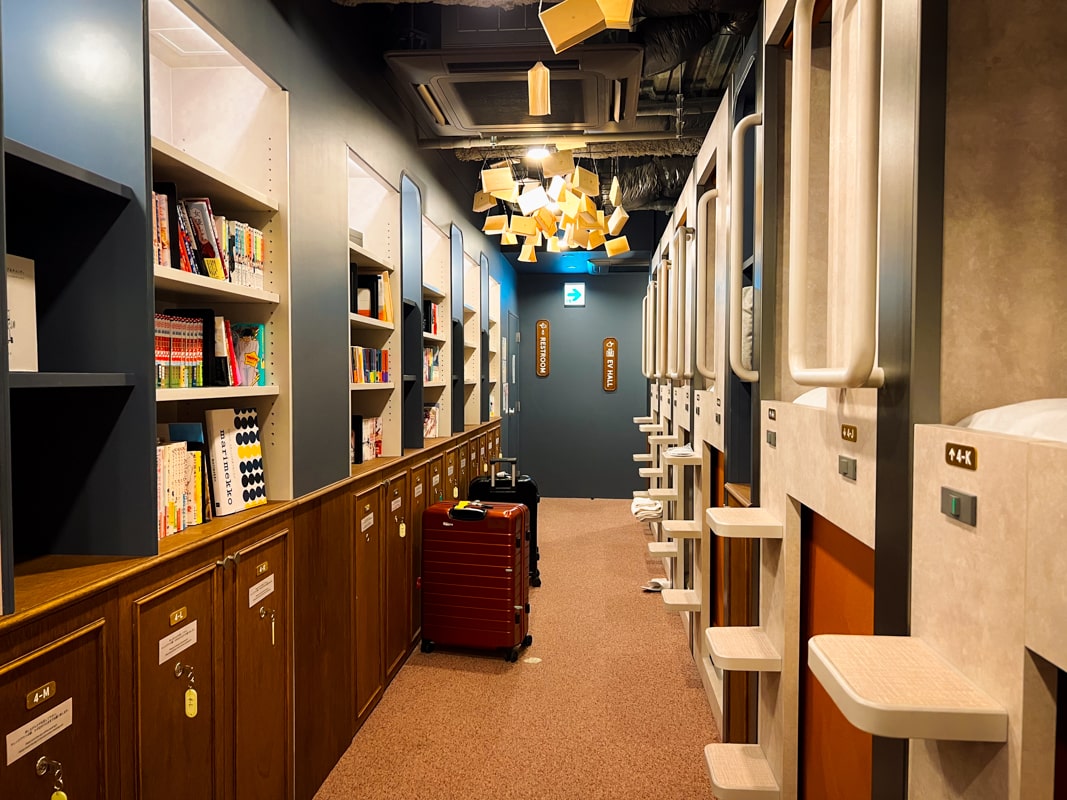
Japan’s hostels, like Citan in Tokyo (where I’ve stayed a bunch of times), and capsule hotels like Resol are far nicer than many people expect! Hostels are great for socializing and budget backpackers, whereas capsule hotels offer a uniquely Japanese take on minimalism, quiet, and privacy.

Both hostels and capsule hotels offer women-only floors and modern amenities (including slippers, makeup rooms, and clean bathrooms), making them comfortable options for solo travelers and short stays in cities. Here are a couple of my guides for solo travelers.

Apartments & Rentals (¥8,000–¥18,000 / $55–$125)

You can also rent a place on Airbnb for a few days or weeks. Apartments in Japan are typically smaller and more regulated than in other countries, but they can be a good option for longer stays or working remotely.

I’ve found they offer more privacy and the ability to settle into daily living with compact kitchens, washrooms, and living areas. It’s good for my online work and having more flexibility to come and go! I often will rent a few days through Dash Living.

Ski Lodges & Mountain Inns (¥7,000–¥15,000 / $50–$105)

For a ski trip to Japan, staying in intimate ski villages or nearby towns is best for enjoying great accommodation and après-ski culture. (I find ski-in/out hotels too sprawling and plain.) The lodging options in ski towns are practical, cozy, and designed for early mornings and snowy boots by the door.

If your trip centers on skiing, snowboarding, or winter onsen towns like Shibu Onsen or Nozawa Onsen, make sure to book your accommodation in advance, as they sell out quickly.

Business Hotels (¥6,000–¥12,000 / $40–$85)

Business hotels are everywhere across Japan, and honestly, they’re incredibly convenient because they’re often just a step outside major train stations. They’re not unique, and I avoid them unless I need just a budget, comfy base for a few days. But they’re affordable, and make travel feel easy — especially for solo travelers or digital nomads who just need a clean, quiet base.
Popular chains like APA Hotels, Hotel Mystays, and Dormy Inn are found all over Japan, with Dormy Inn standing out for its on-site baths and little comforts (free late-night ramen!) that make a short stay feel more special.