Places to Visit in Nagano
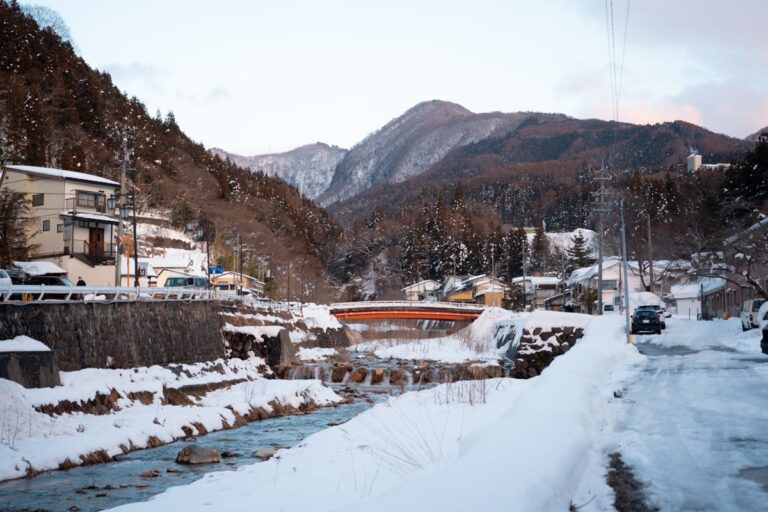
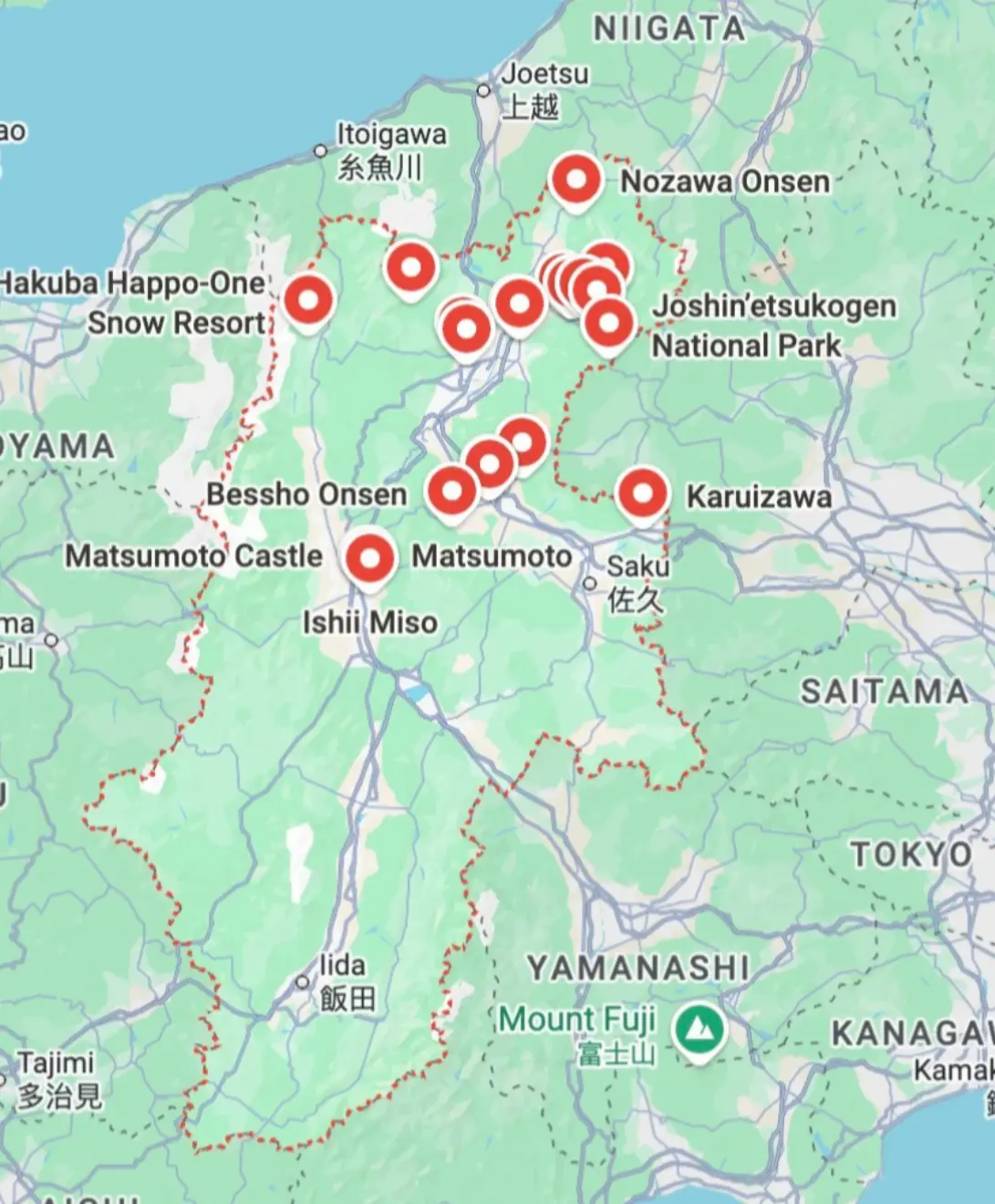
Nagano is spread out across the central Japanese Alps in Japan’s main island of Honshu.
It’s located 2-3 hours from Tokyo by Shinkansen bullet train. A trip to Nagano means historic post towns, alpine adventures, and lots of great food. Rather than focusing on a single city, you should explore Nagano by choosing a few villages and activities as we did during our month-long stay.
There’s so much to discover in Nagano, from skiing, art galleries, hot springs, hiking, and traditional towns!
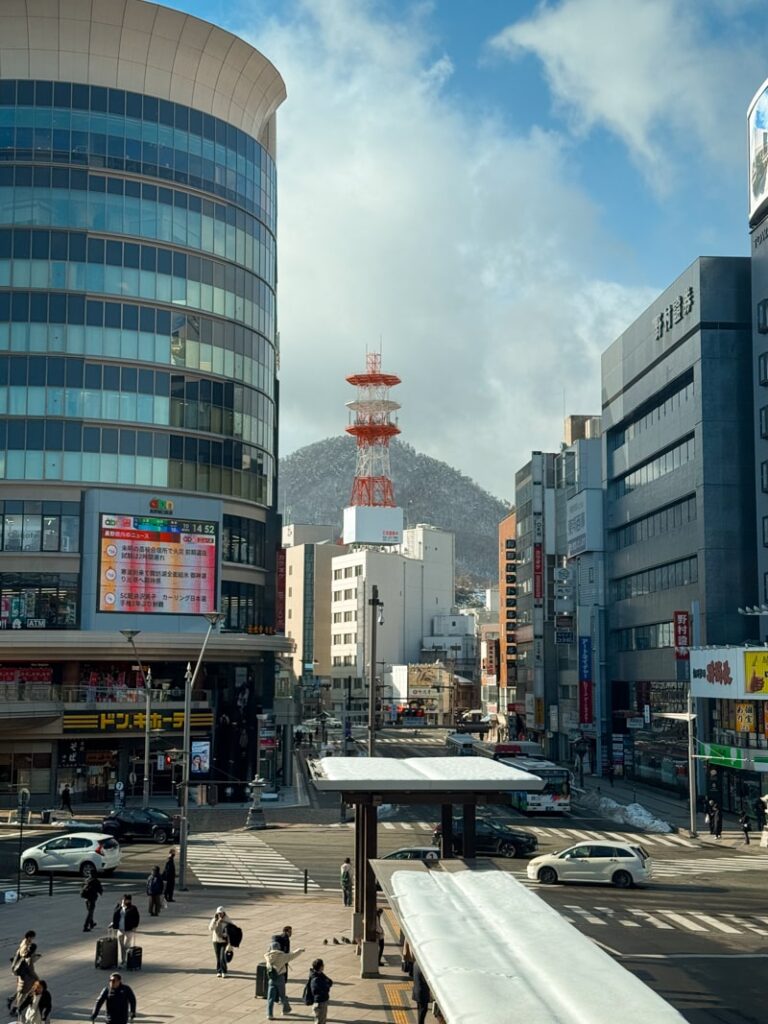
- Nagano City – Home to Zenko-ji Temple and a convenient base with easy transport connections.
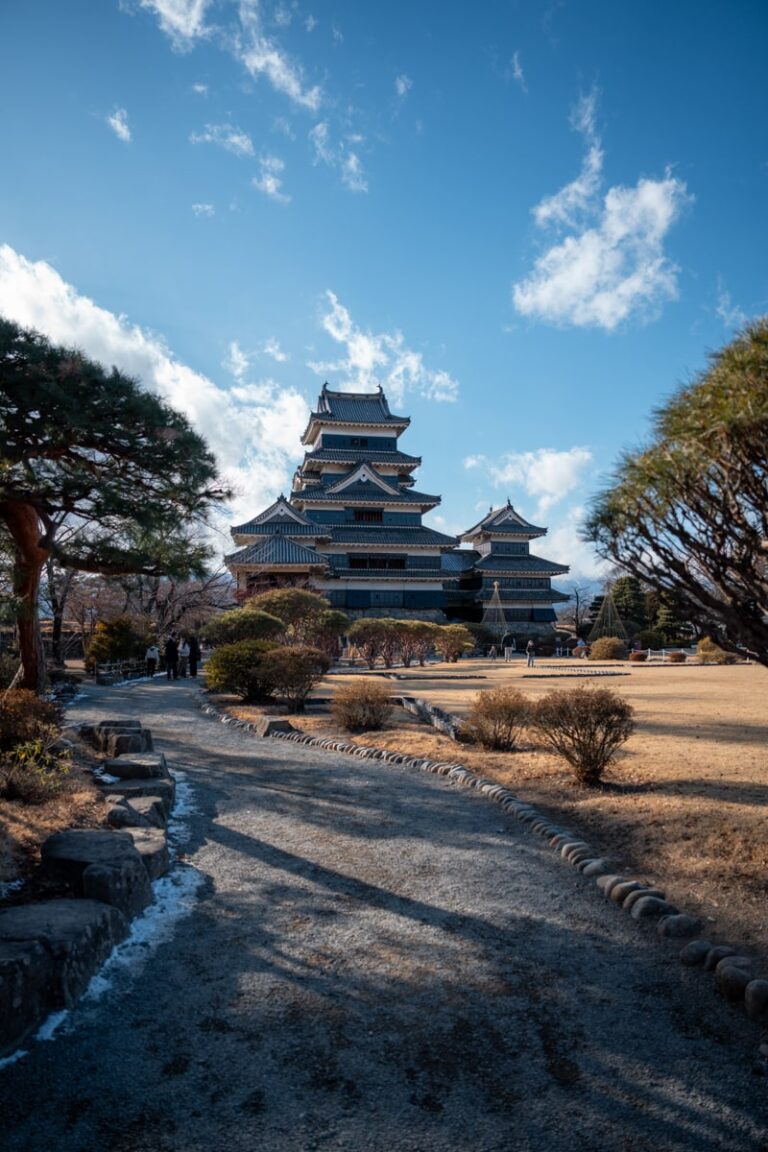
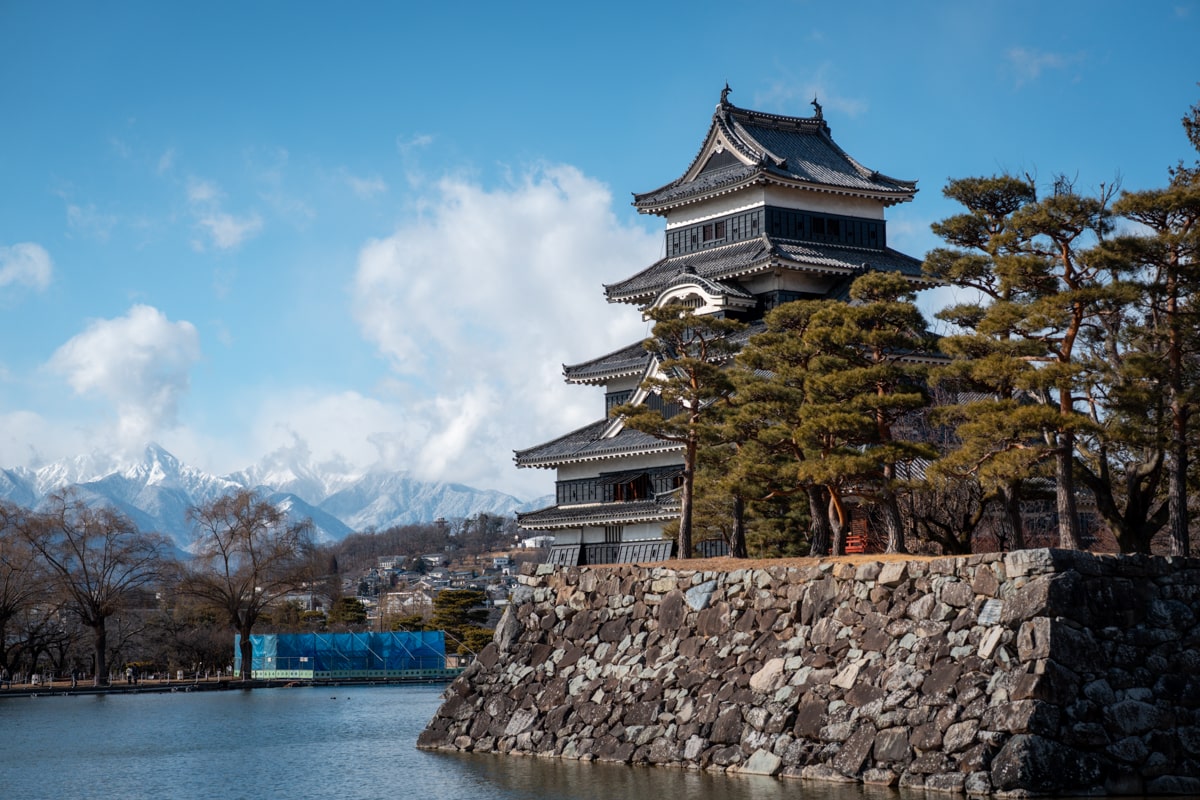
- Matsumoto – Famous for Matsumoto Castle and its really charming and walkable historic center and surrounding hot springs.
- Hakuba Valley – A crowded ski area in winter, but amazing hiking, alpine lakes, and mountain villages.
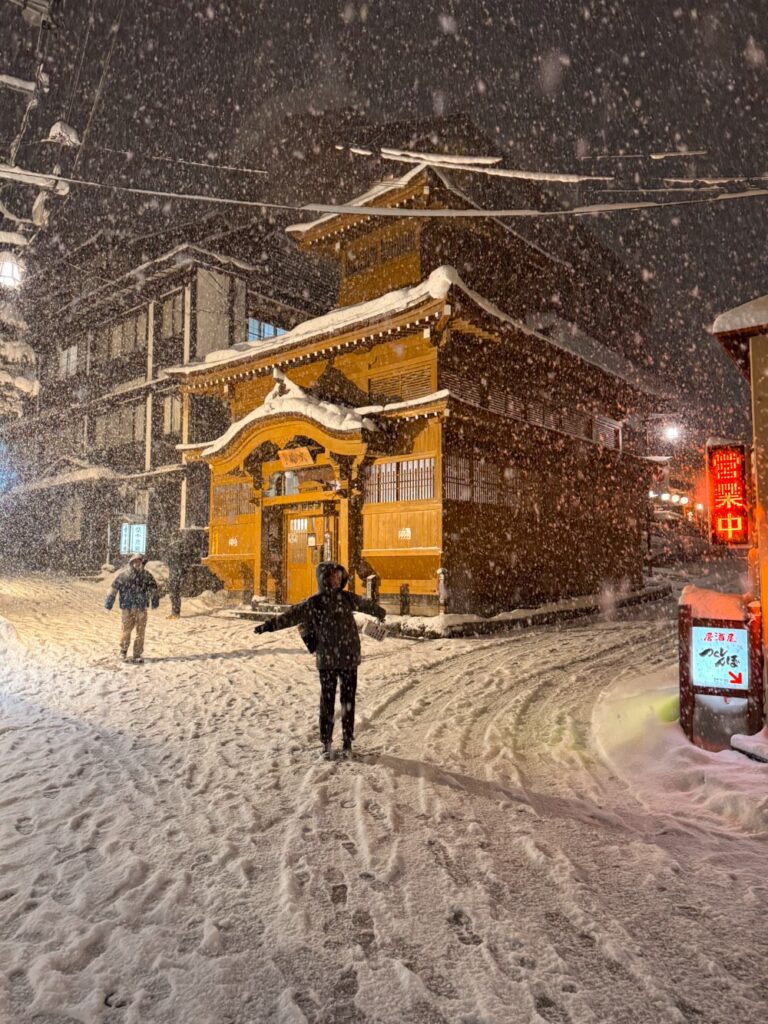
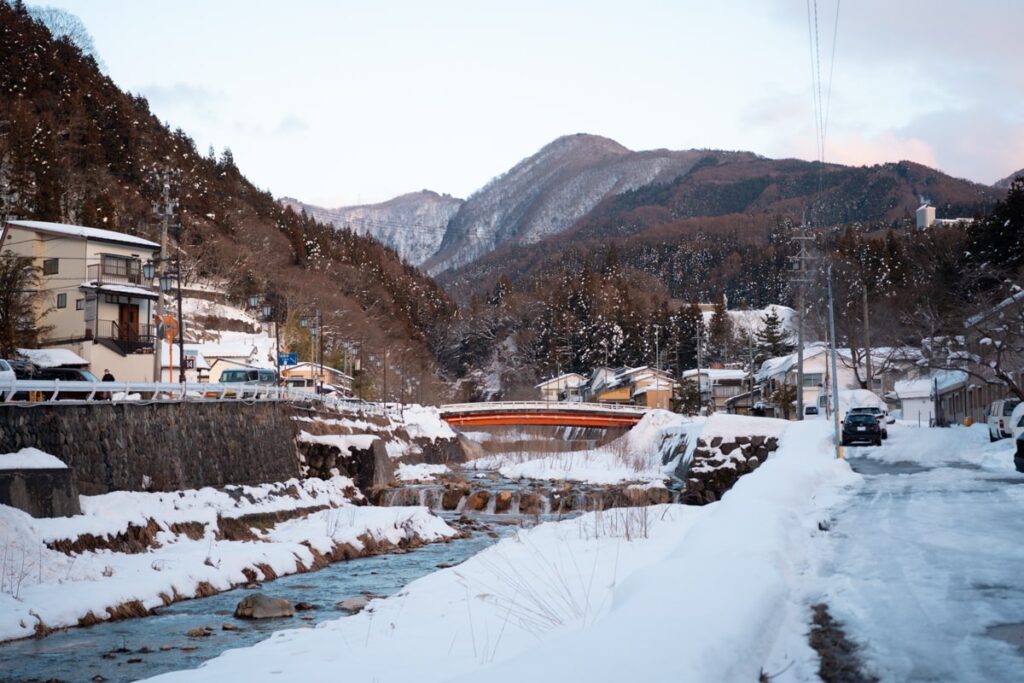
- Nozawa Onsen – A traditional hot spring town with skiing, public baths, and a traditional atmosphere (but, warning, with lots of Aussies and international tourists!).
- Shiga Kogen – Japan’s largest ski resort area, known for its powdery snow and access to Jigokudani Monkey Park.
- Kamikochi – A beautiful alpine valley open only during the summer months for hiking and nature escapes.
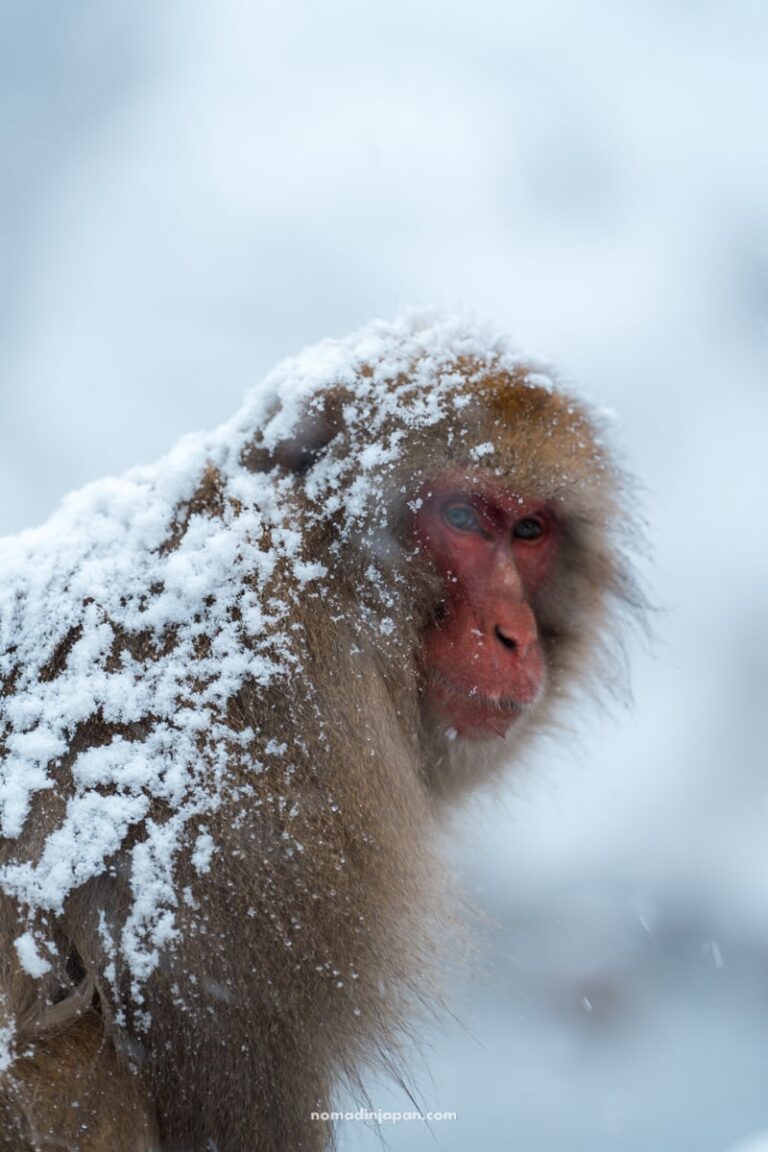
- Jigokudani Monkey Park – Visiting the snow monkeys of Nagano is a must-do in winter!
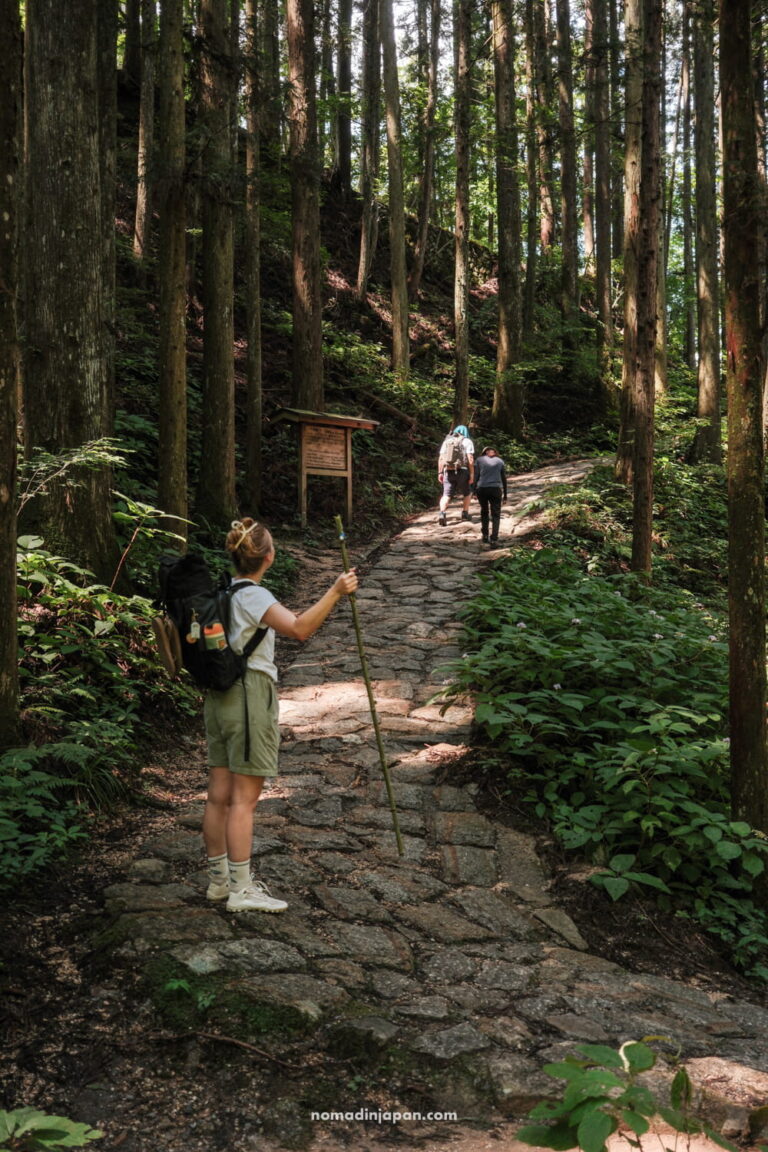
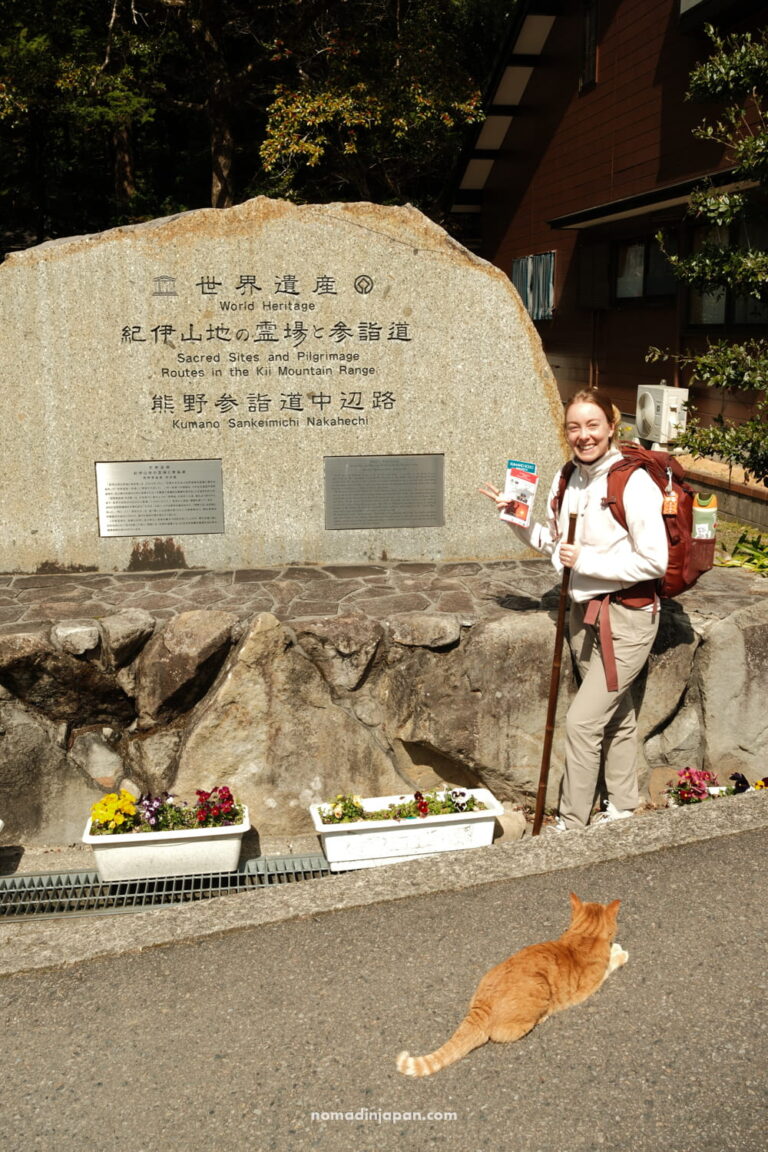
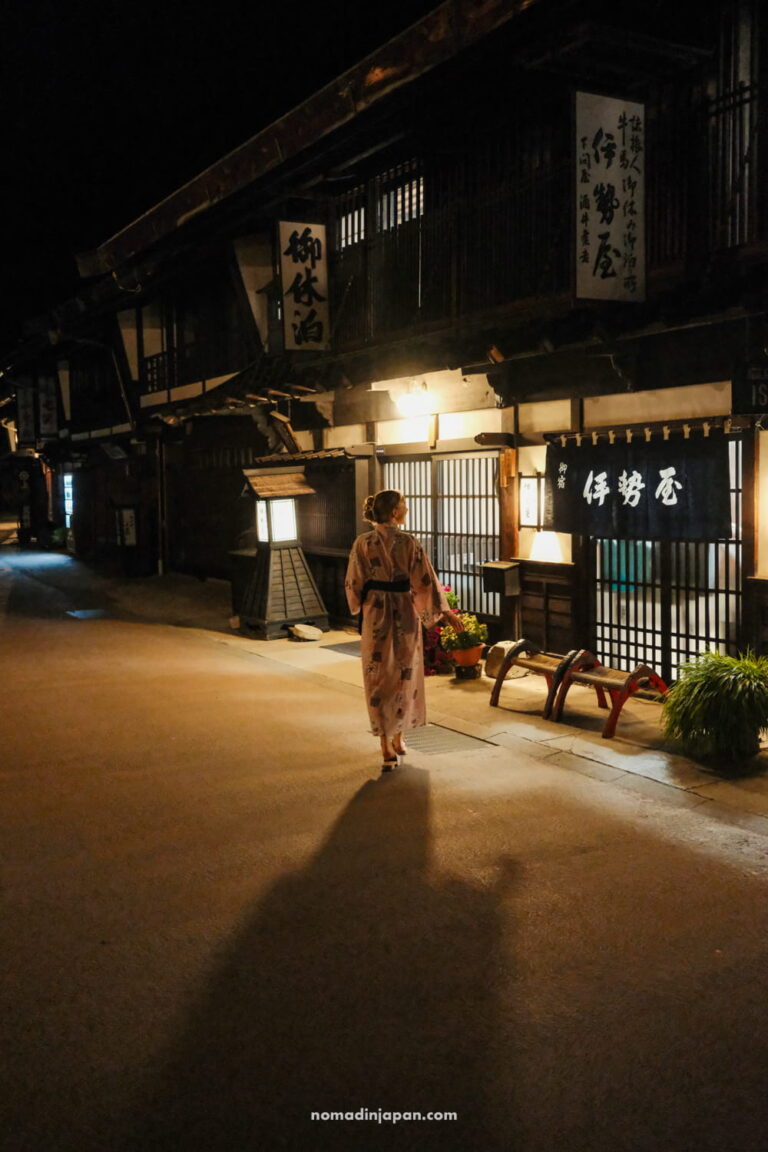
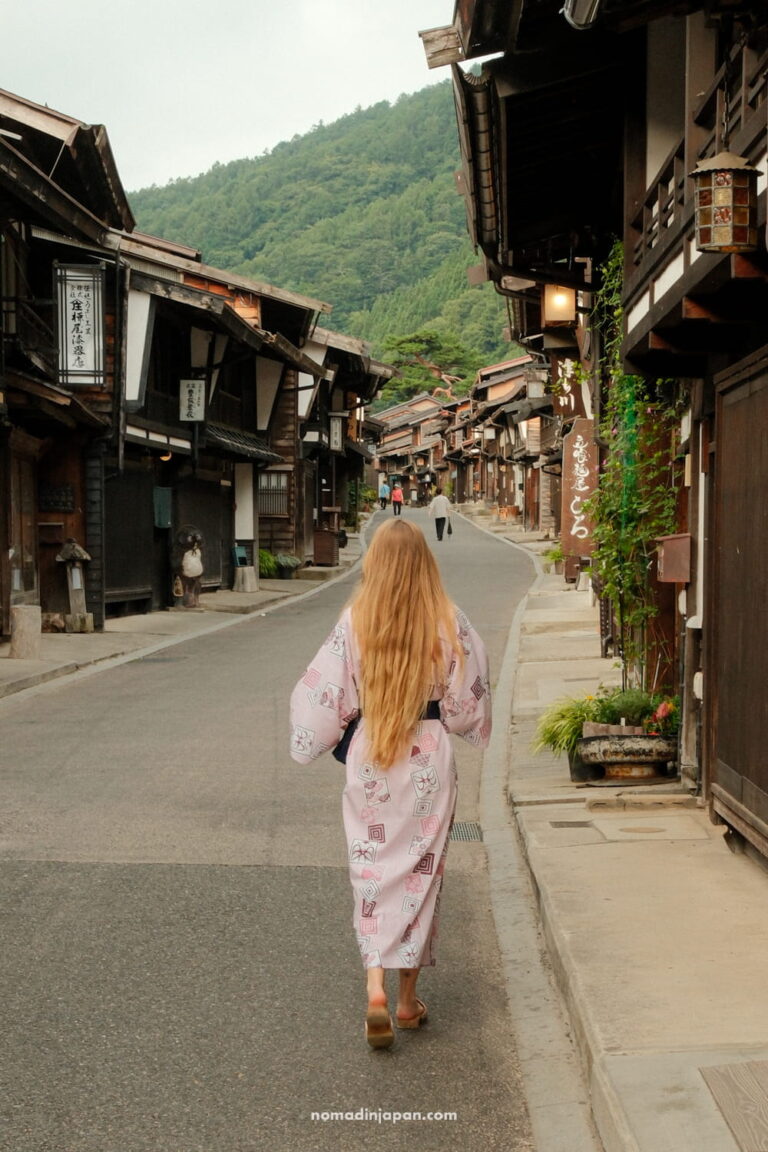
- Tsumago-juku & Magome-juku – Two very cute preserved post towns along the historic Nakasendo Trail.
- Karuizawa – A cooler mountain town with cafes, shopping, and easy access from Tokyo!
Skiing & Snowboarding
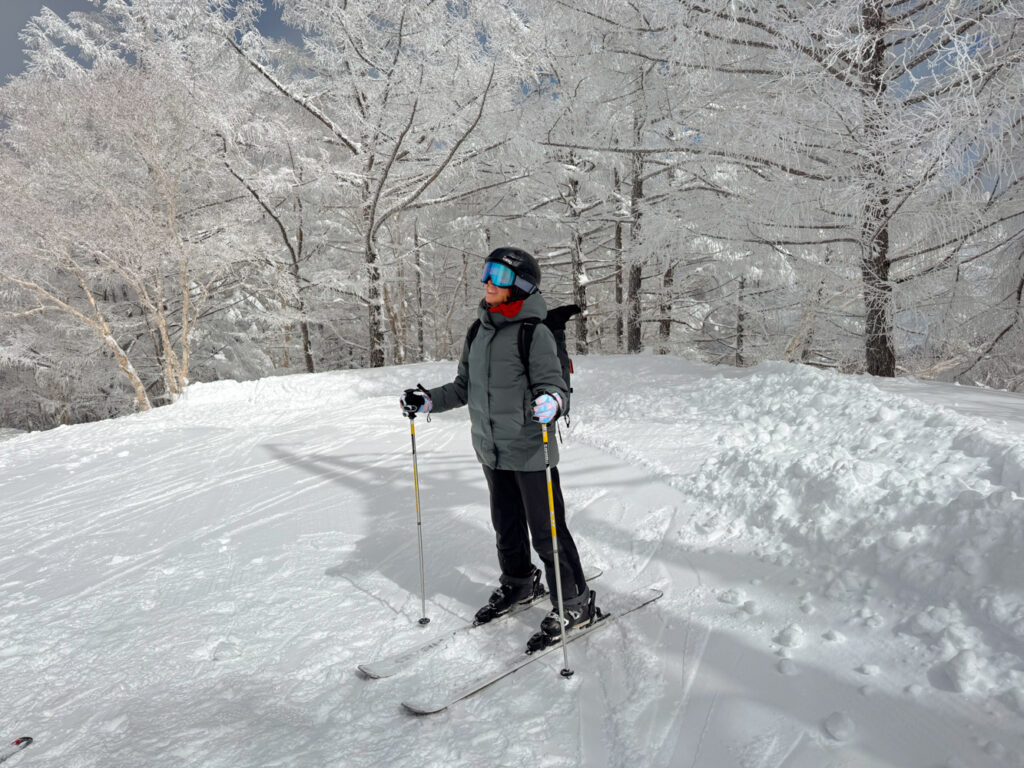
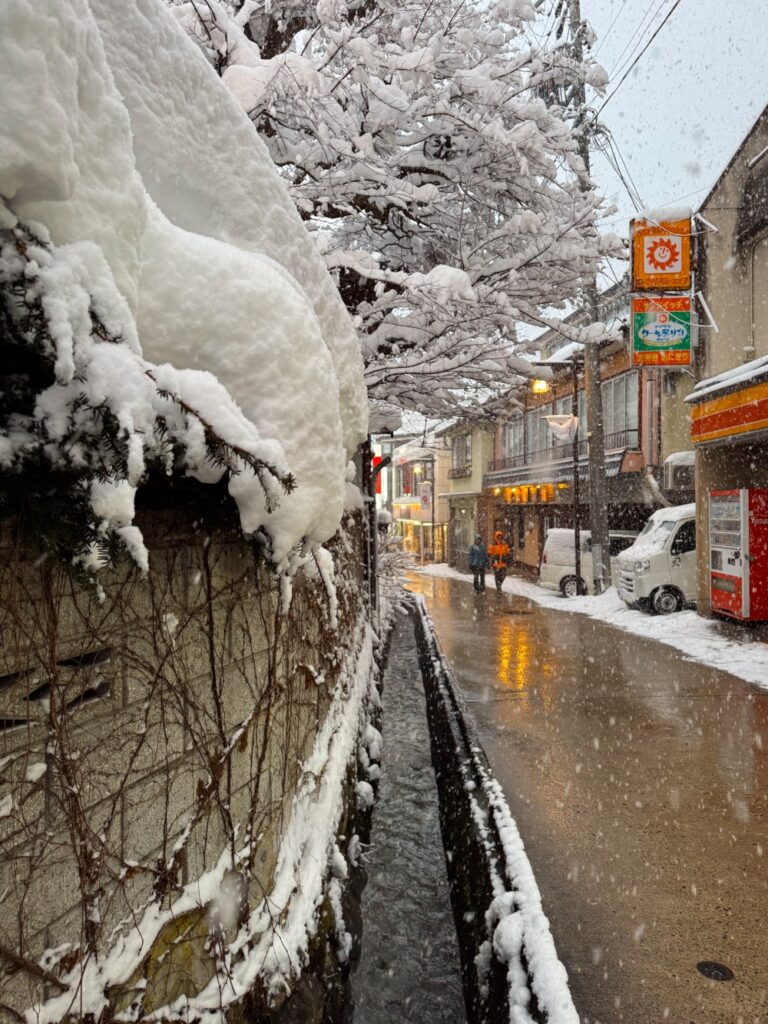
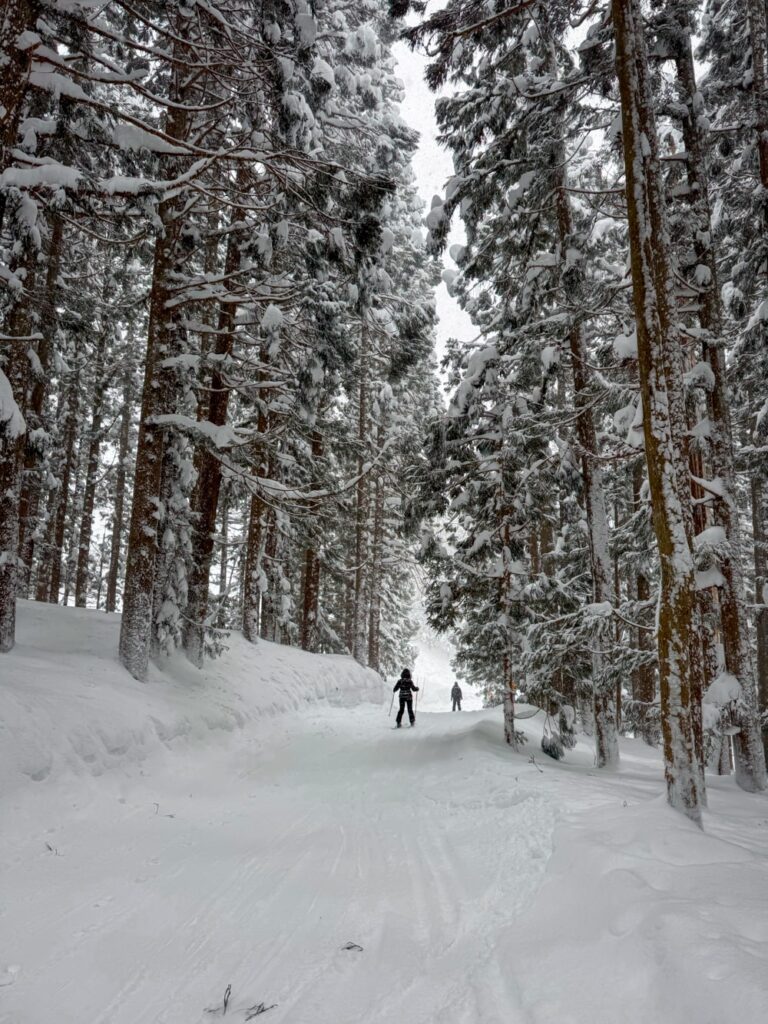
For our first time skiing in Japan, we chose Nagano—and I’m so glad we did! Nagano, turns out, is one of Japan’s top regions for skiing and snowboarding, with some of the best snowfall and resorts spread across the Japanese Alps.
There are dozens of ski resorts to choose from, with a mix of large international resorts like Hakuba and Shiga Kogen, paired with smaller ski stations like Nozawa Onsen (no less popular!).
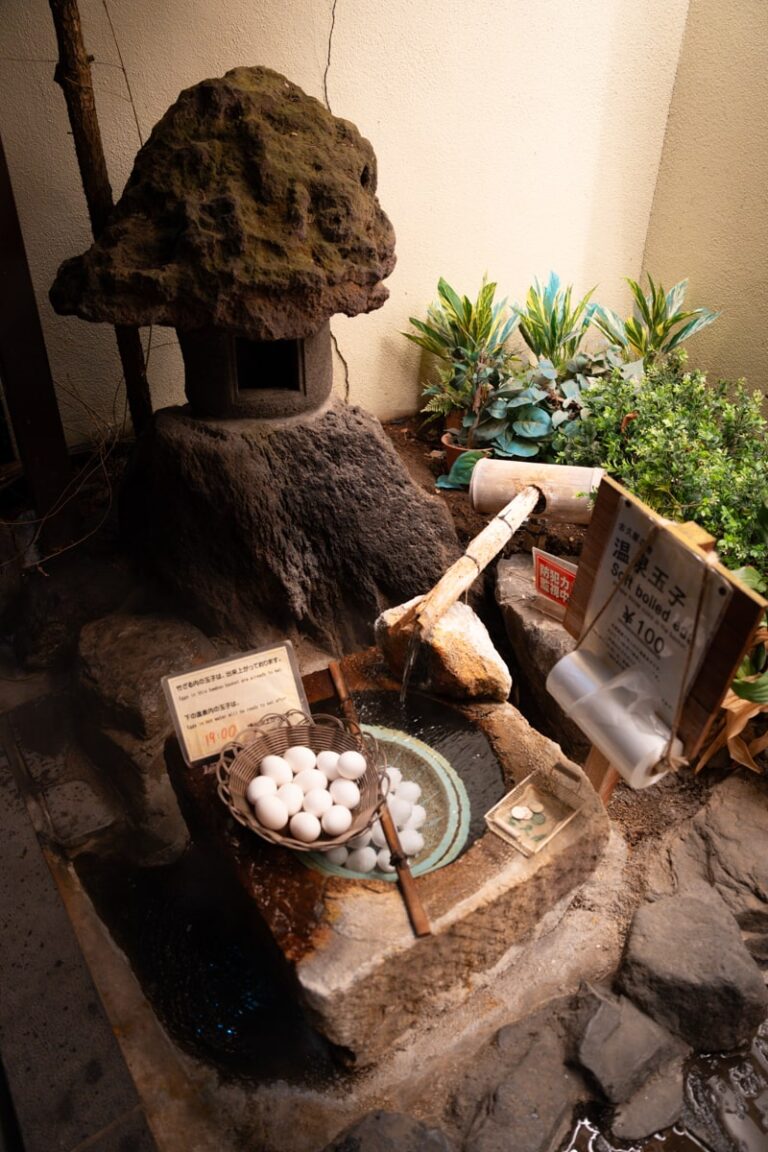
Winter also brings the added bonus of enjoying onsen, where soaking after a day on the slopes is a huge part of the experience!
Ryokans & Where to Stay
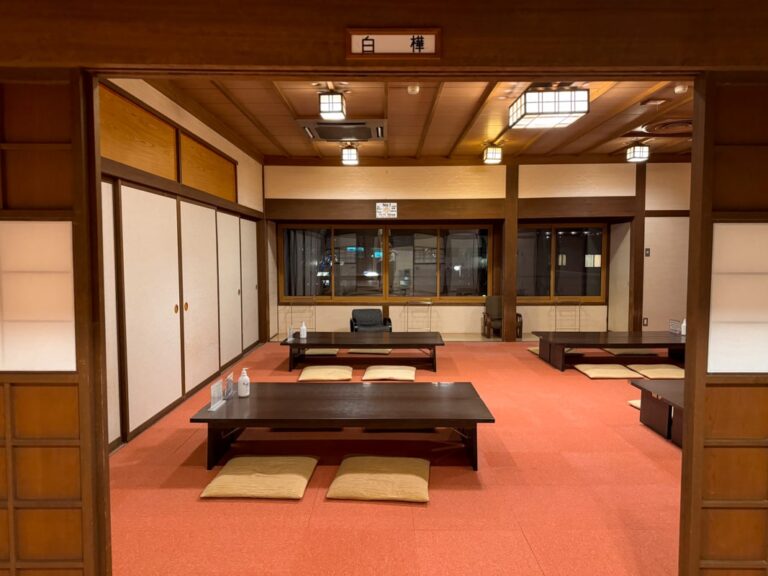
Don’t think you need to go to Hakone or Kyoto for ryokans. Nagano is well known for its traditional ryokan culture, especially in hot spring towns and mountain villages, which are abundant throughout the prefecture!
Staying in a ryokan often includes multi-course kaiseki meals featuring local ingredients, as well as access to indoor or outdoor baths. It’s worth booking one if you’ll be visiting historic onsen towns like Shibu Onsen or Yudanaka. In ski areas and villages, you’ll also find hotels, lodges, and guesthouses for budget-friendly travel styles and budgets. We’ve been able to snag ryokans and guesthouses for $70/night at the last minute, but if you book in advance, you can get great deals on budget-friendly ryokans.
Getting Around Nagano
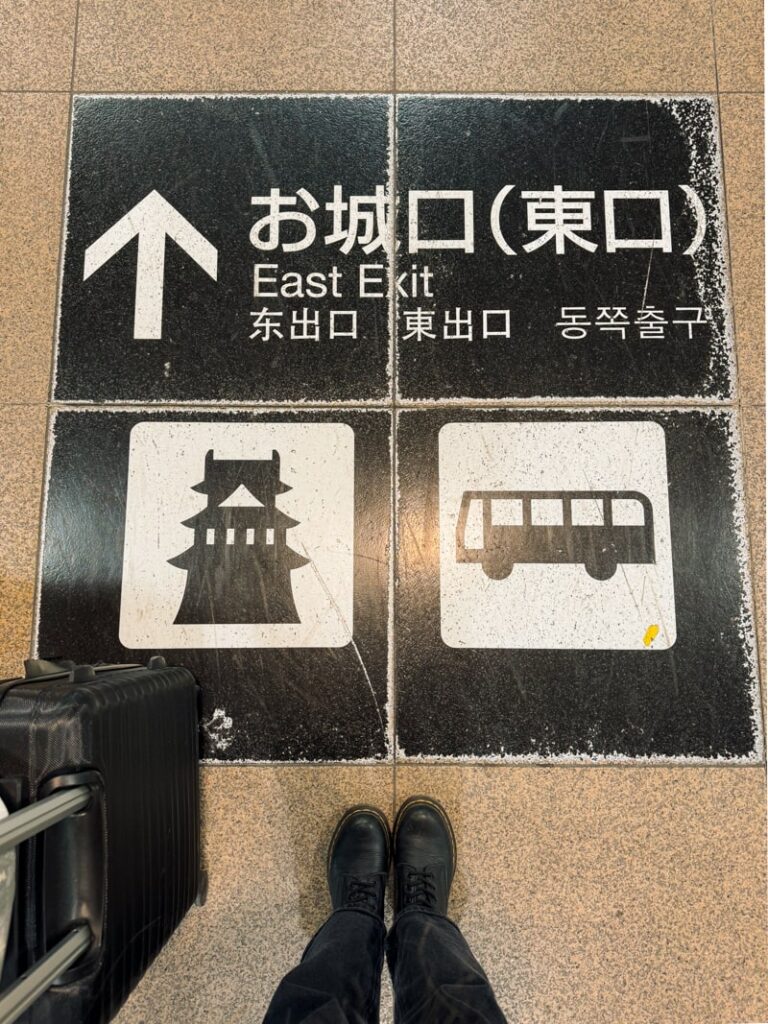
Nagano is a large, spread-out prefecture, and getting around means a mix of trains, buses, and occasional car rentals. Luckily, major areas are well-connected by train (Tokyo – Nagano, Nagano – Matsumoto), but the more rural villages and lesser-known onsen towns are easier to reach by bus or car. In winter, snowy road conditions can cause delays, so plan extra flexibility into your itinerary.
You can easily search routes and buy advanced Shinkansen tickets via Klook.
Cost of Traveling in Nagano
Nagano doesn’t feel as costly as Tokyo, Osaka, or Kyoto. Perhaps your biggest expense will be ski resort areas, which are most expensive in winter, while rural towns and shoulder seasons tend to be more affordable for ryokan stays. Ski lift tickets and day passes usually cost between 14,000 and 18,000 JPY per day, not including rentals.
Food is generally reasonably priced, especially at local restaurants (we’ve eaten for just $5-8 per person for a local dinner), and accommodation ranges from budget guesthouses to luxury ryokan. Overall, Nagano can offer better value than Japan’s major cities if you plan carefully.
Food & Drink Specialties
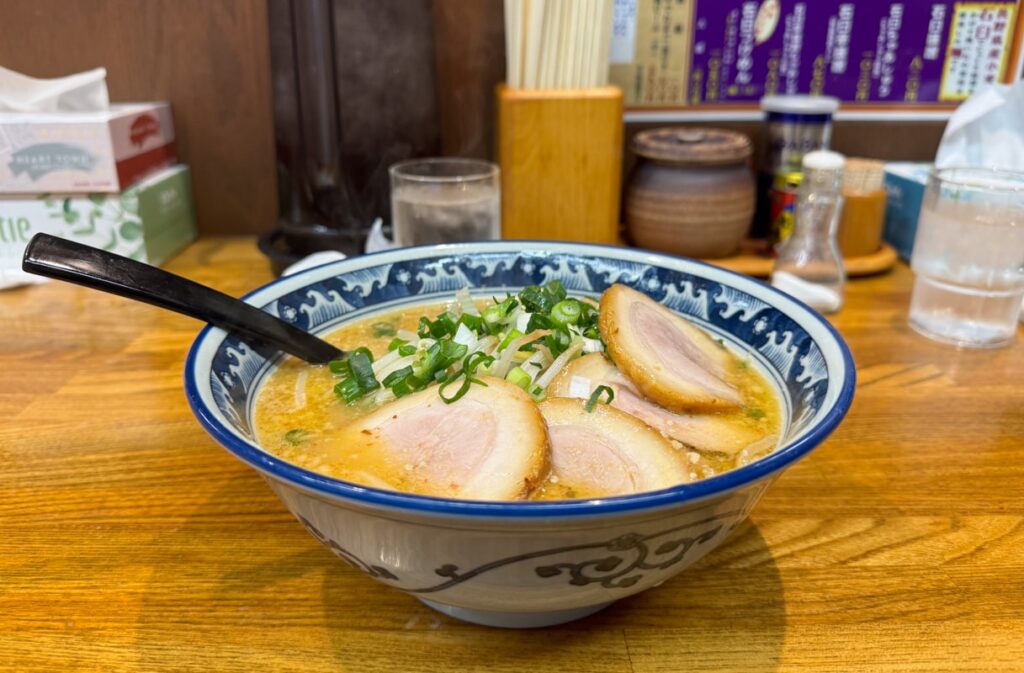
Nagano’s food is closely tied to its mountains and seasons! The region is famous for buckwheat soba (my favorite!), apples, miso, and locally brewed sake, all of which you can try in local restaurants and on food tours.