How to See the Snow Monkeys in Nagano’s Jigokudani Yaen-Koen
The up-close, quiet sight of the famous “snow monkeys” as they bathe in natural hot springs, while fluffy snow piles atop your head and camera lens, is an experience I won’t forget during our winter trip in Japan. 🥹

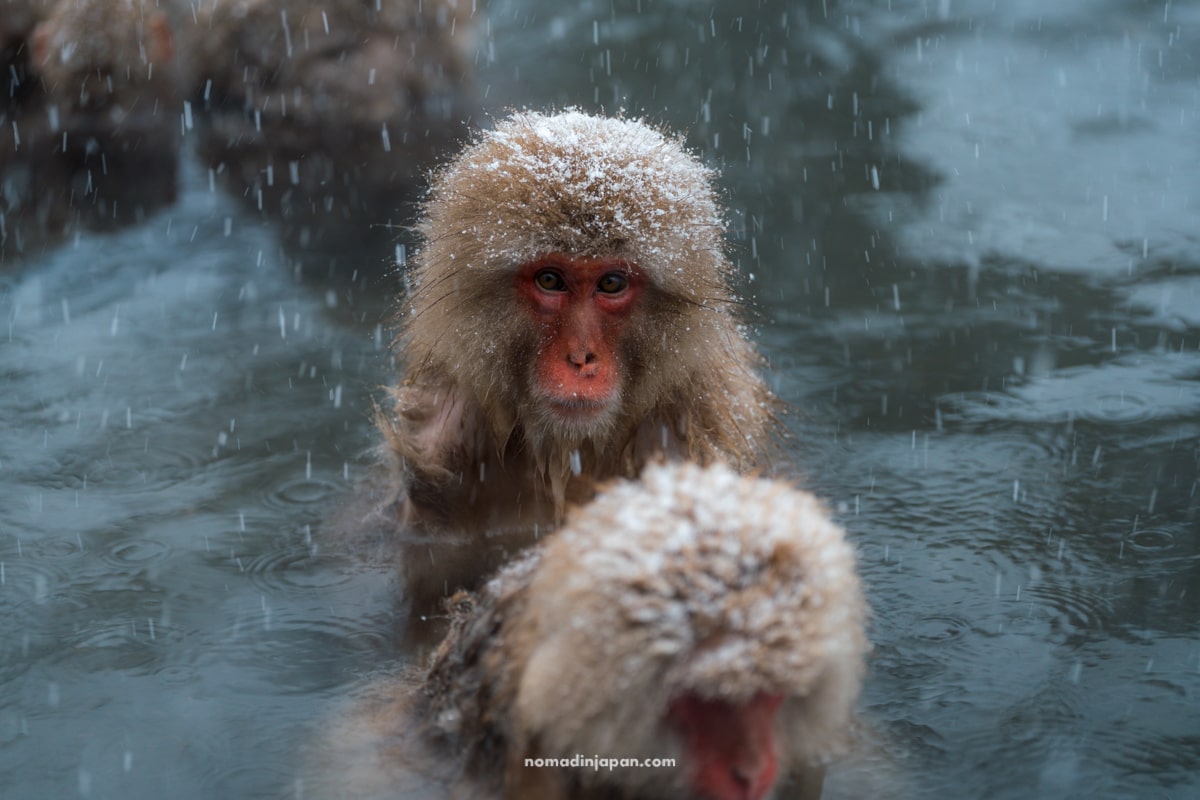
It’s one thing to see the cute snow monkeys online, eyes closed, enjoying the heat of the springs, and another to see their enjoyment in person!
So, who, what, and where can you find these adorable snow monkeys of Japan?
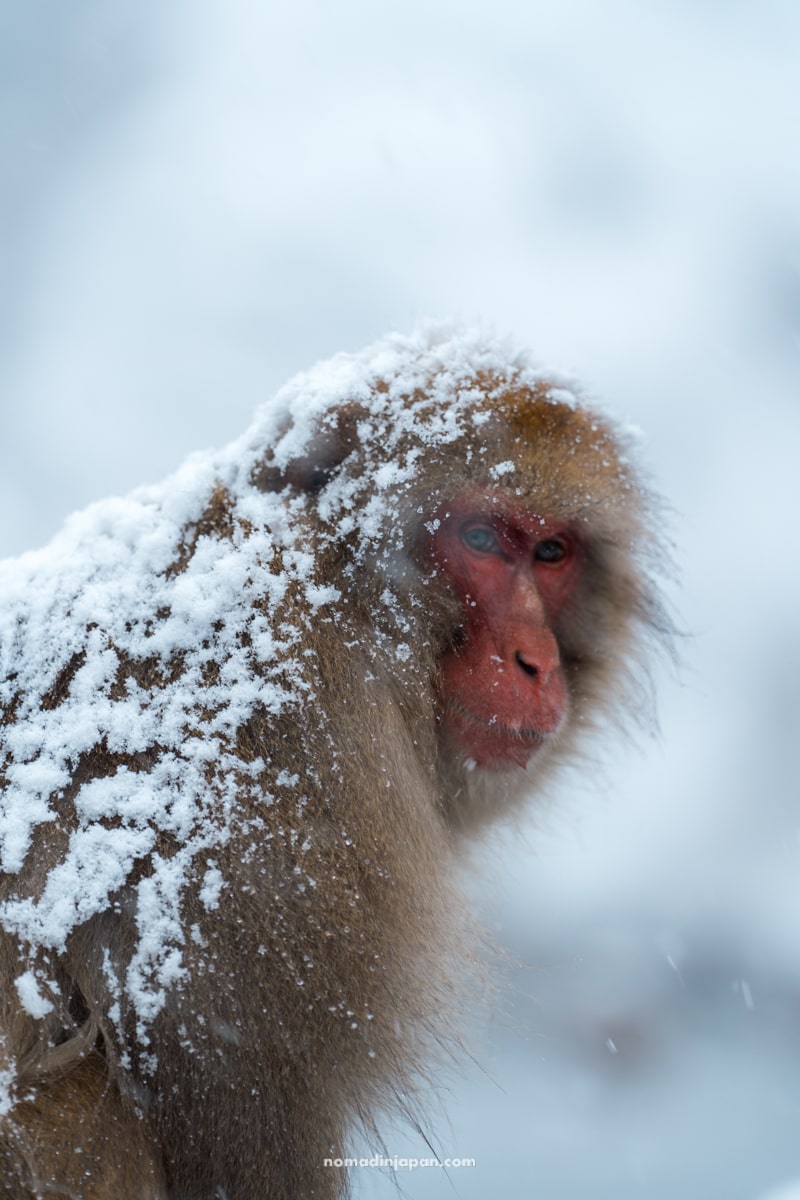
The popularly nicknamed “snow” monkeys are Japanese-native macaques that live in the Jigokudani Yaen-Koen Park (established in 1964!) in northeastern Nagano Prefecture. Millions of tourists have visited it from around the world since.
These monkeys live wild across Japan’s forested areas, but Jigokudani is unique because it is the only place where you can observe them up close as they bathe in the hot springs.
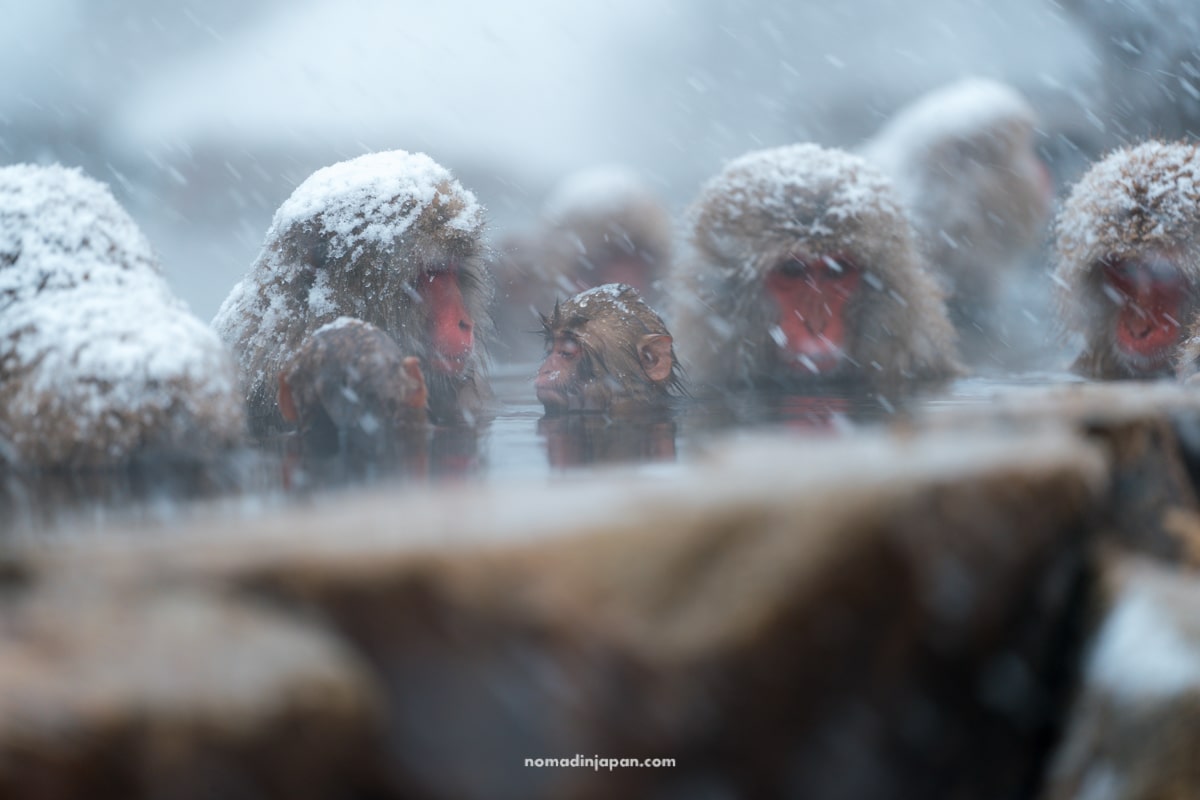
The park is not enclosed, and the monkeys live in the wild; however, to encourage regular visitation to the hot springs by the monkeys, the park provides scheduled feeding times, which you may get to witness during your visit.
The name Jigokudani means “Hell’s Valley,” due to the area’s harsh winter climate, steaming hot springs, and rocky outcropping.
During your visit, you can expect wild weather, but here’s everything you need to know before you go to ensure you time your visit when the snow monkeys are active in the park!
How to Visit the Snow Monkeys in Nagano, Japan
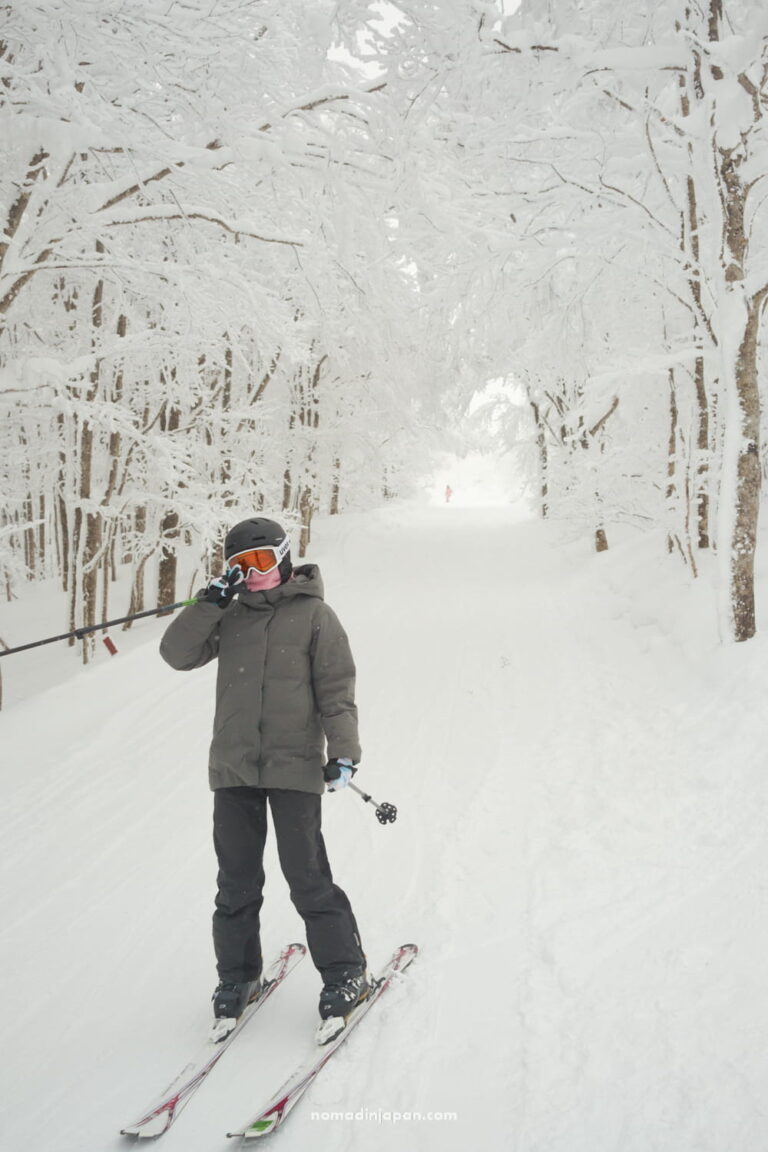
First things first, if you’re already traveling in Nagano—whether you’re skiing in Shiga Kogen, staying in Shibu Onsen, or visiting Nagano City’s famous Zenko-ji Temple—then the most flexible option is to go see the snow monkeys on your own.

This way, you can take your time walking the forest trail, photographing the monkeys, and enjoying nearby onsen towns.
If you’re pressed for time or don’t want to figure out transportation logistics, the second-best option is to join a day tour.
Snow monkey tours typically run from Tokyo, Niigata, or Nagano City and Hakuba, and take care of the train, bus, and walking route details for you.

Visiting the Snow Monkeys Without a Tour
Getting to Jigokudani Monkey Park on your own is straightforward once you know the route!
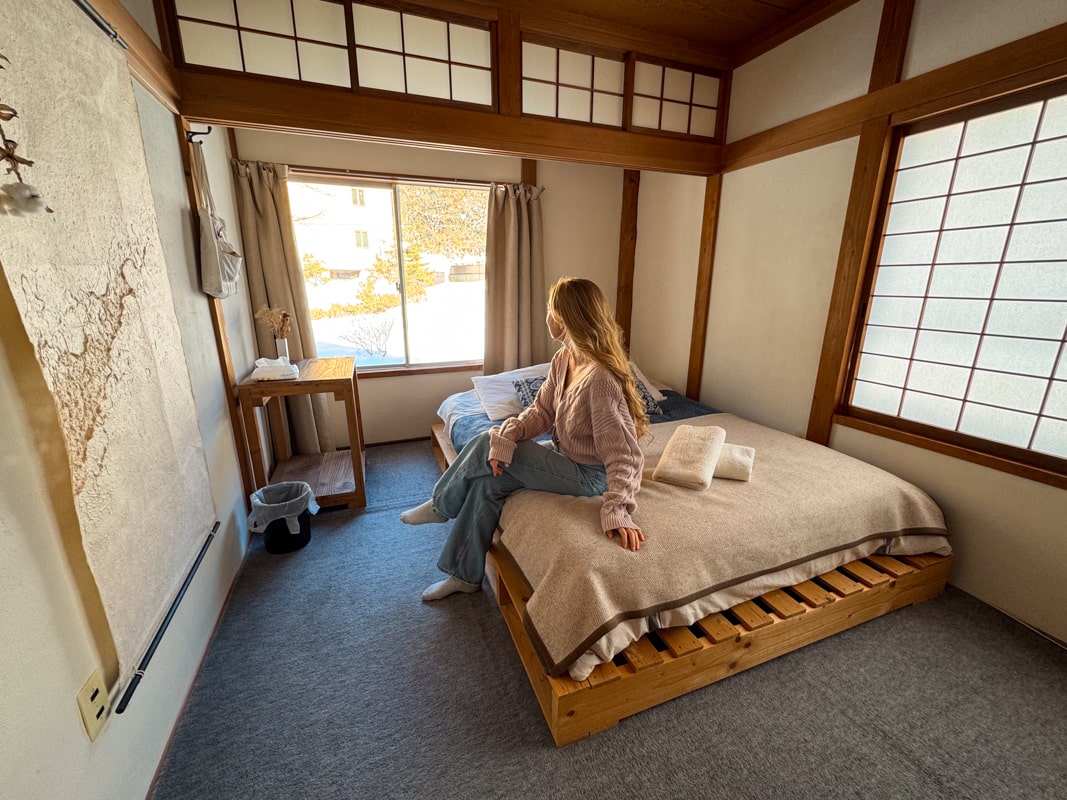
As our accommodation in Kanbayashi Onsen was right near the snow monkey park, we spent one of our “off ski days” walking to see the monkeys, and we had a gorgeous morning!
Again, if you’re not already based in Nagano or skiing at Shiga Kogen, then here’s how to get to the snow monkeys.
🚄 From Tokyo: Take the Hokuriku Shinkansen from Tokyo Station to Nagano (about 1.5 hours). From Nagano Station, you can take the Nagaden Express bus directly to the Kanbayashi Onsen/Snow Monkey bus stop, which drops you nearest the start of the trail. You can get your Shinkansen tickets here.
🚌 From Nagano City: The express bus from Nagano Station to Snow Monkey Park bus stop is the easiest option (about 40 minutes).
♨️ From Shibu Onsen/Yudanaka: If you’re staying overnight in the hot spring towns nearby, you’re only a short bus ride or even a 30–40 minute walk away. Some ryokans in Shibu even offer shuttle services for guests.
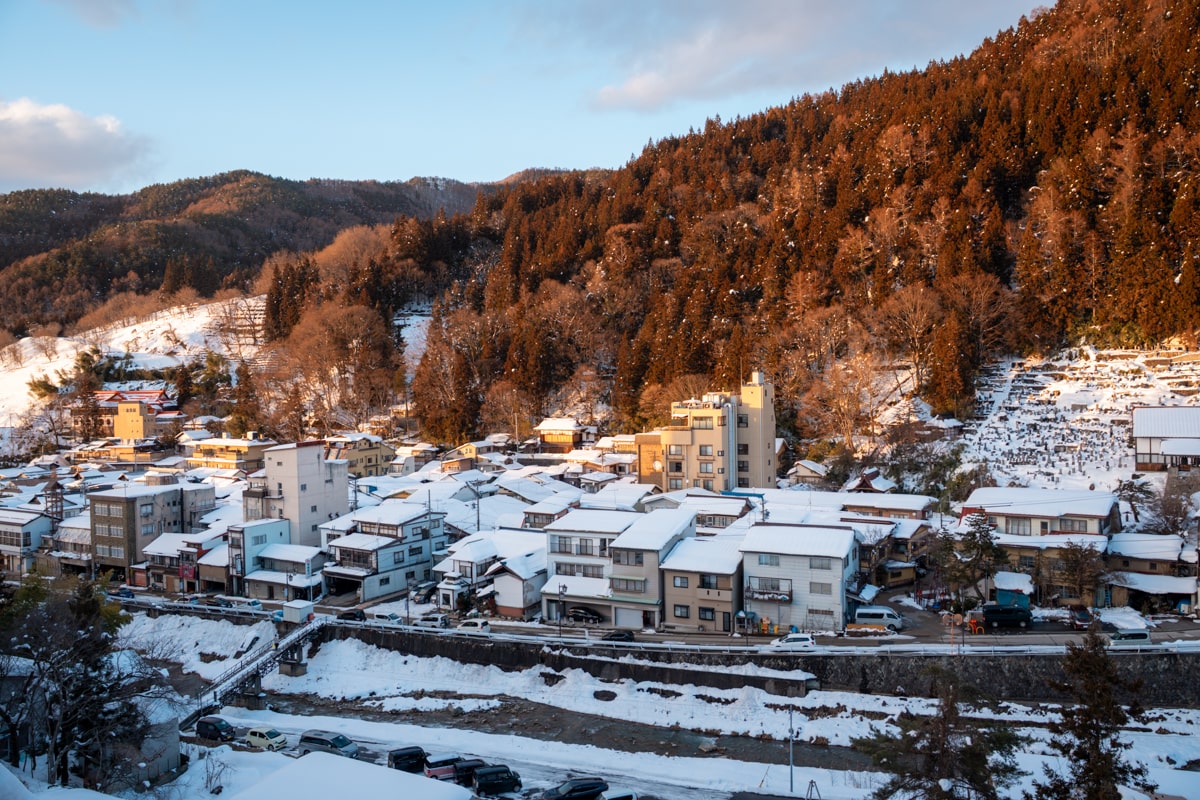
Once you reach the Kanbayashi Onsen trailhead, it’s a 1.6 km walk (about 25–30 minutes) through the forest. In winter, expect snow and ice, so wear sturdy boots (and consider using crampons if the conditions are especially slippery).
The forest trail is scenic and peaceful (albeit a bit crowded with fellow hikers at times), and made our visit even more magical under the snow!


The Best Snow Monkey Tours
If you prefer to skip the hassle of figuring out the train and bus connections—or if you want to maximize your limited time in Japan—then a snow monkey tour is your best bet!

Many tour operators offer full-day trips that combine the monkeys with other attractions, such as Zenko-ji Temple in Nagano and sake-tasting. These tours include round-trip bus transfers and park entry!
Tours are especially convenient in winter, when navigating snowy roads and bus schedules can feel overwhelming!
Sure, you’ll pay more than going independently, but the trade-off is comfort, efficiency, and often a local guide who shares insight into the macaques and the region’s history.
Tickets & Opening Hours
Entrance tickets can be purchased directly at the entrance gate, up the steps, once you’ve completed the forest walk. If you’re visiting with a tour, your entry fee is already included.


Tickets:
- Adults (18+): ¥800
- Children (6–17): ¥400
- Children under 6: Free
- Tip: Bring cash, as card payment is not always available.
Opening Hours:
- Summer season (April–October): 8:30 am – 5:00 pm
- Winter season (November–March): 9:00 am – 4:00 pm
The last entry is 30 minutes before closing, but it’s best to arrive earlier in the day (ideally, in the morning). This gives you plenty of time to hike in, observe the monkeys, and linger without rushing back!
What to Expect at the Snow Monkey Park
You might be surprised, but the snow monkey park isn’t exactly as I imagined it. The onsen area is much smaller, and the forest trail is much longer!

Forest Trail

To reach the monkeys, it’s about 1 mile (1.6km), past Enza Café (where you can try a cute snow monkey marshmallow hot beverage), and through a beautiful forest trail before you reach the steps up to the Jigokudani Visitor’s Center and, shortly after that, the small hot springs where the monkeys soak.
In mid-February, when we visited the snow monkeys, the forest trail was sloshy and muddy, and slippery in parts. It’s best to bring boots, even crampons, if you’re not sure-footed.
Hot Springs
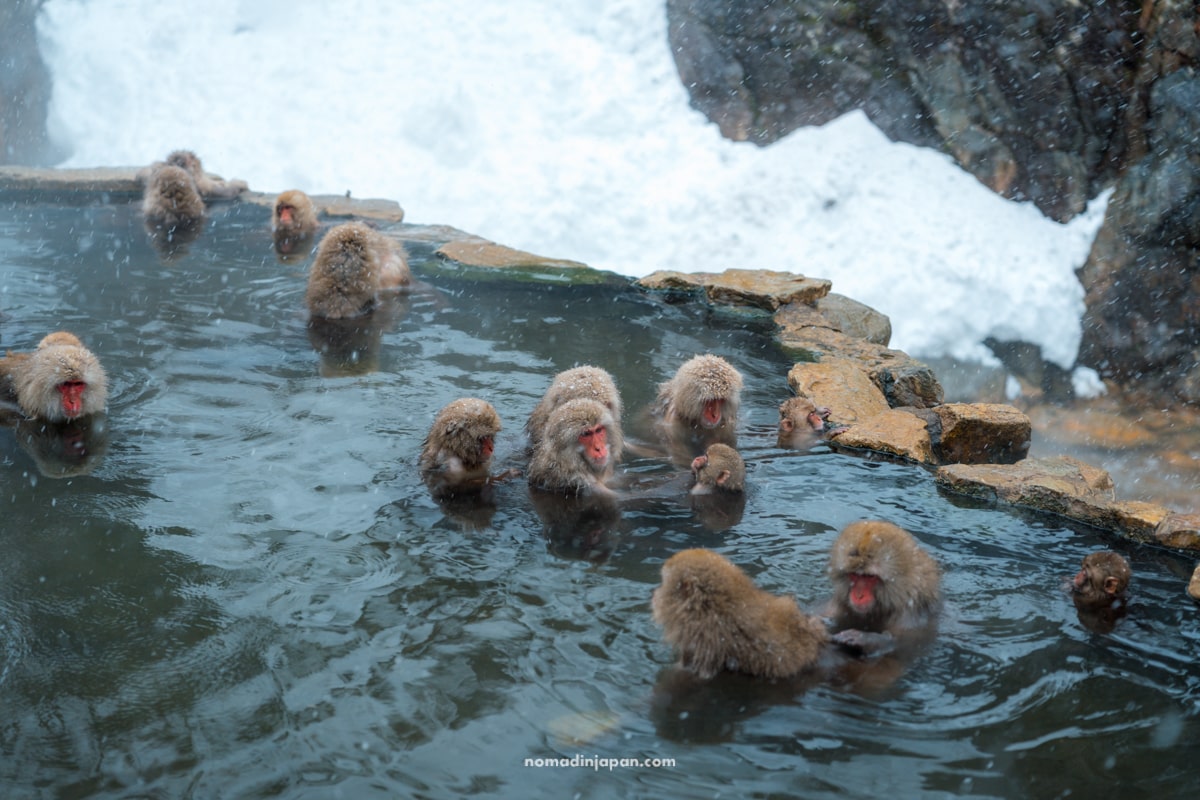
Once you have purchased your tickets, you can tour the small center or walk directly to see the monkeys lounging in the hot springs outside.
The area around the open-air hot springs is small, and there can be crowds—all with long camera lenses in the midst!
🧤Pack: In winter, wear a water/snow-proof jacket, boots, scarf, hat, gloves, and take camera protection such as a plastic bag or extra cover!
While the monkeys are used to humans (and camera shutters), please respect their space: no feeding, no touching, and no noise!
While you can’t share the onsen with the monkeys, you can also soak in the private hot springs at the historic 1864 Jigokudani Korakukan lodge, located by the river and the steaming vents.
Best Time to Go
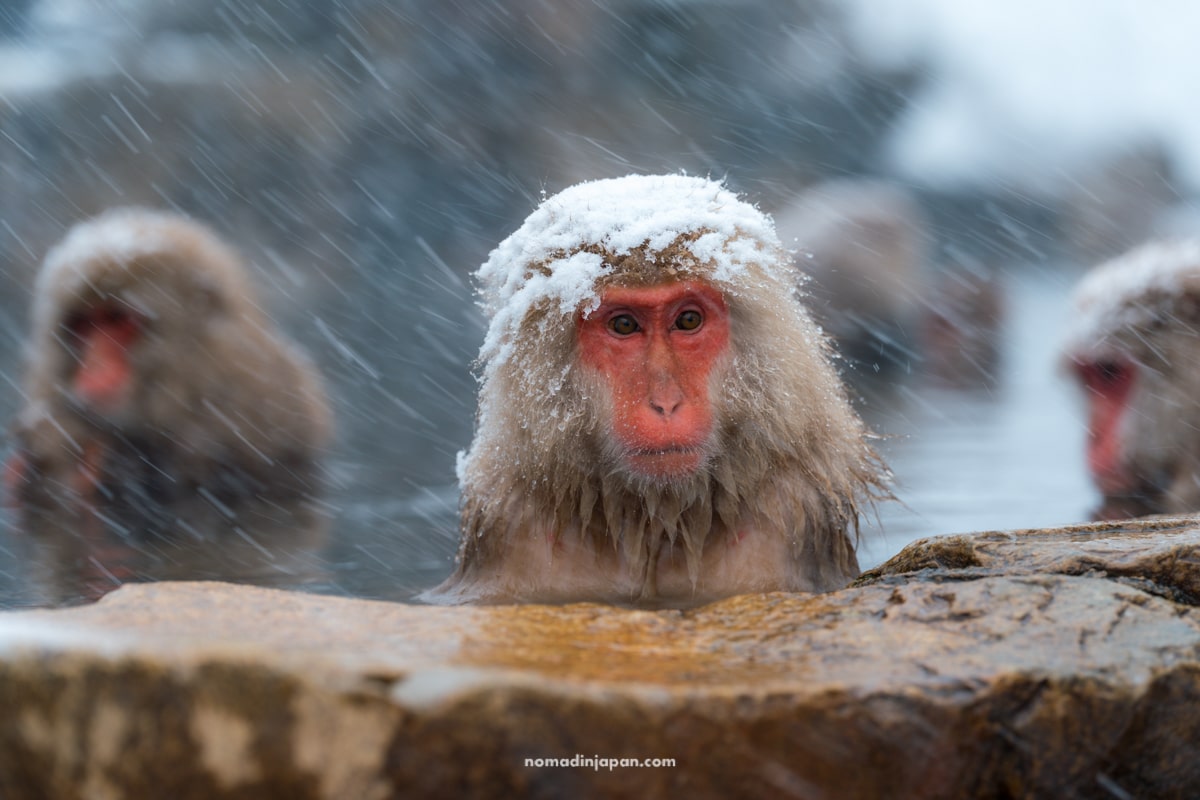
As for the estimated time you’ll spend with the monkeys, it is all up to you. We stayed for roughly an hour, photographing the monkeys and babies bathing, and just observing them under the snowfall. ❄️
As for the best time of day to see the snow monkeys, plan to go in the morning or before lunch. Stick around, and you might be able to catch their late morning feeding frenzy!
Winter is undoubtedly one of the best and most magical seasons to experience the snow monkeys of Japan (after all, it’s in their nickname!), but spring and autumn also offer beautiful foliage and new babies.
Where to Stay Near the Snow Monkeys
If you want to make the most of your visit, staying nearby gives you more flexibility with your snow monkey park itinerary, allowing you to combine your stay with visits to other top places in Nagano!
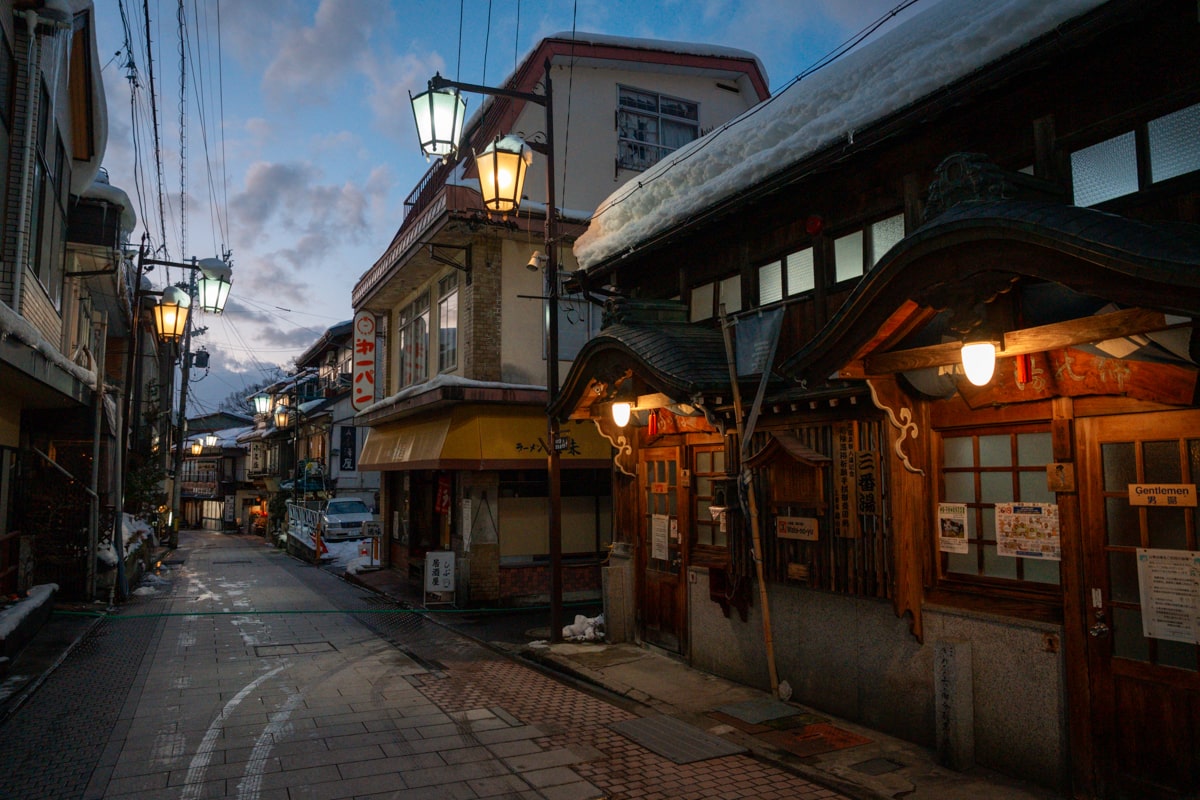
Kanbayashi Onsen
If you’d like to be right at the trailhead, Kanbayashi Onsen is the closest base to Jigokudani.
From here, you can walk to the monkeys in under 15 minutes, and the handful of ryokans offer peaceful retreats with private hot spring baths and kaiseki meals. Hotel Senjukaku is a popular option and usually books up months in advance.
Shibu Onsen
The next best place to stay would be next door in Shibu Onsen, a historic onsen town with traditional ryokans, and access to nine historic public baths (for inn guests).
It’s just a short bus or taxi ride from the park, and some ryokans even provide shuttles to the trailhead.
Yudanaka Onsen
A bit further away is Yudanaka Onsen, also an onsen town with lots of charm and ryokans like Seifuso.
The perk of basing yourself here is Yudanaka Station, making it easy to reach the snow monkeys by bus, as well as other parts of Nagano, such as Obuse, known as the “chestnut town,” Shiga Kogen for skiing, and Nagano City.
Nagano City
Then, you could consider staying in Nagano City and doing just a day trip to the snow monkeys.
It’s about 40 minutes by bus or train plus bus to the snow monkeys, and the Shinkansen links Nagano to Tokyo in just 1.5–2 hours. Dormy Inn Nagano is a convenient option, especially popular for its rooftop onsen near the station.
Finally, you could also stay in Shiga Kogen, one of Japan’s largest ski resorts!
Wherever you choose, plan for at least 3-4 days in the area to have the flexibility to combine skiing, a visit to the snow monkeys, and an onsen stay in Shibu, Yudanaka, or Kanbayashi for a complete Nagano winter experience. ✨