8 Best Things to Do in Matsumoto: Castles, Onsens & Hidden Gems in Nagano
If you’ve ever wanted to escape the crowds of Tokyo, Kyoto, or Osaka, look no further than Nagano Prefecture, and more specifically, its underrated outdoor and cultural hub of Matsumoto.
We spent a little over a week in Matsumoto this past winter and absolutely fell in love with this charming castle town.
Few tourists make it out to Matsumoto, despite it being only a direct 2.5-hour train ride from Tokyo.
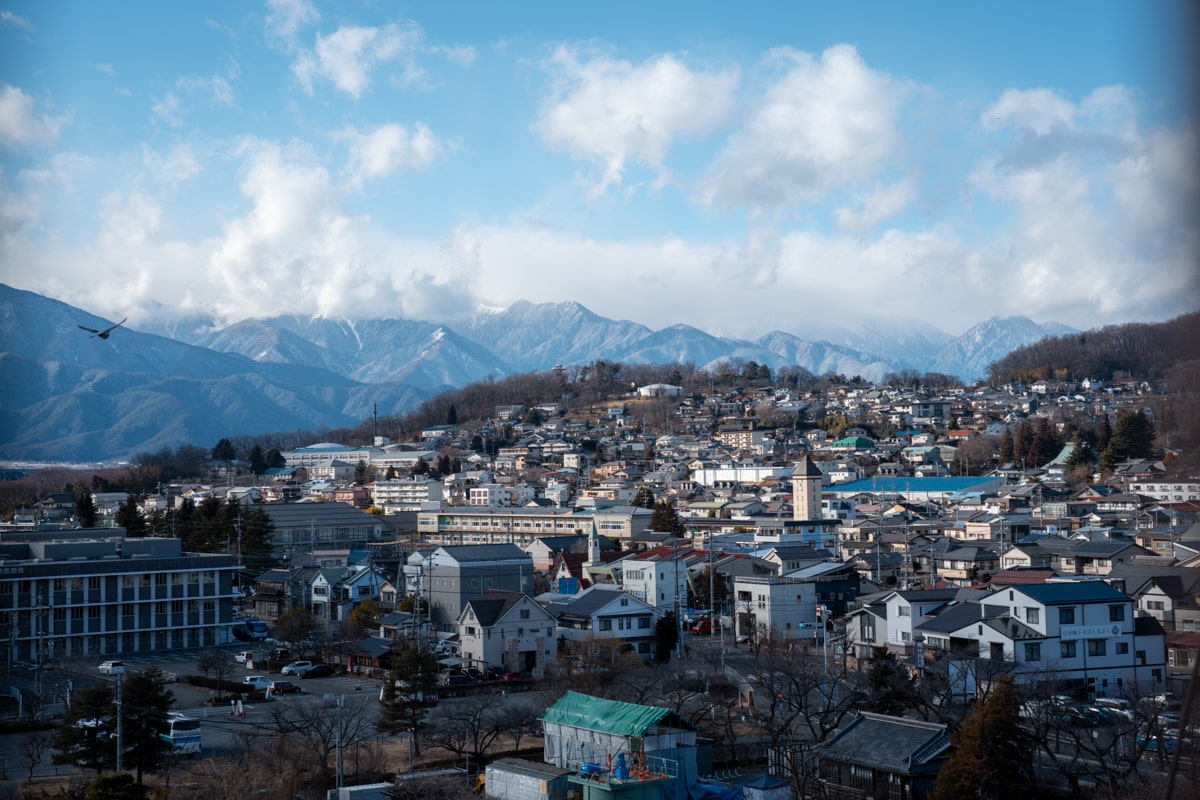
The town lies at the foothills of the Japanese Alps, serving as the “gateway” to the Northern Alps and the Kamikōchi valley.
But it’s perhaps most famous for the Matsumoto Castle, which has witnessed the town through centuries of feudal life, merchant trade, and cultural creativity.
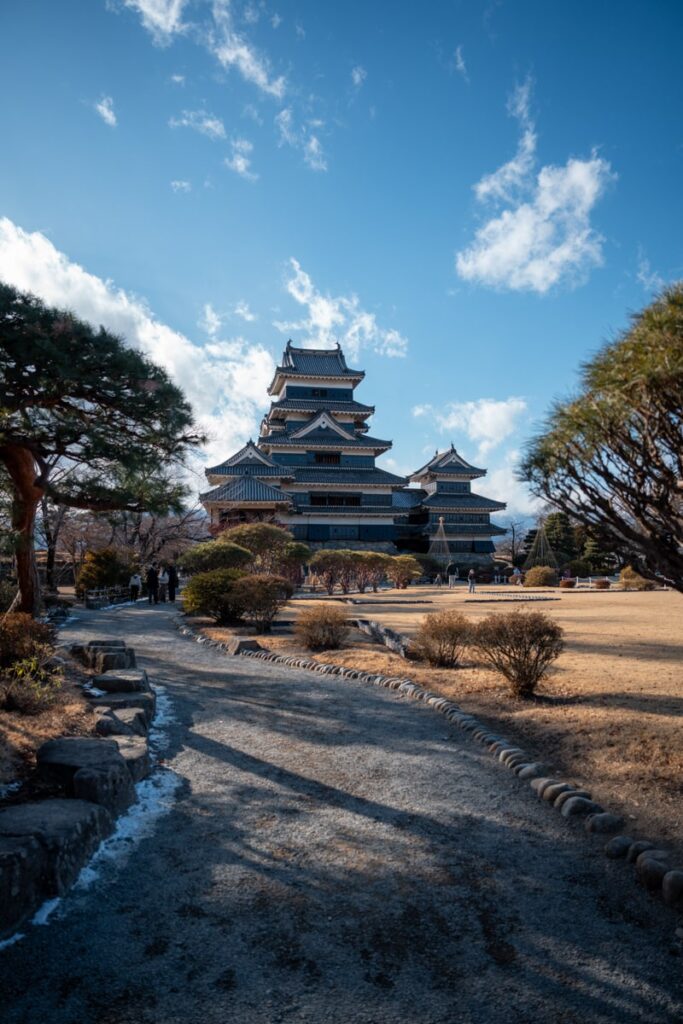

There are many reasons to visit Matsumoto, with no shortage of things to do: beautiful onsens and skiing in winter, hiking and swimming in summer, Matsumoto Castle, art galleries, and must-try regional delights, such as the famous Nagano soba (shinsu soba) or oyaki (stuffed buckwheat dumplings).

Simply taking a walk down its Edo-era streets in the Nakamachi and temple districts will do; pop into converted merchant houses that now house specialty coffee shops and stores, follow the sounds of live music, soak in ancient onsens, or gear up for incredible hiking and skiing.

It amazes me how Matsumoto has managed to slip under the radar, for now!
Whether you’re planning a short overnight trip en route to a ski resort or taking a day trip from Nagano, here is what I recommend doing and seeing in Matsumoto!
The Best Things to Do in Matsumoto, Nagano for a First-Time Trip
1. Explore Matsumoto Castle
You can’t visit Matsumoto and skip its crown jewel, the gorgeous Matsumoto Castle (松本城).
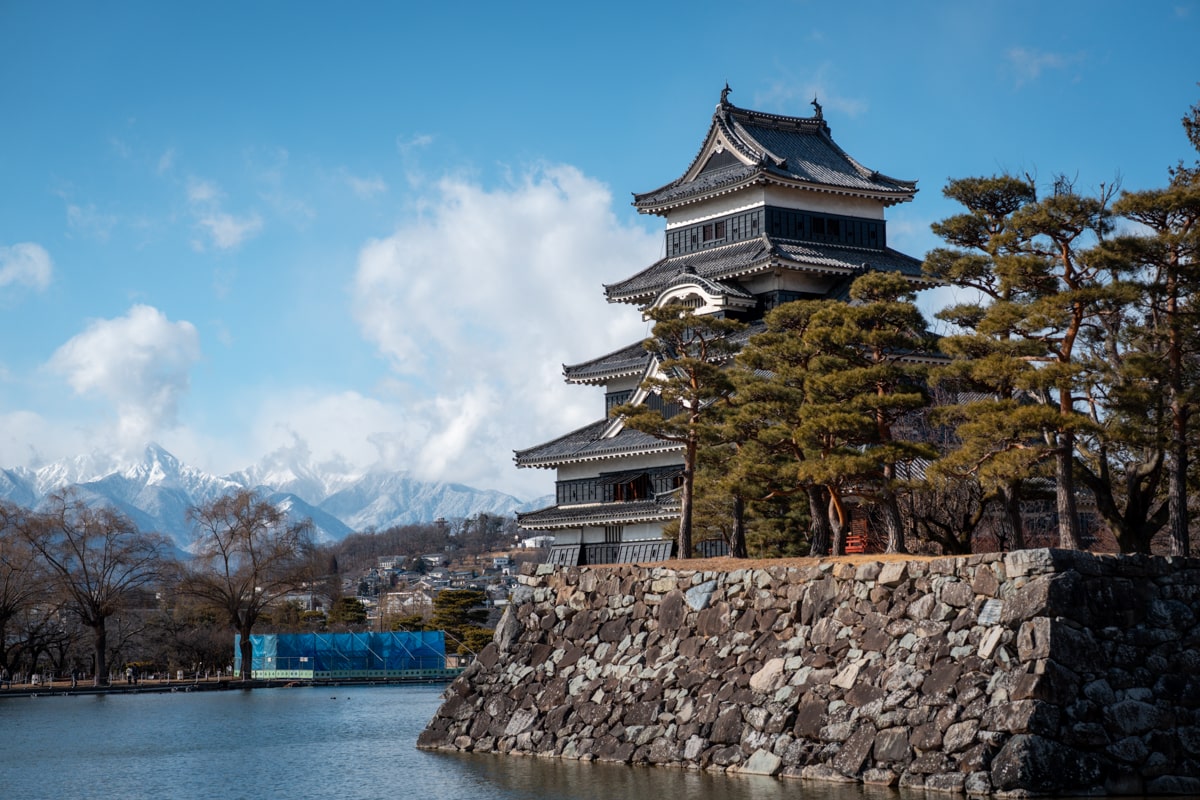
We went on a guided walking tour, and I highly recommend spending the extra cost to do so and discover more about not just the castle, but also the town and Japanese history and culture. 🏯
However, if you prefer to DIY it, the castle was constructed in 1594 and earned its nickname, “Crow Castle,” due to its striking black exterior. It is considered a National Treasure for its historical significance (source: Visit Matsumoto).
The real reason you should visit, though, is because Matsumoto Castle is one of only twelve original castles left in Japan, and one of the few where you can still climb inside the wooden keep. (It also has a hidden sixth floor!)
I often think about how rare it is to get to see inside these places that have existed for centuries and were once exclusive to only a select few.
It’s truly impressive to experience an authentic Japanese castle like this (far superior in experience to touring Osaka Castle, which feels more like a reconstructed museum).
When we visited in early February, there were few crowds, and we enjoyed a beautiful, sunny day—perfect for strolling the castle grounds with our guide and peering out the castle’s window holes.
Want to combine two tours in one? Now, Matsumoto Experience offers this unique castle walking tour + samurai experience! 🗡️
Note: The stairs to climb inside the five-tiered tower are STEEP! You’ll also need to remove your shoes upon entry, so take a pair of socks, as the wooden floors are quite cold (in winter).
2. Visit Matsumoto’s Art & Culture Museums
From the largest private collection of Japanese woodblock prints (Ukiyo-e Museum) to Matsumoto’s samurai history and the art and home of the famed Japanese artist Yayoi Kusama, Matsumoto glimmers with art and creativity.
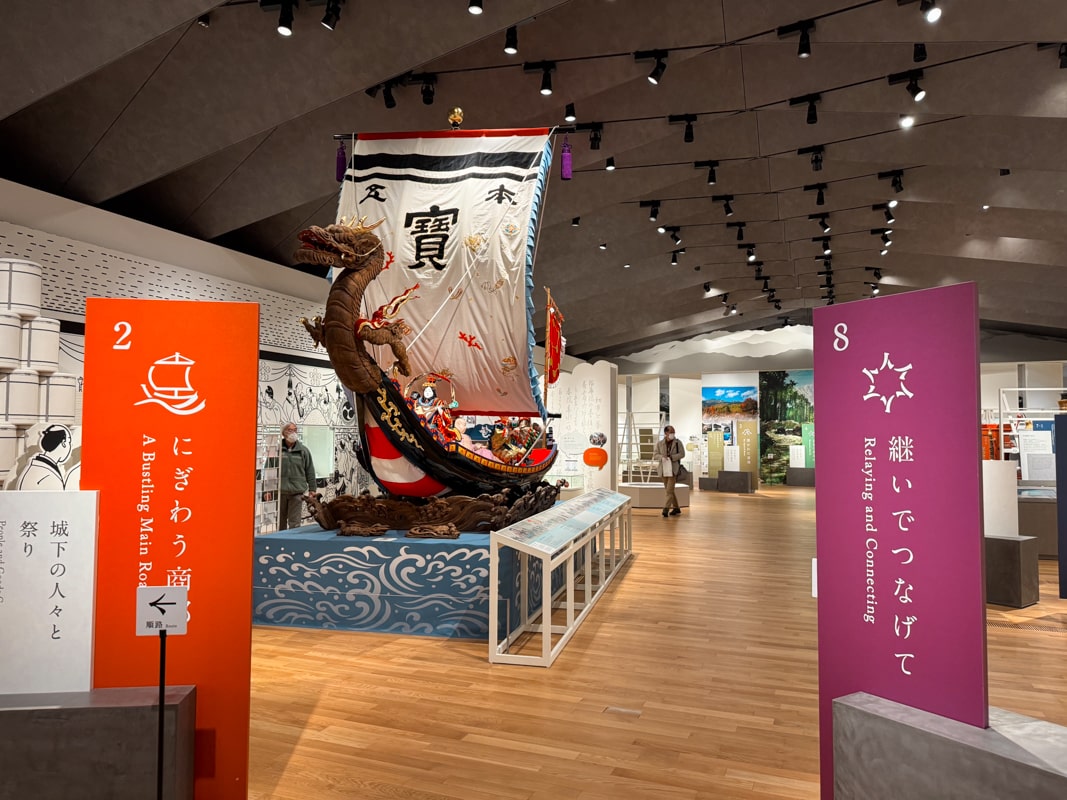
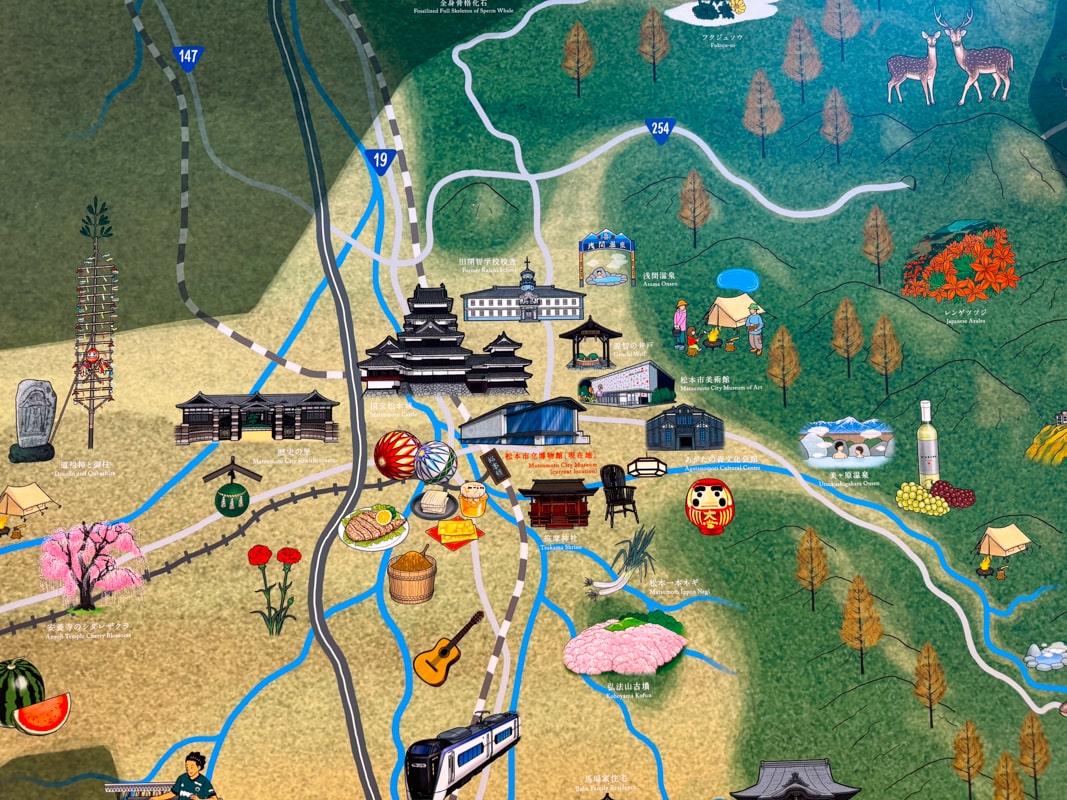
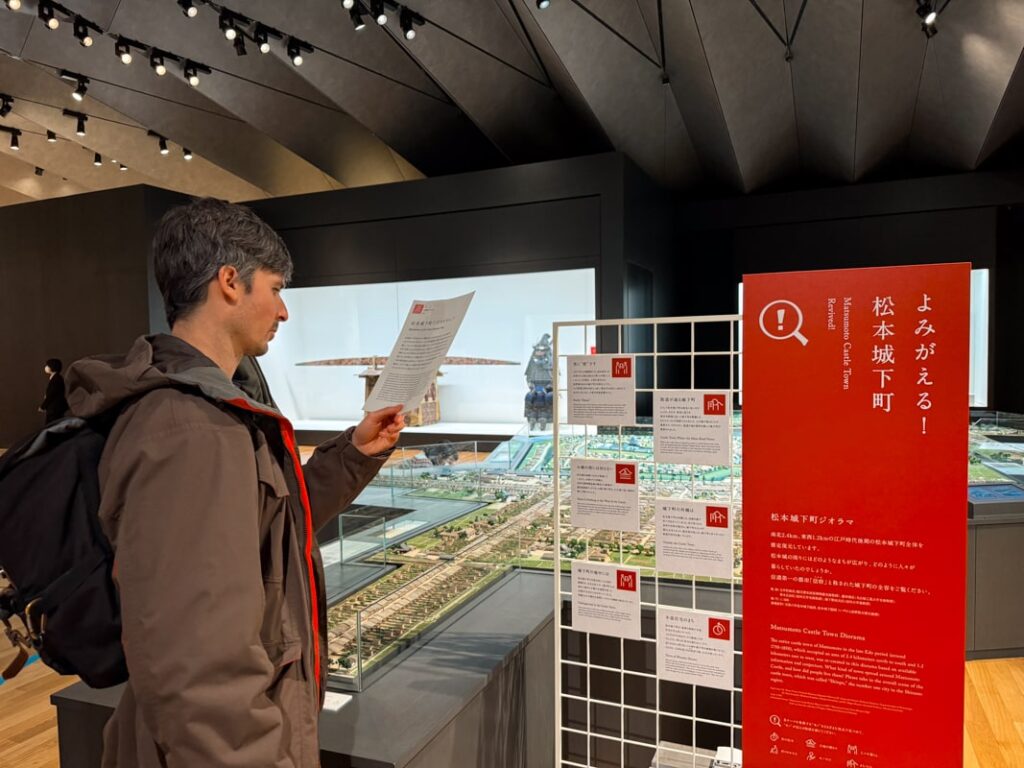
While you’d need a car or bus to visit some, the 3-floored Matsumoto City Museum is conveniently located in the heart of the city and is easily accessible on foot.
While the second floor features temporary exhibits, the third floor houses the permanent exhibition, which traces Matsumoto’s evolution as a castle town—from the Edo period through Meiji modernization to the present day—alongside displays on local culture, traditional crafts, and the surrounding mountains.
To make the most of your first day in Matsumoto, I’d suggest visiting the castle first, then taking a break with an oyaki dumpling or hot soba bowl at Cohiludo Café (located down the same street) before stepping inside the City Museum. Tickets cost ¥500.
3. Soak in a Traditional Japanese Onsen
As we were visiting Matsumoto in winter, we HAD to go warm up in a natural hot spring (onsen).

Luckily, Matsumoto has around a dozen hot springs nestled in the Matsumoto Basin, which sits at the foothills of volcanic mountains. In the City Museum, you can learn more about what makes Matsumoto the “Onsen Kingdom.”
Even if you are staying overnight in a ryokan with a private, on-site bath, I highly recommend visiting the following public onsens, as the experience is even more authentic.
There are a few “onsen towns” scattered around the Matsumoto Basin, but we opted for one that had both history and proximity, which led us to Asama Onsen for the day.
- Asama Onsen ♨️
It’s said that Asama Onsen (also known as Hot Plaza Asama) has been welcoming bathers for over 1,300 years! It is a “super public bath,” so expect vending machines, lounge rooms, and multiple baths to soak in. - Utsukushigahara Onsen ♨️
This area is quieter and more local-feeling than Asama, with rotenburo (open-air baths) with mountain views. - Shirahone Onsen ♨️
A bit farther out (about 1 hour’s drive from Matsumoto), but worth the trip if you want to dip in milky-white waters rich in minerals, said to promote longevity.
As a reminder, please follow proper onsen etiquette! (No clothes, take/rent a mini towel, wash thoroughly before entering baths…)

4. Tour a 150-Year-Old Ishii Miso Brewery
Among the food specialties in Matsumoto and Nagano to try is this: miso. And what better way to try it than in a traditional 150-year-old miso brewery?
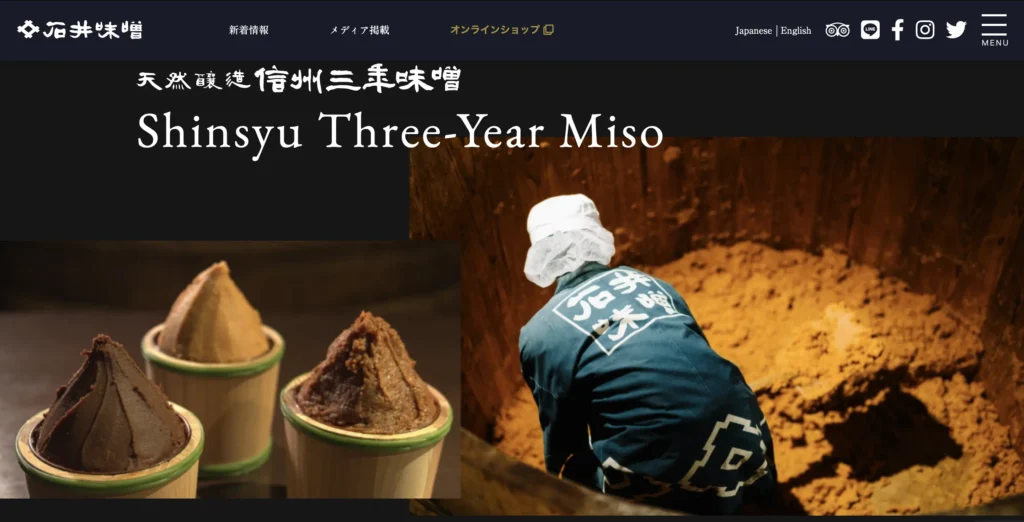
(That’s not your ordinary type of brewery!)
For an unforgettable thing to do in Matsumoto, head to the Ishii Miso Brewery, a family-run business that has been producing miso the traditional way since 1868.
Unlike mass-produced miso, Ishii still ages its paste in massive cedar barrels for three full years, using only soybeans, fermented rice, and mountain spring water.
Show up in person and you can take a short tour (free, in English at 11:00 am and 1:30 pm), where you’ll learn about the centuries-old craft of miso-making and see the giant vats up close.
The experience ends with a tasting, where you can compare miso at different stages of aging (white, brown, and red miso).
🌟 For a more comprehensive experience, consider taking this guided brewery tour. It includes the tour, lunch, and a few gifts (500g of 3-year miso, an original t-shirt, and a traditional Japanese apron).
Another alternative tour option that includes the brewery is to combine it with other Matsumoto activities to create a full-day sightseeing experience.
Of course, the best part is sitting down to try a warm bowl of miso soup made right on site. The brewery also features a small restaurant where you can order dishes featuring their miso, but you’ll need to reserve in advance.
If you want to eat and do the tour, I recommend combining the two with this experience to get the best value.
If you have just one day to spare in Matsumoto, consider combining this tour with other classic Matsumoto experiences. Check out the fully loaded Matsumoto Everything Tour: Castle, Miso, Wasabi, Wine & Ukiyo-e.
5. Stroll Nakamachi & Nawate, Edo-era Streets
Matsumoto’s city center is the perfect place for a stroll! There are two pedestrian-friendly streets to walk down for shopping and taking in the Edo-era atmosphere.
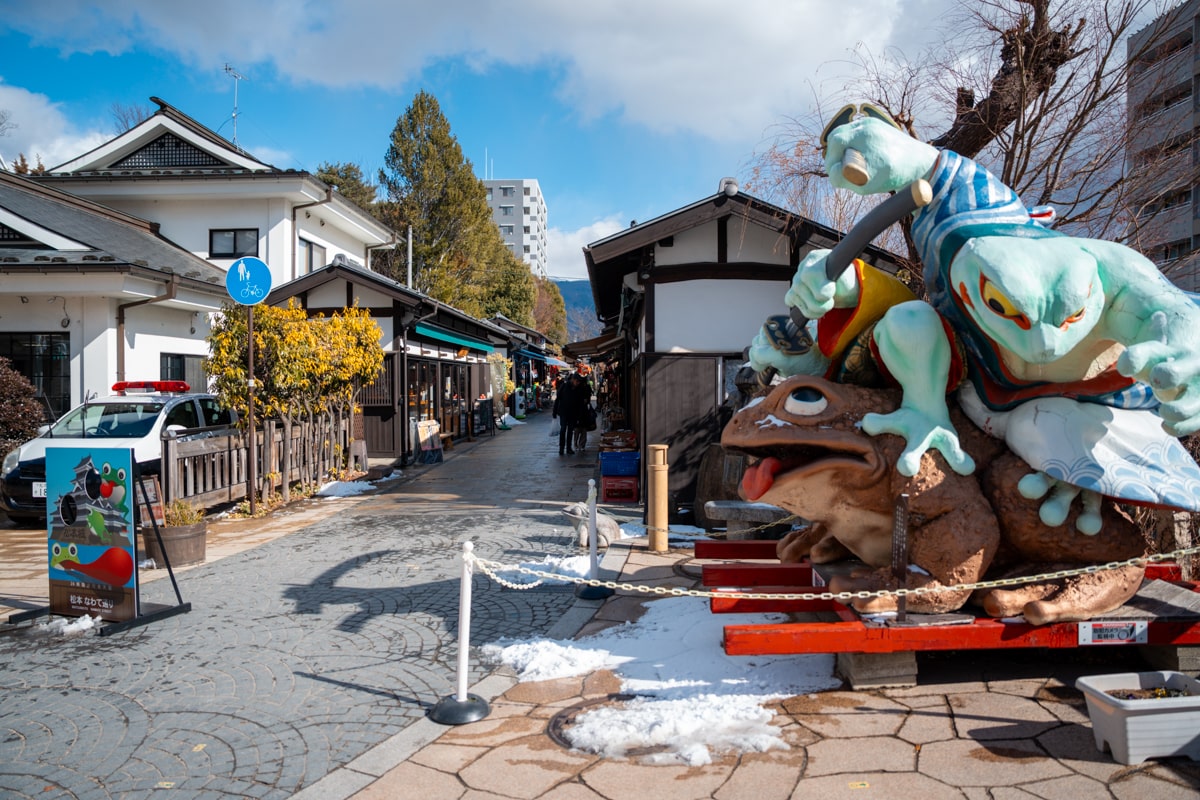
The first, Nakamachi Street, is renowned for its traditional kura storehouses, which are white and feature a unique criss-cross design. Nowadays, you’ll find many of these storehouses being converted into trendy cafes like Alps Coffee Lab, but you’ll also find an array of handicrafts, from ceramics to lacquerware.
The second, more well-known street is Nawate Street, nicknamed “Frog Street” (as indicated by the giant frog statues). You’ll find it just across the Metoba River. Nawate Street feels more charming as there are no cars allowed.
There are lots of little shops selling endearing crafts or collectibles, and if you go further down, you’ll pass by the Yohashira-jinja Shrine.
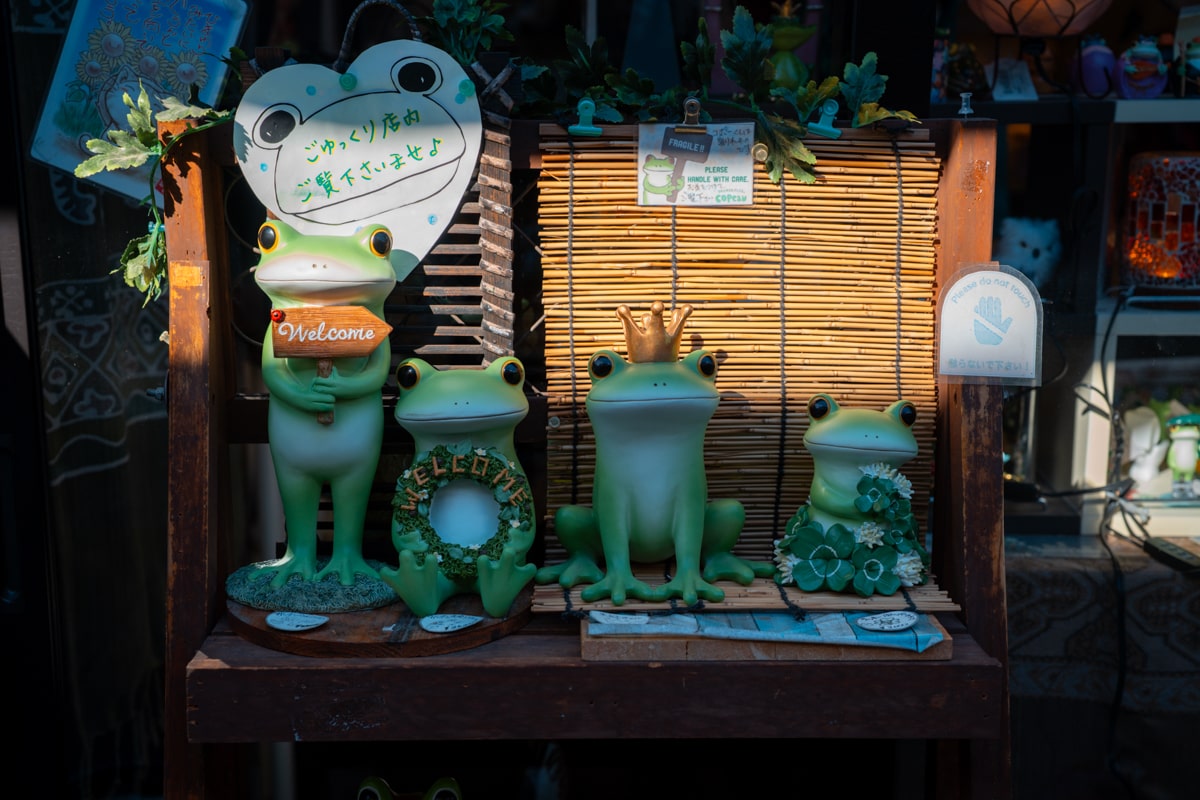
Down further lies even more shops, and a cafe with a very outdoorsy, almost country-style cafe called Storyhouse Cafe & Bar. We came here for a quick lunch and returned later in the evening for a live music jam session!
6. Get Out in Matsumoto’s Pristine Nature
Matsumoto’s location at the foothills of the Japanese Alps makes it a perfect base for exploring the outdoors.
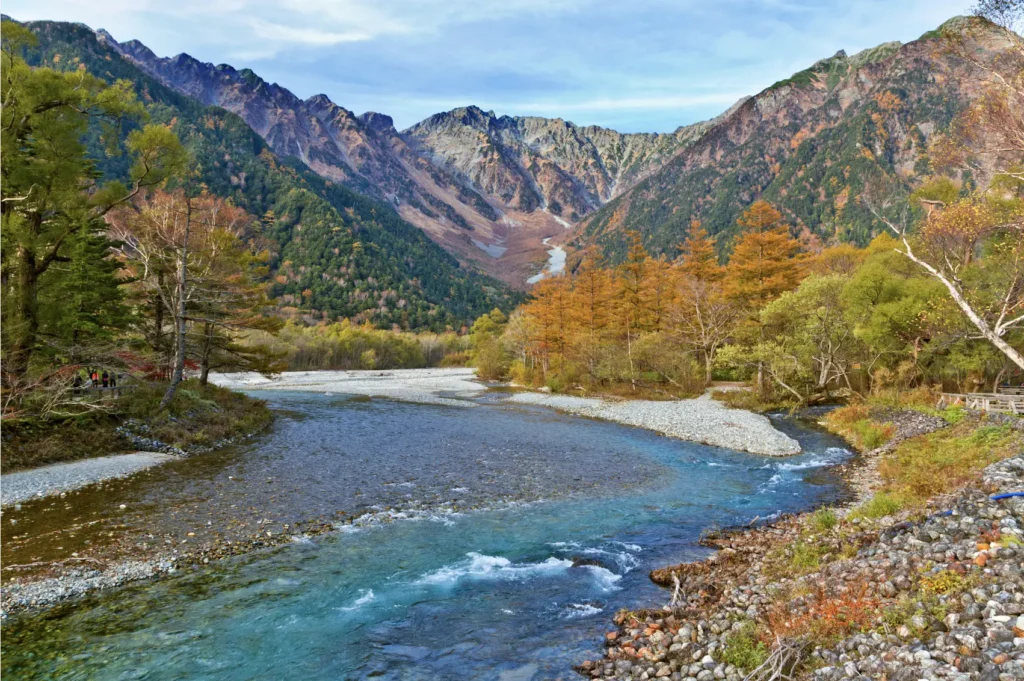
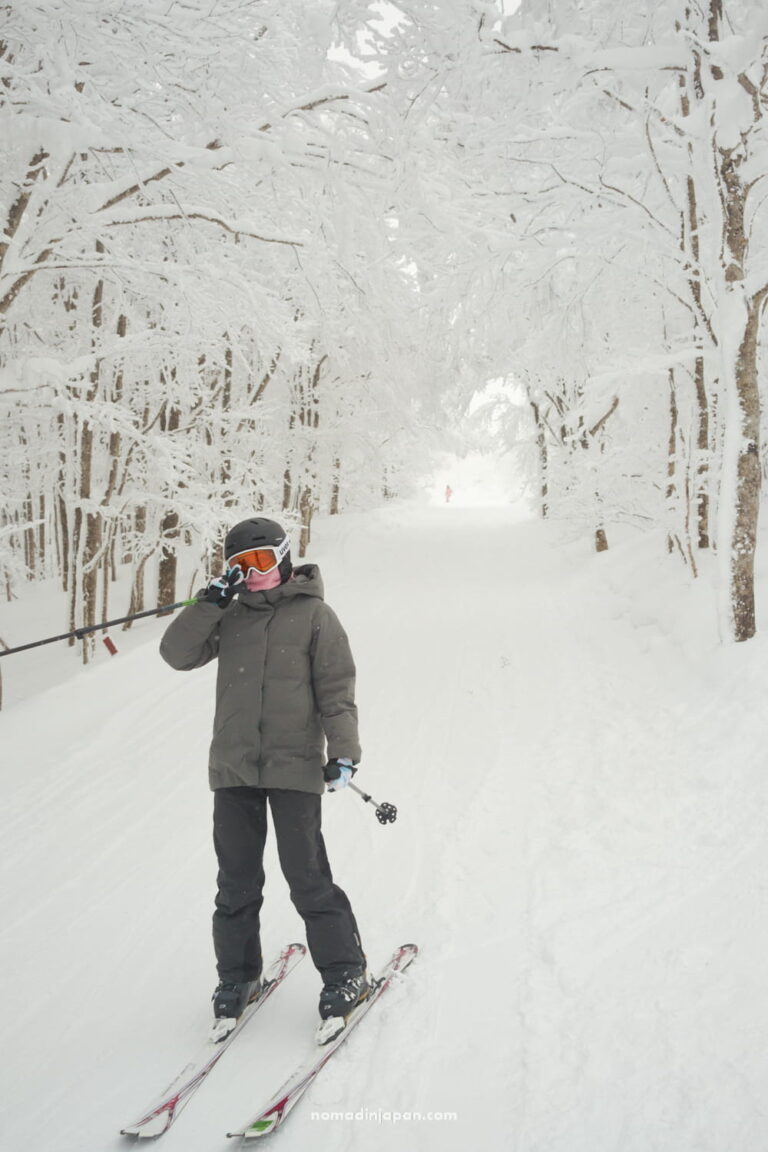
While we were there in winter, we went skiing in nearby Shiga Kogen and Nozawa Onsen town, but in summer, Matsumoto is better suited for hiking in the Kamikōchi Valley.
- Kamikōchi: Just 1.5 hours from town and popular as a day trip tour from Nagano, this alpine valley is one of Japan’s best nature escapes. Clear blue rivers and dramatic mountain backdrops make it ideal for day hikes!
- Utsukushigahara Highlands: The beautiful highlands around Matsumoto are accessible in just 1 hour from the town. This area is rich in hiking trails and is home to the Utsukushigahara Open-Air Museum, where sculptures are scattered across the hills.
- Norikura Kōgen: Mt. Norikura and the surrounding Norikura area are home to waterfalls, alpine flowers, and onsens. With Matsumoto just 1 hour away, it makes for an easy day trip from Matsumoto. You can even complete the hike up to Mt. Norikura (3026m) in 3 hours!
Even if you only have just a day or two to spare, these side quests show why Matsumoto is considered the gateway to the Alps.
7. Look Out For a Matsumoto Festival
If your visit to Matsumoto happens to be in spring or summer, chances are you’ll be right on time for festival season.

- Matsumoto Bon Bon (August): The city’s biggest summer festival! Dancers fill the streets to perform the Bon dance in colorful yukata. Bon Odori dances are my favorite.
- Seiji Ozawa Matsumoto Festival (late August–September): An international classical music festival founded by conductor Seiji Ozawa. Performances are held throughout the city, showcasing Matsumoto’s artistic and musical scene.
- Cherry Blossom Festival (April): If Tokyo and Kyoto feel stuffy during hanami (cherry blossom festival), then Matsumoto is the perfect escape. Matsumoto Castle’s grounds come alive with pink blossoms, food stalls, and evening illuminations. It’s one of the most picture-perfect times to visit the castle.
And finally…
8. Taste More of Matsumoto’s Food
Beyond miso, Matsumoto and the larger Nagano Prefecture are famous for their hearty, mountain-inspired regional cuisine.

Other than miso and oyaki, you should also try:
- Shinshu soba: Buckwheat noodles, served cold with dipping sauce (zaru soba). Nagano’s soba is said to be the best in Japan, and I agree! Matsumoto even hosts the Shinshu Matsumoto Soba Festival.
- Shinshu/Azumino apples: Crisp, sweet, and everywhere in the fall, especially, you’ll find them in desserts, cider, and juice! 🍎
- Basashi (horse sashimi) is also considered a Nagano delicacy, but I couldn’t tell you, as I haven’t tried it. (Best for adventurous eaters.)
- Local sake: Of course, seeing as it’s brewed with pure mountain water, Matsumoto’s sake breweries (in addition to its miso brewery) are worth a visit for tastings.
Food in Matsumoto feels earthy and rooty. My favorite discovery is the oyaki, a steamed buckwheat dumpling filled with all sorts of delicious ingredients. We tried curry oyaki, cheese and potato, meat, and more!
Even More Experiences to Have in Matsumoto…
I wish I could whisk myself back to Matsumoto, each season, because there’s so much to uncover in this adorable little mountain town. Truly.
As digital nomads, Paul and I stayed for around ten days in the town, working from cute coffee shops and exploring the local cuisine, which ranged from tsukumen ramen to tonkatsu and Japanese hamburger steaks.
If you are starting out planning your trip, I recommend booking accommodation close to the Metoba River, where you’ll be able to walk to the best restaurants and attractions on foot (or by bicycle).
We stayed at the Popotel3 shared house just on the edge of town and had a wonderful stay. Even though it was winter, biking every day around the city was exciting and a breath of fresh air from public transport in Tokyo.
In winter, Matsumoto gets cozy, but I’d love to visit in summer when the Kamikochi Valley is open and accessible for day hikes. There’s also a nearby wasabi farm that’s on our bucket list for a future trip…
I suppose we’ll have to go back and explore even more things to do around Matsumoto next year!
Do you have any questions about visiting Matsumoto and what to do there, whether solo or with your family? Ask away in the comments!