Nagano in Winter: Magical Things to Do in Japan’s Snowy Alps
While Tokyo and Japan’s cities can be magical under fresh snowfall, there’s nowhere like Nagano for a proper winter destination for skiing/snowboarding, onsens, and more.

From skiing Japan’s snowiest slopes to visiting traditional onsen towns to visiting the “snow” macaque monkeys, there are many things to do in Nagano in winter!
We spent one month in Nagano this past winter (and already planning our next!), and loved everything—the regional food like oyaki dumplings and zaru soba; the temples, the ski resorts, the cute mountain towns steaming with natural hot spring sources.
Being only a 2-hour train ride from Tokyo, Japan’s Alps are very accessible and worthwhile in winter. Best of all, there’s room to explore here without the crowds.
Much of Nagano’s diversity, including its mountains and historic villages, remains under the radar for most tourists!
If you’re on the fence about planning a winter trip to Nagano, read more below! Here’s why I believe Nagano is Japan’s best winter destination.


Why You Should Visit Nagano in Winter
Ask any Japanese person about their favorite places to visit outside of Tokyo, and you’ll almost always be answered with Nagano.
While Nagano in summer boasts beautiful hiking trails, cool rivers, and Kamikochi Valley, it transforms into a real-life winter wonderland in the winter, with hot spring villages and powdery snow (aka “Japow!”).
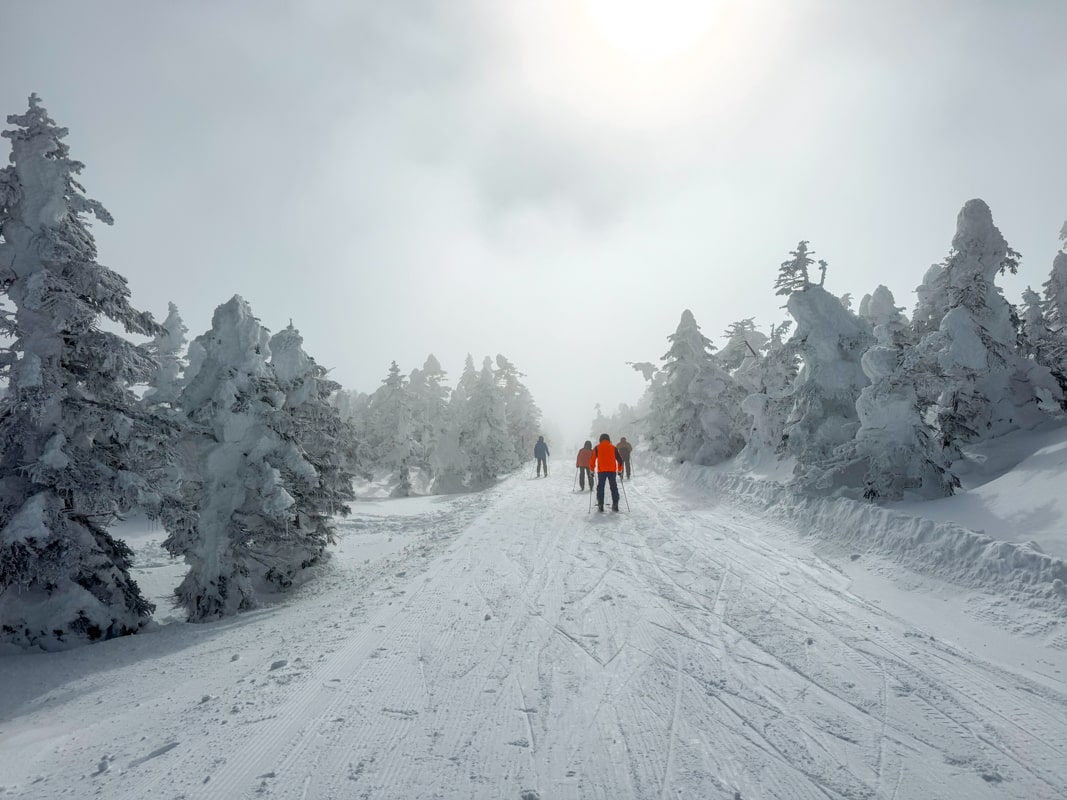
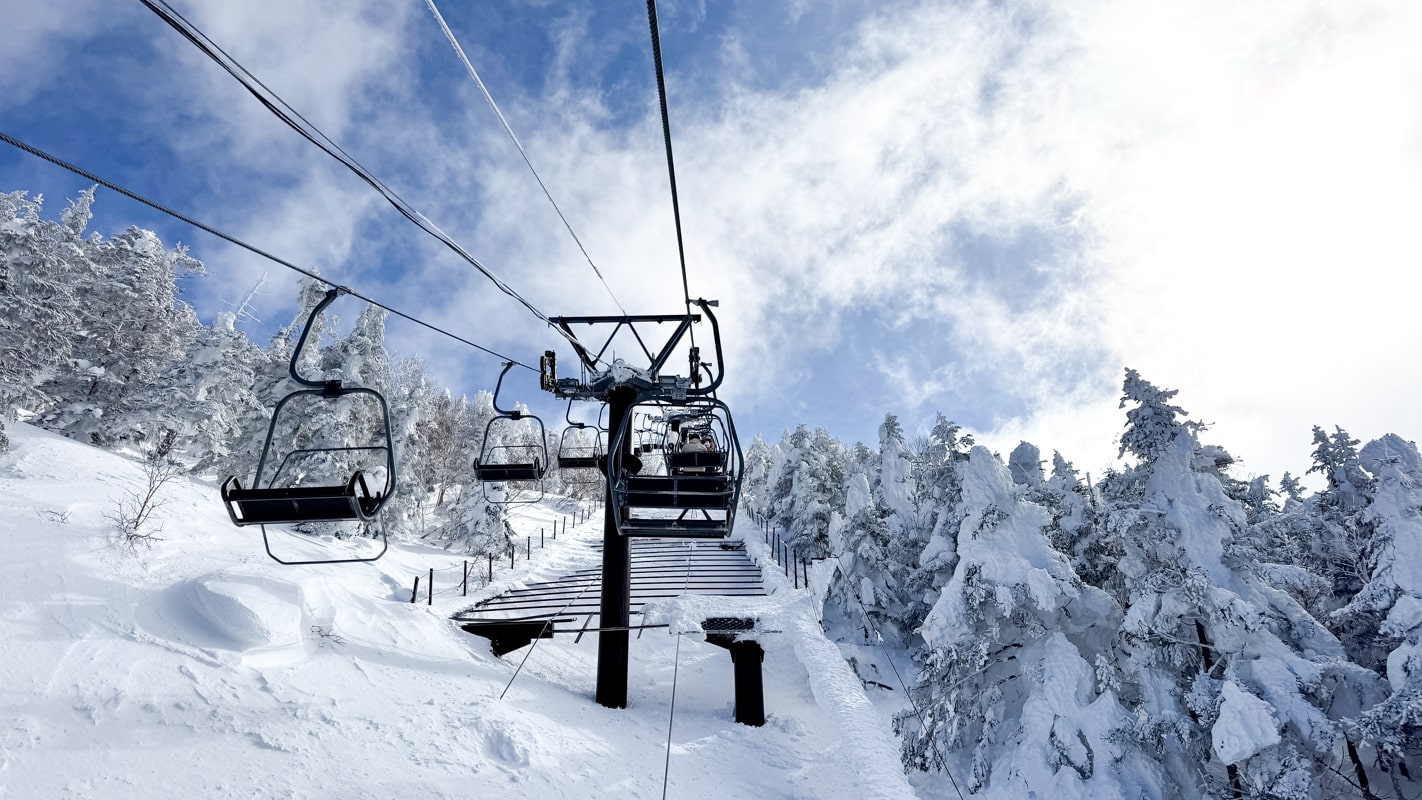
As such, Nagano is home to dozens of premier ski resorts, considered some of Japan’s best. (I mean, it was picked for the 1998 Winter Olympics, after all!)
But there’s more to Nagano than the slopes, of course.
Beyond the reaches of the ski resorts are quiet valleys, onsen towns with steaming natural hot springs, dense cedar forests, and spiritual temples popular for pilgrims, and even the world-renowned macaques—the snow monkeys of Nagano who famously partake in onsen culture at Jigokudani Yaen-Koen park.
Here, you don’t have to choose: you can enjoy both outdoor adventures and cultural and historical experiences. The best of both worlds!

The best time to visit Nagano in winter is between December and March when the snow is frequent, fluffy, and temperatures average -5 °C to 5°C (23°F to 41°F). Being only 1.5 hours from Tokyo by the Hokuriku Shinkansen, Nagano makes for an easy weekend escape from the capital.
Expect heavy snowfall, especially around Hakuba Valley, Nozawa Onsen, and Shiga Kogen ski area! (When we skied in Nozawa earlier this year, we had record-breaking snowfall.) ❄️
Best Places to Visit (& Stay) in Nagano in Winter
Even though Nagano is easily accessible from Tokyo, don’t get me wrong: it is quite spread out, and really going deep into the prefecture will require multiple train or bus transfers.
That said, Nagano City itself acts as the best “hub” for visiting around Nagano.
However, depending on what you want to do, you should plan to base yourself in a smaller town or near a ski resort.
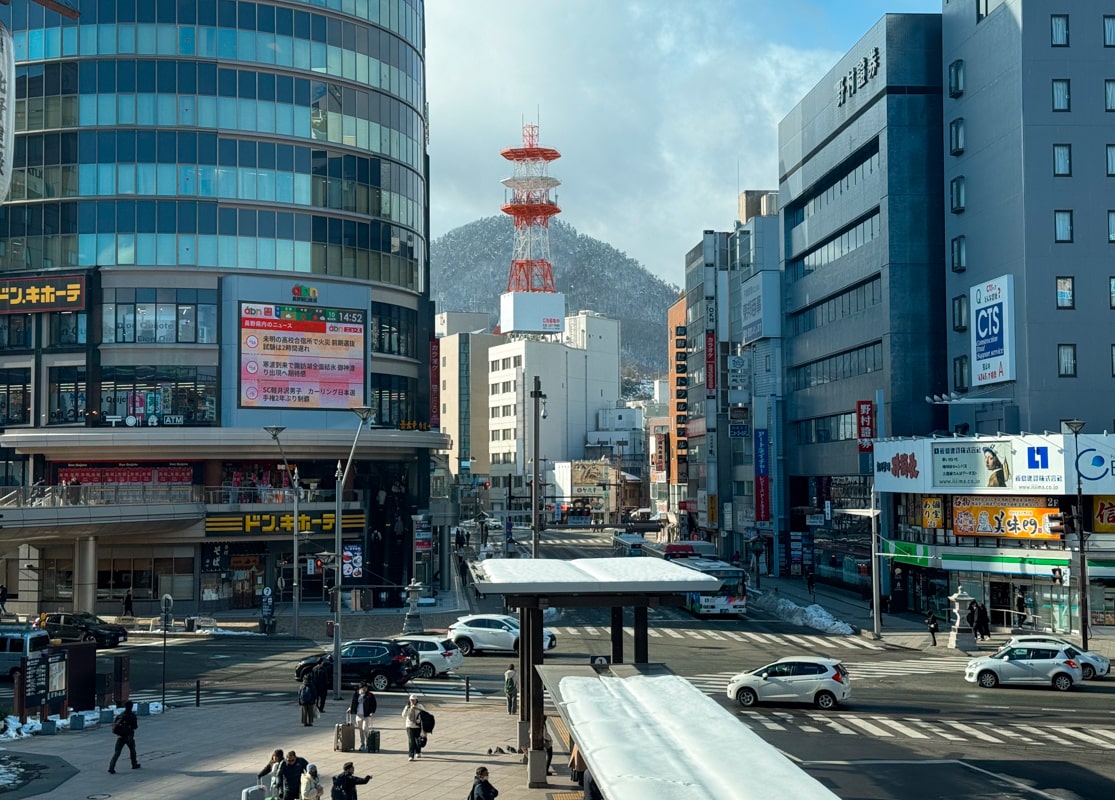

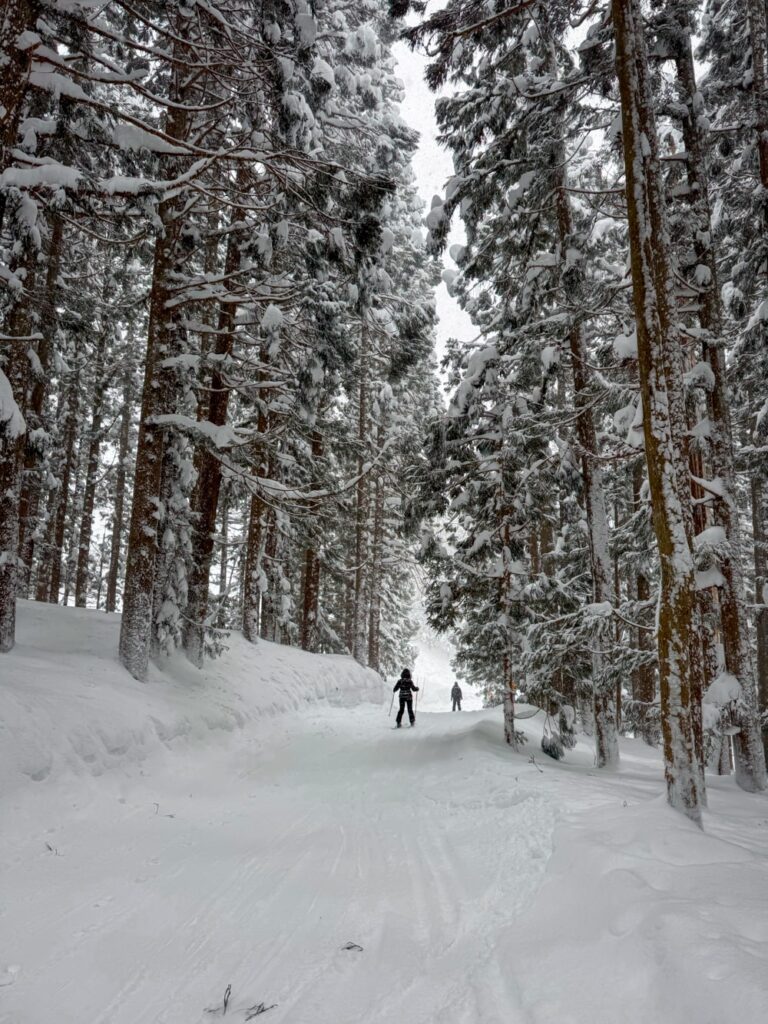
If you’re coming to ski or snowboard in Nagano, I’d recommend planning for at least 3-4 days, or better yet, a week, to split between two major ski areas (Hakuba Happo-one or Nozawa and Shiga).
Here are the best areas to stay in Nagano in winter and what to do there! ⛄️
Nagano City


Again, Nagano City is the best choice for convenience. We stayed in the city as nomads for a week and found it a bit too big for our needs.
While convenient for day trips and train connections, it lacks the charm of a mountain town like Matsumoto.
However, Nagano City is still a good choice as a pre- or post-departure point.
Definitely take time out of your itinerary to visit Zenko-ji Temple, considered one of the earliest and only remaining pilgrimage Buddhist sites in Japan. It houses one of the earliest Buddhist statues, the Buddha of “immeasurable light and life” (source).
STAY IN THE CITY 🏙️
Jizokan Matsuya: Quaint ryokan option near Zenkoji Temple!
Dormy Inn Nagano: Convenient hotel-style accommodation beside the JR Station.
Shiga Kogen / Shibu Onsen
Skiing in Shiga Kogen was a highlight of my trip to Nagano this past winter!

I had so much fun skiing here that I wish I could replicate my exact experience each season.
With 18 interconnected ski areas, it is a “local but large” ski resort area, equipped with multiple ski-in/ski-out hotels, 80km of slopes and trails, and all being within easy access to the snow monkeys and nearby onsen towns like Shibu Onsen and Yudanaka Onsen.
From Nagano City, you need to take an extra train or direct bus transfer to Yudanaka Station or directly to Snow Monkey Park, but it’s well worth it.
🎿 For an accessible ski vacation with day trips available, consider basing yourself between Yudanaka –> Shiga Kogen. Not only can you go skiing, but you can also visit the snow monkeys at Jigokudani, and as a guest at the ryokans in Shibu, take part in the onsen “stamp” pilgrimage.

STAY FOR SKI & SNOW MONKEYS 🐒
Kokuya Ryokan/Hotel: Located in the heart of Shibu Onsen town with Japanese-style rooms and open-air baths.
Prince Hotel: One of the top ski-in, ski-out resorts in the Shiga Kogen ski area.
Nozawa Onsen

Nozawa Onsen is renowned for its smaller, more intimate yet well-connected ski resort and town. However, it’s a bit further to reach, as it’s nestled in the northeastern part of Nagano Prefecture.
The main attraction, besides the slopes, is its dozen hot public bathhouses where you can soak in for free (but, seriously, be careful; some are scalding hot —I couldn’t even put my whole body in!).
The downside (in my opinion) of Nozawa Onsen is its very pronounced international/Australian/expat influence, but, admittedly, that also draws in a lot more après-ski culture with lively bars, coffee spots, and shops.
We enjoyed our time skiing in Nozawa (despite getting food poisoning from a Mexican restaurant), where the variety of trails and slopes was fun and different from Shiga Kogen.
Expect crowds, tons of tourists, and predominantly English speakers!
STAY IN NOZAWA ♨️
Ryokan Sakaya: A long-standing Japanese ryokan in the center of town with tatami rooms, onsen baths, and kaiseki meals.
Tanuki Nozawa: More boutique-apart hotel style lodging with ensuite rooms and apartments with a cozy cafe-bar in the heart of the village.
Matsumoto
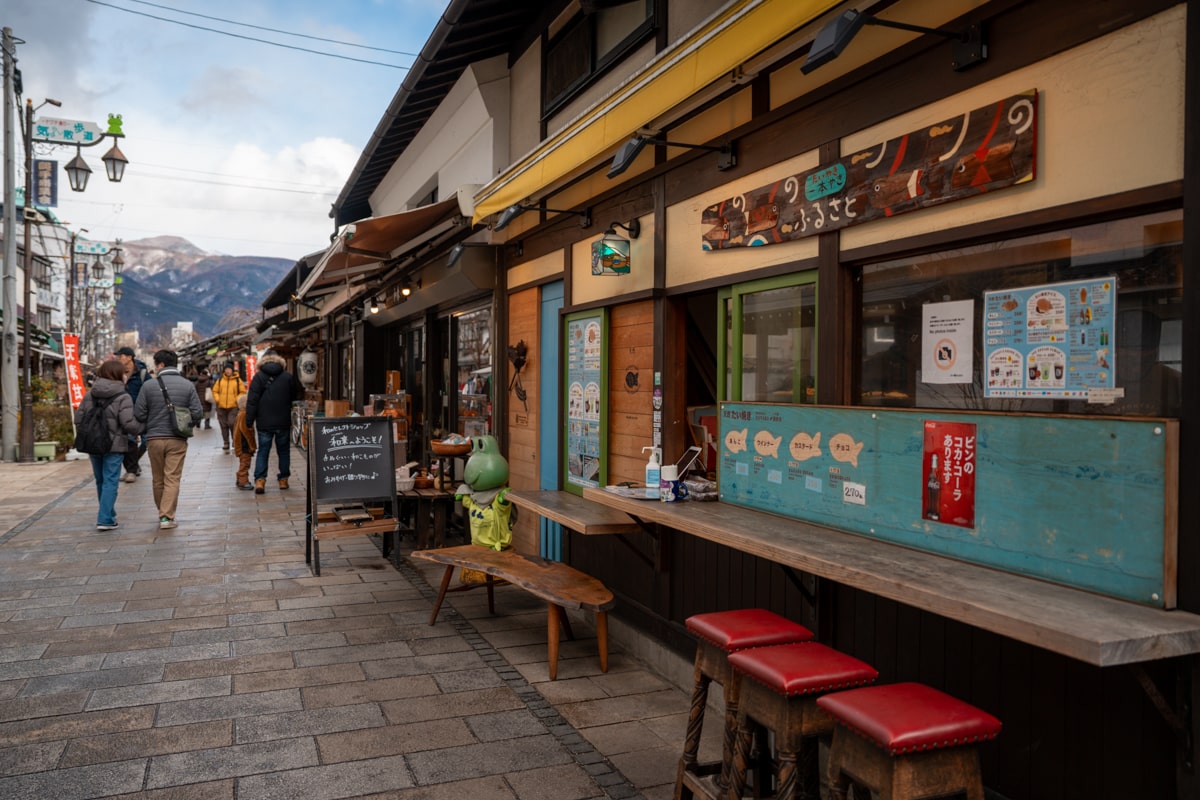
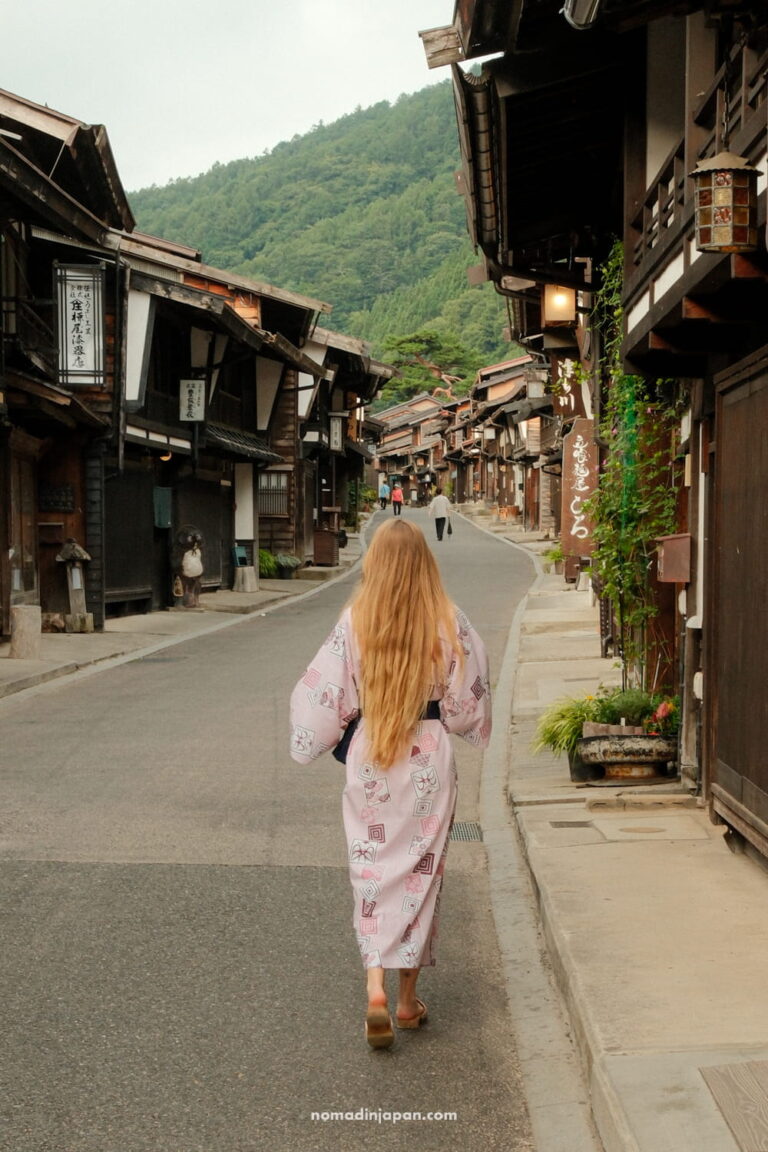
Matsumoto is where we stayed in Nagano during winter for about two weeks—and we loved exploring every corner of this historic castle town.
Nomads or travelers preferring a slower, local experience of Nagano beyond the ski resorts and capital city will love Matsumoto.
In summer, Matsumoto acts as the gateway to the Kamikochi Valley, but in winter, it is a great hub for day trips to nearby onsen towns and as a base before heading to Hakuba for ski.
There are many things to do in Matsumoto to occupy your winter itinerary, from cozy sake and miso breweries to wasabi farms, onsens, art museums, and more.
From Tokyo, you can go to Matsumoto via the shinkansen to Nagano and quickly transferring onto another local train.
Alternatively, you might check out Ueda City and its nearby onsen towns of Bessho and Karuizawa for even more off-beat stays, onsen towns, and things to do in Nagano’s wintertime.
STAY NEARBY MATSUMOTO CASTLE 🏯
Hotel Kagetsu: Historic 1887 boutique hotel in town with unique design inspired by the Nagano region and Japanese Alps.
Ryokan Seifuso: Beautiful, traditional ryokan with tatami rooms, home-cooked meals, and friendly hosts. Can’t go wrong with that!
–> Read more places to stay in Matsumoto here.
Hakuba Valley

Similar to Nozawa, Hakuba is an international ski resort town, but this time located on the western edges of Nagano Prefecture. It’s a popular place to visit in both summer and winter.
If you’ve ever researched skiing in Japan, Hakuba Valley (or just Hakuba) has likely popped up!
It’s one of the best-known destinations for first-time skiers and snowboarders in Japan, with 10+ connected resorts under one pass. Not as big as Shiga Kogen, but more inclusive and diverse in terms of available amenities, après-ski bars, and accommodation.
Since Nagano is the heart of Japan’s Alps, it has some of the best ski resorts you can find. For a quieter Hakuba-like ski experience, consider Myoko Kogen.
STAY & SKI IN HAKUBA 🎿
Montblanc Hakuba: Cozy alpine-style inn near Happo-One with comfortable rooms and easy access to ski lifts and bus stops!
Highland Hotel: Boutique-style hotel overlooking the valley with mountain views AND open-air onsen baths.
Things to Do in Nagano Beyond Skiing
Snow Monkeys of Jigokudani

No winter trip to Nagano is complete without a visit to the Jigokudani Snow Monkey Park, where Japanese macaques famously bathe in hot springs!
While you can visit them year-round, winter is undoubtedly the best time to see them.
The Jigokudani Yaen-Koen park sits deep in the forest beyond Yudanaka and Shibu Onsen towns. From the trailhead in Kanbayashi Onsen, it’s about a 20-30-minute walk along a snow-covered forest trail.
Based on our experience, the best time to go is in the morning when the monkeys gather to warm up in the springs.
Since we stayed in a hotel near Jigokudani, we were able to go during this time, and I would definitely recommend a ryokan in nearby Shibu Onsen. Remember to respect these wild animals—please, no feeding or touching!
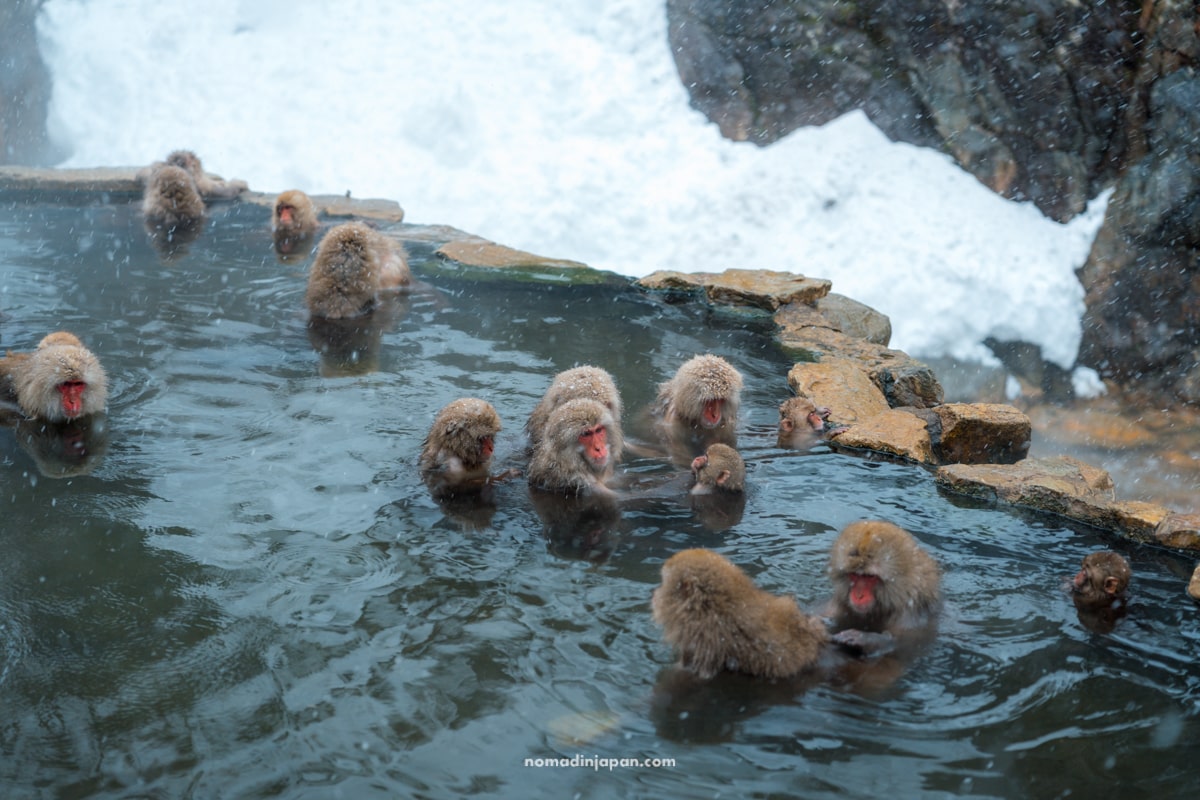
The best areas to stay closest to the snow monkey park are:
- Kanbayashi Onsen (town) — Nearest to the snow monkey park! A 15–20 minute walk along a forest trail from your ryokan or hotel.
- Shibu Onsen & Yudanaka Onsen (towns) — Just a 10-minute shuttle ride away, or a 40-minute walk.
- Shiga Kogen Ski Area — Hotels within the ski area offer buses that stop at the Snow Monkey Park bus stop near Kanbayashi Onsen.
- Obuse — An endearing “chestnut” village located halfway between Nagano City and Yudanaka.
- Nagano City — The most ideal city base with easy bus transfer to Jigokudani.

Read more: How to Visit the Snow Monkeys
Soak in an Onsen Town
After a day in the snow, there’s nothing better than that first “ahhhh” from stepping into a steaming onsen.

Nagano’s hot spring culture is a must-try, and winter is the perfect season to experience it!
Onsen towns are aplenty across Nagano. I’ve mentioned a few already in this post.
- Bessho Onsen, located near Ueda City, has many beautiful open-air baths and temples to visit. It’s said this is where you’ll find some of Nagano’s oldest and prettiest Showa-period onsen baths.
- Shibu Onsen (& Yudanaka Onsen): Shibu is popular for its 9 historic bathhouses, which are only accessible with a key (given to guests at inns like Koishiya). Couples staying at the ryokan will often bath-hop and collect stamps as part of a good luck rite of passage!
- Nozawa has a dozen communal baths that are free and open to the public. Expect hot water and more crowds!
- Shirahone Onsen, closer to the castle town of Matsumoto, is renowned for its milky blue open-air baths.
Matsumoto Castle
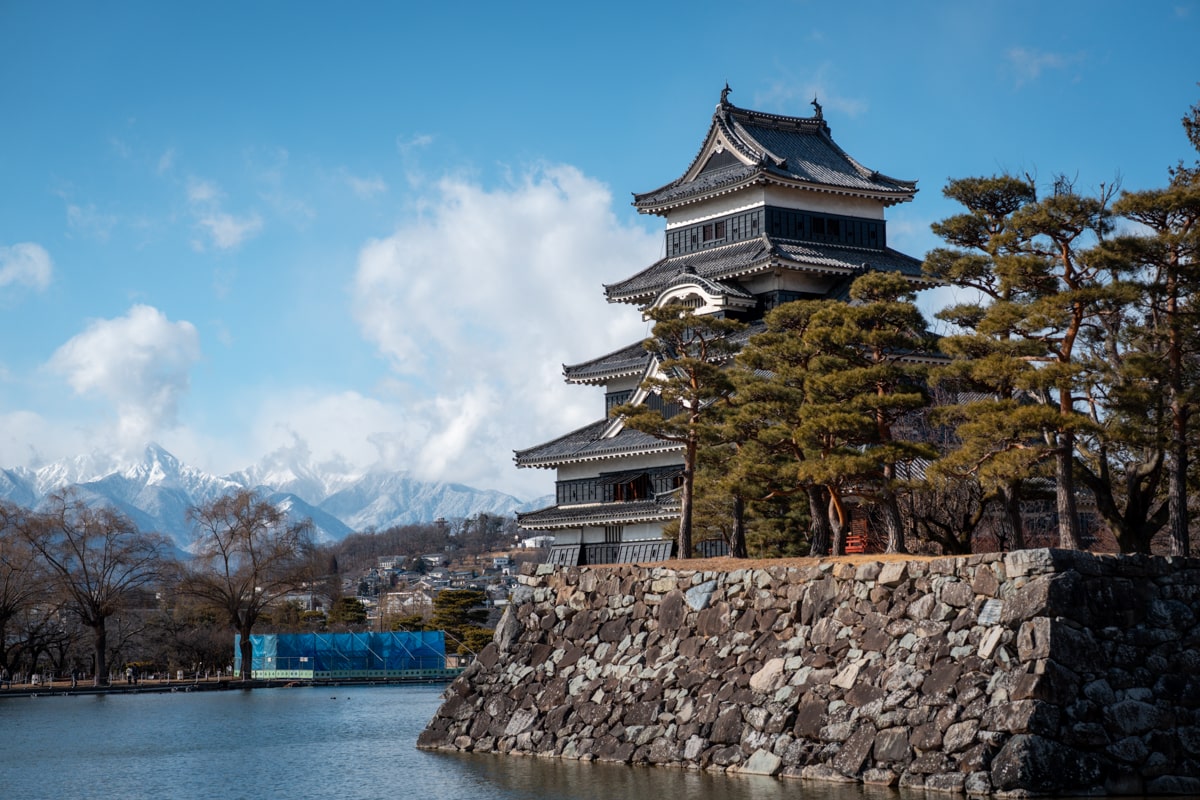
Matsumoto is a highly underrated place to visit and stay in Nagano, and so far, one of my favorites.
As one of Japan’s few remaining original castles, Matsumoto Castle is a must-visit when in Nagano during any season. In winter, visiting inside the castle can be a bit cold, so pack extra fluffy socks!
Togakushi Shrine
Whether you’re seeking a sacred site or simply a non-ski activity in Nagano during winter, check out Togakushi Shrine (but be prepared to be with other tourists).
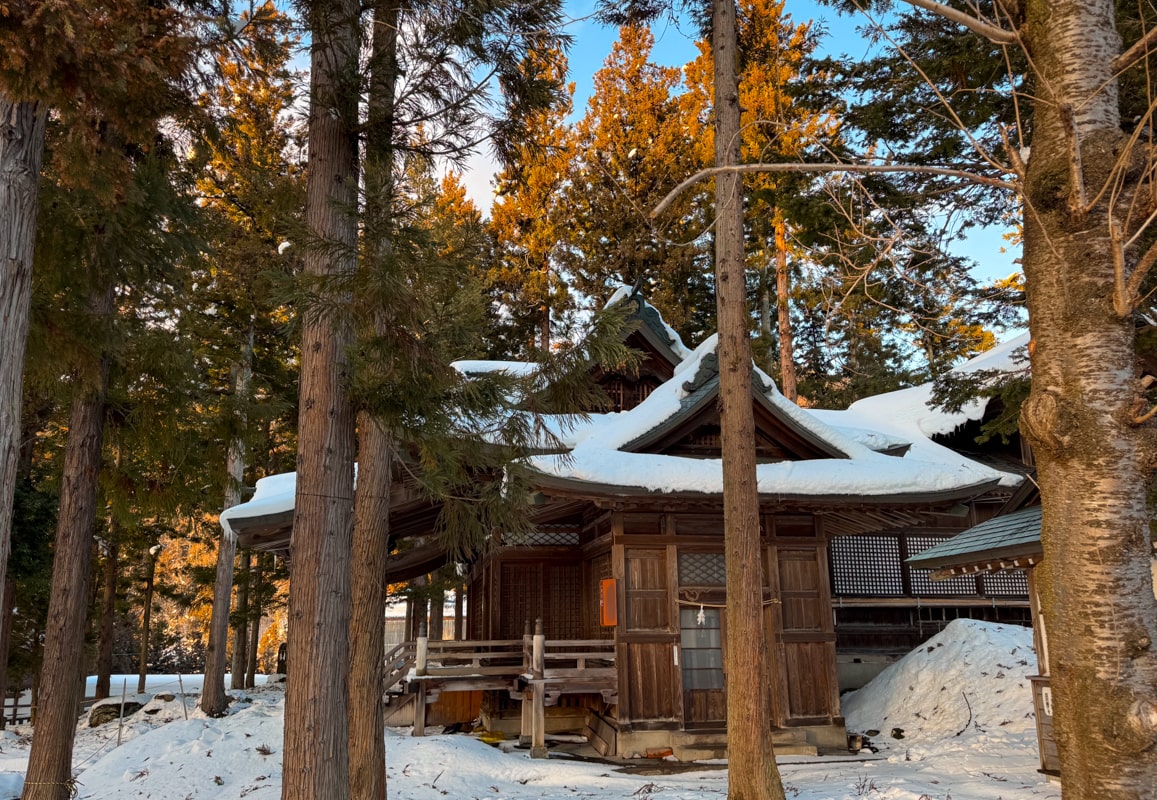
Nestled in a beautiful cedar forest, Togakushi Shrine is accessible in winter (just be sure to wear good hiking boots or crampons).
In fact, the shrine is arguably the prettiest/most worthwhile to visit in winter, when the “Cedar Promenade” forest trail and torii gates are covered in snow. 🌲
Nagano Food & Winter Festivals

Winter in Nagano calls for hearty dishes and warm drinks. I absolutely fell in love with Nagano soba (cold, but hot is good too).
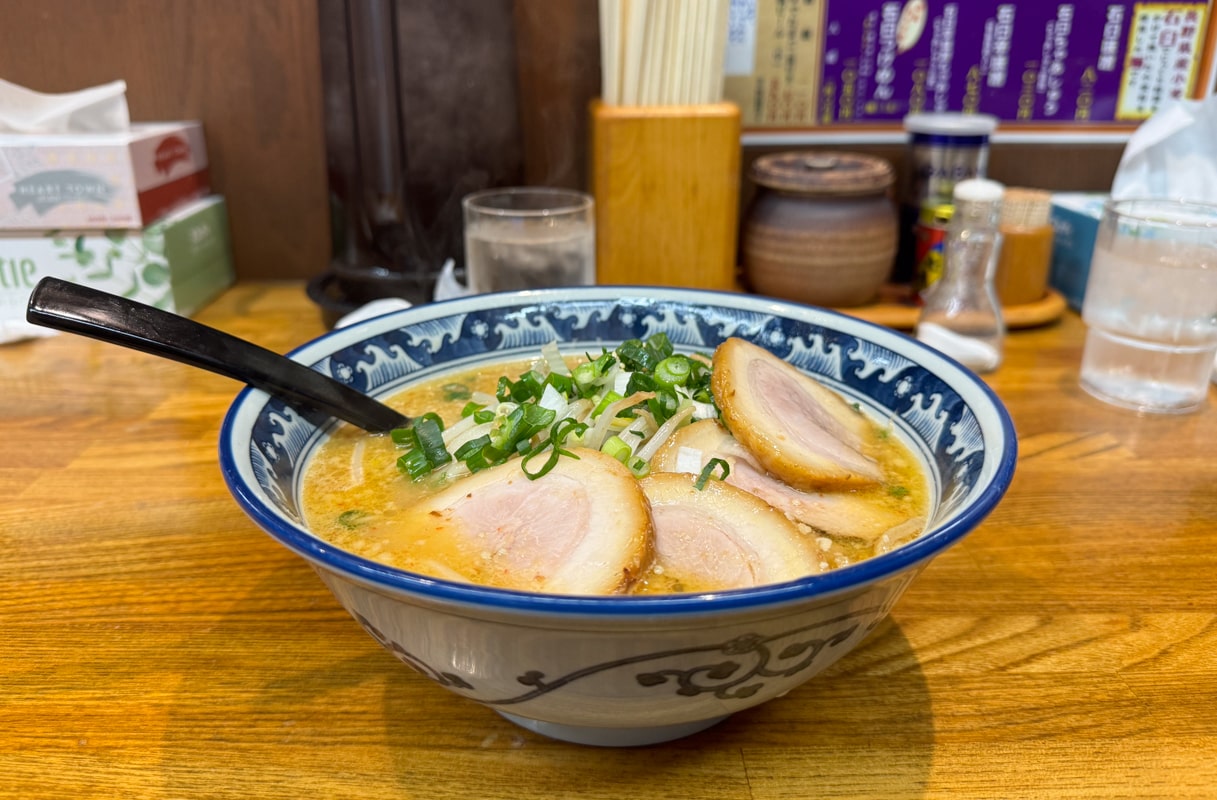
- Local specialties: oyaki (stuffed dumplings), Shinshu soba or ramen, and miso-based hot pots!
- You can even join a miso tour in Matsumoto, if you’re down that way.
- Oh, and try Ramen Misoya if you’re in Nagano City!
- Drinks: warm sake, umeshu (plum wine—my fave!!), and amazake (a sweet, non-alcoholic rice drink).
Besides the best foodie spots and specialties in Nagano, keep an eye out for winter festivals between December and March.
- Nozawa Fire Festival (January 15th): Said to be one of Japan’s wildest fire festivals (takes place in Nozawa Onsen town).
- Zenko-ji Lantern Festival (early February): Visit when the temple is illuminated in color and lanterns!
- Nagano Tomyo Festival: winter lights and cultural performances across the city.
How to Get to Nagano in Winter

Nagano City is luckily super accessible from Tokyo, thanks to the Hokuriku Shinkansen bullet train from Tokyo Station to Nagano Station (1.5 hours).
We took the JR Azusa Limited Express from Shinjuku Station directly to Matsumoto Station, where we started our Nagano winter adventures!
Tickets can range from $40 to $90 one-way, so you could use your JR Pass for short trips or buy a one-way ticket. We opted for one-way, since we were spending a couple of weeks in Nagano.
Read more: Japan Rail Pass Explained 🚅
Once in Nagano City, you can get anywhere in the prefecture with 1–2 train or bus stops.

From Nagano City/JR Station:
- For Shibu/Yudanaka Onsen, take the Nagano Dentetsu train (~45 min)
- Shiga Kogen, take the direct bus to Snow Monkey Park/Kanbayashi Onsen (1 hour)
- To Hakuba, take the Nagano–Hakuba express bus (~1.5 hours)
And, based on your itinerary, consider a JR East Nagano-Niigata Pass if you are combining trips to Nagano, Niigata, or Kanazawa!
Finally, like elsewhere in Japan, you can rely on luggage forwarding (takkyubin) for convenient transfers between ski resort towns without your gear—you’ll thank yourself later!
Final Tips for Your Nagano Winter Trip
Visit Nagano during the winter, and come back to tell me it wasn’t magical!!
To make the most of your trip, plan between 3-5 days to combine skiing or snowboarding, onsens, and visiting Nagano’s different mountain towns.
Don’t forget to support local family-run inns and respect onsen etiquette as you travel around Nagano in winter.
Winter in Nagano is an opportunity to slow down and get off the beaten path.
Even though some of the attractions we visited were busy with tourists, we had plenty of room to explore mindfully, and discover Japan’s quiet beauty.