Shibu Onsen, Nagano: Guide to 9 Baths, Ryokans & Snow Monkeys
Japan has many onsen towns scattered across the country. But one of the cutest places I’ve been is Shibu Onsen, best known for its historic public bathhouses and ryokans with equally stunning private hot springs.
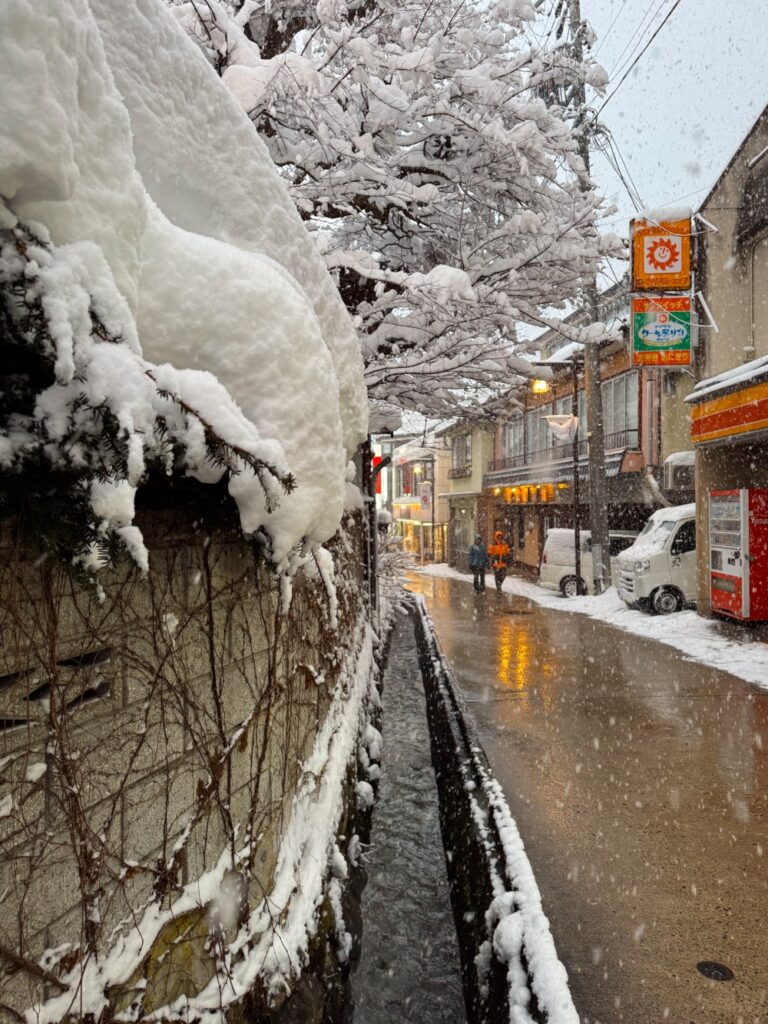
Creaky, wooden ryokans, low-lit street lanterns, and steaming bathhouses characterize this town.
A stroll down Main Street in your yukata robe and geta sandals, hopping from bathhouse to bathhouse and collecting “stamps” along the way, is a must-do.
As a guest at one of the inns in town, you can unlock, with a small key, access to the town’s nine historic public baths (known as sotoyu).
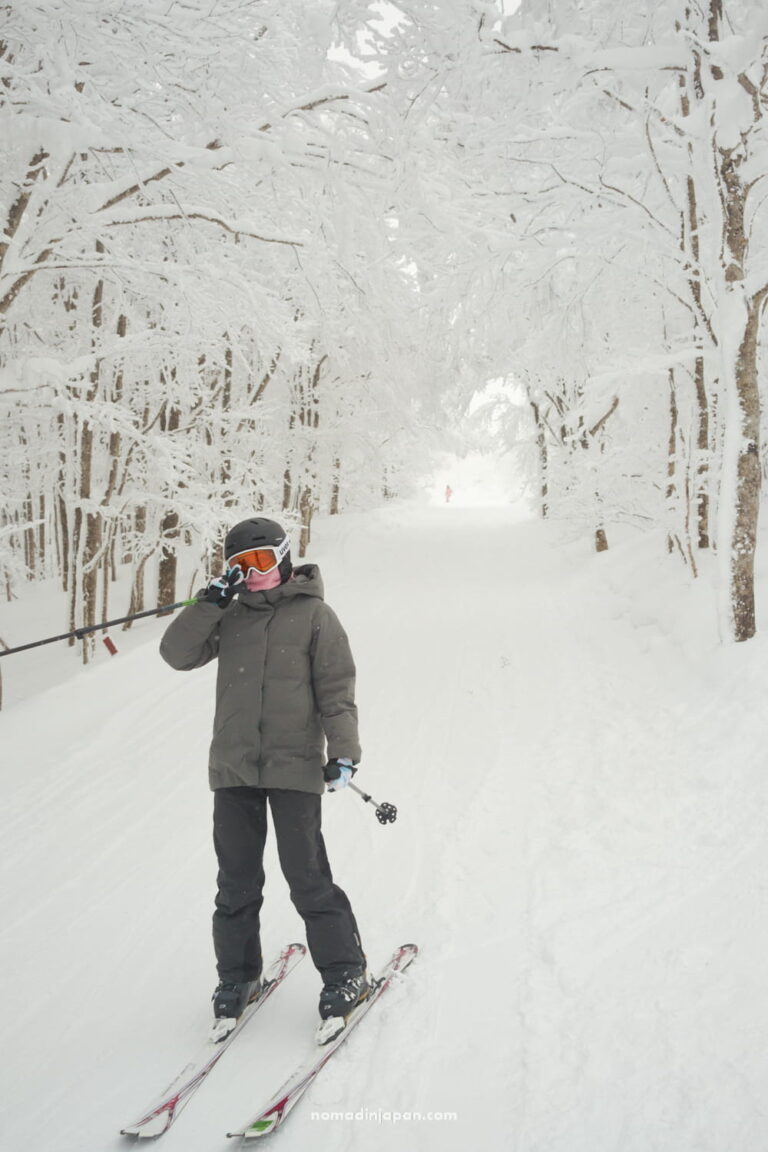
But that’s not all Shibu Onsen offers. In between relaxing days, you can visit quiet, beautiful corners of Yamanouchi, including taking a day trip to see the famous snow monkeys at Jigokudani, or shredding fresh, fluffy snow on the ski slopes at Shiga Kogen.

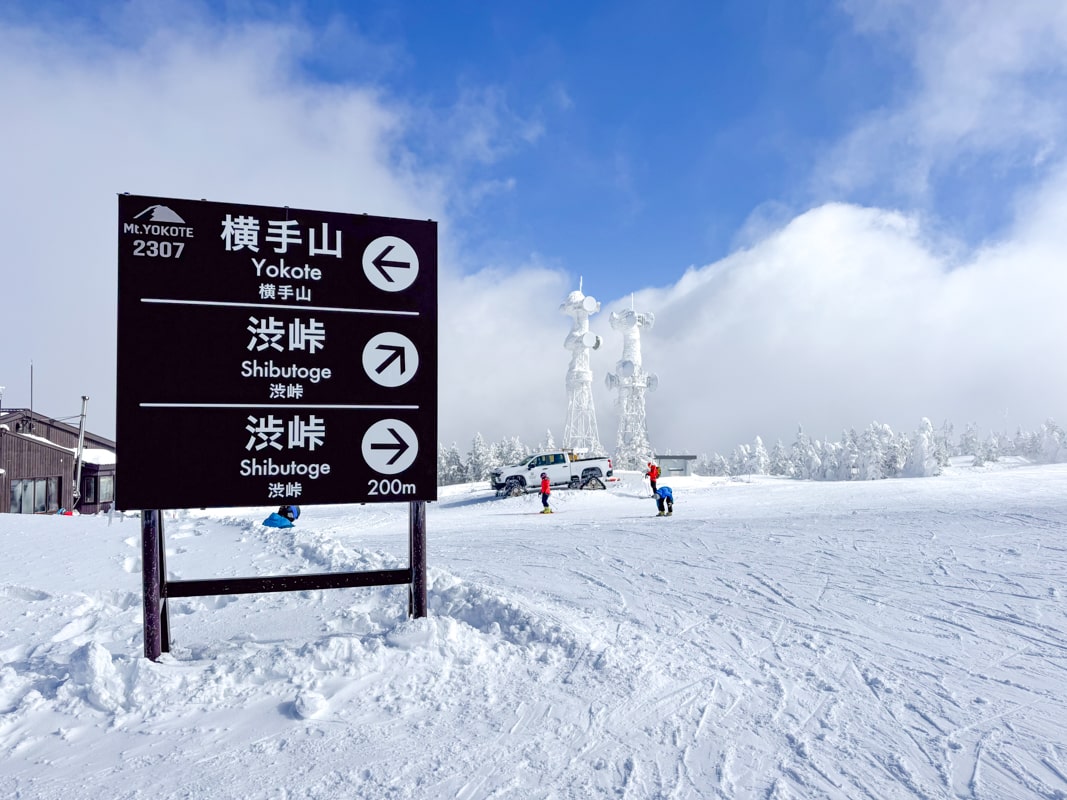
Ultimately, Shibu Onsen is an accessible onsen town rich in culture and history, offering convenient transfers to Nagano City, Tokyo, and popular ski resorts across Nagano for winter trips or trails for summer hiking.
Whether you’re visiting just for the day or plan to immerse yourself in the ryokan atmosphere overnight, here’s everything you need to know about Shibu Onsen to make the most of your itinerary!
Where Is Shibu Onsen? (& Best Time to Go)
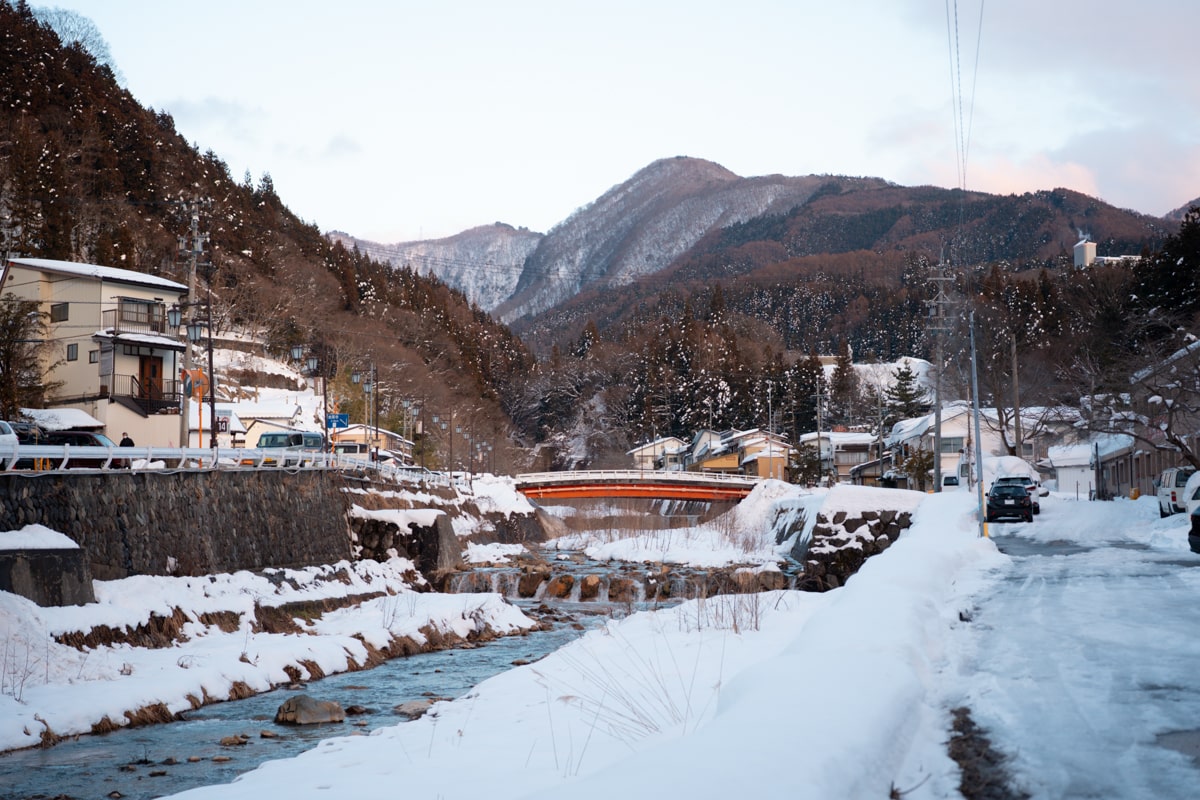
Shibu Onsen lies in a valley in the Yamanouchi area of northern Nagano Prefecture, just up the road from Yudanaka Onsen town, where Yudanaka Station is.
The best time to visit Shibu Onsen is arguably in winter. ❄️
It’s ideal for hot spring culture and skiing/snowboarding in nearby Shiga Kogen, one of Japan’s largest ski resorts.
However, spring and autumn make for great in-between times to visit, when the weather is still cool and you can catch either late-summer hiking (fall) or late-winter snow (spring).
Based on our experience visiting Shibu Onsen in mid-February, I’d say the peak magic is from December to March.

During these months, under normal weather conditions, the valley is covered in snow, and the wild macaque monkeys are most likely to be active, soaking in the Jigokudani Monkey Park.
If you’re skiing Shiga Kogen, staying in Shibu Onsen lets you combine full ski days with small-town après-ski culture.
How to Get to Shibu Onsen
There are multiple ways to reach Shibu Onsen from Tokyo, or from Nagano City. While you can rent a car, I wouldn’t recommend it since public transport is so accessible.

From Tokyo:
Take the Hokuriku Shinkansen to JR Nagano Station (about 80–100 minutes depending on service). You can buy your bullet train tickets online in advance to ensure space and preferred seats.
Then, follow the transfer steps below.
From Nagano City:
Hop on the Nagano Dentetsu limited express (local train) to Yudanaka Station (~40–50 minutes).
From Yudanaka Onsen, it’s a short shuttle bus or taxi ride to Shibu Onsen. Your ryokan/hotel should be able to coordinate free shuttles from the station (ask in advance).

Once in Shibu Onsen, you can walk the entire town on foot. Since the streets are small, you won’t need a car.
Instead, rely on the bus/shuttle connections to travel between Yudanaka ⇄ Shibu ⇄ Kanbayashi Onsen (trailhead area for the monkey park) and continue up to Shiga Kogen.
Shibu Onsen’s 9 Public Baths (Sotoyu)
The main draw to Shibu Onsen is, of course, its public bathhouses, which are said to have been frequented by travelers and pilgrims for the last 1,300 years (source).
As such, Shibu Onsen’s very raison d’être is its onsen culture. While ryokans popularly have private, on-site hot springs for guests, staying in Shibu Onsen at a ryokan is made even more unique because you get a free key to unlock all 9 public bathhouses in the town.

A lot of people now come to Shibu Onsen to partake in this “pilgrimage,” and the town even encourages visiting all nine as part of a “stamp collection.”
But what if you’re not a guest at one of the inns? Can you still use the bathhouses? Yes, and no.
Only one of the nine bathhouses (Oyu, bathhouse no. 9) allows non-guests to bathe in its scalding, healing waters.
These are the nine public bathhouses of Shibu Onsen, in order (source):
- Ichibanyu (Hatsu-yu)
- Nibanyu (Sasa-no-yu)
- Sanbanyu (Wata-no-yu)
- Yonbanyu (Take-no-yu)
- Gobanyu (Matsu-no-yu)
- Rokubanyu (Mearai-no-yu)
- Nanabanyu (Nanakuri-no-yu)
- Hachibanyu (Shinmeidaki-no-yu)
- Kyubanyu (Oyu)

While we didn’t visit all nine bathhouses—just a couple is enough for us—we did enjoy the atmosphere and “private” access afforded by staying in one of the ryokans in Shibu Onsen.
Each bath has its own character and water feel. And wearing a yukata makes it much easier to “bath hop” from one to another. 👘
I’ve done onsen hopping before with regular clothes, and it’s not as fun!
As part of the onsen tradition here, pick up a small “prayer towel” from your ryokan and stamp it at each bathhouse. When complete, head to Shibutaka Yakushi (local temple) for a final seal for ultimate good fortune!
Onsen Etiquette Reminders!
If you’re visiting Shibu Onsen, and it’s your first time experiencing onsen culture in Japan, please remember these rules:
- Bathe nude. Undress fully in the changing room and store your clothes in the locker!
- Wash your body thoroughly in the showers before entering the baths. This is very important!
- Keep your hair up; don’t let the small towels or your hair touch the bath water.
- No photography whatsoever!
Shibu Ryokans & Where to Stay
Shibu Onsen’s draw is staying in town, so you can bath-hop in the evening. Leave the snow monkeys and ski resorts for the day!

Here are a few of the top accommodations and inns in Shibu Onsen:
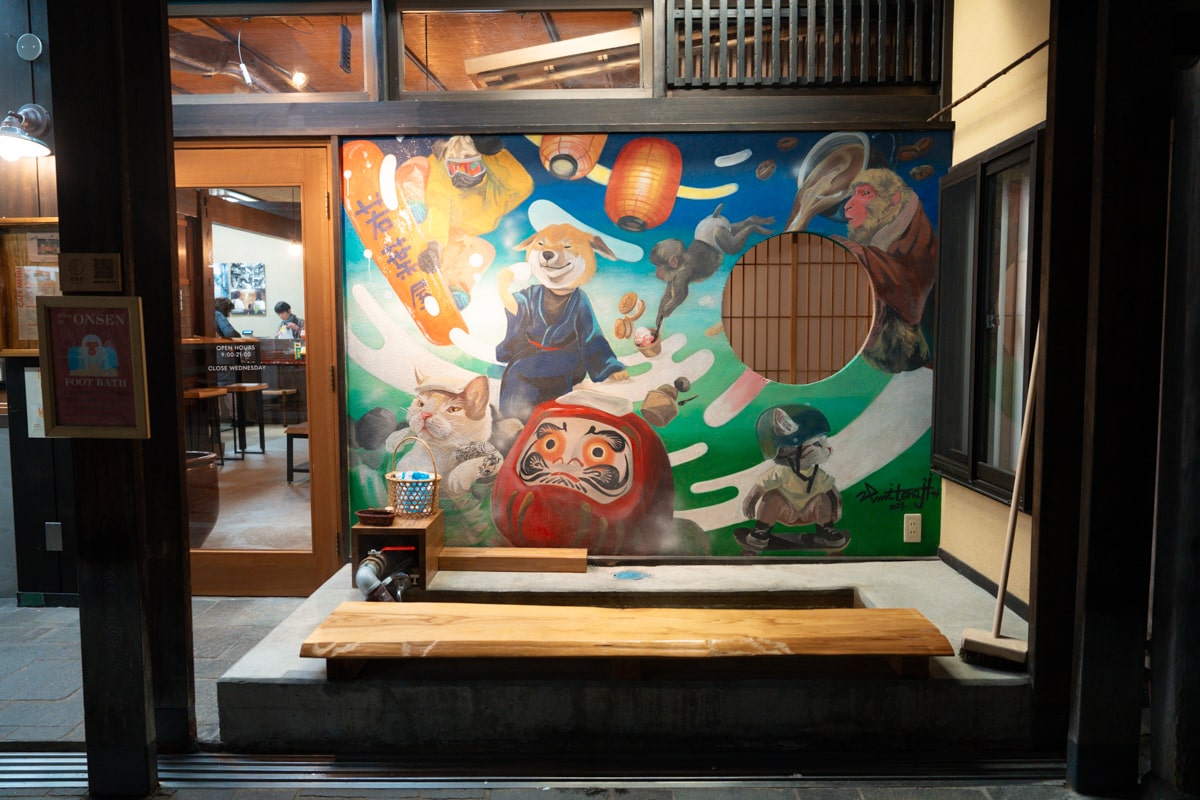
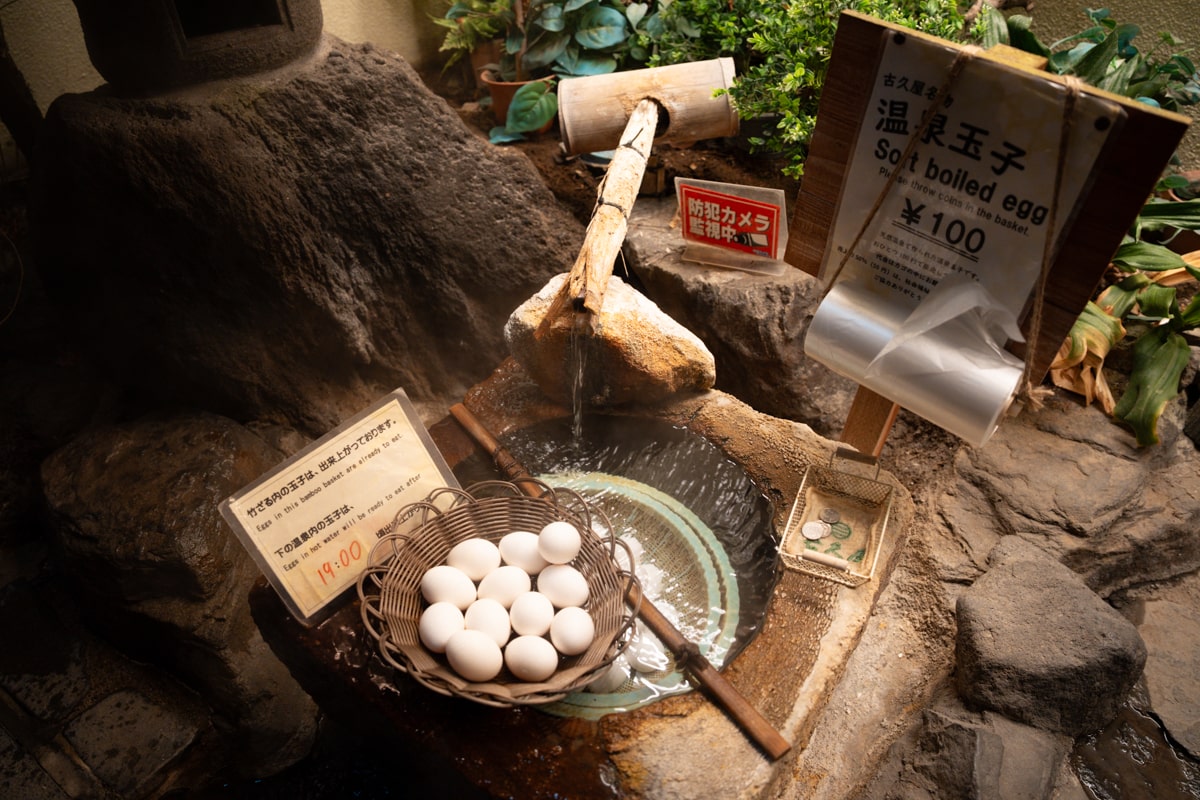
- Kokuya: This family-run ryokan is one of the prettiest in town, with its own private hot springs and open-air baths. And I love their little onsen egg bath out front!
- Masuya: The quintessential experience; think tatami rooms, design-forward kaiseki dinners, and private indoor and outdoor baths.
- Koishiya: A budget-friendly inn with traditional architecture and a modern cafe and bar—best for travelers wanting a ryokan experience for less.
You could also consider staying near Jigokudani around Kanbayashi Onsen (quieter, near the monkey park trailhead) or Yudanaka Onsen (bigger selection and more restaurants near the station).
Since you’ll be a guest at one of the inns, no need to worry about dinner.
However, if you’re a non-guest, eating out in Shibu Onsen is fun but note that there are only a couple of restaurants available (reserve in advance).
We had ramen at this little hole in the wall, and while it was okay and we didn’t get sick, I wouldn’t recommend it to anyone since the kitchen was shockingly filthy… so, beware!
Things to Do in Shibu Onsen Town (& Nearby)
Again, Shibu Onsen attracts travelers for its bathhouses, but there’s much more to explore around!

Nearby lies the famous Jigokudani Snow Monkey Park, reachable from Shibu in 10-15 minutes with just one bus transfer.
Wintertime is ideal, when the “snow monkeys” are actually bathing in the hot springs in winter.
December to March is also the best time to visit Shibu for activities because of the proximity to Shiga Kogen, one of Japan’s largest ski destinations with 18 ski areas linked by lifts and free shuttle buses, all on a single pass.
Of course, then there are more nearby towns and places to visit!
- Nagano City: Make time for Zenko-ji, one of Japan’s most important temples, and nearby sake bars or famous Nagano soba shops.
- Obuse: A cute town known for Hokusai’s art and also chestnut sweets!

Tip: I highly recommend planning at least 3–4 days in the Yamanouchi area to enjoy two days of skiing and two days of rest!
However, if you’re strapped for time and just want to visit Shibu Onsen in the off-season, I recommend spending at least two days, one night.
2-day Shibu Onsen Itinerary
If you have a quick turnaround time, you can squeeze in a one-night stay to experience the evening onsen bathing culture of Shibu Onsen.

For that, plan to arrive in Nagano from Tokyo by early afternoon. After a snack or a nap, you can slip into your yukata and start your onsen pilgrimage, starting with No. 1–3 before dinner!
Morning of day 2, wake up to an early morning dip. There will be fewer people in the morning and late evening.
Then, catch an earlyish 9 am shuttle to Jigokudani or “Snow Monkey Bus Stop.” From here, you can reach the trailhead on foot, grabbing a hot drink or meal at Enza Café along the way.
Visiting the monkeys will take at least 2-3 hours, considering the forest trail hike (20-30 minutes).
If time and weather permit, you could also do just a half-day of skiing at Shiga, though, because the park is so expensive, I really recommend carving out at least 2 full ski pass days for it.

On your way out of Shibu Onsen, back to Nagano, you can stop over to visit Obuse, or take the direct train back to visit Zenko-ji Temple.
A few snow monkey, sake tasting, and temple tours are available as well if you prefer just to combine multiple activities into a full day of sightseeing!
However, before you check out of Shibu Onsen, don’t forget to finish your onsen stamp towel and seal it at Shibutaka Yakushi temple (up the steep stone steps) for good luck (source).
Final Tips for Visiting Shibu Onsen
Shibu Onsen is quickly gaining popularity as a convenient onsen town, accessible within a couple of hours from Tokyo via the bullet train to Nagano City.

I’d definitely recommend booking your ryokan in advance, especially for seasonal experiences like wintertime with the snow monkeys and hot springs!
All in all, Shibu Onsen is an unmissable onsen town in Nagano that deserves a spot on your bucket list. If you have any questions about visiting, drop them in the comments below!