Soaking in Tsuboyu Onsen in Yunomine: Japan’s Ancient, UNESCO-Listed Hot Spring
What if I told you there’s a UNESCO World Heritage onsen in Japan (the only, actually), with milky-blue waters, located in a tiny wooden shed built over a sulphur hot spring creek in the middle of a historic village lost in the mountainous Kii Peninsula?
Well, I just did, and welcome to Tsuboyu! ♨️
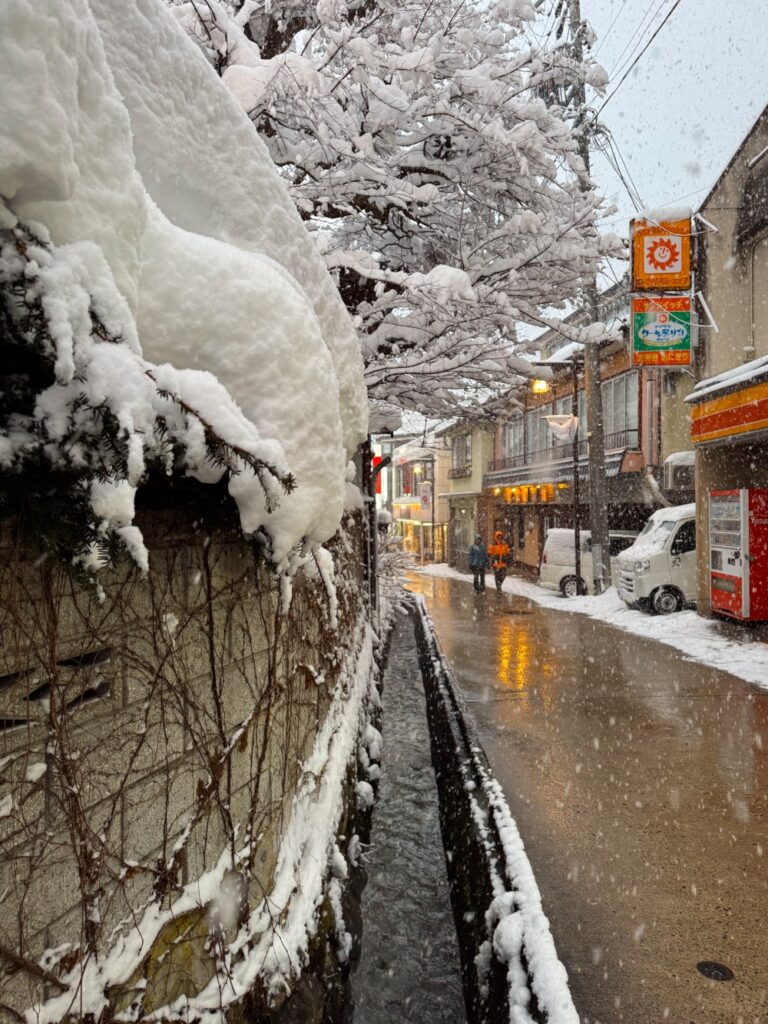
This unique onsen is located in the heart of Yunomine Onsen, a 1,800-year-old onsen village in Wakayama Prefecture.
Soaking in Tsuboyu was a highlight of our 5-day hike along the Nakahechi Route. My fellow pilgrims, hikers, travelers… Don’t miss out on the opportunity to rest your weary body and soul in Tsuboyu’s healing, hot waters!
Here’s how to visit and secure a first-come, first-served reservation to enjoy Tsuboyu Onsen. ⬇️
What Is Tsuboyu Onsen & Why Is It So Popular?

Tsuboyu (sometimes spelled Tsubo-yu) is Japan’s only UNESCO-listed hot spring bath due to its ties to the ancient Kumano Kodo Pilgrimage.
Historically, pilgrims walking the Kumano would undergo purification rituals here by soaking in the hot, sulphuric mineral waters at Tsuboyu before making the final journey to Kumano Hongu Taisha — one of the pilgrimage’s three Grand Shrines (known as Kumano Sanzan).
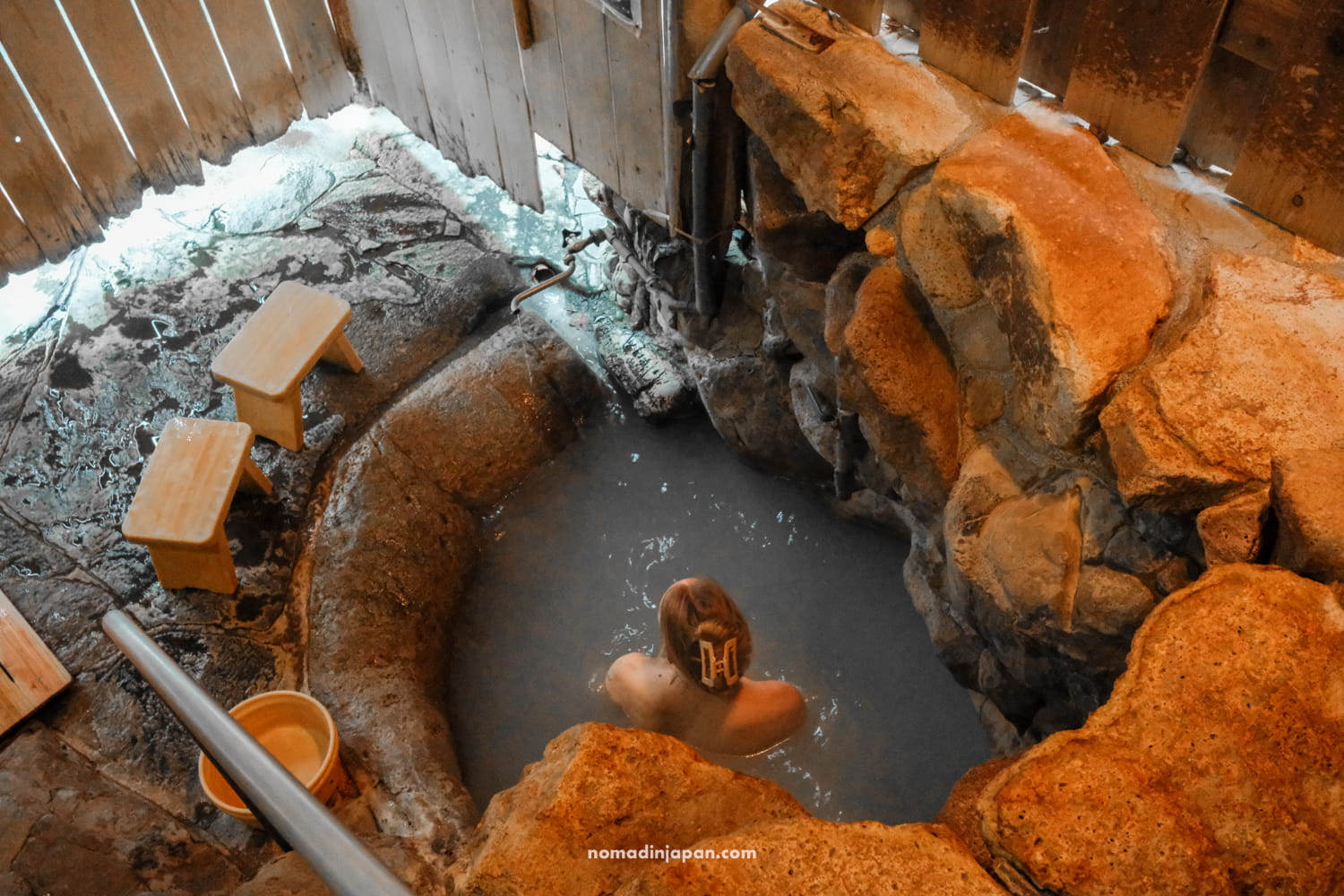
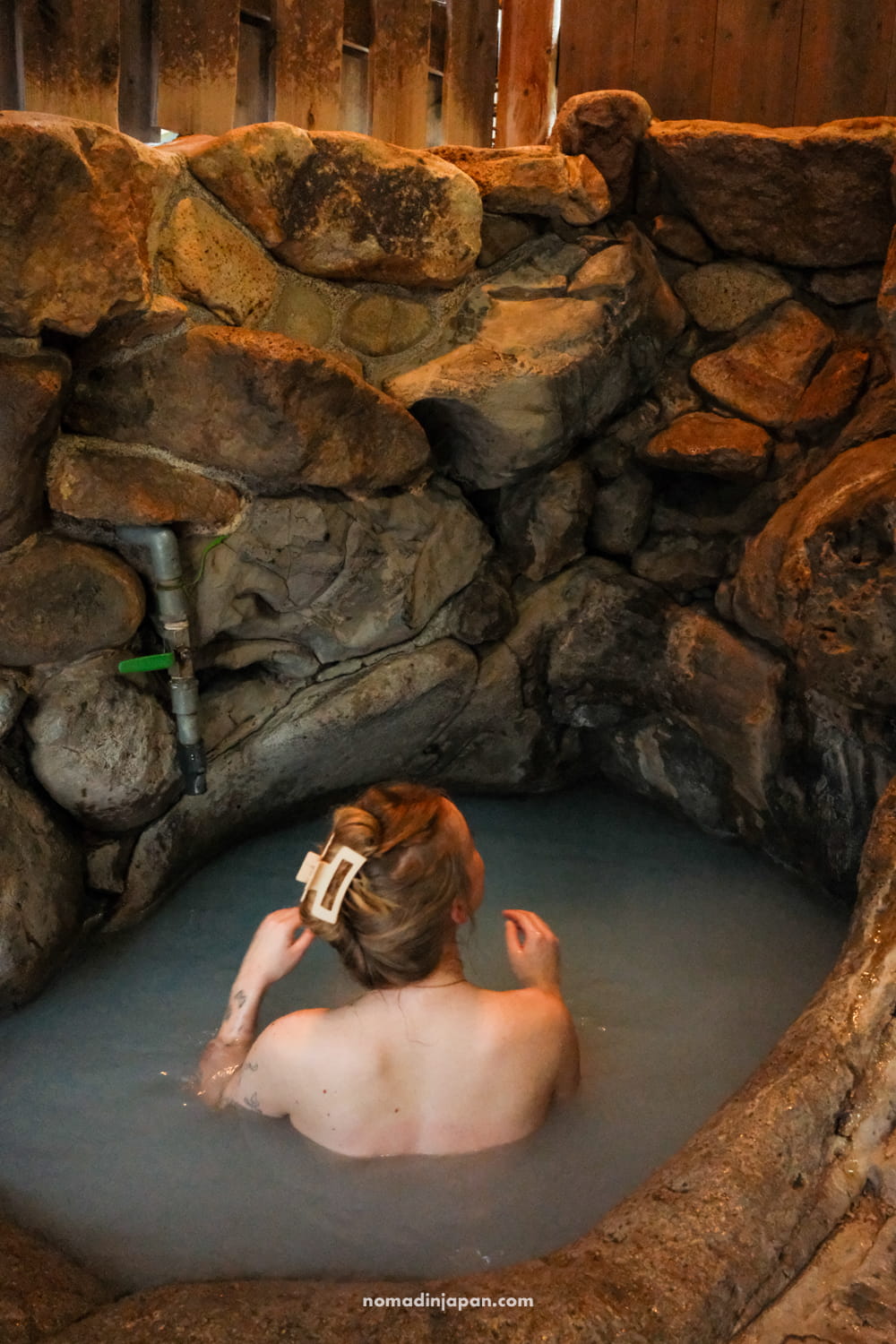
Essentially, Tsuboyu feels extra special, not only because of its UNESCO World Heritage registration, but also because of its milky-blue mineral water and its tiny, stone-lined originality, located in a tiny shed built over the creek! I mean, c’mon…. 😍
Do You Need a Reservation for Tsuboyu?
No advanced reservations are allowed, as it’s managed on a first-come, first-served basis.
However, once you have your numbered ticket, you can privately reserve the hot spring for 1~2 people for 30 minutes. This is great for couples!
How to Get a Tsuboyu Bath Slot (Step-by-Step)

Step 1: Buy Your Ticket at the Reception Hut / Vending Machine
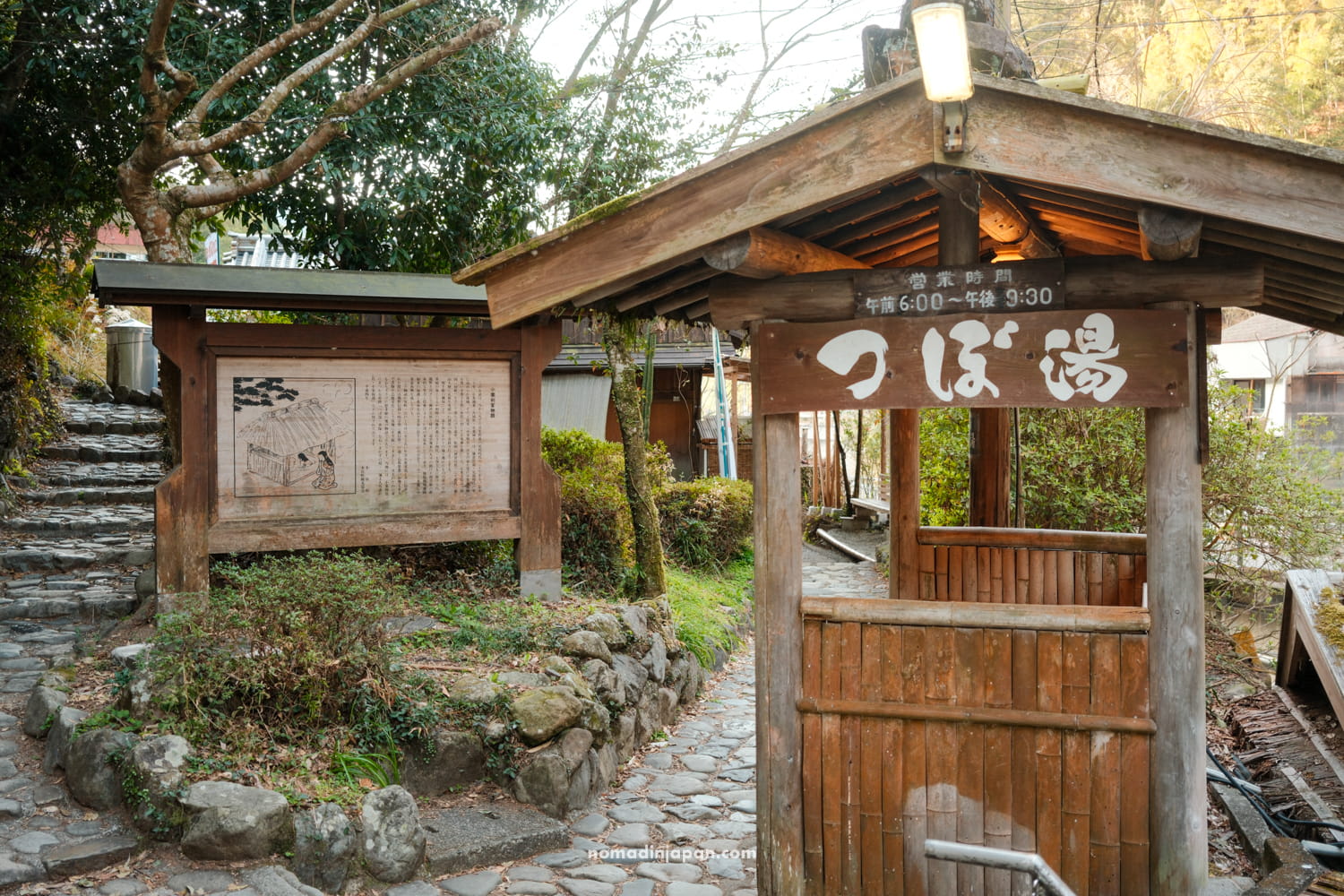
Located right over the bridge, in front of the public baths, is a little ticket office where you can purchase your Tsuboyu ticket on a vending machine (costs ~800 JPY per person), and immediately exchange it for a numbered ticket from the reception attendant.
The reception for Tsuboyu hot spring opens early (6:00 AM) and accepts bookings up until ~8:30. It closes at 9:00 pm.
Step 2: Take a Number Ticket
The reception office displays the wait time/number of groups ahead of you in line. For example, if two groups are ahead of you (and they get ~30 minutes each), the wait time will display as 60分. If it’s 30分, that means you would be next in line!
When we arrived in Yunomine after Hongu, around 6 pm, the wait time was 90 minutes.
When you buy a ticket and exchange it for a number, you’ll also be given a little Tsuboyu Onsen pamphlet and “certification” showcasing that you visited and soaked in the UNESCO-listed hot spring.
Step 3: Wait Your Turn
Unfortunately, you cannot get a ticket and then go and do other things while you wait. You are only allowed to remain at the covered shed until your time slot becomes available.
Step 4: Enter, Soak, Enjoy! (No washing!)
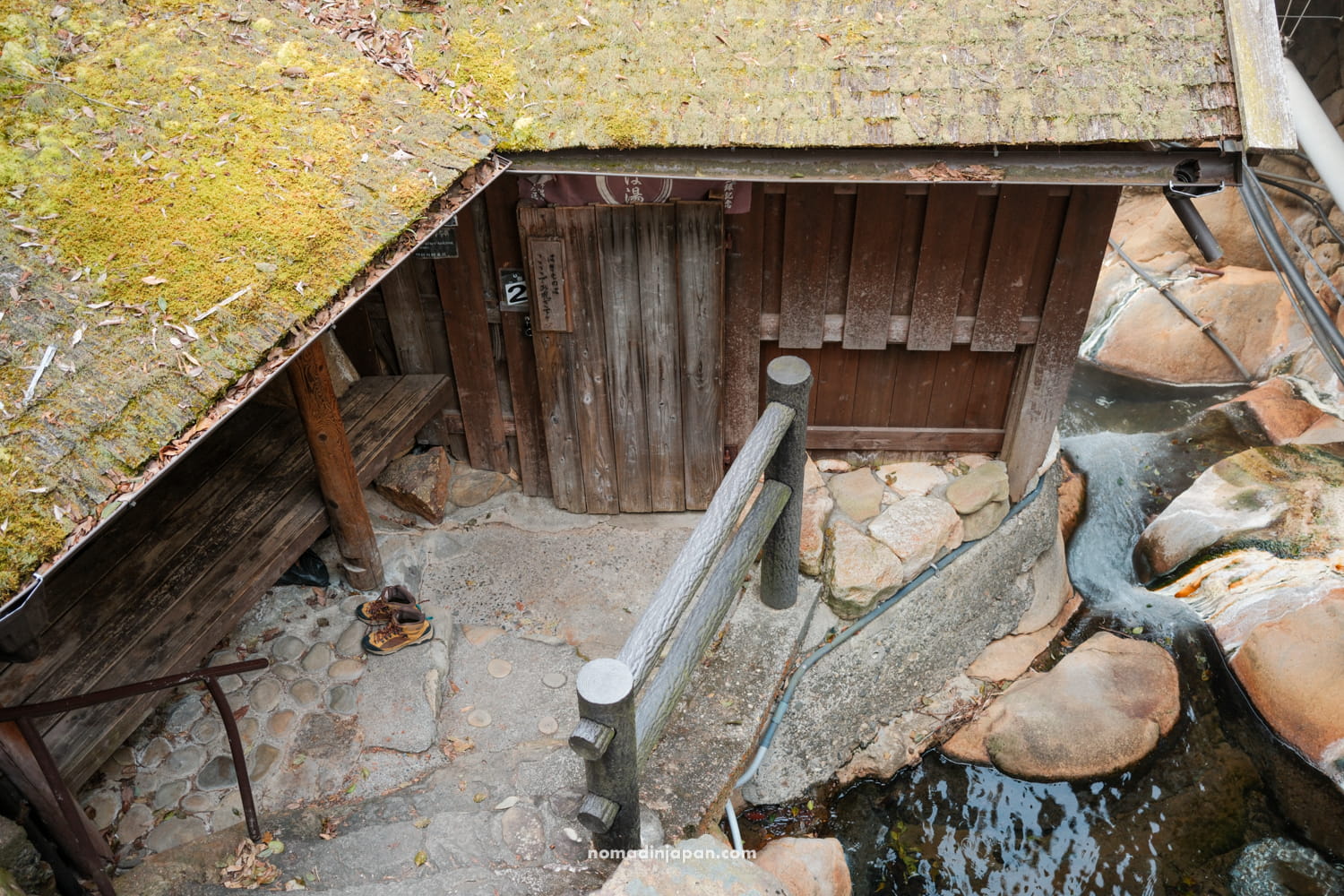
When it’s your turn, you’ll remove your shoes outside, hang your numbered ticket on the door, and enter.
Remove all of your clothes, and note that Tsuboyu does not allow products: no shampoo, conditioner, soap, etc.
Unlike typical onsen etiquette, Tsuboyu does not require washing before entering.
Tsuboyu isn’t a communal bath in that regard; the water is constantly flowing through it. This means water also runs into the village creek, and beyond, so please do not use any type of product.
There is room to place your personal items, as well as stools and an onsen bucket for rinsing!
🚨 The water is VERY hot! You can add cool, fresh water by turning on a tap and mixing it into the bath.
Best Time to Visit (To Avoid Long Waits)
Because there was a 90-minute wait when we arrived at Yunomine Onsen in the evening, we decided to wash up at our guesthouse instead, enjoy a relaxed dinner at You Got It Bar, and try our luck for Tsuboyu in the morning.
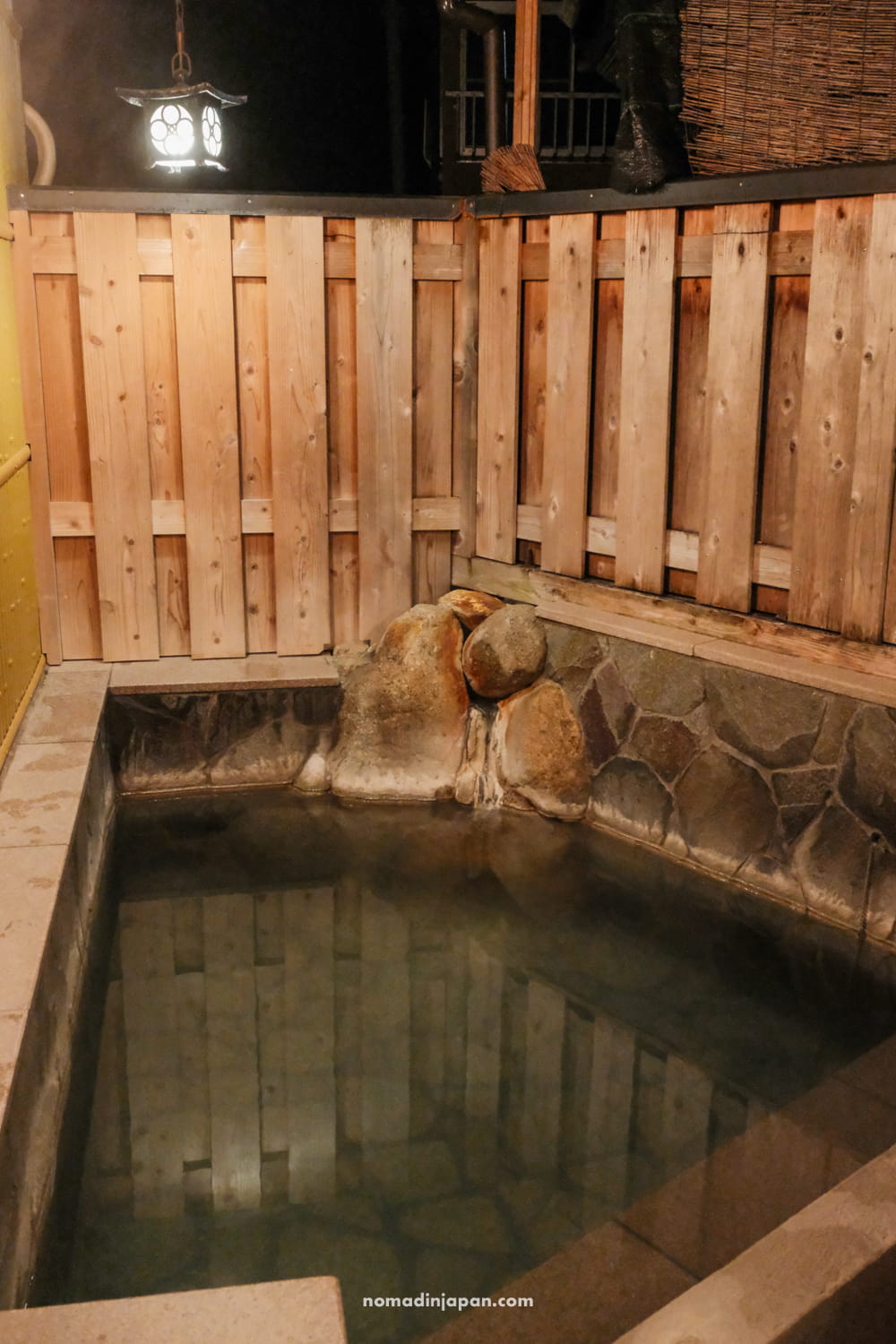
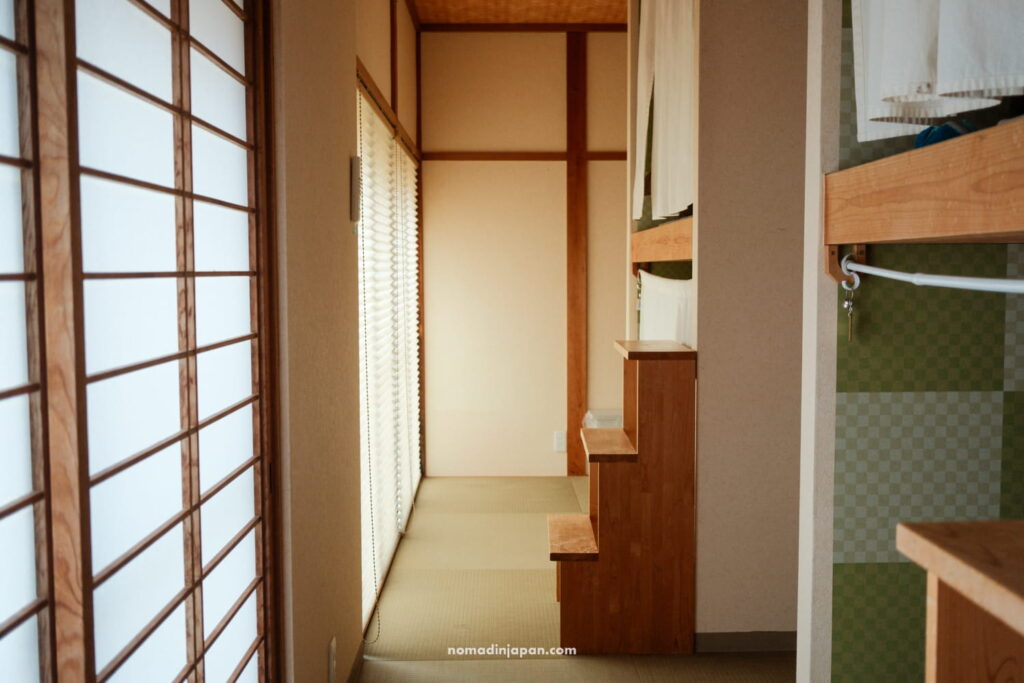
Luckily, our lodging for the night at J-Hoppers included three private-use onsen baths, including one outdoor one, which we were happy to snag when it became available.
In the morning, we decided to try going to Tsuboyu early, just before 7 am, figuring the first groups would be nearly finished by then. At first, we saw the 90-minute sign in the office window and thought, “Oh no!”
We decided to go and ask anyway, and it turns out the attendant had forgotten to put the sign down. 😅 So, we were first in line! Yay!
Since many hikers leave Yunomine early (on the ~8:20 am bus), we figured earlier would be better — and we were right! So, if you don’t snag an evening slot, try going between 6 and 7 am.
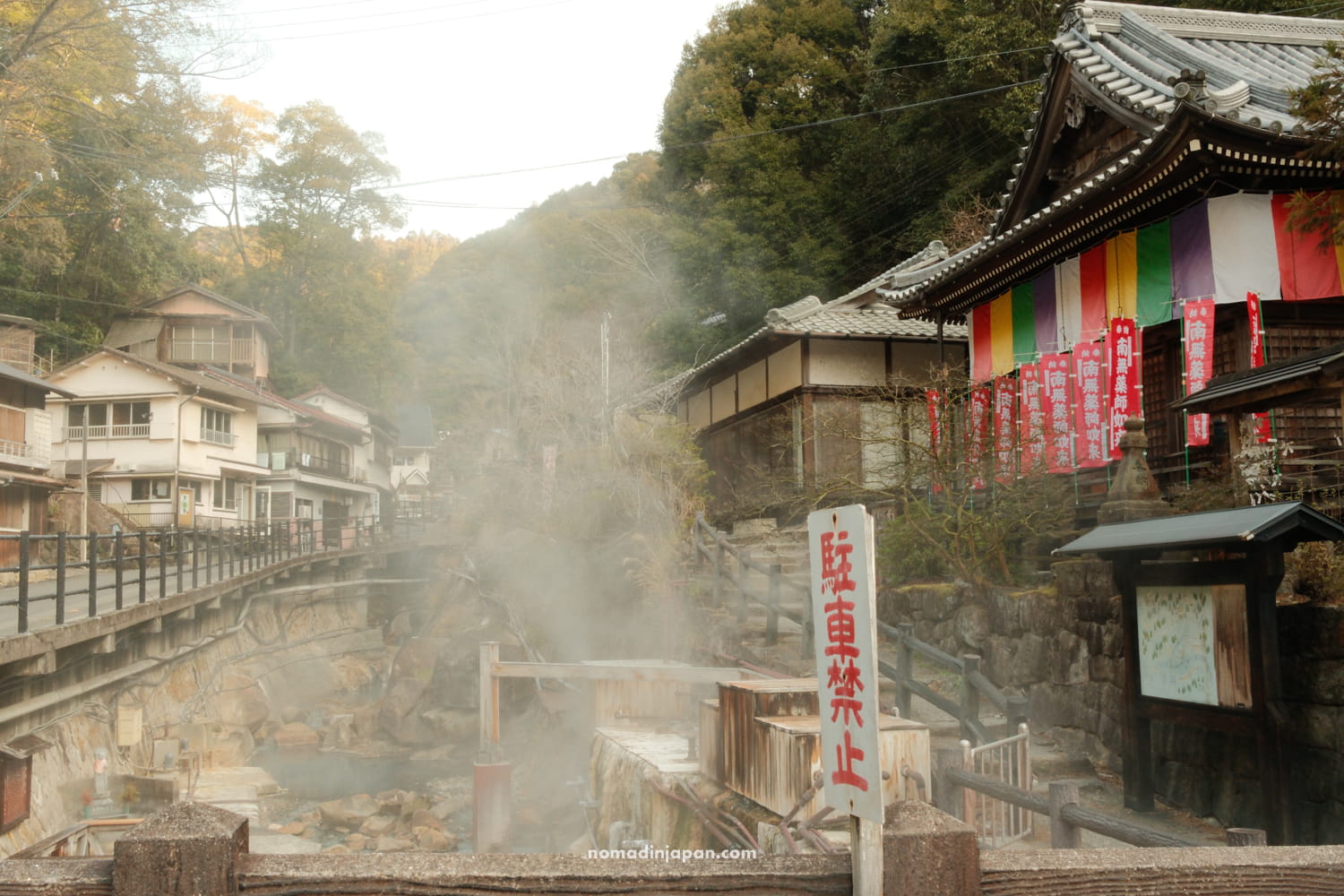
While I was disappointed not to go in the evening, the morning turned out to be so much better! We had the soft morning light peeking in the shed, the quiet atmosphere, and the no-rush feeling of not being waited on. 🥰
Note that crowd conditions at Tsuboyu could be better/worse, depending on the season you visit. We were hiking the Kumano in mid-March, and were in Yunomine on a weeknight.
What It’s Like Inside the Tsuboyu Bath

Honestly, would I say Tsuboyu is worth it? The wait — that we didn’t wait for? 😅
I definitely think so. The milky-blue hot spring is small and so cute. The bath is inside a tiny hut, and it feels very unique and intimate.
The natural sulfuric water is SUPER soft, too, and will make you feel refreshed and renewed.
That said, the water was so hot that we spent a whole minute or two pouring in fresh water just so we could comfortably slip in!
The 30 minutes went by fairly fast, but it felt long enough for a good soak. Just be sure to get out and dressed in time before your 30 minutes are up, so the next people in line can also make the most of their time.

Rules & Etiquette You Should Know
Even though Tsuboyu is private, no swimsuits or clothes should be respected. It’s not a communal bath, either, so no need to wash with soap (not allowed).
You can, and should, rinse your body with the onsen bucket first to let your body adjust to the temperature gradually. This is also considered a basic rinse to wash off any lotions, deodorant, etc.
Ladies, as usual, you don’t need to get your hair wet, but do tie it up!
- No swimsuits (onsen etiquette)
- Wash before entering (basic rinse)
- Keep your time to 30 minutes max
- Be respectful of the queue
- Tattoos are okay!
What to Bring to Tsuboyu
You need to bring your own towel for Tsuboyu — you will not be handed one at the reception.
- Small towel for drying
- Change of clothes
- Drinkable (you’ll get hot quickly!)
- Cash (for vending machine)
Alternative Onsens in Yunomine (If You Skip Tsuboyu)

If you don’t want to wait for Tsuboyu, or don’t like the idea of a small, very hot bath limited to only 30 minutes, then you should consider soaking at the public Yunomine baths.
These are indoor and have virtually no wait time. They are communal baths, typical of Japan; however, with the mineral-rich waters of Yunomine, all the same.
Your ryokan in Yunomine will likely have its own onsen baths, too! Ours at J-Hoppers was perfect for a cool night in March.
I’ll be crossing my fingers you get to soak in the legendary Tsuboyu! To plan your trip, read my Kumano Kodo itinerary.