Nozawa Onsen Village Guide: What to Do, Where to Stay & Soak
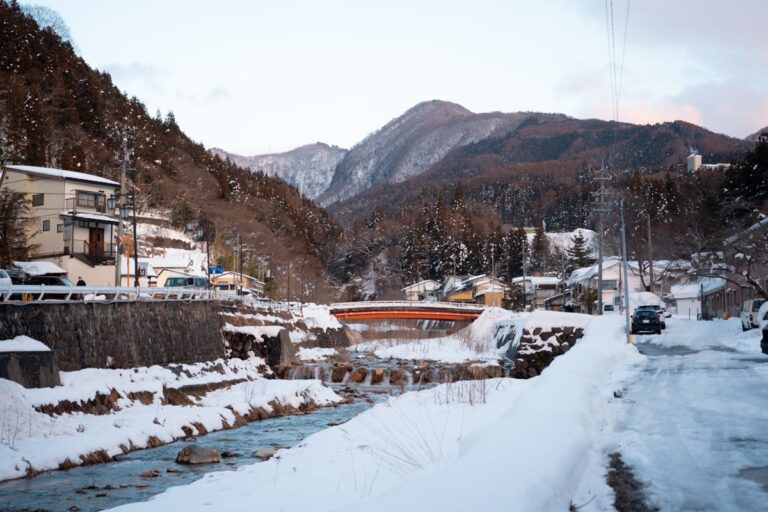
In the northeasternmost reaches of Nagano Prefecture lies a small onsen village that’s grown into one of Japan’s best-known ski resorts and winter destinations. Of course, I’m talking about Nozawa Onsen.
When I first heard of Nozawa, I felt curious to learn more. Is there really a cozy Japanese ski town that retained its nostalgic atmosphere? Or is everyone overselling it?
So, I decided to see (and ski) in Nozawa Onsen myself. Ya know, for research!
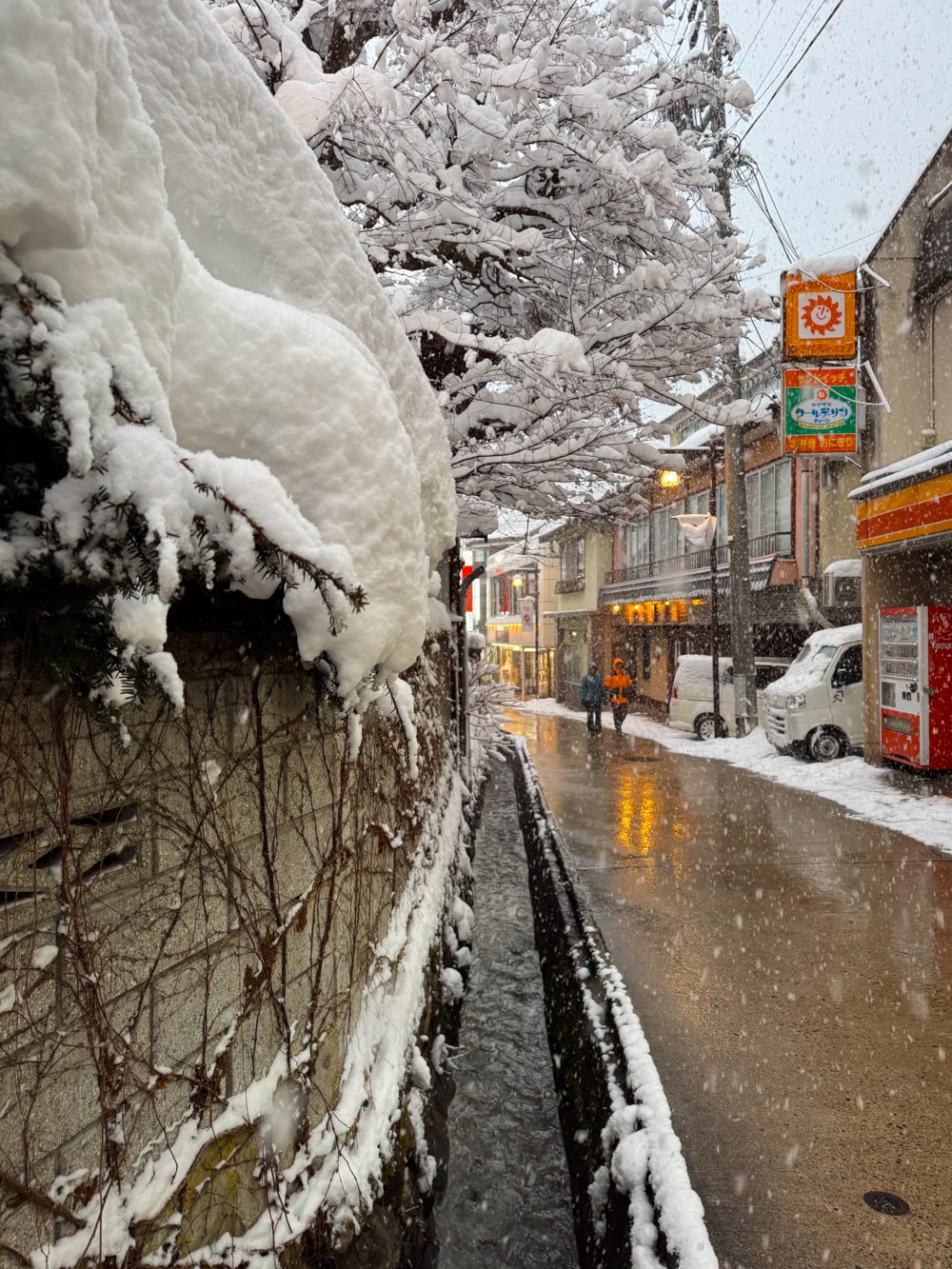
And, indeed, Nozawa Onsen, despite its formidable foreign and tourist crowds, does retain its old charm.
It still has its traditional, free public onsens (soto-yu, which locals still frequent) and aged ryokan and izakayas with glowy, weather-worn lanterns, plus the perfectly-sized, family-friendly ski resort hugging its town edges.
Undeniably, it’s no single aspect of the town more than the blend of world-class snow and slopes and a thousand-year-old onsen culture that makes Nozawa Onsen such a winter playground for locals and tourists alike.
Whether you come to ski, soak (hopefully, both), or simply escape the city, this village guide will clue you in on how to best experience Nozawa Onsen, from the best things to do to where to stay, eat, and relax!
The Complete Guide to Visiting Nozawa Onsen Village in Nagano
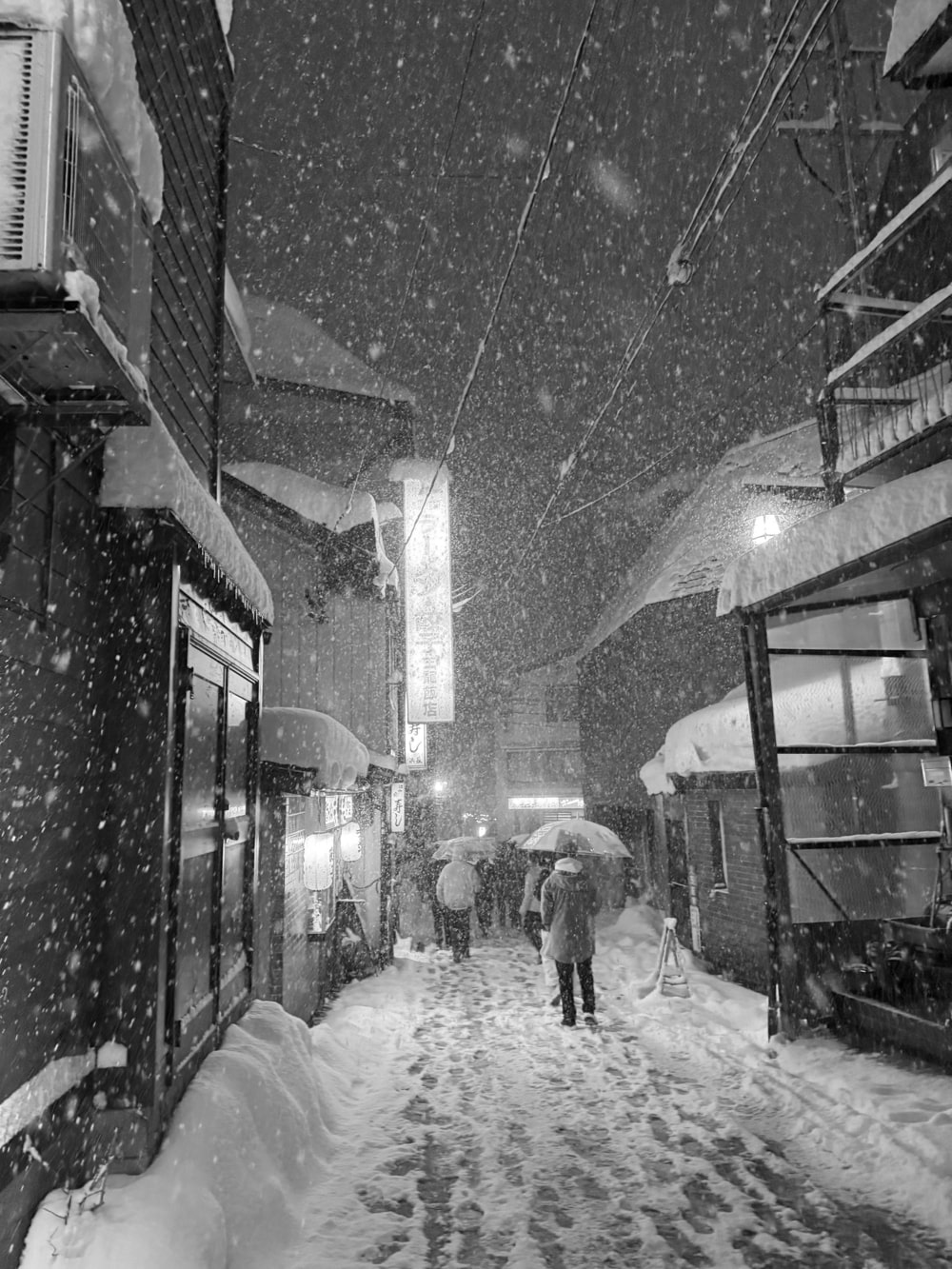
How to Get to Nozawa Onsen
From Tokyo, take the Hokuriku Shinkansen bullet train to Iiyama Station (1h50m, get tickets here). From there, transfer to the Nozawa Onsen Liner bus directly into the village (25 minutes, ¥600).

An alternative option, still from Tokyo, is to take the Shinkansen and stop off at Nagano City before booking a direct Alpico bus (1h 20m) to Nozawa.
Nagano is a good base if you want to first visit around before heading north to ski.
Finally, you can reach Nozawa by rental car if you want extra flexibility with lugging gear, family, and going on day trips (and accessing more remote mountain lodge options).
However, the drawback of driving is, of course, the potential for icy/snowy road conditions and limited parking.

Why Is Nozawa Onsen So Popular?
Nozawa’s roots stretch back to the 13th century, when it was known as Yuyama Village, then a remote village in Nagano with an abundance of natural hot springs.

By the late 1800s, it had evolved into a popular onsen and ski destination, home to Japan’s first ski club (founded in 1897), and today, access to this village has never been easier.
Its fame grew after the 1998 Nagano Winter Olympics, which put Nozawa on the global map. Yet despite its popularity, the village still has a traditional Japanese onsen town feel.
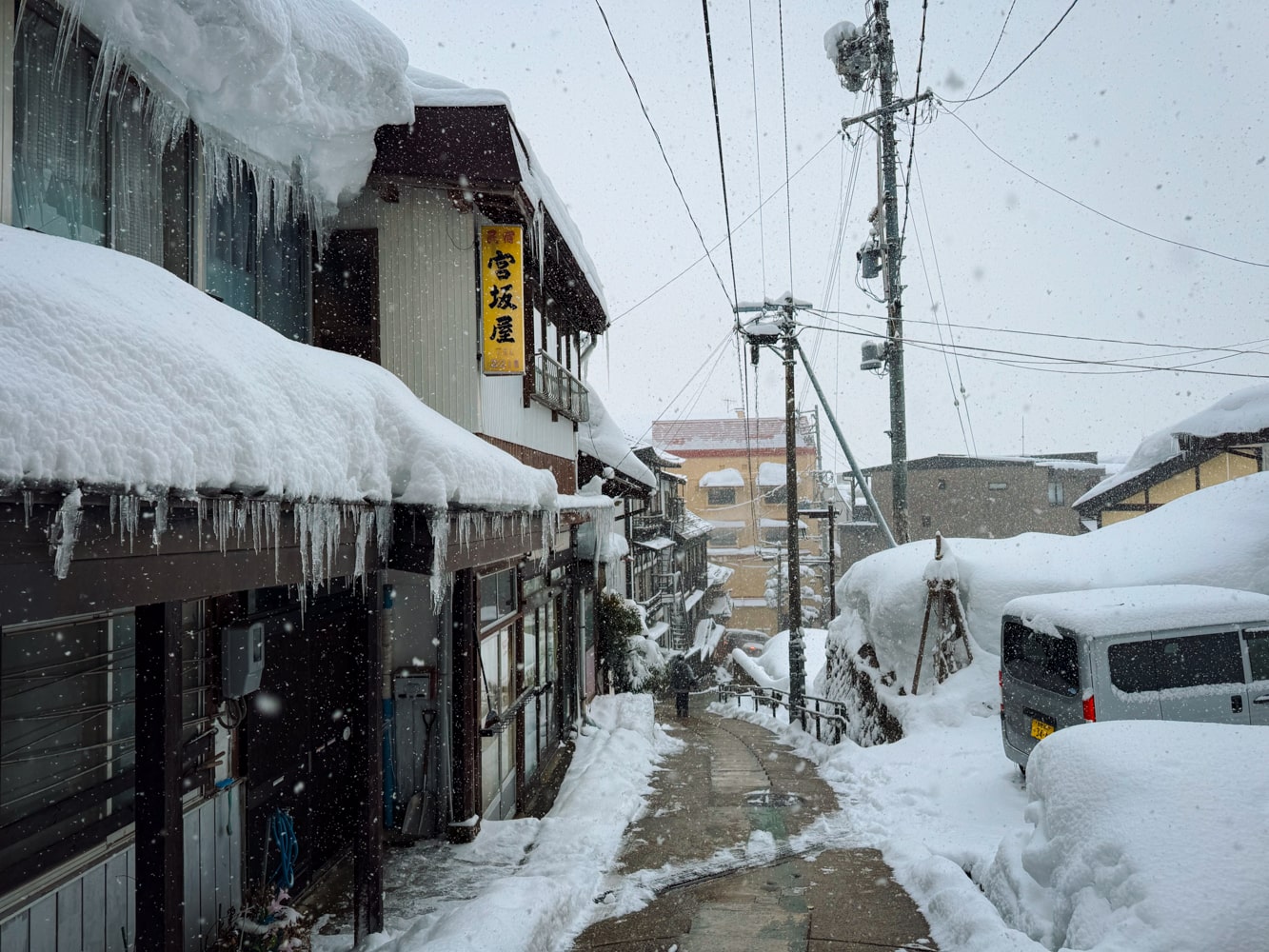
It’s no wonder, then, that Nozawa grew in popularity! With word of mouth and social media, it has now become a top skiing destination in Japan.
Where to Stay in Nozawa Onsen Village
In terms of area, you can’t really go wrong with staying in Nozawa Onsen town. It’s small, walkable, and most ryokan and hotels are within the heart of the town anyway.

That said, there are certainly better places to stay than others. With Nozawaonsen being so small, it creates a limited supply and demand.
Many lower-quality hotels and accommodations take advantage of the winter and ski season to increase nightly rates, which is why it’s so essential to book far in advance—not just for snagging the best deals, but for any availability at all.
Because Nozawa Onsen will book OUT and you want to make the most out of your stay.

Luxury Ryokans
- Ryokan Sakaya – One of the most beautiful ryokan in town, with beautiful onsen baths and kaiseki dinners.
- Kawaichiya – Modern ryokan located very close to the Hikage Gondola with in-house onsens and design-forward architecture.
Guesthouses & Boutique
- Kawamotoya – Apart-hotel rooms with kitchenettes and an in-house sento.
- Nozawa Peaks – Bright, design-forward stay with easy access to slopes!
- Tanuki – Stylish apartments ideal for families and small groups.

Budget-Friendly Lodges
- Tamayura Guesthouse – Cozy, friendly, and steps from the Nagasaka Gondola!
- Lodge Yokochi – Basic but convenient, near restaurants and bus stops! This is where we stayed in Nozawa during our ski trip!
💡 Book well in advance during ski season (December–March), as most hotels sell out months ahead.
The Best Things to Do in Nozawa Onsen
1. Soak in the 13 Free Soto-yu Bathhouses
The heart of Nozawa is its onsen culture. Scattered around the village are 13 (or 14) free public bathhouses, known as soto-yu, each with its own mineral composition and personality.
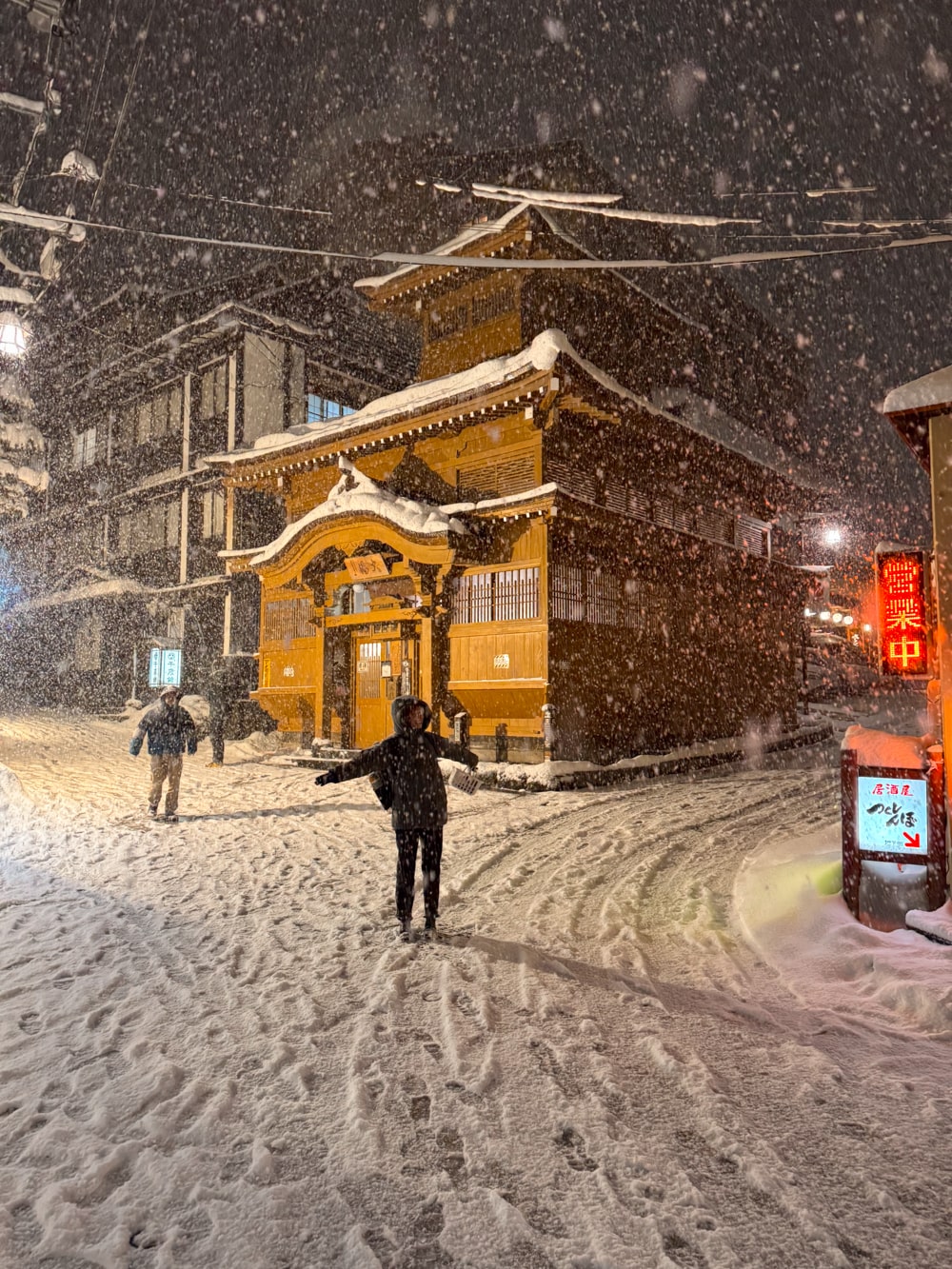
The bathhouses are pretty small and rustic, and without soap or amenities (your ryokan might have a free onsen kit for you to take—ours did!).
That said, the standout onsens in Nozawaonsen for me were:
- O-yu (#6) – The most iconic, right in the town center. This two-story, wooden bathhouse looks straight out of the Edo era and is fed by scalding hot spring water straight from the source.
- Shin-yu (#11) – Sulphur springs that change color! A good, more local bath choice with milky waters.
- Taki-no-yu (#12) – This one has a rustic feel that I love. Be careful, though, the water is hot!
- Kawahara-yu (#7) – One of the most popular in Nozawa, great for early mornings.
- Furusato-no-yu (unofficial #14) – This new onsen has indoor and outdoor baths, plus soap and shampoo. This is the only paying onsen in town, costing 500 JPY.

💡 The baths are gender-separated and very hot! Soap and rinse thoroughly before soaking in the baths, and bathe quietly out of respect.
If public bathing isn’t your comfort zone, many ryokans and hotels in town offer private onsens!
2. Ski the Slopes of Mount Kenashi

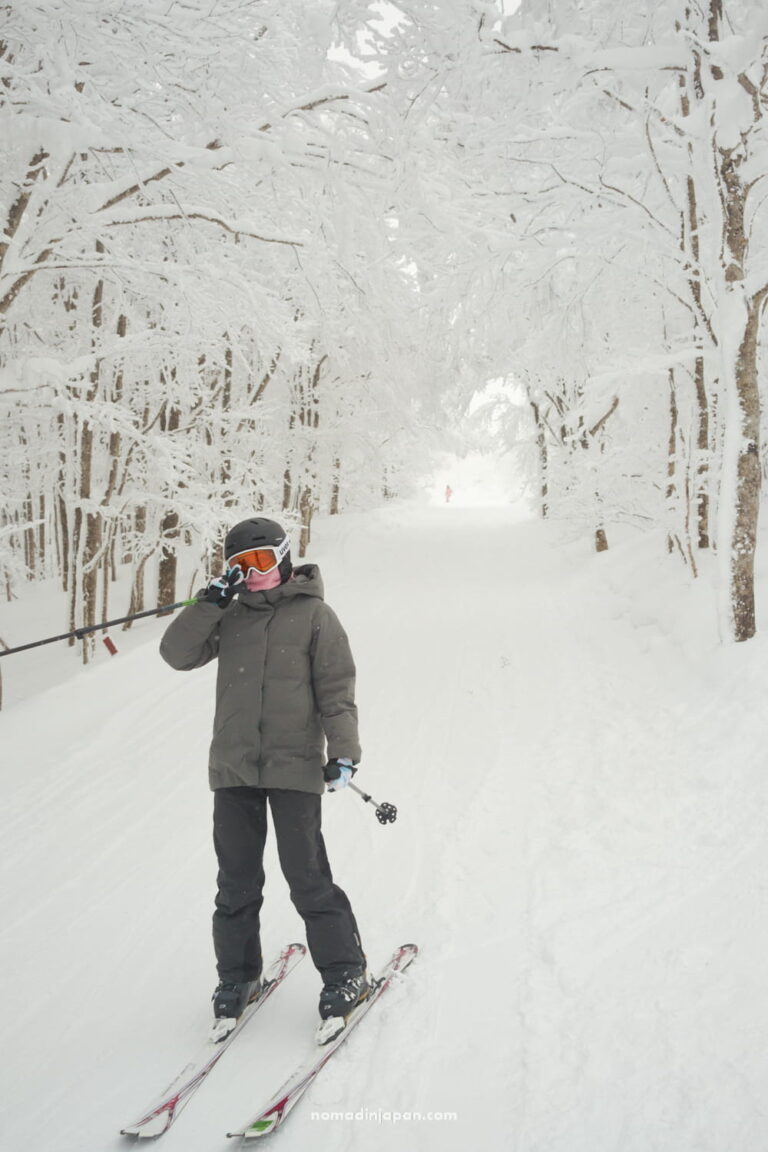
Of course, no visit to Nozawa would be complete without experiencing its ski resort! The Nozawa Onsen Ski Resort offers 36 runs across Mount Kenashi (1,650m) and is connected by 20 lifts.
There are three main ski zones at the resort.
- Yamabiko Area: Best for intermediate and advanced skiers — known for its powder and forest trails.
- Uenotaira: Wide, gentle runs perfect for beginners.
- Kandahar Zone: Steeper competition slopes used for Olympic events.
⛷️ Lift passes: ¥7,300 for 1 day / ¥13,500 for 2 days
🎿 Rentals: Sports Thanx (Nagasaka base) or Olive Rentals (Hikage side)
👉 Read my complete guide to skiing in Nozawa Onsen for more tips!

3. Wander Nozawa’s Old Streets & Shrines
Take time also to wander Nozawa’s narrow streets, especially early in the morning or after snowfall.
You’ll notice the air smells of sulfur, and the streets glow softly from the bathhouses and street lanterns.
Don’t miss visiting between the slopes and onsens:
- Yuzawa Shrine, surrounded by tall cedar trees! This place is truly magical in winter.
- Ogama, the communal hot spring used for cooking eggs. You’ll often spot locals boiling Nozawa’s famous onsen tamago here!

The village is small enough to explore on foot in 20–30 minutes, but every corner reveals another side of Nozawaonsen.
4. Try Local Food & Après-Ski Dining
For such a small mountain town, it is quite surprising how much international food you can find here (but, then again, maybe not given how popular Nozawa is!).
Between its soba shops, izakayas, and cafes, there’s plenty to warm up with after a soak or a ski day.

My local favorites (more recs coming soon):
- 🍜 Shohei Soba: Traditional hot and cold soba in a cozy, family-owned restaurant! (Plus, we didn’t have to wait in line.)
- 🥟 Winterland Taproom & Lodge: Famous gyozas and craft beer on tap right in the town center.
- 🍛 Panorama House Buna: On-mountain favorite (Paradise area) with katsu curry and incredible views!
- 🥬 Haus St. Anton: They have Nagano-style oyaki dumplings that are delicious!
If your accommodation offers kaiseki or set dinners, that will help avoid long dinner queues!
5. Experience the Nozawa Fire Festival (Dosojin Matsuri)
If you time your ski trip in mid-January, you’ll be right on time to catch the Nozawa Fire Festival (Dosojin Matsuri).
While we didn’t get to experience it, it’s apparently one of Japan’s most dramatic winter events and rituals that includes fire, sake, and purification.
(Book accommodation at least 6 months ahead if visiting during this time.)
6. Take Day Trips to Nearby Onsen Towns & Monkeys
Nozawa isn’t very convenient as a base, but once you’re out of the town, you should definitely take advantage to visit other parts of northern Nagano!
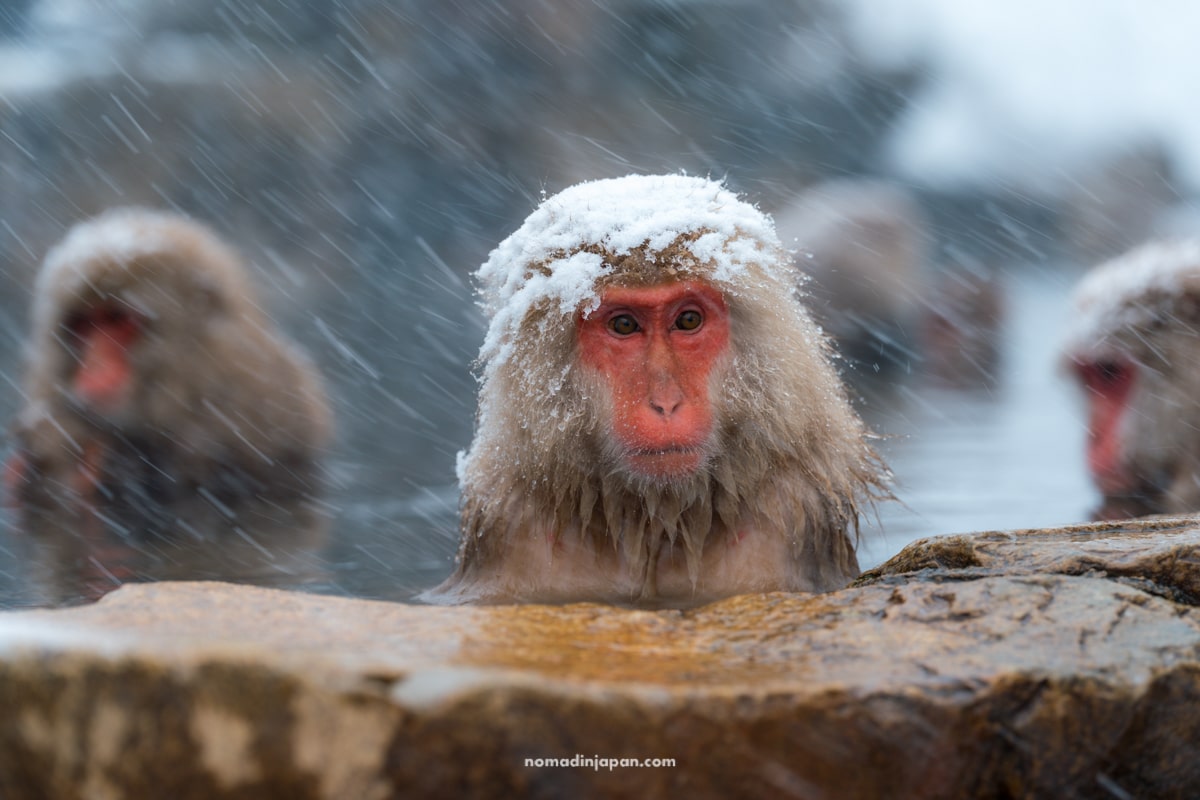
- Jigokudani Snow Monkey Park – In winter, Japan’s famous hot spring–bathing macaques are a bucket list experience and located not too far away near Yudanaka and Shibu Onsen.
- Skiing in Shiga Kogen – My favorite Japan ski area with 80km of slopes and nearby things to do (monkeys, onsen towns, etc).
- Shibu Onsen – Quieter, very retro and nostalgic hot spring town!
It’s possible to visit these places on a day trip, but I’d recommend staying overnight wherever you visit (as is the case for Shibu Onsen/Snow Monkey area).
❄️ For more inspiration and tips, read my Nagano Winter Itinerary.
Final Tips for Visiting Nozawa Onsen
If it’s your first time visiting Nozawa Onsen village, you’ll want to keep in mind a few things.
Onsen Etiquette
Onsen culture is big in Nozawa, and since you’ll likely be bathing with locals, it’s important to respect onsen culture! (The best ryokan/hotels in town will likely have a public onsen kit for you to take to the soto-yu for free.)
Avoiding Crowds
The bathhouses and slopes and, well, pretty much everywhere in Nozawa might have crowds or queues. Going to onsens in the early mornings or late at night helps to avoid peak tourist times.
Responsible Travel
Nozawa is at risk (or is already beyond this risk, arguably) of becoming too internationalized in favor of “Western comforts” over local Japanese hospitality and traditions. Please be courteous and note that this isn’t a party ski resort town—it’s a traditional Japanese village with a deep history of pilgrimage and onsen culture.
Slowing Your Pace
I think Nozawa Onsen receives a lot of turnover tourism, meaning folks come in and spend one night then dip out. If you can, and book enough in advance and have the budget to, try to stay at least 2–4 nights to balance skiing, soaking in onsens, and slowing down your travels.
It’s the best way to “get to know” a place and its living heritage.

Do you have any leftover questions for me before you visit Nozawa Onsen? If so, please drop your thoughts below!