Nagano Winter Itinerary: Snow, Onsen, and Slow Adventures in the Japanese Alps
I’ve said it before, and I’ll say it again: winter is the best time to visit Nagano Prefecture.
Imagine it: days filled with powdery skiing/snowboarding and snow monkeys, and nights cloaked in lantern-lit streets and steaming hot springs.
Visiting Nagano in winter is nothing short of magical.

From cute onsen towns tucked away in the snow-capped Japanese Alps, to world-class ski resorts, to ancient temples and historic ryokan, there is much to discover to fill a Nagano winter itinerary.
In this guide, I’ll share my recommendations for filling your days with adventure, culture, and relaxation!
Here’s my ultimate Nagano winter itinerary, ideal for trips between December and March and for itineraries up to 5–7 days.
The Perfect Nagano Winter Itinerary: Snow Monkeys, Onsen Towns, & Ski Resorts

There are many beautiful places to visit in Nagano Prefecture, but a short one-week trip won’t be enough to cover them all!
That said, this itinerary focuses on winter-specific activities in Nagano. Visiting the “snow” monkeys in winter, rather than in summer, is ideal for a winter trip.
Save Nagano’s other activities, like visiting wasabi farms and hiking in Kamikochi Valley, for warmer weather!
This winter itinerary will have you visiting:
- Nagano City (Zenkoji Temple, soba, Togakushi Shrine, transport hub)
- Matsumoto City (historic castle, art galleries, onsen)
- Obuse (“chestnut” town, Hokusai Museum)
- Your ski resort area of choice (e.g., Hakuba, Shiga Kogen, Nozawa)
- Shibu & Yudanaka Onsen (onsen towns, snow monkeys)
- Optional add-on: Ueda City, Karuizawa, and Bessho Onsen town
Read more below for specific hotel recommendations, activities, and places to eat on your way around Nagano.
Day 1–2: Nagano City, Zenko-ji Temple, & Obuse Town


From Tokyo, reaching Nagano City is super easy with the Hokuriku Shinkansen, which is covered by the JR Pass. Grab your train and book the earlier morning slots, if you can! (Luggage storage available at the JR Nagano Station.)
If you don’t have a JR Pass, one-way Shinkansen tickets start around $60, although you might find cheaper options if you begin your Nagano winter itinerary in Karuizawa or Ueda City instead of Nagano City. (It can pay to be flexible!)
In any case, and at some point, you’ll want to head to Nagano City to start your adventures.
The main attraction here is the beautiful Zenko-ji Temple, one of Japan’s most important Buddhist sites, which becomes even more magical under snow!

To save time, you can combine visiting the Zenkoji Temple with a sake and food tour.
Otherwise, if you want to explore on your own, take 30 minutes to wander the cute Nakamise Street. It’s full of cozy shops to duck inside and fill up on soba noodles as well (or mont blanc ice cream).
This area is very traditional and cute, and it’s where I’d recommend staying if you want a ryokan experience!
For a half-day adventure, consider hiking to the forested Togakushi Shrine, located 20km (40 minutes) outside of the city and reachable by bus or by tour. Please be aware that it will be busy, and wear proper hiking boots (or even crampons).
Another day trip option from Nagano, if you want more of a cultural experience, is Obuse.
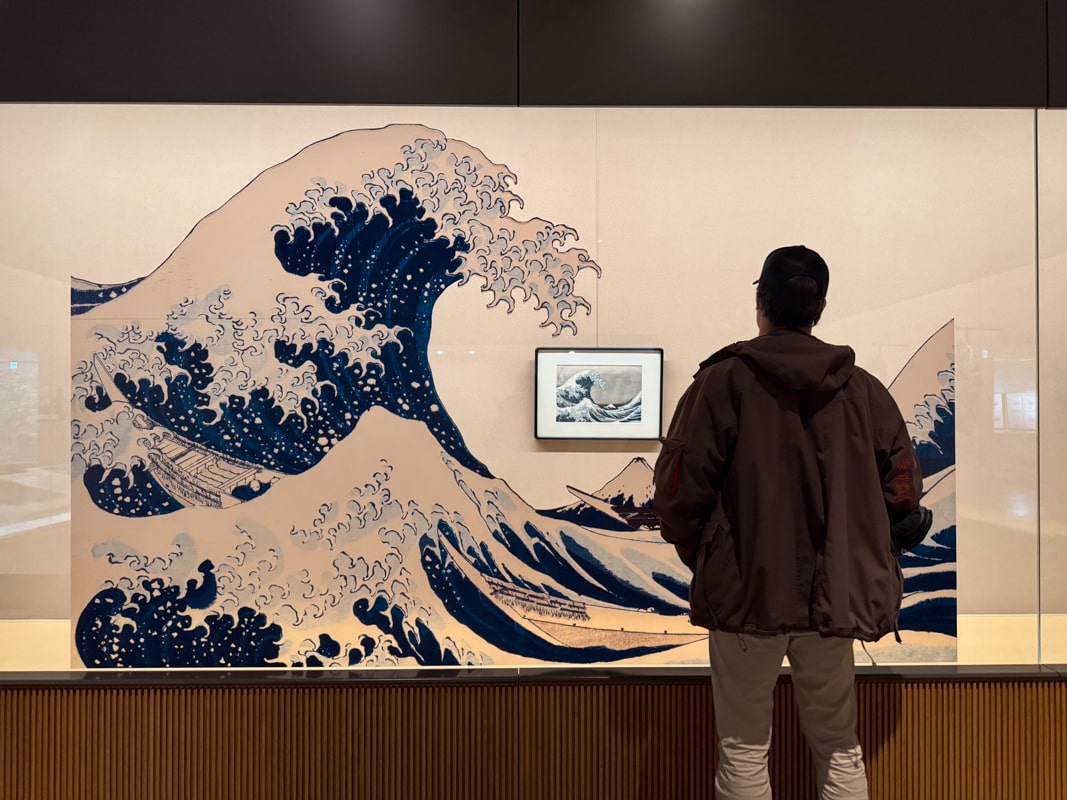
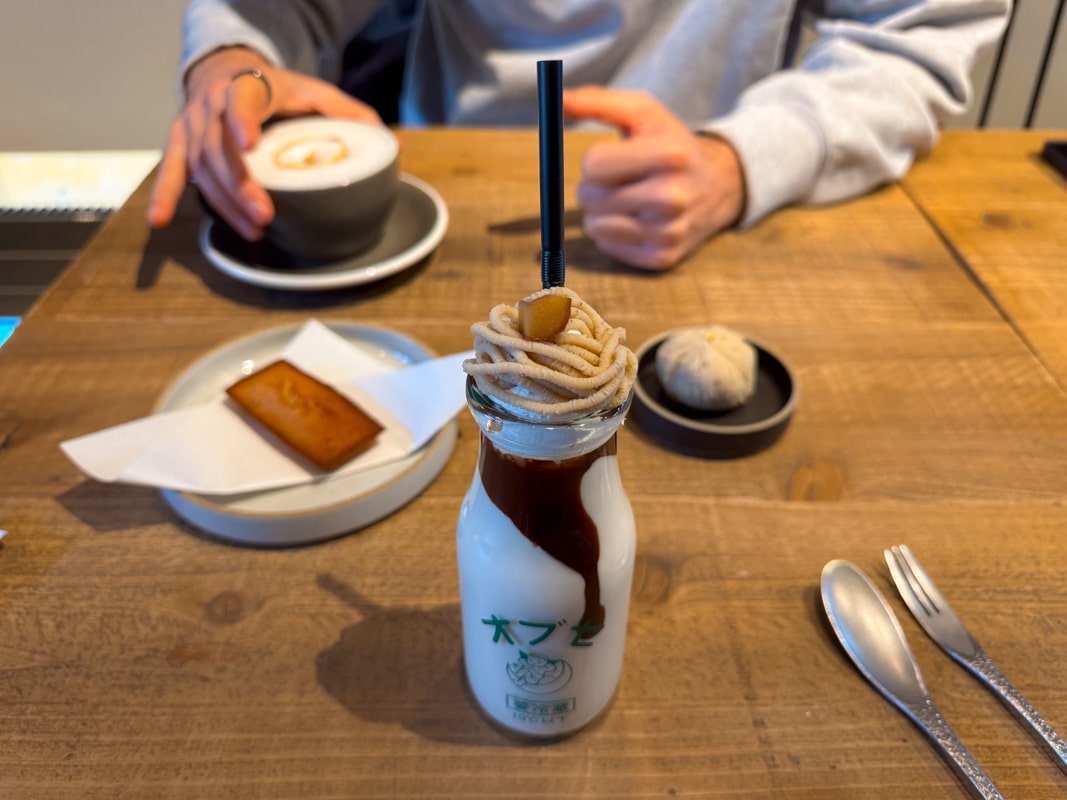
Obuse is famed for its Japanese chestnuts, giving it the nickname “Chestnut Town.” Of course, with a partner obsessed with chestnuts, we had to go!
But chestnuts aren’t the only reason for your visit. This charming town is also home to the acclaimed Japanese artist Hokusai. You’ve seen his work—the famous Kanagawa Wave with Mt Fuji in the background? Yep!
A half-day in Obuse is the perfect slow adventure: dine on chestnut-specialty treats or dishes, and tour the Hokusai Museum at a leisurely pace.
Day 3: Snow Monkeys & Shibu Onsen
For your next day in Nagano’s winter wonderland, head to Jigokudani Yaen-Koen, aka the Snow Monkey Park.


From Nagano, there is a direct bus transfer to Kanbayashi Onsen, where you’ll find the monkey park trailhead.
It’s a pleasant 20–30 minute walk through the snowy forest to reach the wild Japanese macaque monkeys, which you’ll see enjoying hot springs!
Spend about 2 hours here, and then explore Shibu Onsen town.
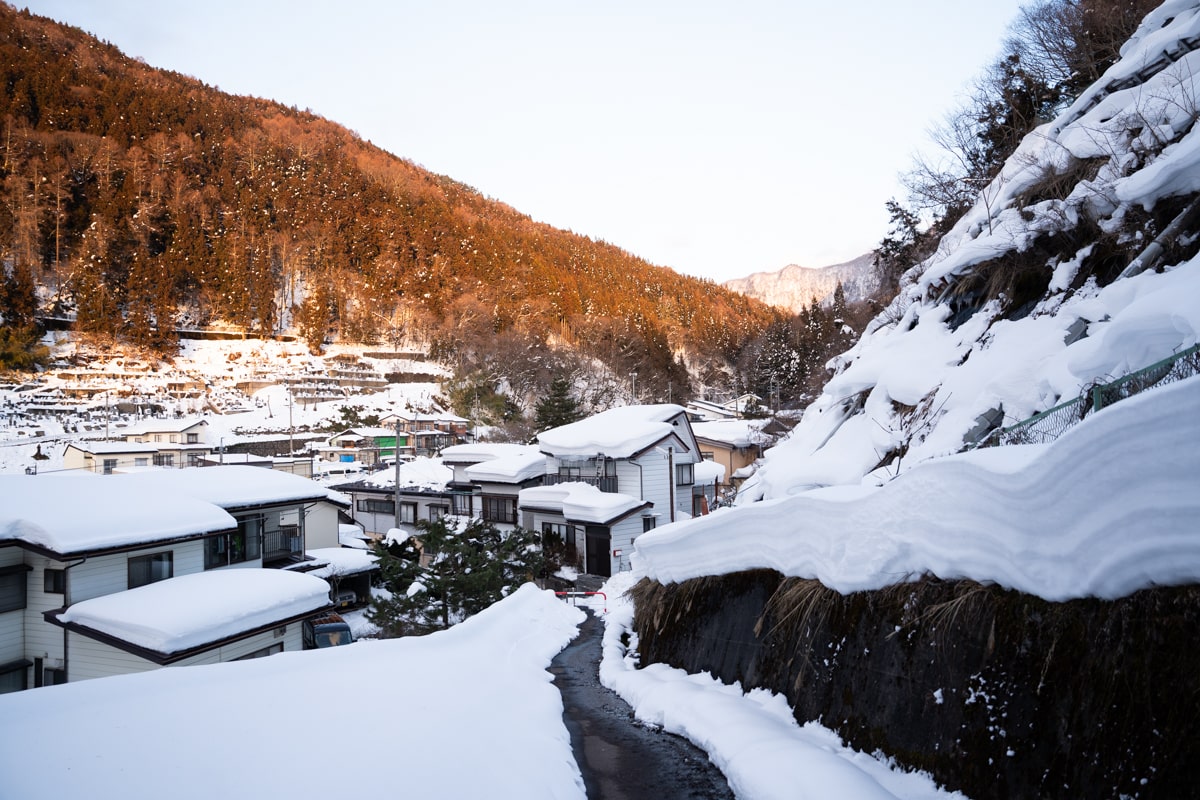
I recommend staying overnight in a ryokan in Shibu Onsen to have the full experience of bath-hopping between the historic town’s 9 bathhouses (and collecting stamps along the way).
I highly recommend:
However, if you want to just do a day trip on your way to skiing in Shiga Kogen, then that’s possible too.
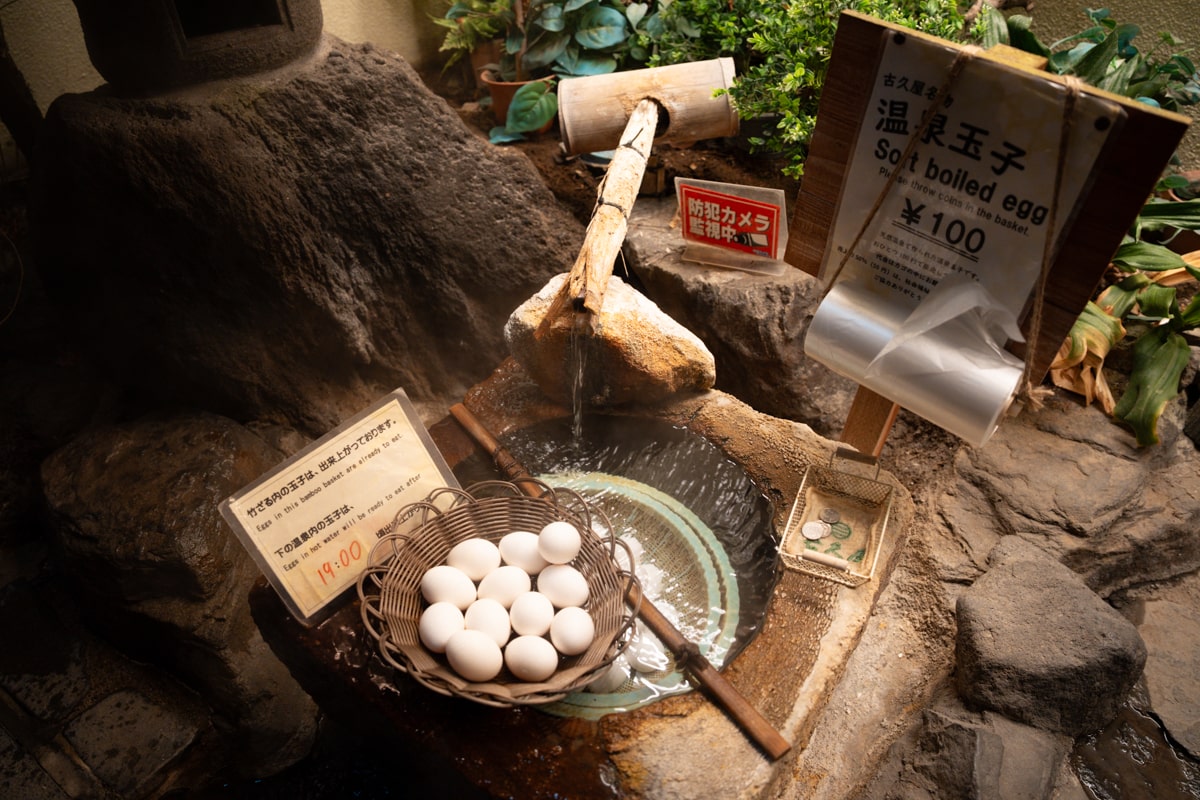
For reference, we stayed four nights near Shibu Onsen to enjoy the area’s onsens and charm, and we spent two full days skiing in Shiga.
Day 4–5: Shiga Kogen Ski Resort (My Choice)
Shiga Kogen is the closest ski resort in this area, and the one I most recommend for first-time skiers in Nagano.
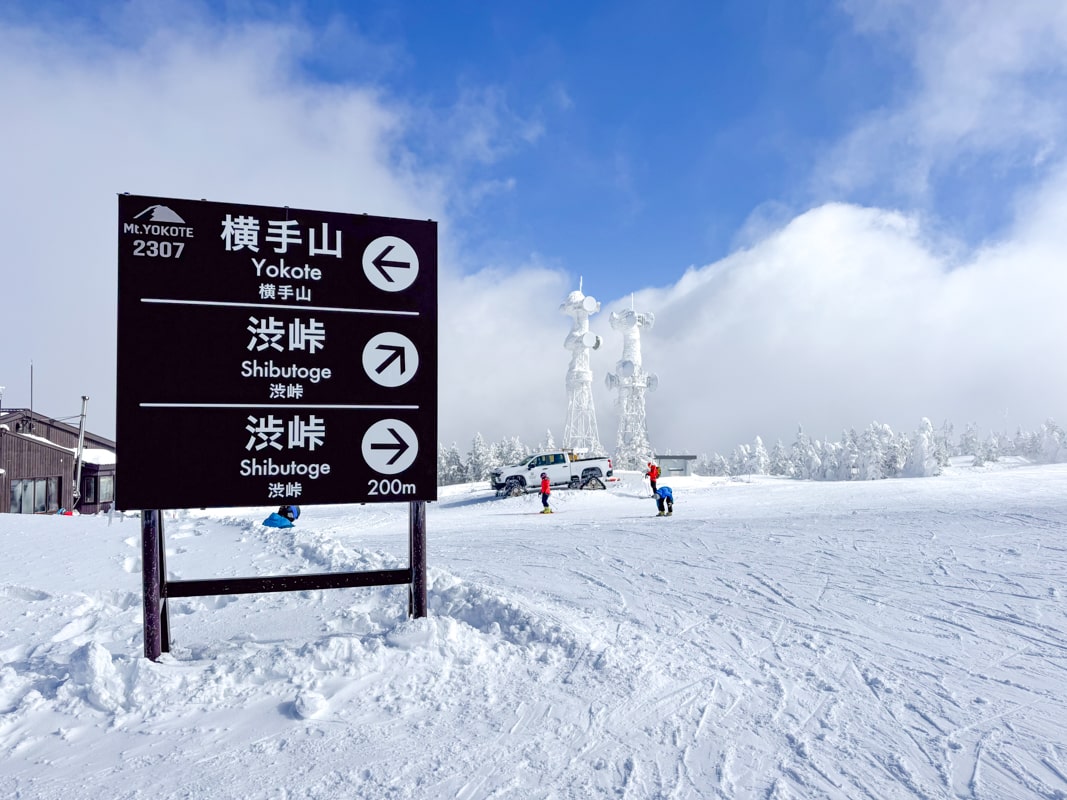
There are several ski-in, ski-out hotels there. However, the second best “base” for skiing is Shibu or Yudanaka, offering access to both the slopes (by shuttle bus) and the hot spring towns.
With 18 interconnected ski zones, Shiga Kogen is Japan’s largest ski area.
As I mentioned above, stay at Hotel Grand Phenix or Prince Hotel East/West/South for ski-in/ski-out comfort or base down in Shibu Onsen (longer transfer times).
Another option entirely is to skip Shiga Kogen as your ski resort of choice.

In this case, you could visit both the snow monkeys and Shibu/Yudanaka overnight or as a day trip, before heading north from Nagano to Nozawa Onsen Village for skiing and onsen experiences, or west from Nagano for skiing/onsen in Hakuba Valley.
There are lots of ways to do it! My best ski resort experience in Nagano was Shiga Kogen, which is why I highlight it here. (It’s also ideal for combining your trip with snow monkeys and onsen towns.)
Oh, and if you’re a non-skier, you can go snowshoe hiking in Nagano’s Myoko-Togakushi Renzan National Park (near Togakushi’s five shrines) or kick back and explore more of the historic onsen villages in Nagano.
To recap:
Alternative Ski Option 1 – Nozawa Onsen
Nozawa is a popular hot spring village located 1.5 hours from Nagano City in northeast Nagano with quintessential Japanese onsen village vibes: public (free) baths, narrow streets, and a lively après-ski scene.
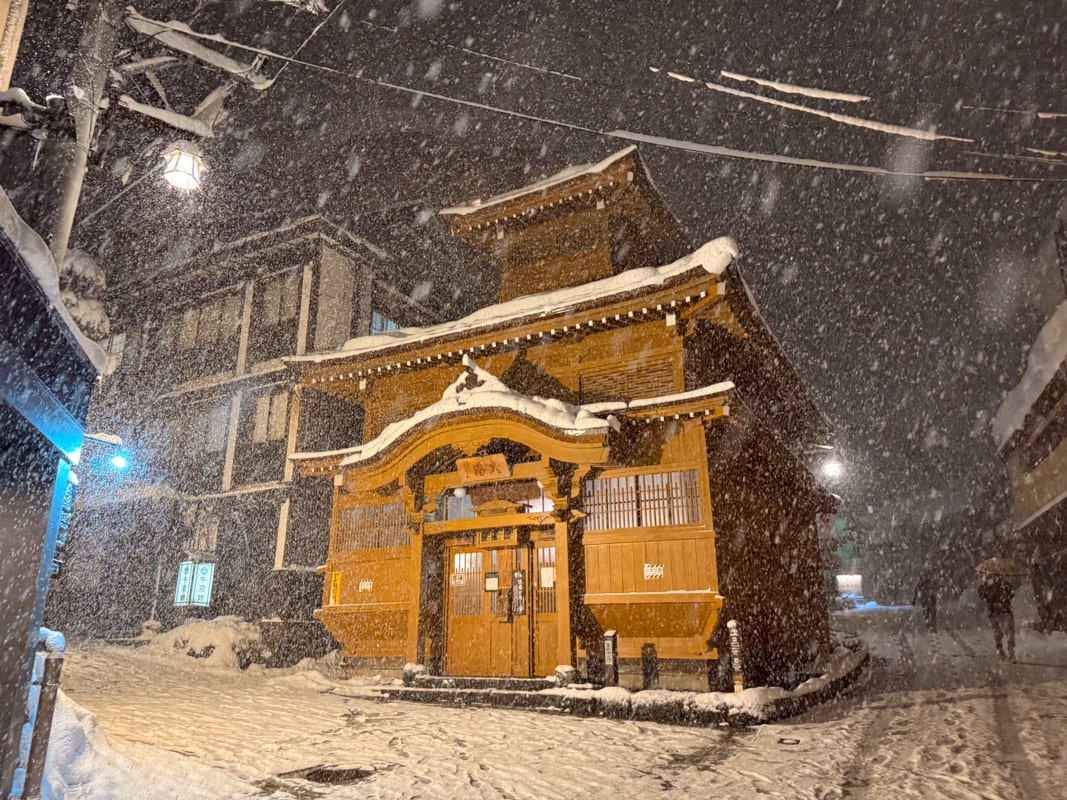
However, it’s so busy and overrun with international tourists, unlike Shiga Kogen.
It is adorable, though, and I don’t regret visiting. The skiing in Nozawa was awesome as well! If you choose Nozawa, try to time your visit around January 15th, when the Nozawa Fire Festival takes place.
💡 Read more: Where to Stay in Nozawa Onsen

Alternative Ski Option 2 – Hakuba Valley
Hakuba is the “other” most popular ski resort town in Nagano. It is world-famous for a reason, though, with gorgeous snow-capped mountains and powdery snow perfect for skiing and snowboarding.
Hakuba is located directly west of Nagano City, and is easily reached with a single bus transfer (check Alpico timetable).
While you can take a day pass in Hakuba, it’s better to spend at least one night to take full advantage of the slopes and ski areas (e.g., Happo-One, Goryu, Iwatake) and evening après-ski culture.
Day 5–7: Matsumoto or Ueda City
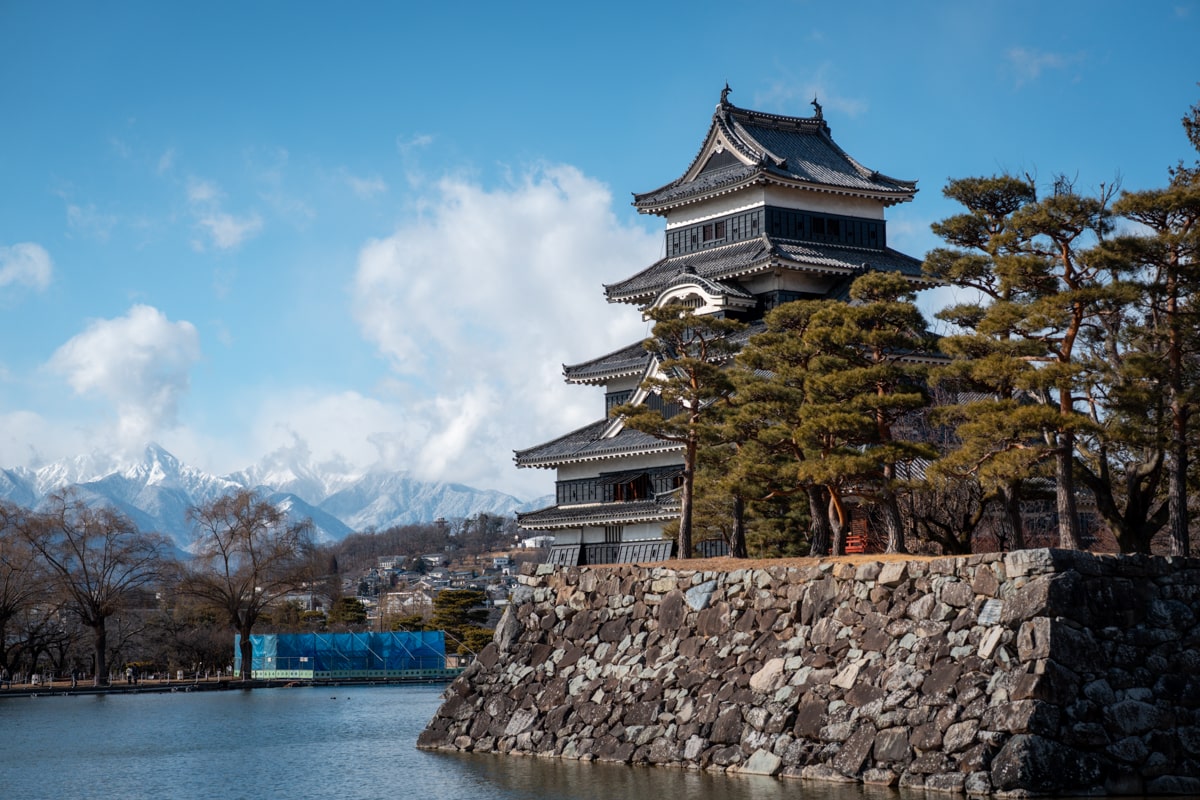
To finish off your winter itinerary, there’s just one more stop to include (or maybe two). I stayed in Matsumoto for roughly two weeks and adored my time there.
This castle town is a very underrated place to visit in Nagano.
In winter, it is even more charming, with fewer crowds around Matsumoto Castle (nicknamed the “Black Crow” castle) and the snow-dusted Japanese Alps in the distance.
Matsumoto also has direct trains back to Tokyo (read my Azusa train experience), making the return trip easy (without having to backtrack to Nagano).
Alternatively, if you want an even more offbeat city to end your trip (with side quests to Bessho Onsen town and Karuizawa), then check out Ueda City.
You can’t go wrong with either!
💡 Read more: Things to do in Matsumoto
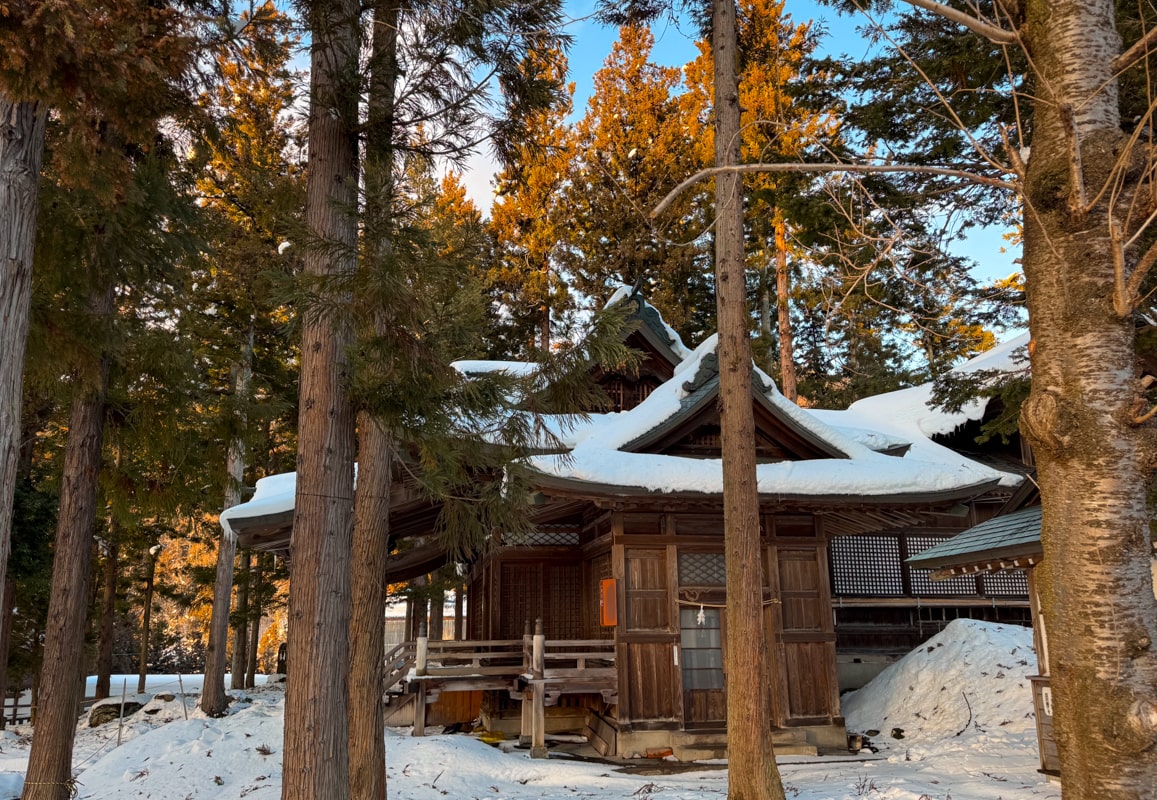
This itinerary follows my own winter in Nagano plan, and I hope it helps you plan yours!
While not possible for everyone, I encourage you to travel slowly and stay longer in fewer places rather than rushing around.
Keep in mind that Nagano has long distances to cover, which are made easier by transport, but in winter, travel times can be longer due to heavy snowfall.
If you’d like extra help planning out your winter itinerary, feel free to ask in the comments below, and I’ll get back to you!




Hi! Planning a spring break trip with my two young teens and husband. Public transportation really adds up for 4- both time and money.Is there a driver service you can recommend?
Hi Emily! Thanks for reading and commenting! Yeah, I can imagine that with four, it would add up quickly. Are you comfortable driving and have your international driver’s license, by chance? For this area, you’d definitely be more flexible with a car.