Best Things to Do in Japan

There are activities you can find and do anywhere in the world… but some things, attractions, and experiences are unique to Japan and offer an even better experience in the Land of the Rising Sun: sipping matcha in centuries-old teahouses, bathing naked in onsen, skiing legendary ‘Japow,’ sipping sake in smoky izakayas, hiking historic pilgrimage trails, praying at fox kami at famed Shinto shrines… shall I go on? Here are some of my Japan bucket-list experiences to inspire your own!

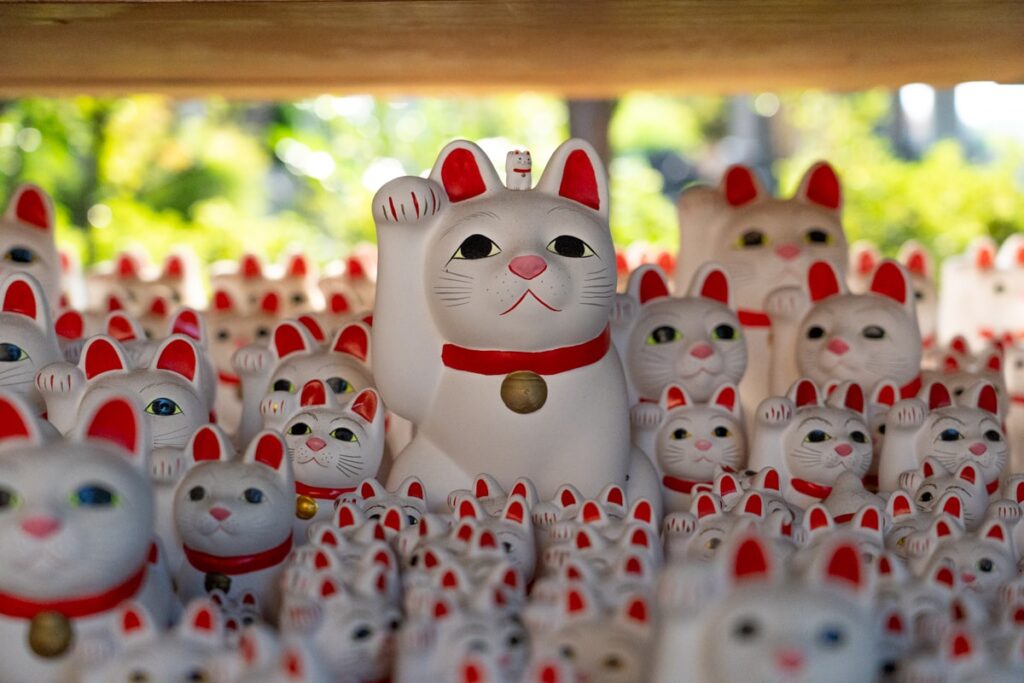
Rows of maneki-neko lucky cat statues at Gotokuji Temple in Tokyo.
Neon-lit streets of Akihabara at night with colorful signage and crowds.

insider access

Sign up for my latest Japan bucket list tips, underrated experiences, and more!

Attractions: $10 – $75+

Find things to do

Top Tours: $25 – $50+

Book a tour

Hotels: $45 – $105

Check hotels

Hostels: $18 – $35

Check hostels

Shinkansen: $45 – $95

Find bullet train tickets

Flights: Starting at $600

Find flights to Tokyo

eSIM Cards: $5 – $15

Get a Japan data eSIM

Travel insurance: $56 / 4 weeks

Get travel medical insurance

An immersive art installation featuring hundreds of glowing orbs and a woman walking through the display (teamLabs Borderless digital art museum, Tokyo).

FAQ – Things to Do in Japan

For most major experiences, no. Booking platforms, tours, and popular attractions usually offer English support. But in more local or rural settings, you may have trouble navigating. A translation app goes a long way, and sometimes not sharing a language makes the experience even more memorable!

Yes, I think so! Especially for food, history, or places where having a guide or extra context matters. Guided tours can help you access local izakayas, understand cultural nuances, or navigate areas where English signage is limited (and it is). I tend to mix guided experiences with plenty of free wandering so the trip still feels personal and flexible!

Honestly, it depends on the experience and the season. Tours like tea ceremonies, food tours, theme parks, and seasonal anything (cherry blossom season, fall foliage, skiing) often sell out in advance. That said, many cultural experiences, temples, shrines, and neighborhood wandering can still be enjoyed spontaneously and even last-minute, which is one of my favorite ways to travel in Japan!

Hard to say, yes, they can be, but they’re worth it! But remember… any of Japan’s most “local experiences”, such as visiting shrines, temples, neighborhoods, and nature, are free or very low cost. Paid activities like workshops, tours, and attractions can add up, but you can save going mid-week, and booking far in advance.

Hello, yes!! Japan is one of the easiest and safest countries to explore solo (in my opinion). Many experiences are actually best for solo travelers, from counter-style dining to capsule hotels and guided tours. As a solo traveler myself, I’ve found Japan incredibly comfortable, respectful, and empowering to travel alone.

There’s so much hype about Japan being “overcrowded” — and yes, cities like Kyoto can’t handle the mass amounts of tourists. But, for me, it’s all about how you visit. You can still experience quiet corners of Kyoto, for example. Going early, traveling outside peak seasons, supporting local businesses, and balancing famous sights with quieter neighborhoods helps reduce pressure on overcrowded areas. Japan has so much more to offer beyond the classic route, and spreading out makes the experience better for you and everyone else.

A woman wearing a purple kimono stands in a traditional Kyoto teahouse garden with a red parasol in the background, surrounded by stone lanterns and plants.
A colorful view of Super Nintendo World at Universal Studios Japan at dusk, featuring Yoshi's Adventure ride, Kinopio's Cafe, and Bowser's Castle.
A bowl of Japanese tsukemen dipping ramen with a side of broth, soft-boiled egg, and greens, served with a bottle of Asahi beer at a udon restaurant in Tokyo.

Bucket List Experiences to Have in Japan

As I said above, some experiences in Japan are iconic for a reason, but what makes them truly special is how you experience them. 🥰

Here are some of the most bucket–list–worthy things to do in Japan, plus what to know when planning them.

Take Part in a Traditional Tea Ceremony

A tea ceremony in Japan is not “touristy,” though it can be overcrowded and mass-marketed.

When you sign up for one with intention, you can learn a lot about this quiet, intentional ritual incorporating harmony, respect, and presence, and the meaning of ichi-go ichi-e (one time, one moment) philosophy that best characterizes matcha tea ceremonies.

Many ceremonies take place in historic teahouses in Uji (the capital of matcha), Kyoto (the ancient cultural capital of Japan), or traditional neighborhoods in cities like Tokyo or Osaka, and some include kimono rental and guided explanations of the practice.

Bathe in a Japanese Onsen (Hot Spring)

Soaking naked in an onsen is one of the most uniquely Japanese experiences you can have — and often the most intimidating at first. 😅

From outdoor rotenburo surrounded by snow to indoor public baths in cities and small onsen towns alike, onsen culture is all about slowing down, unwinding, and being present.

Onsen etiquette matters, and tattoo policies vary, but many places now offer private baths or tattoo-friendly options. The best places to experience onsen, in my opinion, are in small onsen towns, but even cities like Tokyo will have retro bathhouses in traditional neighborhoods like Yanaka, where you can experience late-night public bathhouses (sento).

  • Onsen day-use: ¥500–¥2,000 / $4–$15
  • Sento ticket: ¥200–¥1,000 / $2-7
  • Search for ryokan with onsen baths

Ski Legendary “Japow”

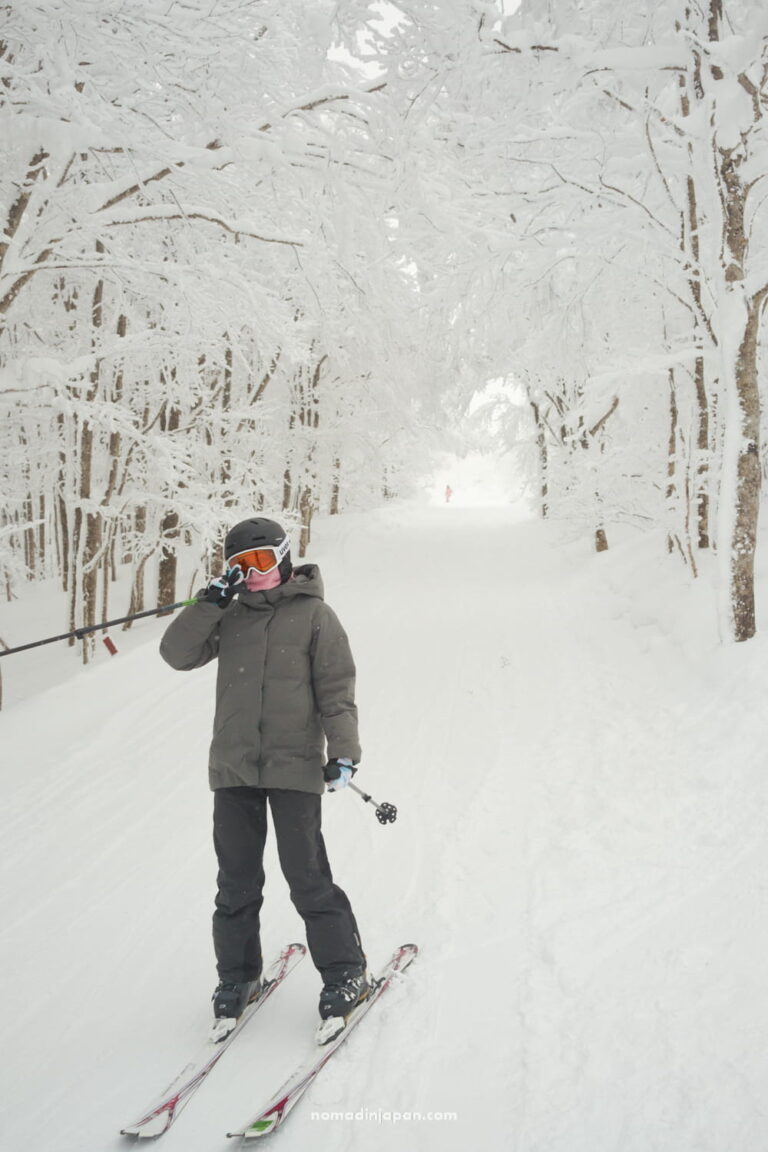
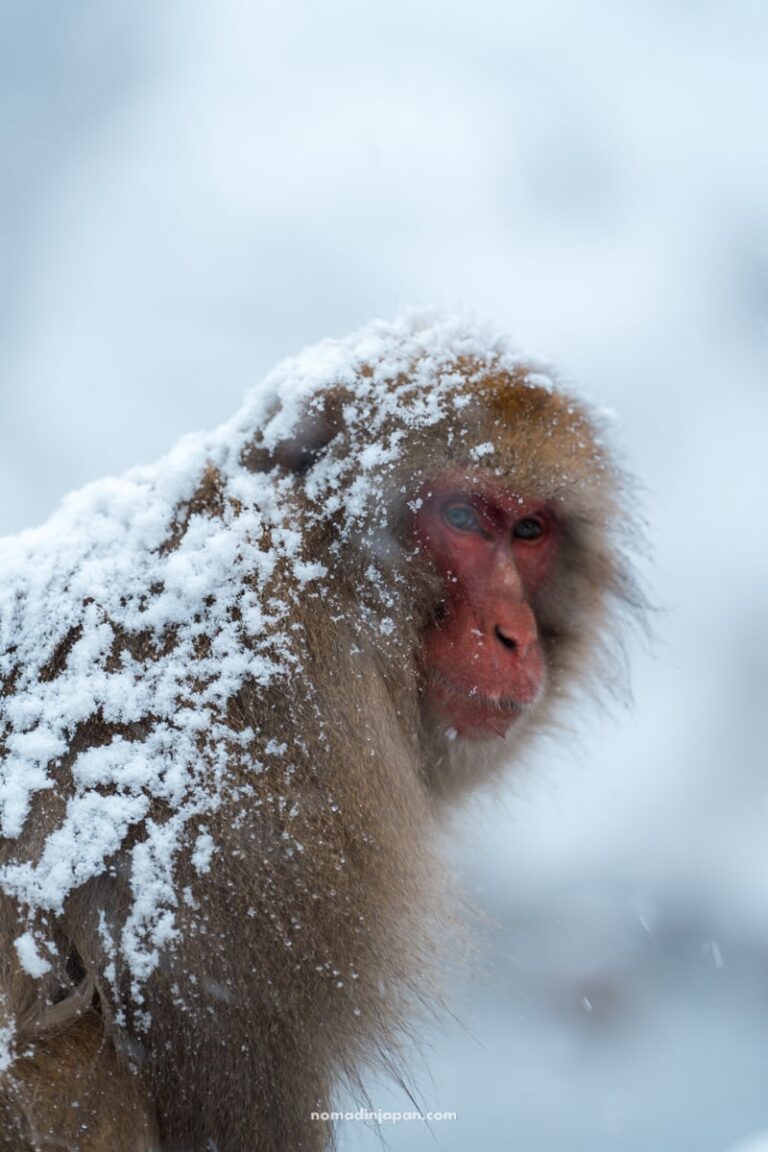
Japan’s powder snow is world-famous, and ski towns like Nozawa Onsen Village combine ski stations with public (often free) hot springs, local food, and cozy mountain ryokan. Even non-skiers can enjoy winter onsen towns, snowy walks, and après-ski culture!

Winter accommodation sells out fast, especially in January and February, so booking ahead is essential.

Eat & Drink in Late-Night Izakayas

Izakayas are where “everyday Japan” comes alive. 🏮

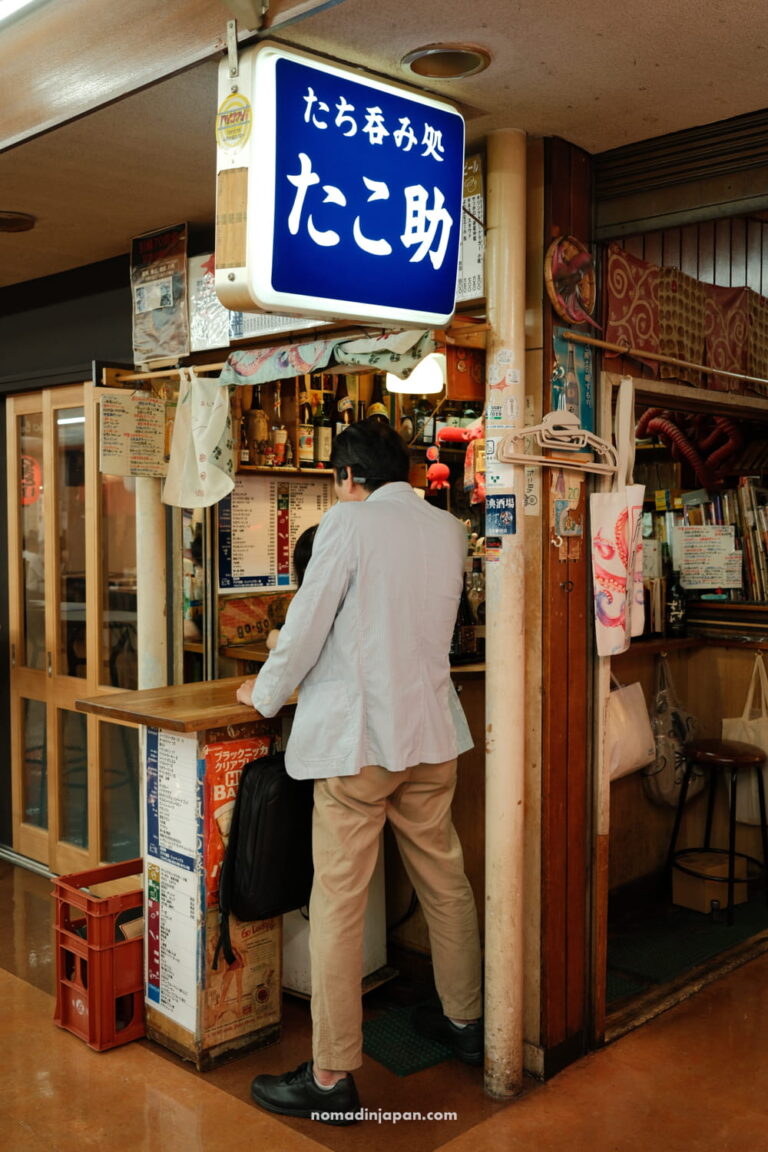
So don’t miss out on those (preferably off the beaten path, where no English is available!). Think yakitori, small shared plates, local sake, and handwritten menus. Food tours are a great way to ease into this scene, especially if you don’t know any Japanese, and are abundant in foodie cities like Tokyo, Osaka, and Fukuoka.

Walk Through Shrines, Temples & Sacred Trails

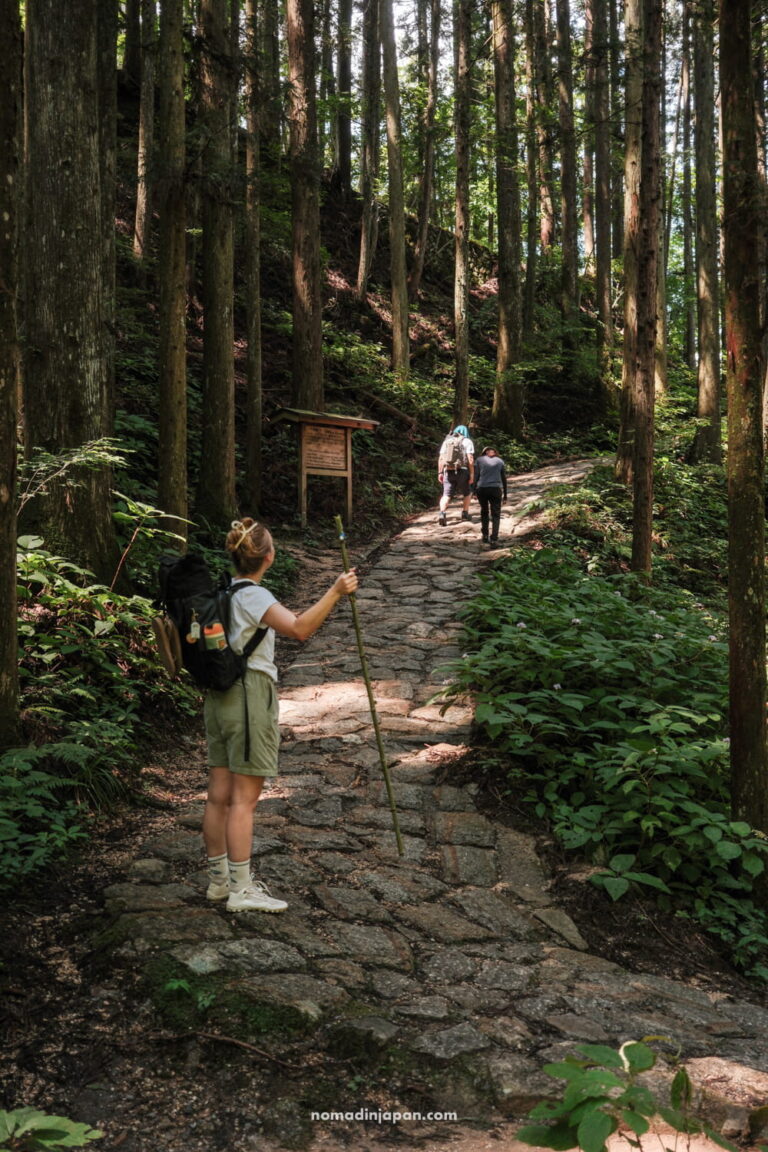
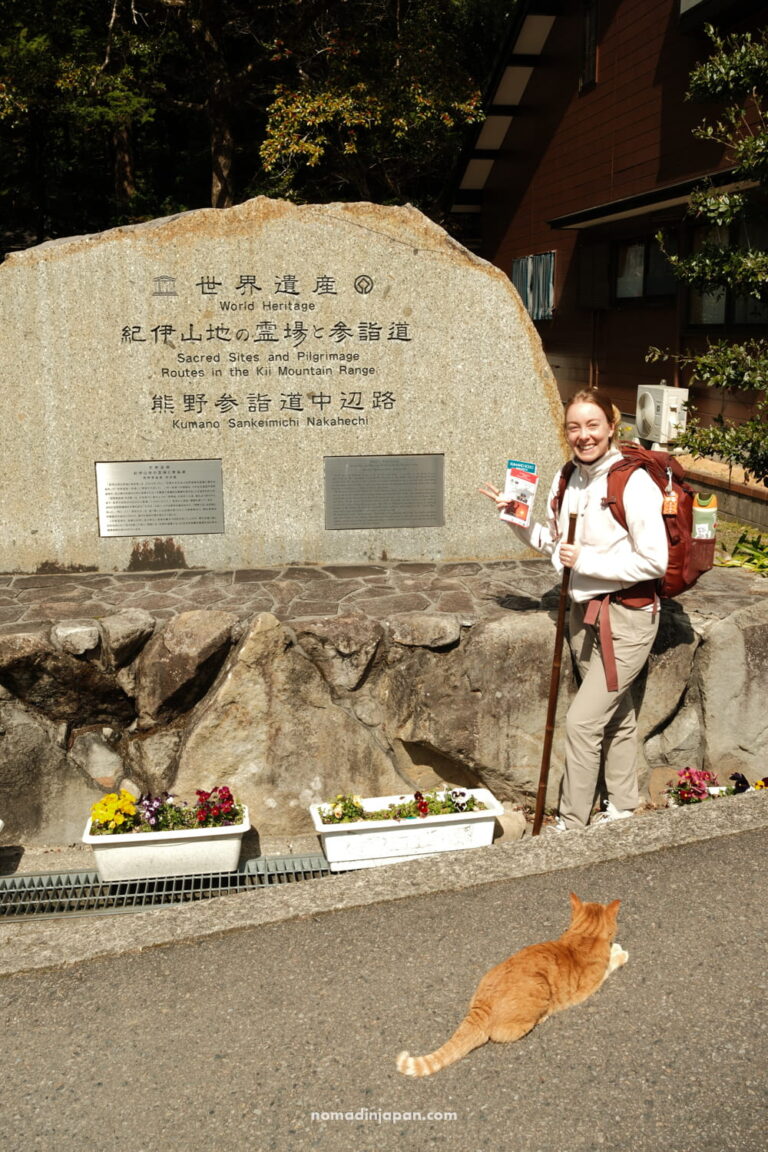
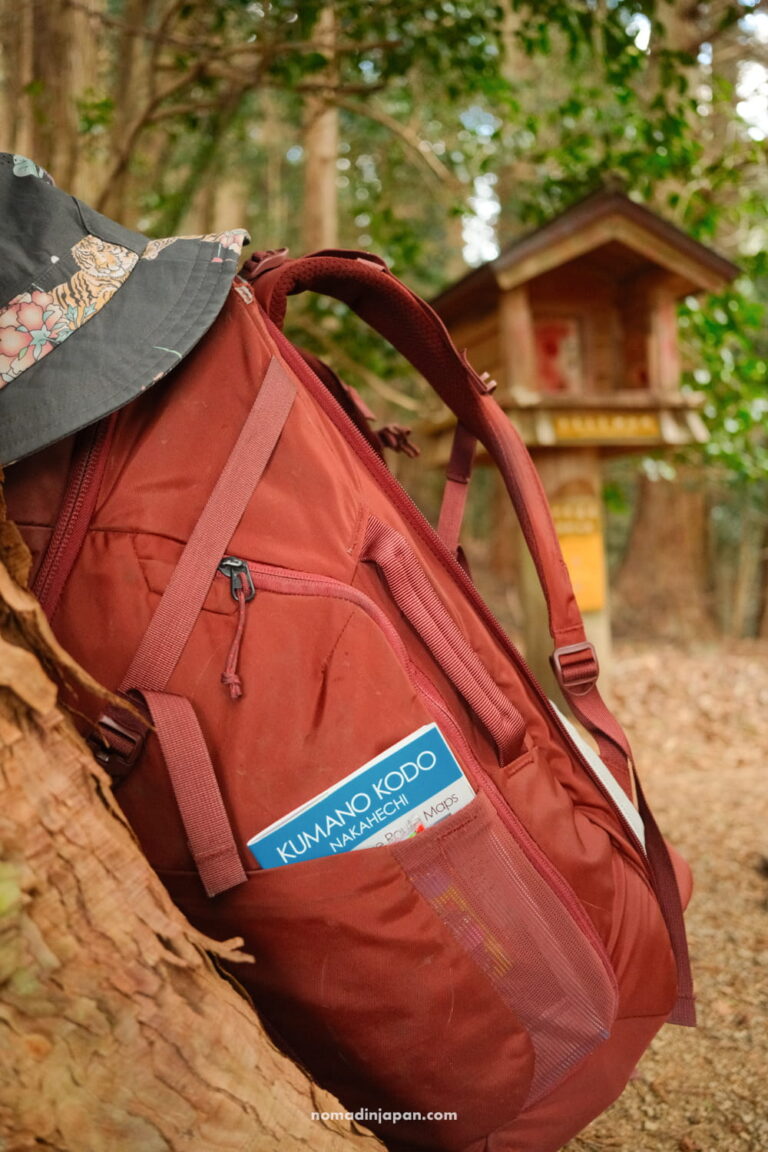
Like izakayas, Japan’s spiritual side is also deeply woven into daily life! Hiking pilgrimage routes like the Kumano Kodo, the Nakasendo Trail, or the Shikoku Trail, or even visiting lesser-known temples, offers a slower, more reflective way to experience the country, both inside and outside major cities.

Many of these experiences are free or low-cost, making them easy to incorporate into any itinerary. PS — Pick up an omamori from a Shinto shrine in Japan. These Japanese amulets bring good luck and fortune!

  • Shrines & temples: Free–¥500 / $0–$4
  • Find guided walking and temple tours on Viator

Ride the Shinkansen

Japan’s bullet trains are not just for transportation, they’re an experience on their own!

The Shinkansen (Japanese bullet train) makes it easy to travel between major hubs while still enjoying scenic views along the way. Grab a bento box (lunch) for eating on the train. 🍱

Visit a Theme Park or Pop-Culture Attraction

From Super Nintendo World to the Studio Ghibli Museum, the Harry Potter Studio Tour, and seasonal exhibitions (to even quirky things like manga malls in Akihabara), Japan’s pop culture experiences are WILDLY immersive, and I consider them must-dos. These tend to sell out in advance, so booking early is key!