A Day in Kagurazaka: Wandering Tokyo’s Geisha District & French Quarter
The first time I alighted from Kagurazaka Metro Station was in the peak heat and festivities of Tokyo summer. Awa Odori dancers, clad in flowy garments and wooden clogs, chattered away on street corners waiting for the drumbeats to signal their parade.
On my most recent visit, I stepped out of Edogawabashi Station, just north of Kagurazaka’s “downtown,” bundled up in a hat, scarf, and gloves, and strolled down a retro shopping street, past neighborhood grocers and fast-food noodle shops, to check in to my hotel.

At least twice a year, I come to stroll these chic, French-influenced streets in Tokyo. It’s interesting how much of Japanese culture lies hidden here, tucked away on one of Kagurazaka’s sixty historic hills.
I’ve since wandered Kagurazaka on multiple occasions. Most recently, I went for an early-morning walk and came across more things to do that I’d consider ‘hidden gems.’
In this guide, I’m sharing how to spend a wonderful, slow day exploring one of central Tokyo’s underrated neighborhoods.
Kagurazaka French Quarter in Tokyo: A Former Geisha District in Shinjuku City
Kagurazaka sits tucked away on the far eastern side of Shinjuku City. Yep — this little French Quarter is in Shinjuku, and yet, worlds away from Golden Gai or Godzilla Street.
It also sits comfortably between the edges of Chiyoda City (think Imperial Palace) and Bunkyo City (think Tokyo Dome).
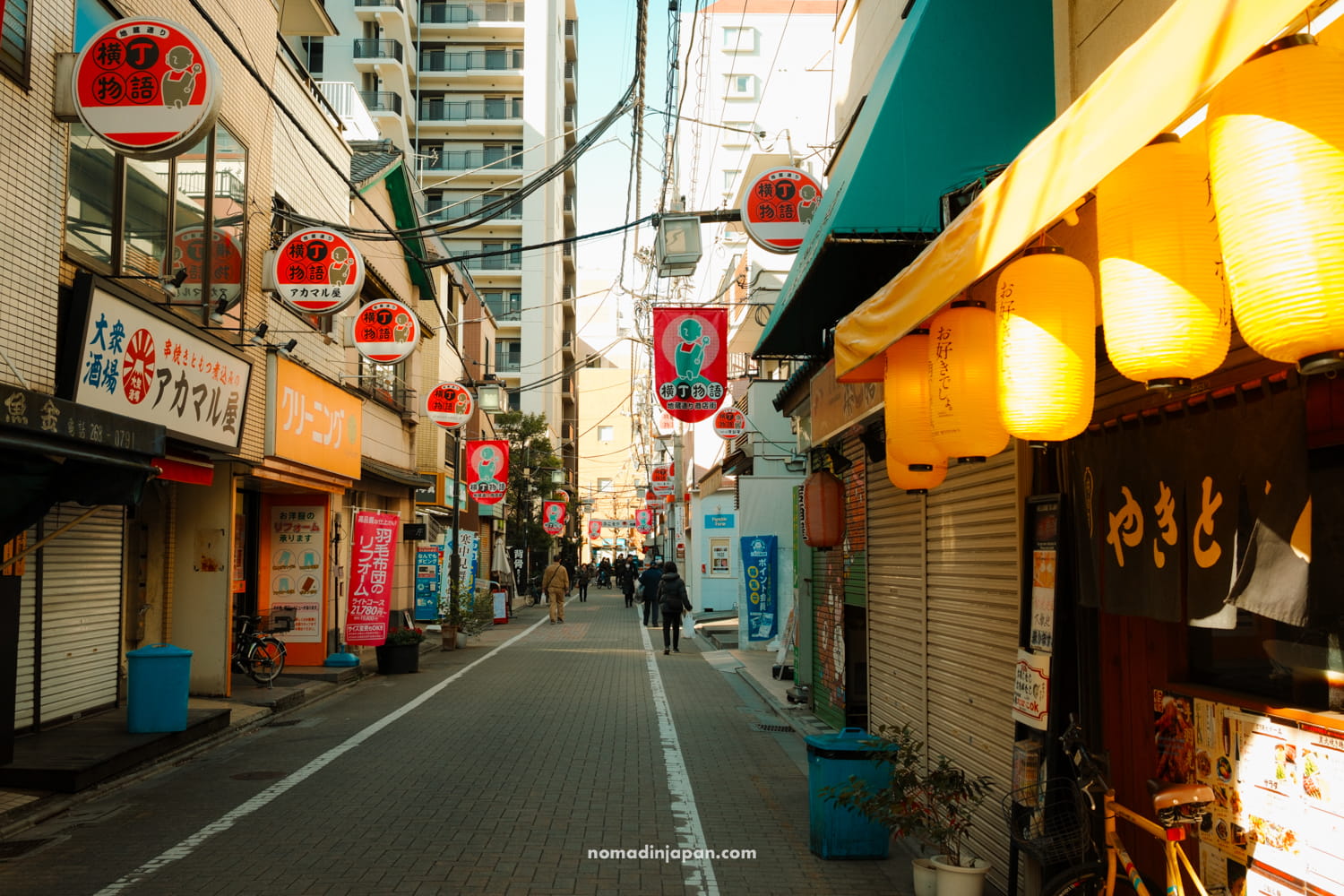
While it’s centrally located in Tokyo and easily accessible via the Edogawabashi, Kagurazaka, Ushigome-kagurazaka, and Iidabashi Metro Stations, it feels very removed from the “big Tokyo” hubs.
While you won’t find Parisian-style sidewalk cafés per se, this area is often referred to as Tokyo’s French Quarter due to its large number of French expats and institutions, including the Institut Français in Tokyo, which we visited during La Fête de la Musique over the summer (a popular French Music Festival).
A little-known fact about Kagurazaka is that it was once a geisha district. You can still walk down yokochos (lanes), weaving throughout Kagurazaka’s hills, and seep in the atmosphere of the Geisha Shindou. Even today, many kenban offices, where geisha study and practice their art, remain in Kagurazaka.
How to Spend a Slow Day Wandering Kagurazaka
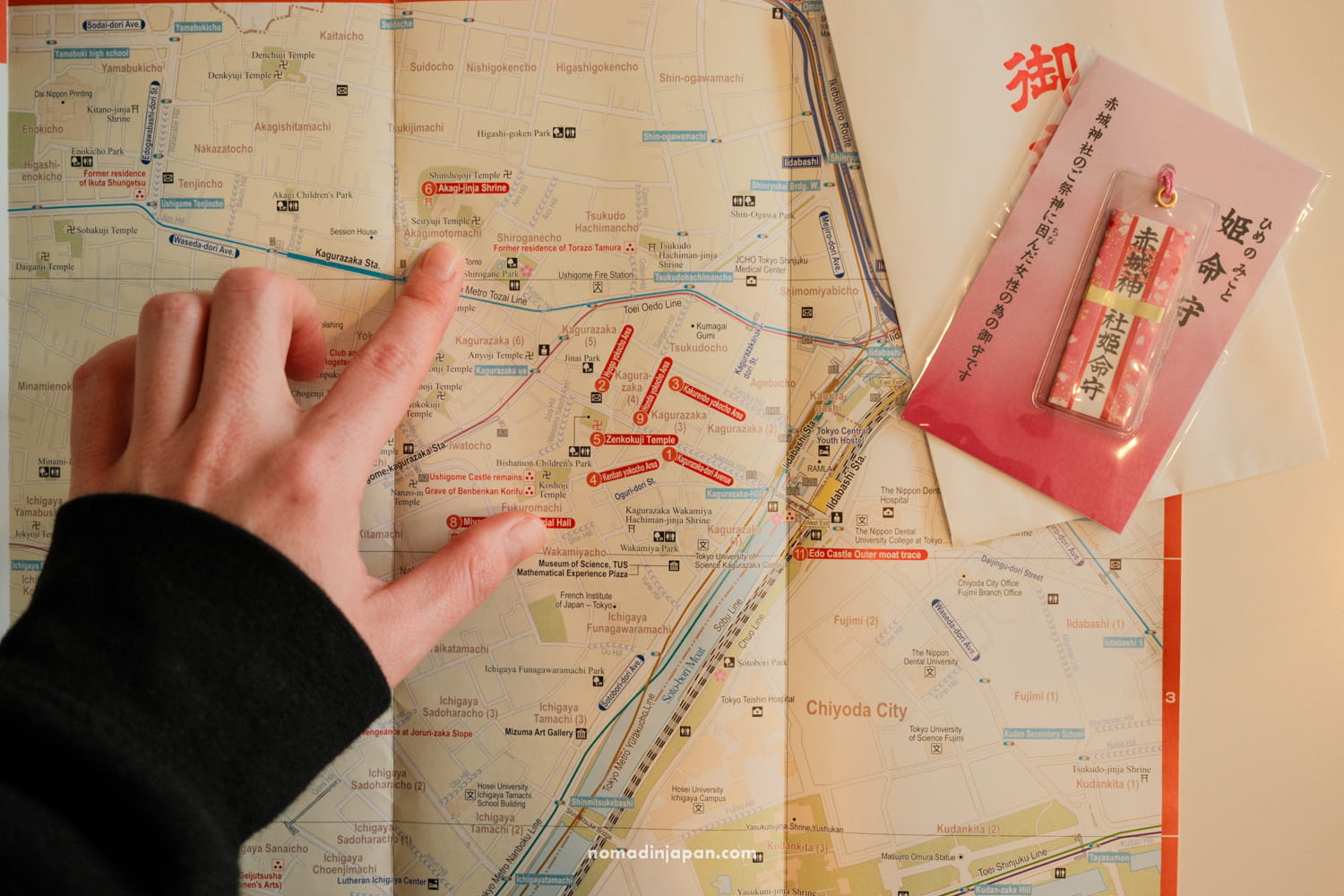
Ultimately, Kagurazaka is a neighborhood for discovering on foot.
You can do a self-guided stroll, or take part of a guided walking tour for a more complete experience!
As mentioned, Kagurazaka (with zaka literally translating to “slope”) is a hilly area spread across many narrow lanes and small “towns” (machi), such as Tansu-machi and Nando-machi.
So there’s much history here, hiding in plain sight, down many hidden alleyways and small lanes to get lost in.
Wander the neighborhood’s hills
The best thing to do is simply walk Kagurazaka’s historic alleys in search of hidden gems.
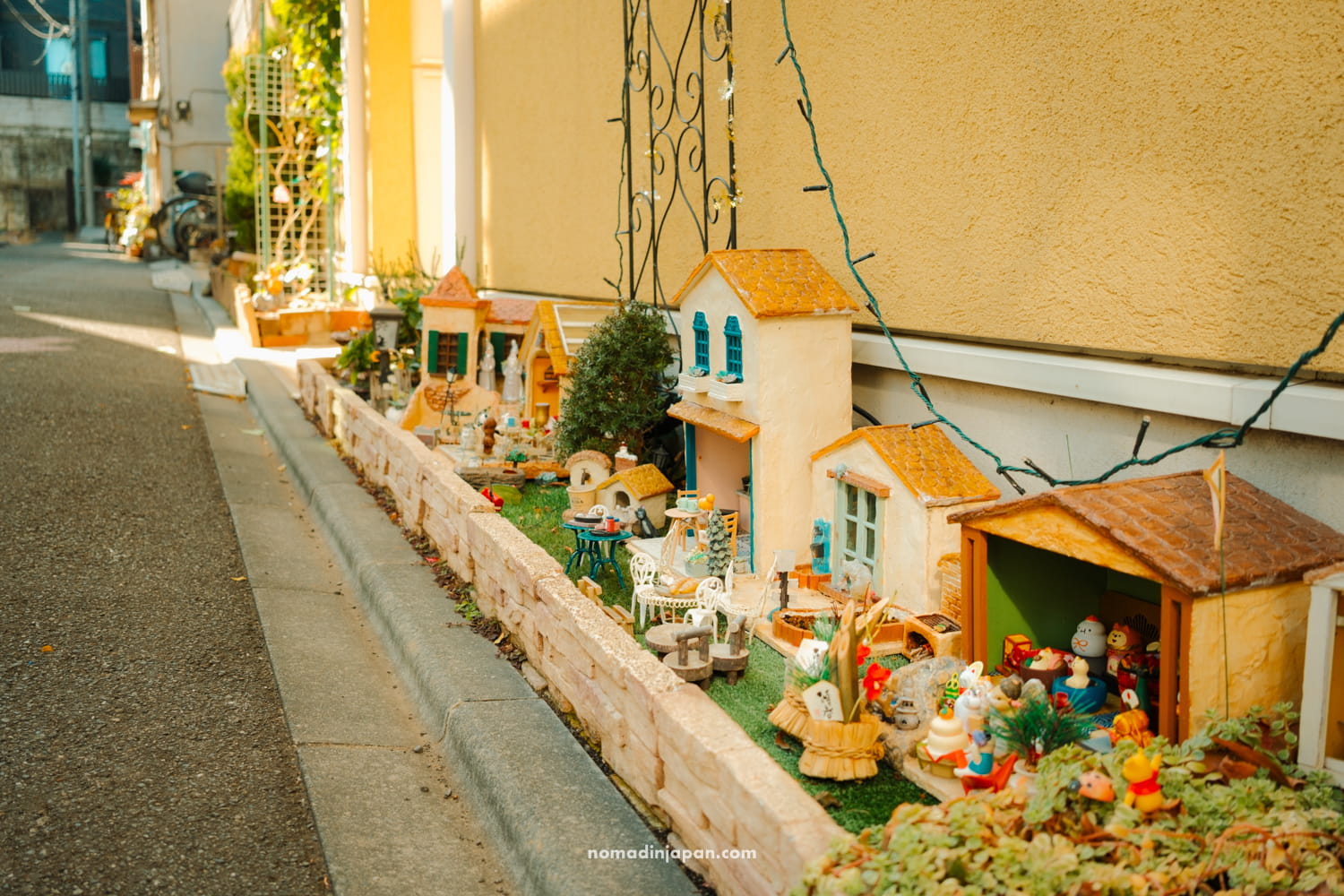
You’d be surprised at what you can find on the backstreets, away from the more buzzing Kagurazaka-dori Avenue, lined with multi-floor izakayas, restaurants, and offices.
If you’re heading on on your own without a guide, start out walking down the main avenue (Kagurazaka-dori Avenue), meandering off on the side lanes of Hyogo yokocho and Hondo yokocho, and making your way slowly to Akagi Shrine.
Pick up a good luck amulet at Akagi Shrine
Akagi Shrine is a Shinto shrine that has become a new favorite of mine in Tokyo.

Akagi-jinja is said to be over 700 years old and enshrines Iwatsutsuo-no-mikoto and Akagihime-no-mikoto, a goddess who protects and grants the wishes of women. 💖
I found the grounds to be beautiful and inspiring, surrounded by greenery. The temple also has a cafe on the first floor, in addition to a tourist-friendly reception with a cute variety of omamori amulets (good luck and protection charms).
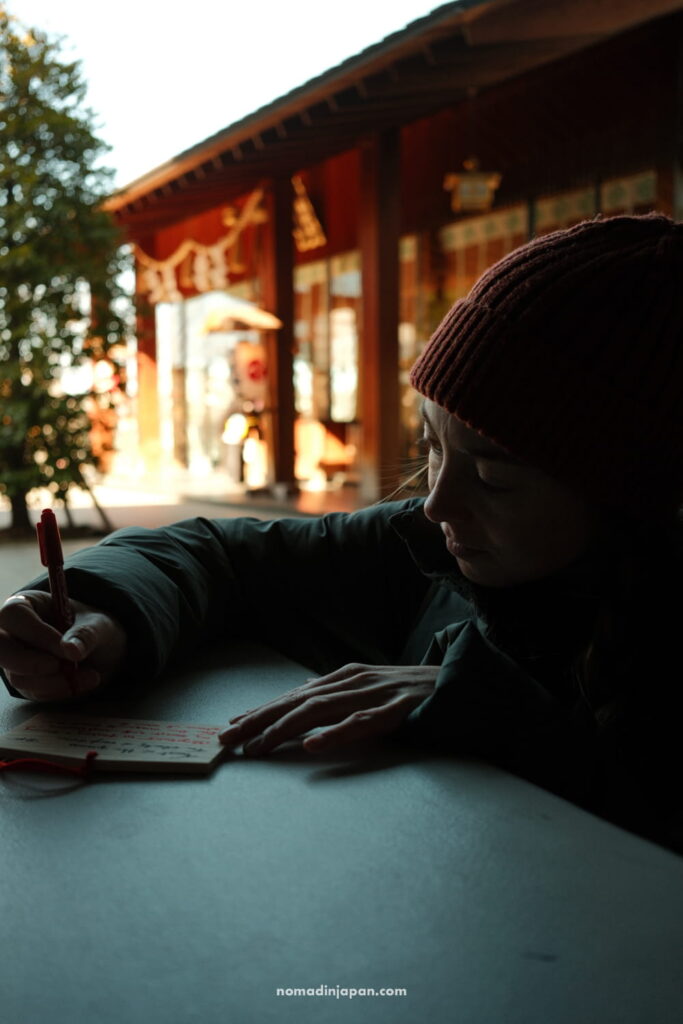
I chose a pink one with protection from Princess Akagi and also purchased a small Koma inu (lion-dogs) ema (wooden wishing plaque), which we hung on the wooden racks.

Pop into stores, bookshops, and coffee shops!
For a slower stroll, I recommend my favorite neighborhood coffee shop: Akma Ama Kagurazaka.

We came here nearly every morning for our walks during our 5-night stay in Kagurazaka. Get the maple cinnamon latte; you won’t regret it!
Beyond specialty coffee shops, notice all of the French-inspired restaurants like Le Bretagne (which serves savory French crêpes from the Bretagne region!).
Even the names of cafes and street signs will be French-inspired.
You can even find French bakeries and fromageries (such as Fromagerie Alpage), though I would be remiss not to mention the long-standing, traditional Yoshiume Café or the Kagurazaka-dori street corner shop serving giant Japanese pork buns.

This is why Kagurazaka is an underrated place to visit in Tokyo: it has such an interesting confluence of Japanese and Western, traditional and modern.
After visiting Akagi Shrine, head down the stone steps near the torii gate. Down this quiet, residential street, you can pick up exquisite, homemade doughnuts from Doughut Mori. (We got the honey butter glaze. Incredible!)
Then, you can finish visiting around Kagurazaka by swinging by the Zenkokuji Temple or heading back toward the river to stroll along the Edo Castle Outer moat area or pop down for a bite in the Canal Café.
With more time, consider getting tickets to catch a show at the Yarai-Noh Stage, the only classical Japanese music drama theater registered in Shinjuku City (per the Shinjuku City Tourism Office).
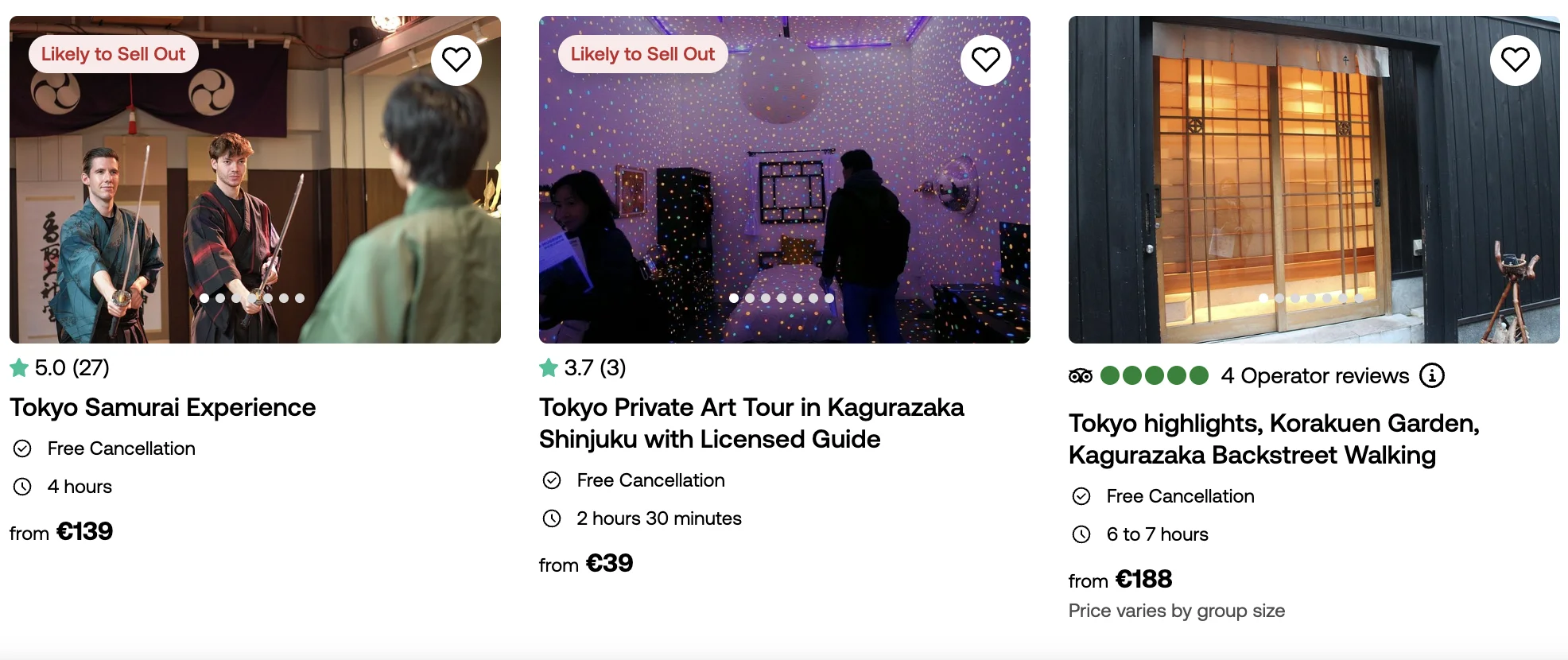
You can even sign up for a samurai class + Kagurazaka tour all in one!
Mostly, though, Kagurazaka just requires your two feet and eyes to notice its quiet, unassuming, and long-standing history.
Finally, for enjoying Kagurazaka in the evenings and early mornings, I recommend choosing to stay in the area for 1–2 nights. It’s a good choice for longer itineraries in Tokyo, with easy access to the center and other major hubs.
We stayed in this apart-hotel between Kagurazaka and Edogawabashi, which was spacious and ideal for a digital nomad-friendly stay.

However, if you want to seep in Kagurazaka’ geisha atmosphere, consider a more traiditonal-style hotel with Showa-era vibes like the Retro Hotel & Bar.