A Slow 4-Day Nagasaki Itinerary: History, Culture & Hidden Corners
Because WWII’s second atomic bomb will forever shape Nagasaki’s past, present, and future, it’s what most tourists know Nagasaki for. But how many can talk of its lasting peace, its people’s hospitality, its cute bob-tailed street cats, its distinct Japanese-international character?
While you may visit Nagasaki initially for the Atomic Bomb Museum, my hope is you’ll remember it for much more than that.
This is why I traveled solo to Nagasaki in the first place: What’s the city really like? What I discovered in just four days there completely changed my perspective and understanding.
In this post, I share my favorite experiences, things to do, and recommendations for a 3-day, or slower 4-day, visit to Nagasaki.
Day 1: Getting Acquainted with Nagasaki’s Port City Charm & Million-Star Views
Your first day in Nagasaki should be about just arriving.
One of the best things you can do is simply get out in the streets and look, on your own two feet with your two eyes, and walk around the center (which the A-bomb blast miraculously didn’t destroy).
Discover Nagasaki center by foot
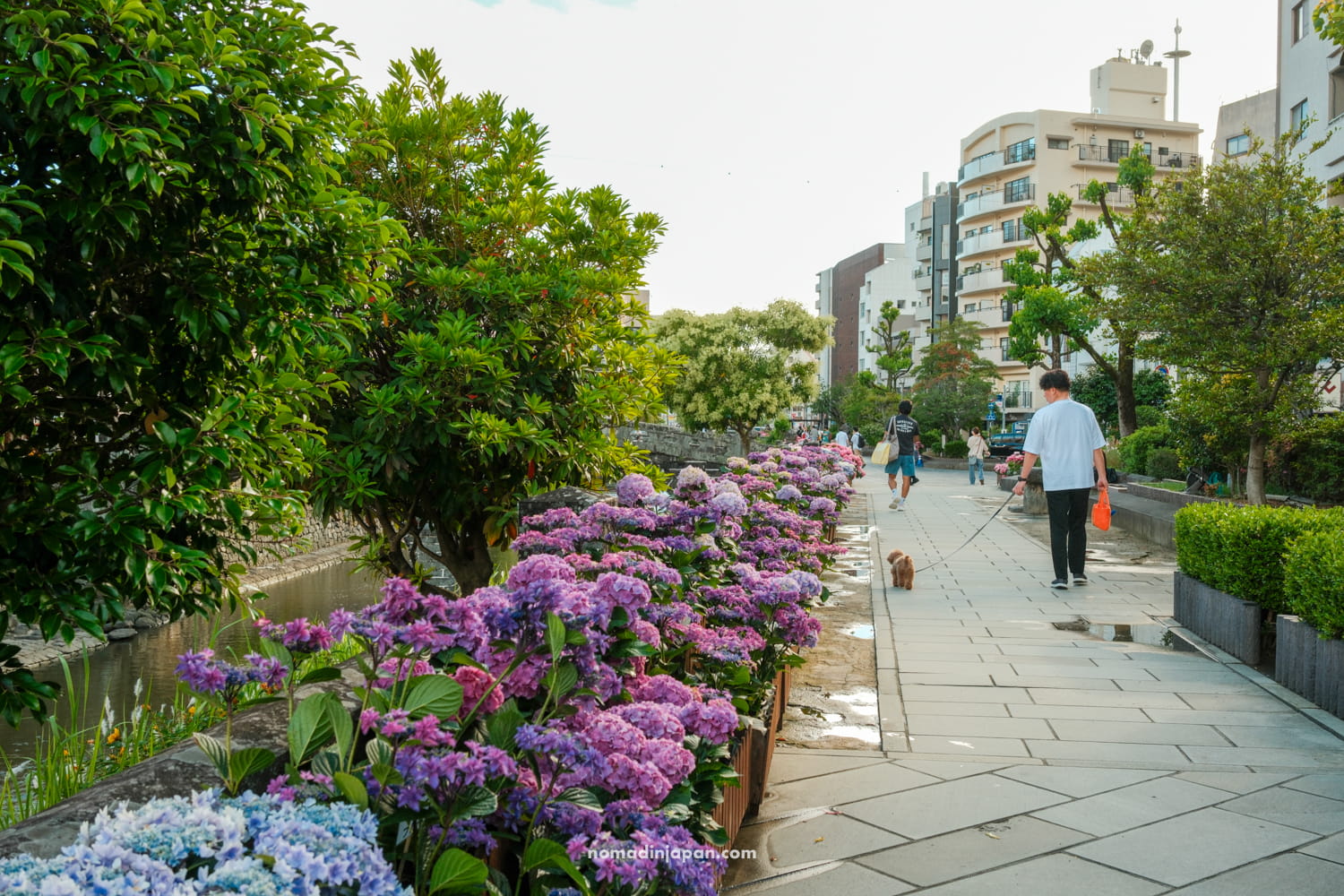
Luckily for us bipedals, Nagasaki is a city that rewards the walker.
In between your hotel and your destination, whether a museum, a specialty coffee shop, or Japan’s oldest Chinatown, you’ll find quiet parks, Catholic churches with stained glass, toilets with hidden mosaic decorations, smoky coffee houses, and many a bob-tailed Nagasaki cat (Nagasaki no neko).
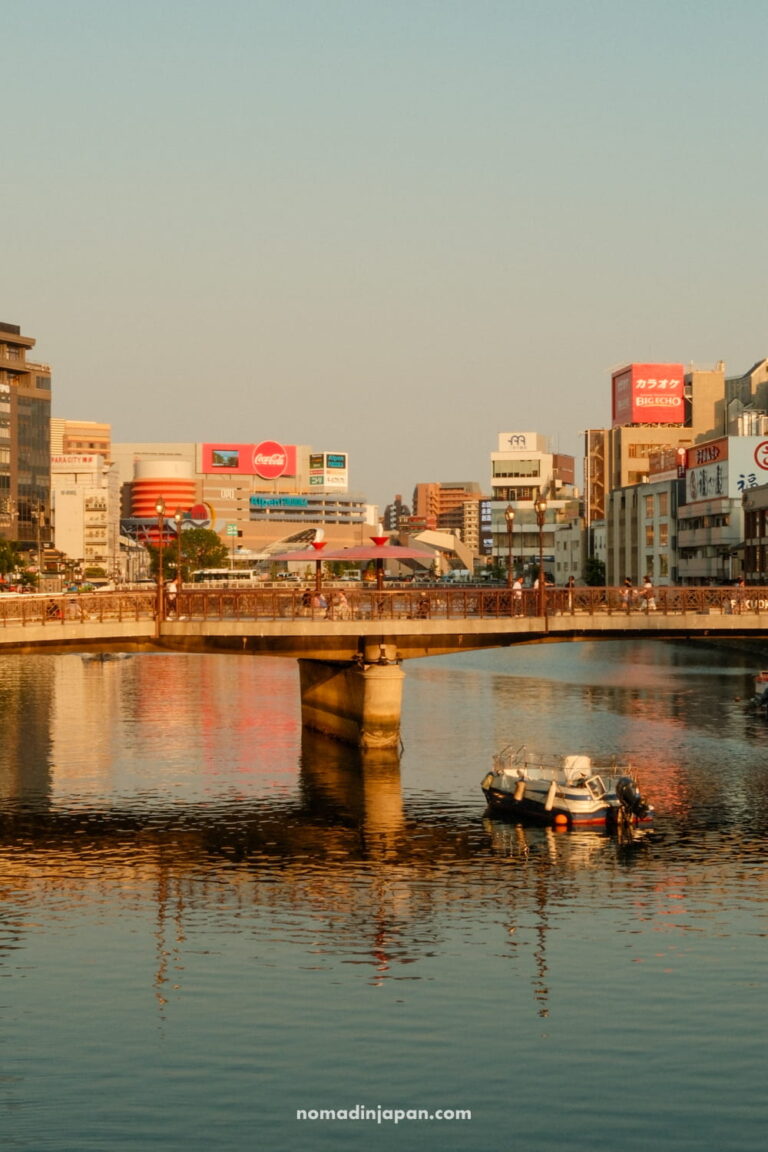
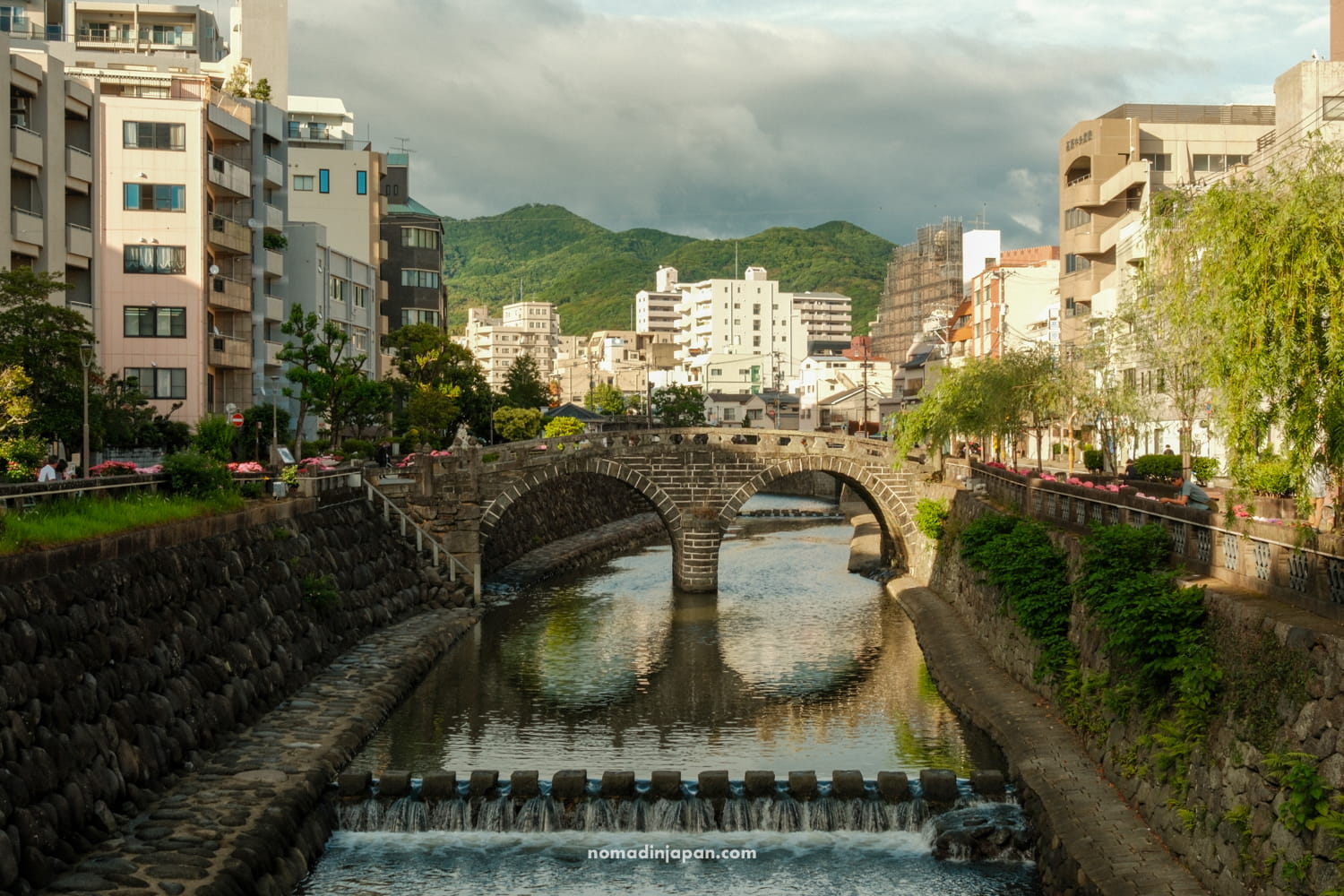
🌟 If you’re staying in the city center, as I was (at ROUTE – Cafe & Petit Hostel), the ancient stone bridges of Nagasaki (which also survived the atomic bombing) are a pleasant 20-minute stroll away.
Explore the Nakashima River stone bridges
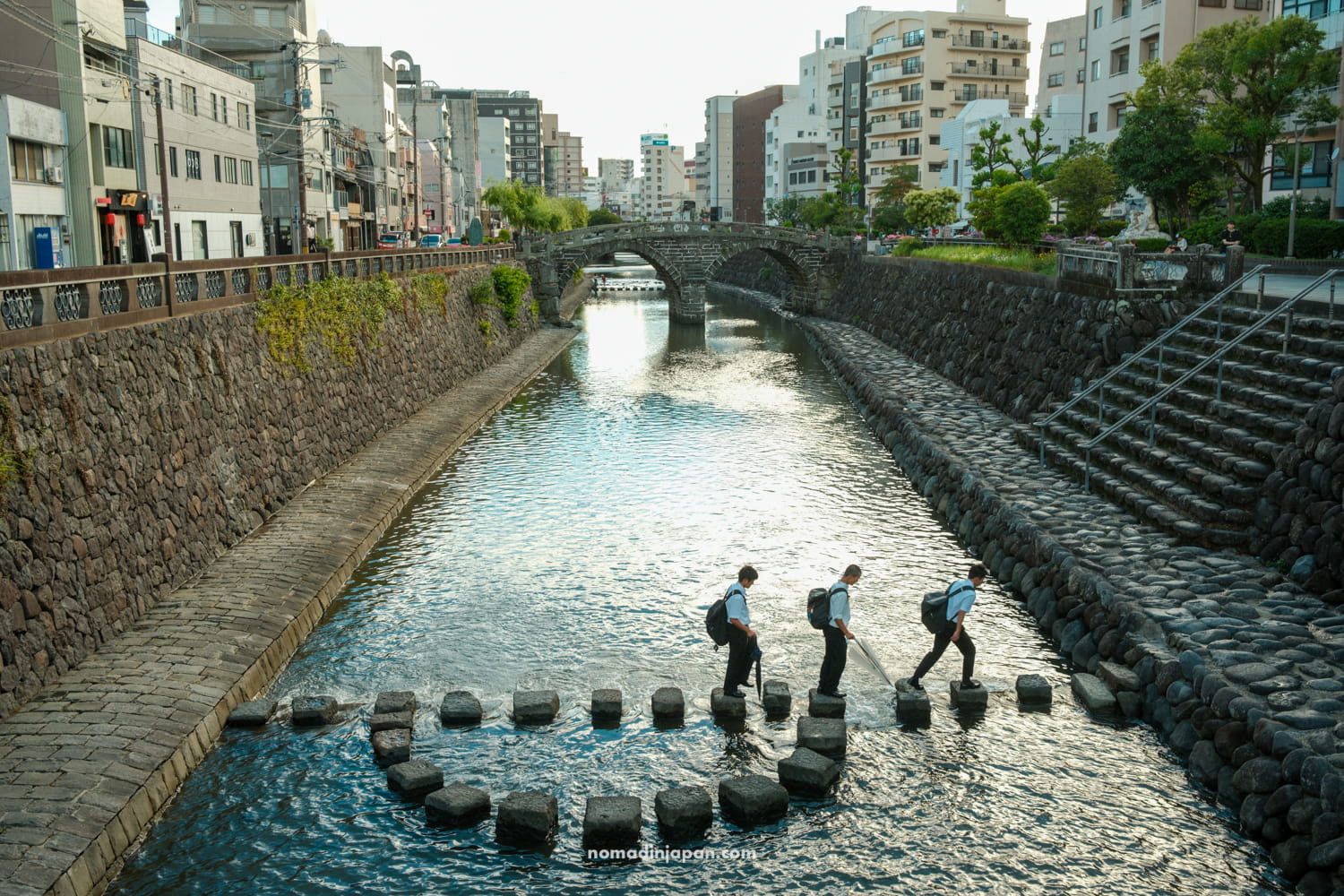
Head toward the Nakashima River, where you’ll find Nagasaki’s iconic stone bridges, including the famous “Spectacles Bridge.” 👓
Here, you’ll find golden koi fish swimming in the clean Nakashima River running parallel to the historic Nakadori Shopping Arcade, Nagasaki’s oldest street, and Buddhist temple street (Teramachi St).
If I were you, I wouldn’t miss out on ducking inside a Showa-era kissaten (Japanese coffee house) and feasting on Fujio’s delicious egg and ham sandwiches. (Shoutout to Craig Mod; it’s thanks to his Ridgeline newsletter that I found this gem!)
Shop & stroll down Nagasaki Shopping Arcade & Teramachi Street
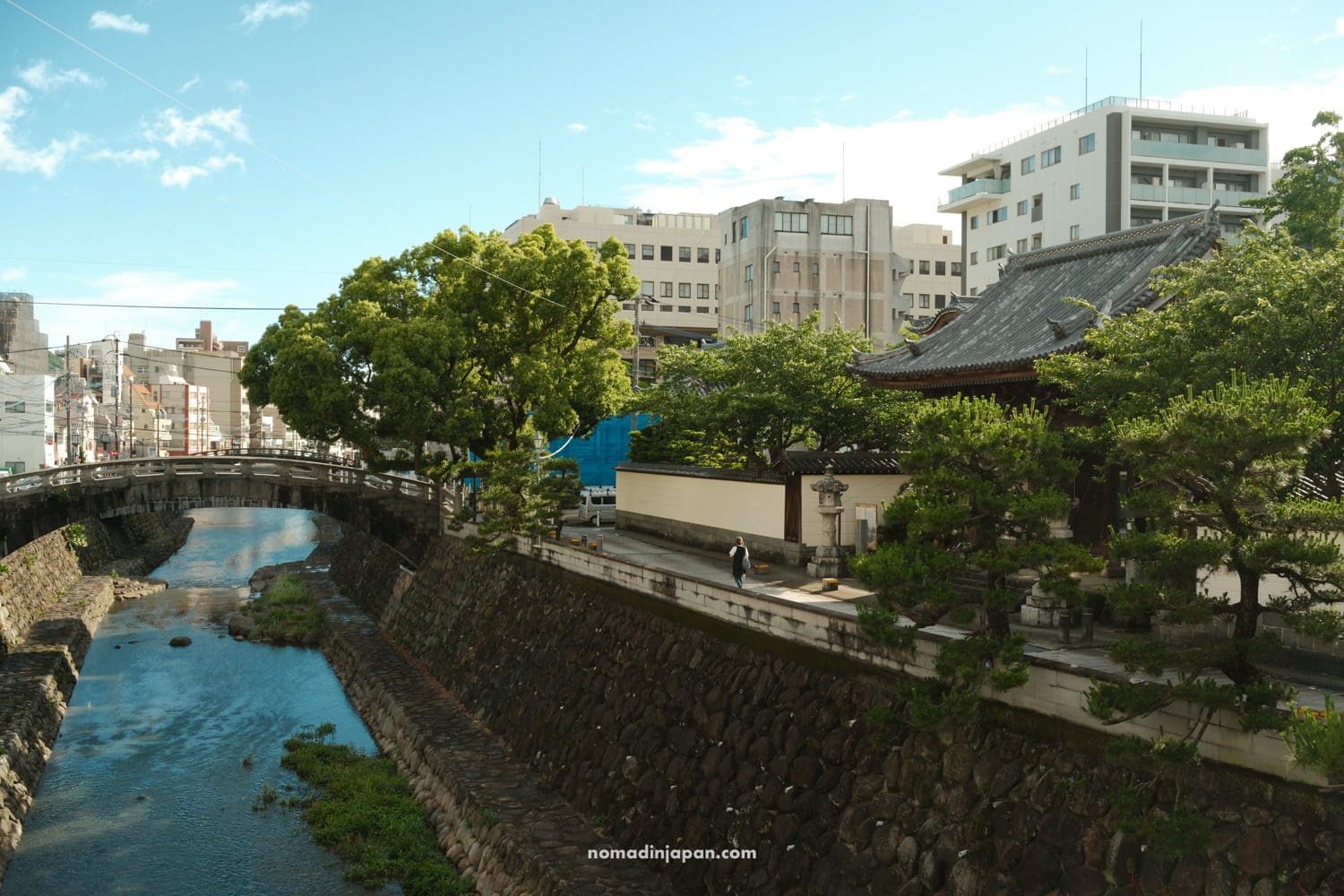
Take a walk down Nagasaki’s Teramachi Street, which runs parallel to the Nagasaki Shopping Arcade, but don’t worry if you can’t see all the temples or shops — there is too much whimsy here to stuff into one afternoon.
Essentially, this entire area is an open-air discovery sandwiching the Nakashima River. It is a beautiful place to stroll. Start at the top (north) and follow the river down.
Take in the “10 Million Dollar View” atop Mt Inasa
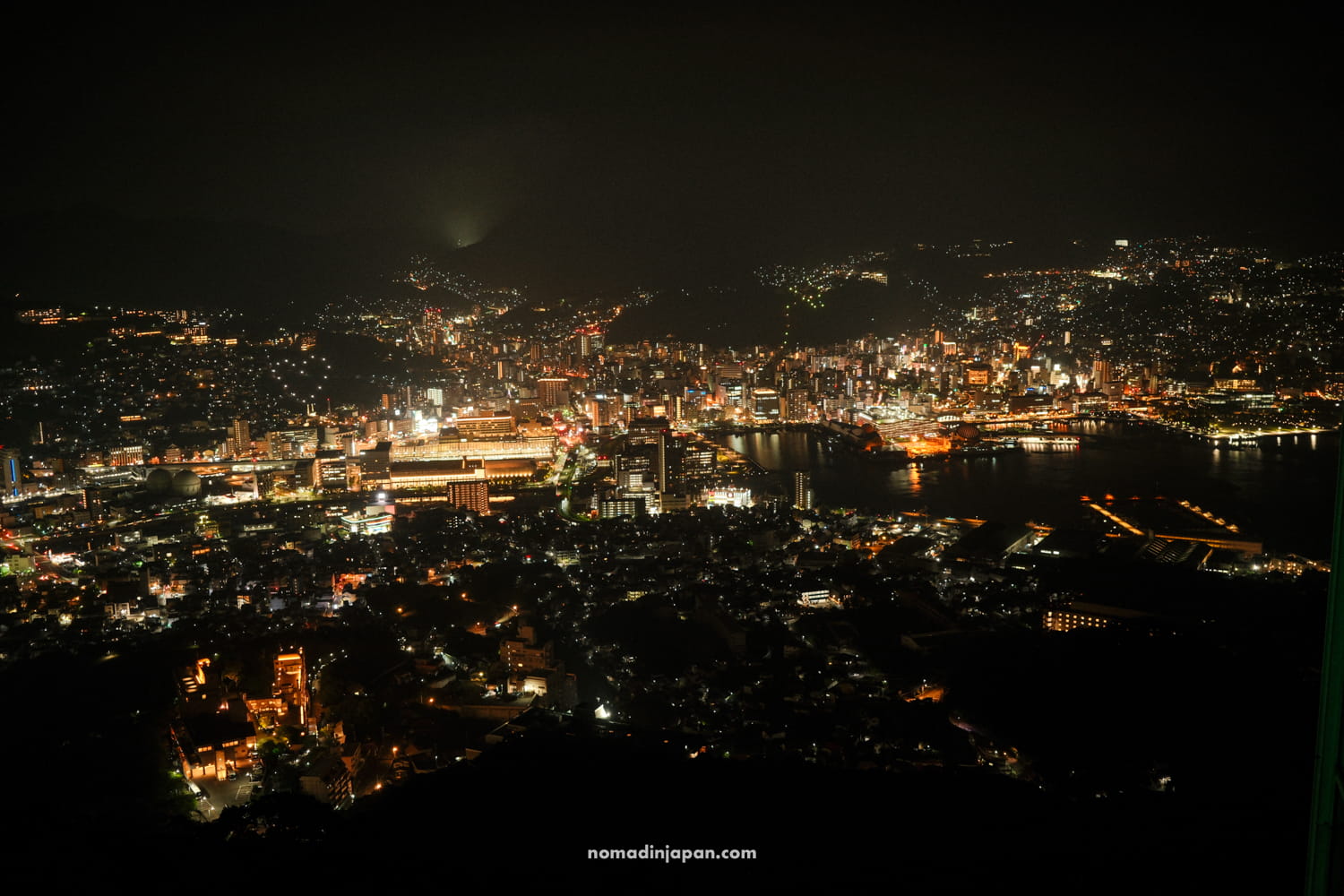
Depending on the day you arrive (weekday vs. weekend), I recommend taking the gondola to the top of Mount Inasa to witness Nagasaki’s #1 attraction: its “10 million-dollar view,” which resembles the Milky Way. ✨
This world-famous nightscape (voted Top 3 in the world) is best taken in from atop Mt. Inasa, which stands at 333m (the same height as the Tokyo Tower!).
You can book your Nagasaki Ropeway ticket (one-way or round-trip) online in advance to avoid queuing. I recommend avoiding weekends, as the gondola line gets extremely long (I waited ~2 hours to get back down!).
Day 2: A Day for Remembrance at Nagasaki’s Atomic Bomb Museum & Peace Park
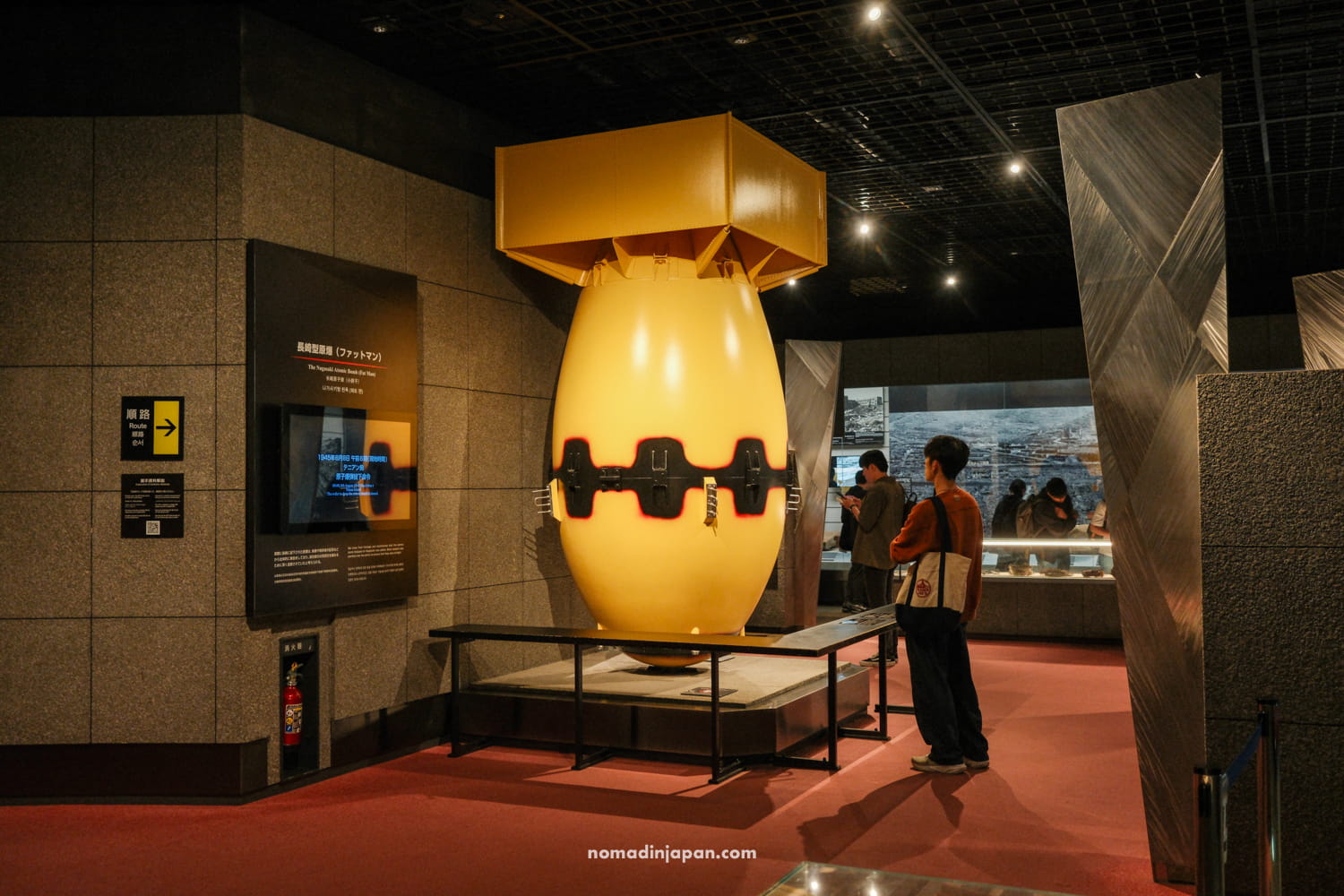
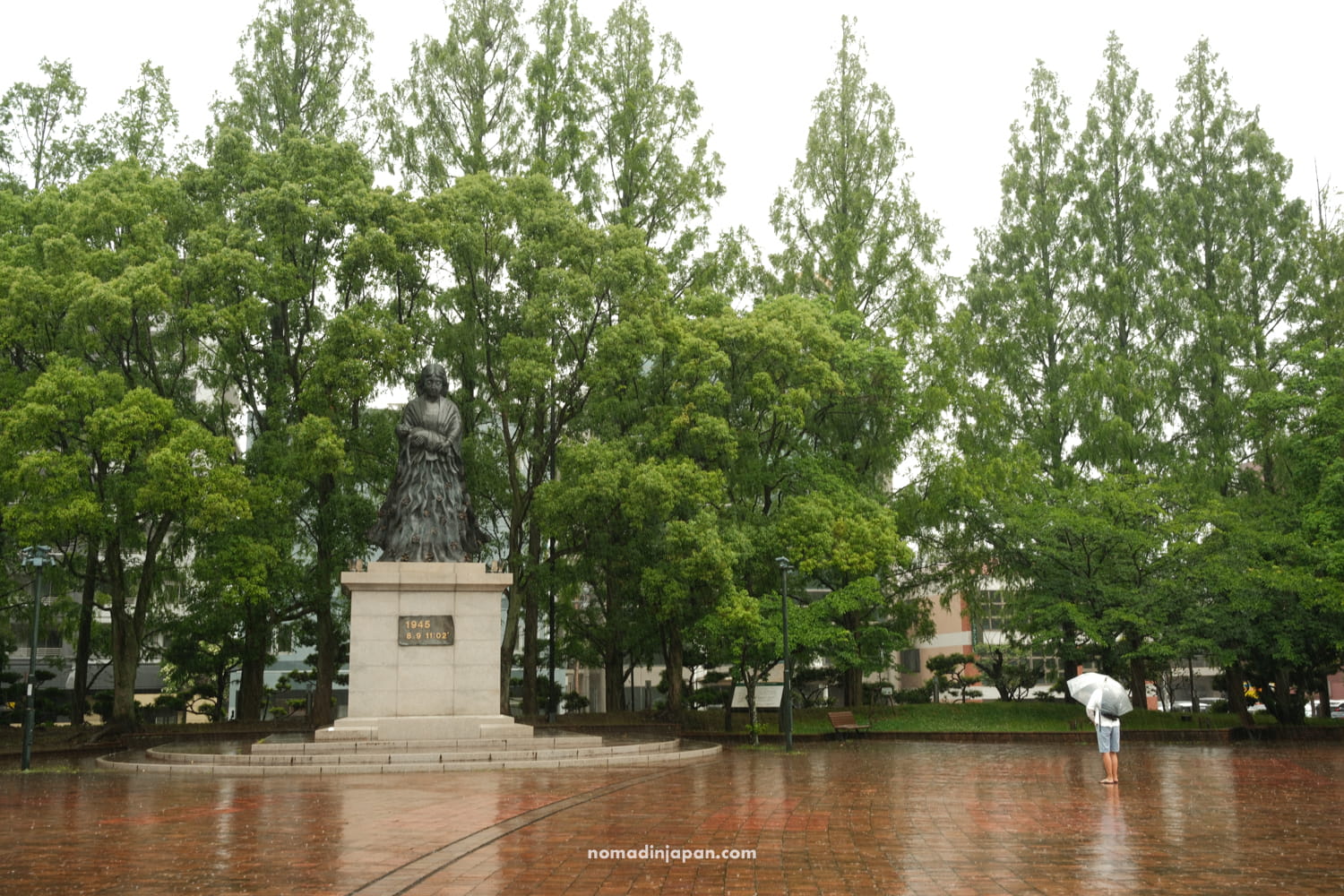
As I started this post, you may initially know Nagasaki only for its WWII history. However, my hope is you’ll remember it for much more than that.
I recommend setting aside at least half the day in your itinerary to wander through the museum and Peace Park. While relatively small, this is not simply an attraction you breeze through.
Besides the museum and the Peace Park, there are also the ruins of the Urakami Catholic church and the one-pillar Torii gate (the bomb blast left the shrine gate standing on one pillar). Both of which are harrowing yet incredibly hopeful and resilient.
In short, this day in your Nagasaki itinerary requires a lot of walking and witnessing. ♥️
Breakfast at Komeda’s
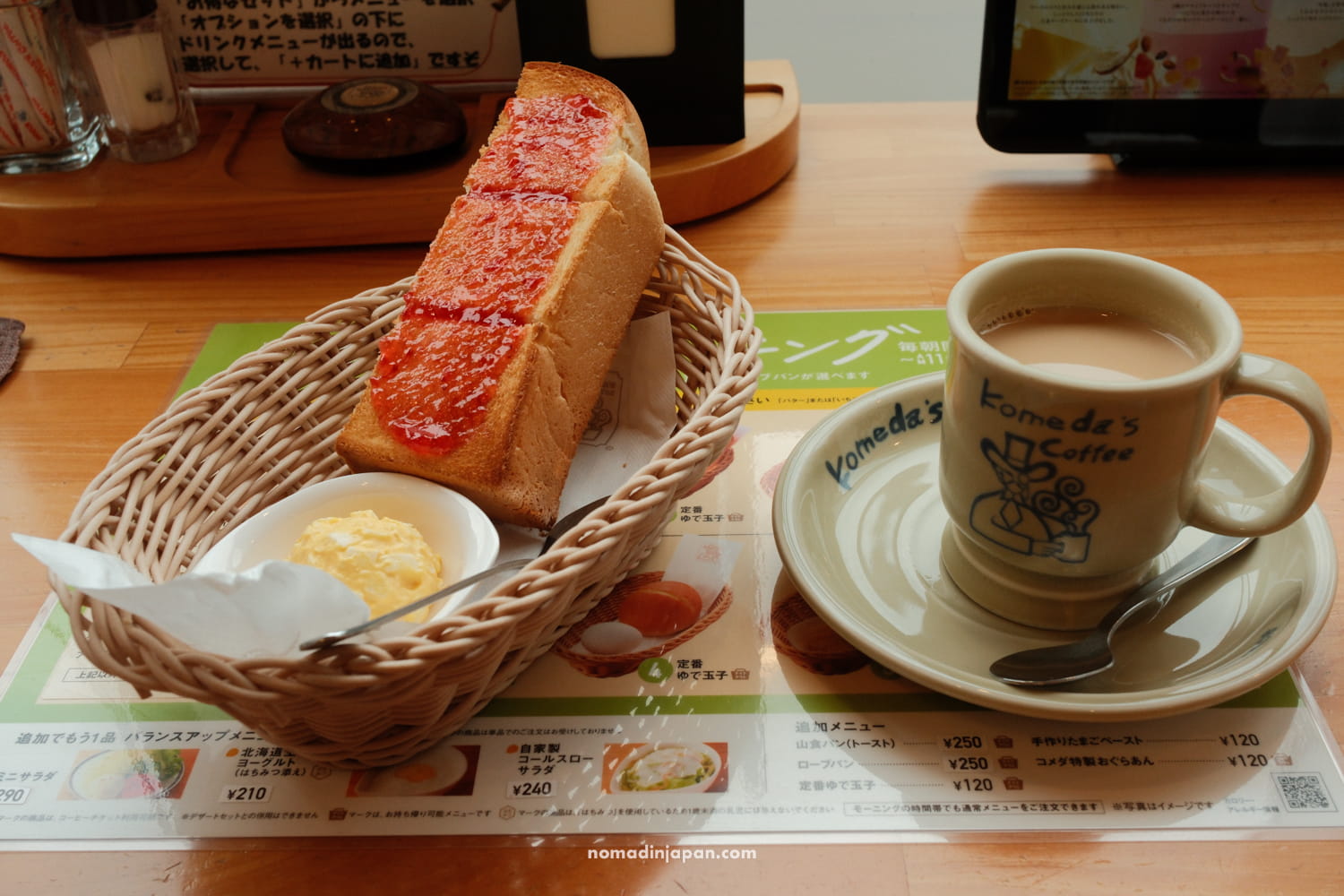
On your way to the Atomic Bomb Museum, stop by for a breakfast deal Komeda-style. Conveniently, this chain’s location is just at the corner of Nagasaki’s old tram stop.
If you get there for their morning service until 11:00 am, your coffee/drink order comes with a free thick-cut toasted bread topped with your choice of egg paste (or sweet red bean paste) included in the drink price.
Hop on the old tram “Nagasaki Denko no.1” in front of Nagasaki station to reach the Atomic Bomb tram stop easily.
Visit The Atomic Bomb Museum & Peace Park
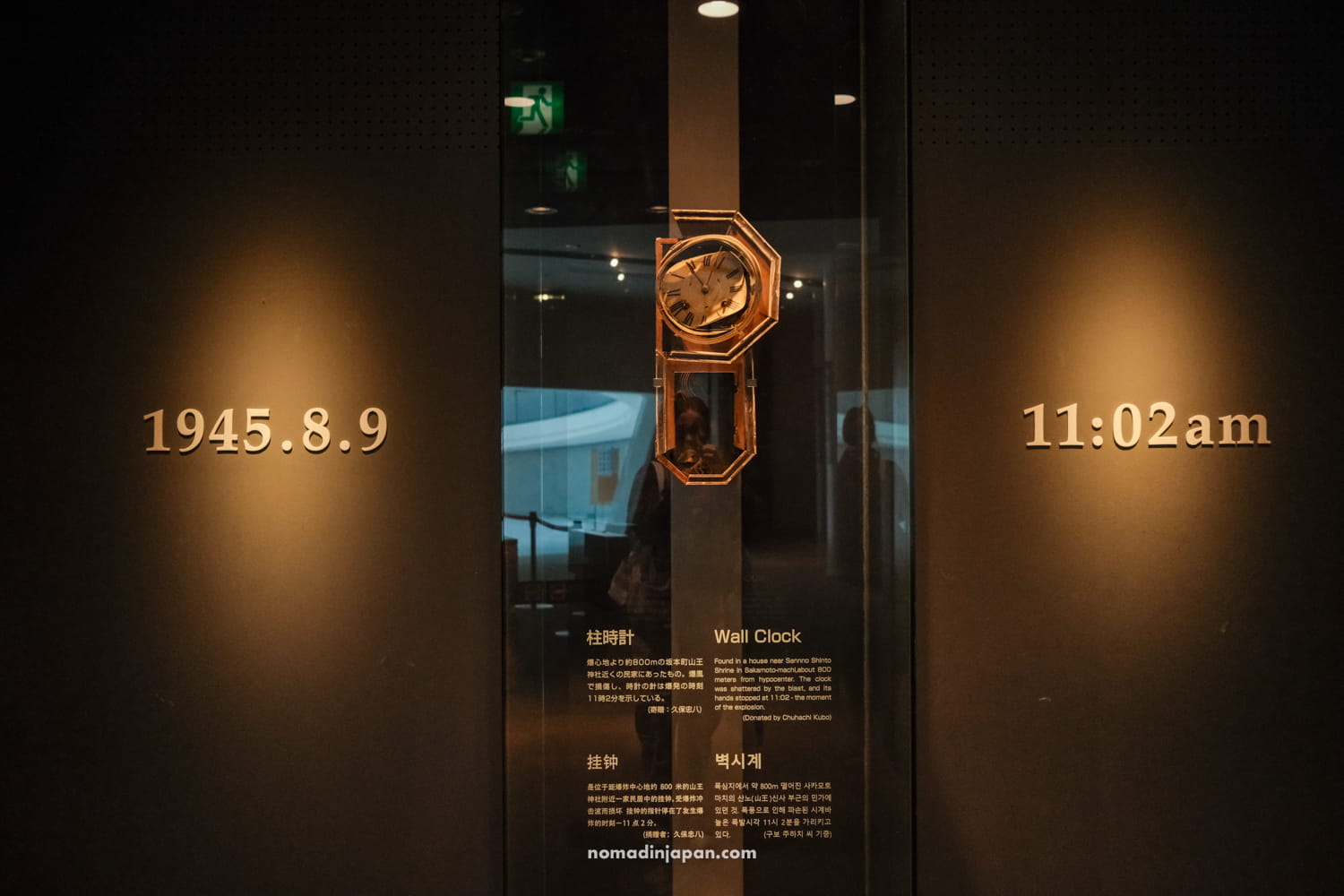
Rain or shine, a visit to Nagasaki’s Atomic Bomb Museum and surrounding historical monuments is a must. I recommend starting with the museum itself (~1 hour), before walking through the adjacent Hypocenter Park and then the Peace Park.
On your slow walk, look out for the:
- Hypocenter Monument
- Urakami Cathedral ruins (beside the monument)
- The Fountain of Peace
- The statues encircling the Peace Park
- The Herculean-sized Peace Park statue
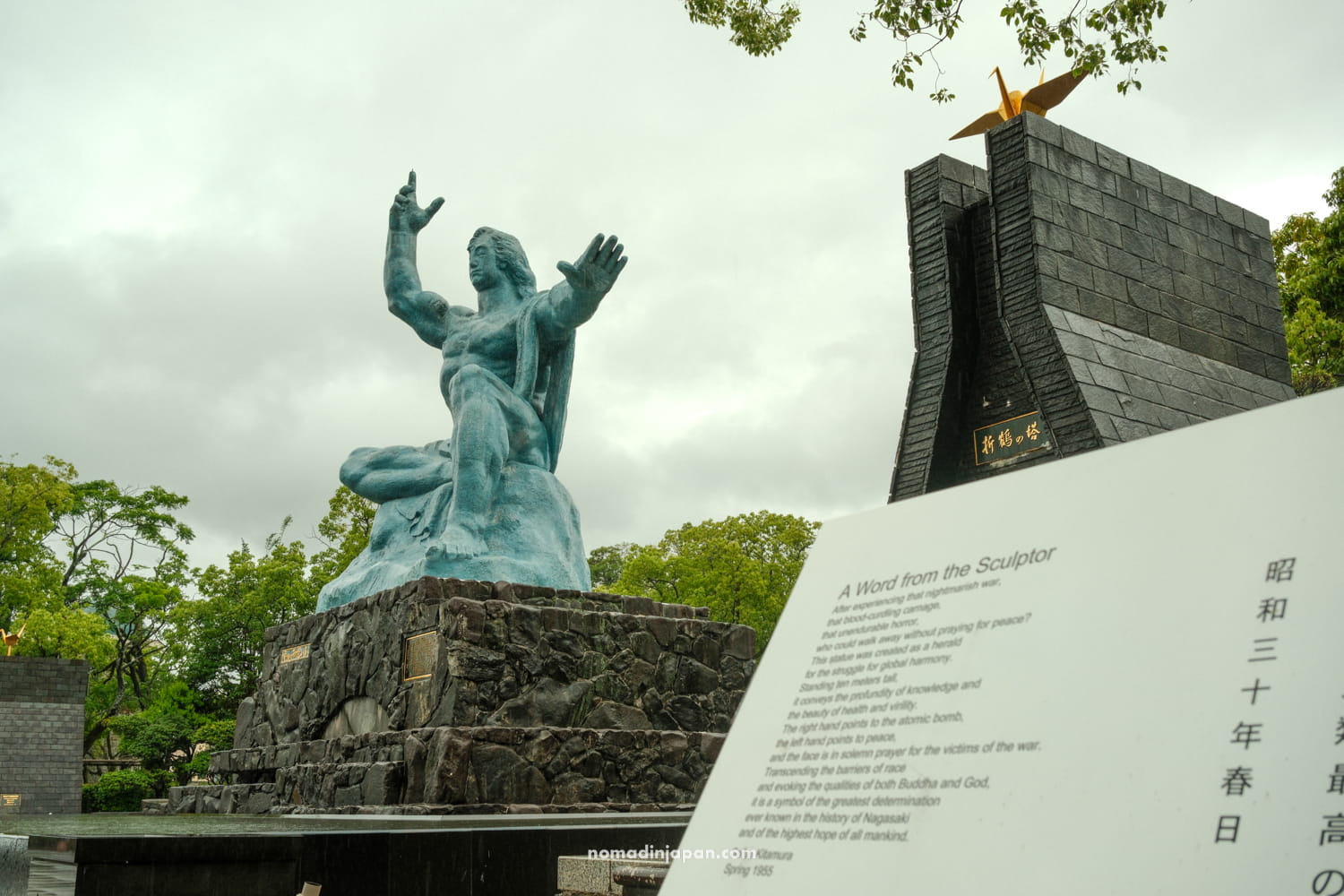
The day I visited, it rained heavily, which met the mood, and I had a calm, peaceful, and emotional stroll.
I left feeling inspired by Nagasaki and its people and the peace they’ve rebuilt and fostered in the horrific aftermath of this tragedy. 🕊️
Pay a Visit to the 26 Martyrs Monument & Museum on Nishizaka Hill
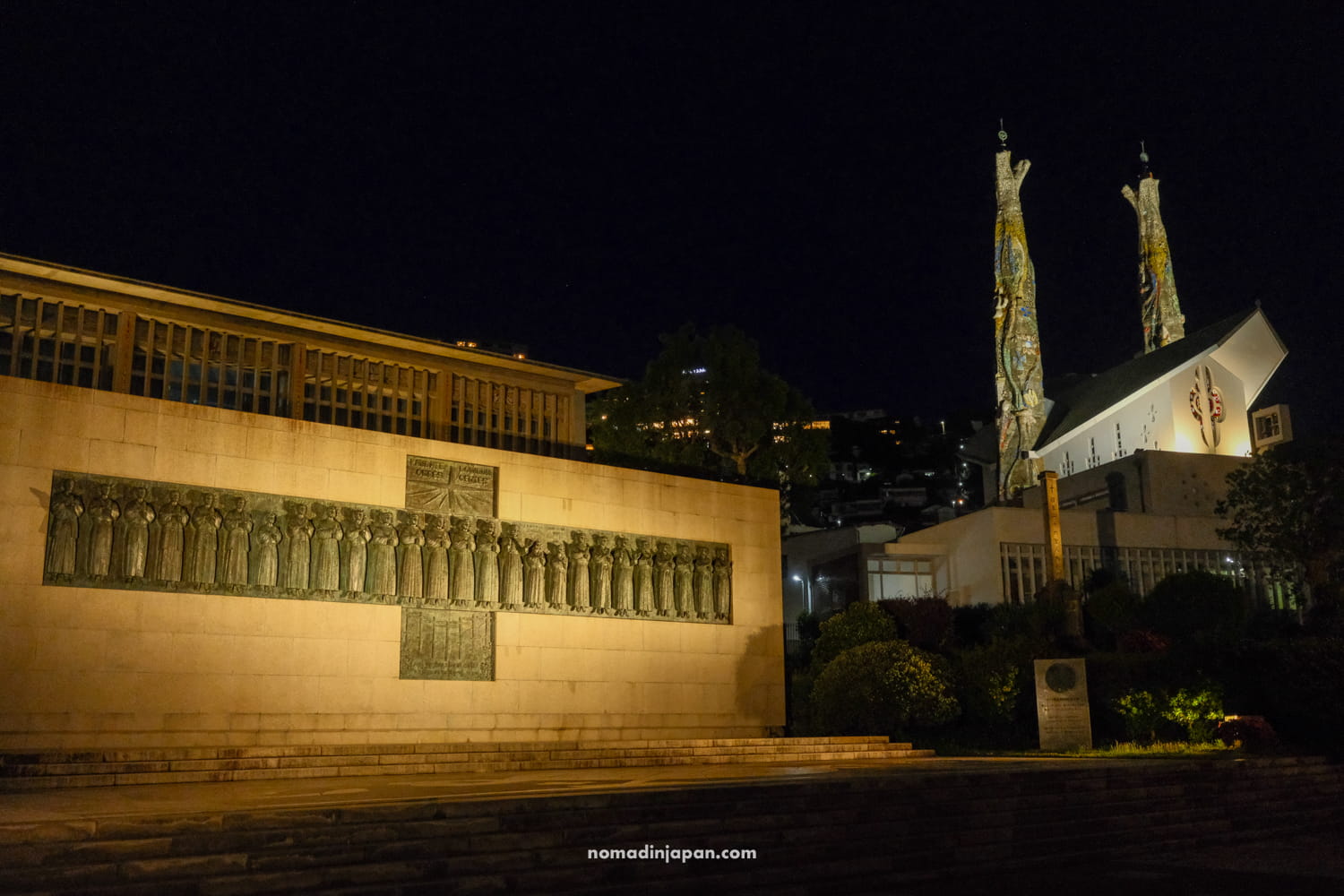
With extra time in the late afternoon, circle back toward your hotel for a rest before walking up to the Nishizaka Hill.
It’s here at this site that the 26 Martyrs Monument and Museum now stands. It is located right beside the uniquely shaped and decorated St. Philip Catholic Church (which my accommodation looked directly out upon!).
This memorial pays homage to the twenty-six Christians who, in 1597, were flogged and forced to walk from Kyoto to Nagasaki on foot, and then executed on this hill for punishment for their Christian faith.
This site has since drawn visitors from all around the world, including visitations by Pope John Paul II in 1981 and Pope Francis in 2019.
Day 3: Stepping Back in Time with Nagasaki’s Western Heritage & Japan’s Oldest Chinatown
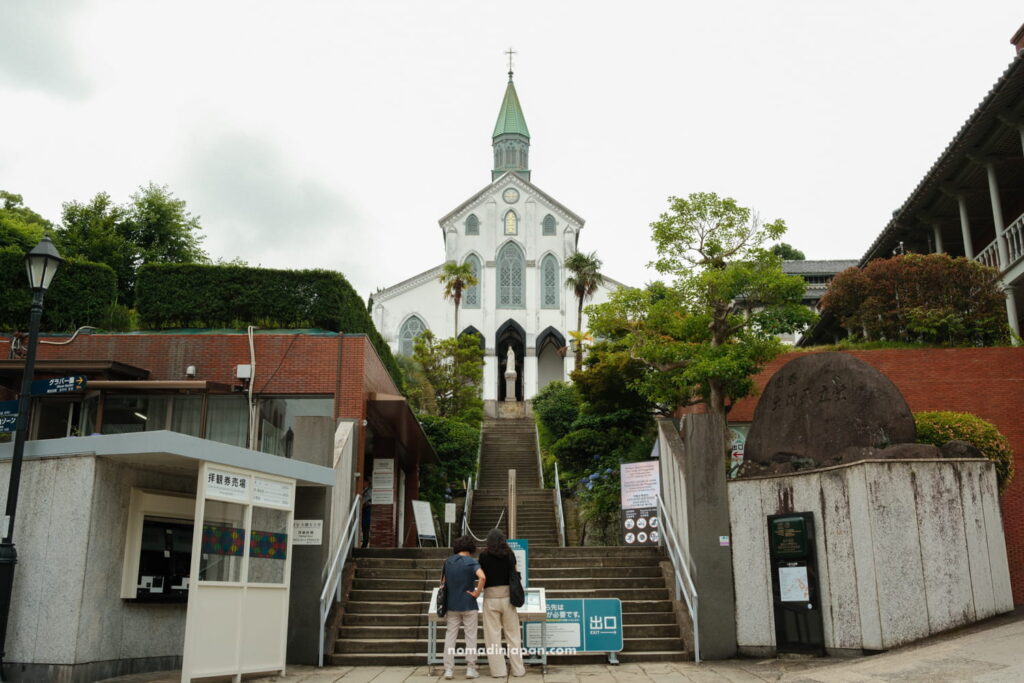
Nagasaki is best explored by grouping areas, hence why I recommend clumping together the Glover Garden, Chinatown, and Dejima Wharf into an all-in-one day discovery of Nagasaki’s international heritage.
Nagasaki was one of Japan’s only open “portals” to the outside world during the country’s Sakoku (isolation period from 1639 to 1853).
This way, you’ll get an all-around view of Nagasaki’s Western influences and the resulting mixed cultures!
Stroll the beautiful Glover Garden & Western-Japanese homes
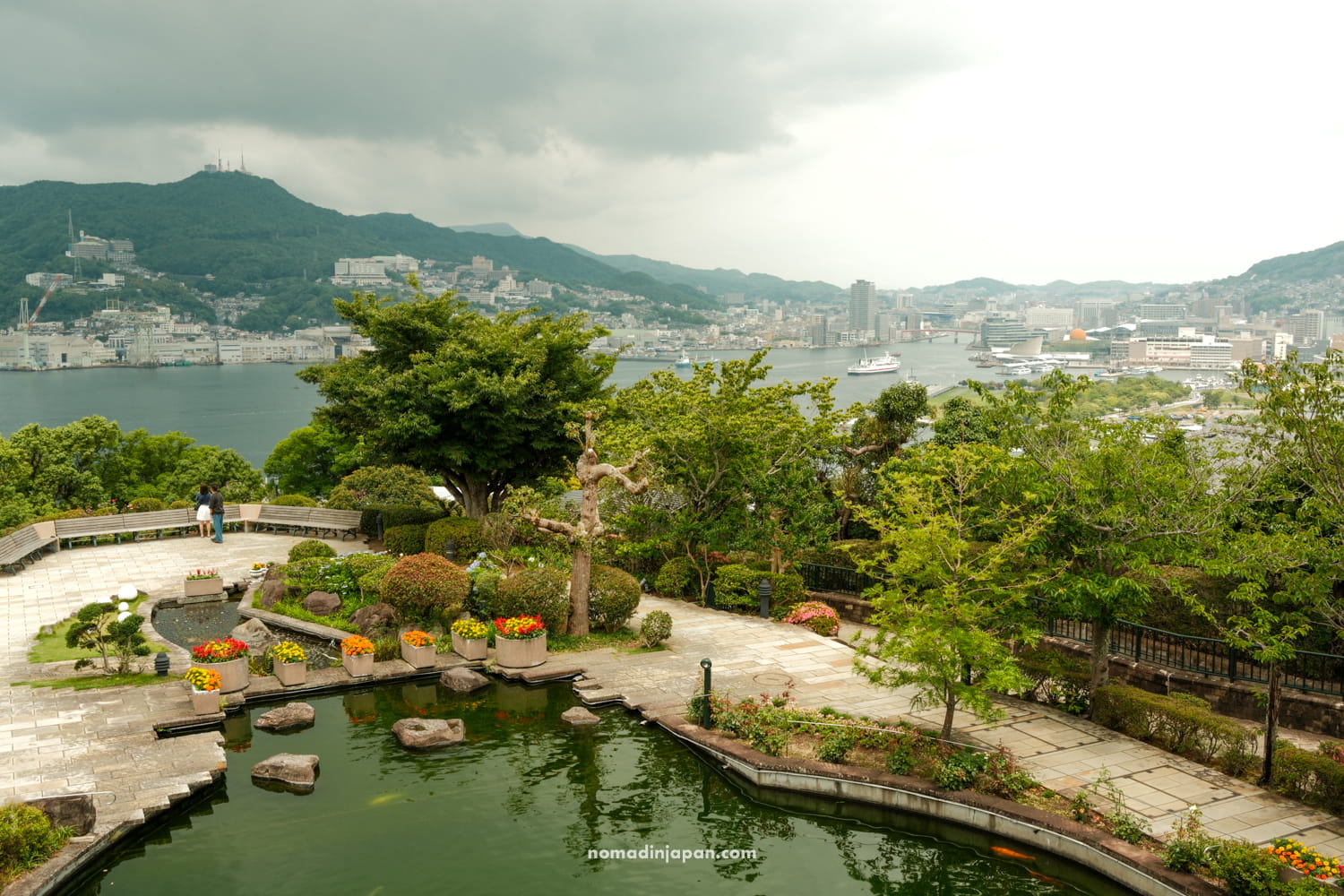
Glover Garden is considered one of Nagasaki’s most beautiful landmarks!
When I asked my guesthouse owners and Nagasaki locals their favorite spots, they seemed to agree that Glover Garden has something special about it. So, I eagerly went to see it for myself.
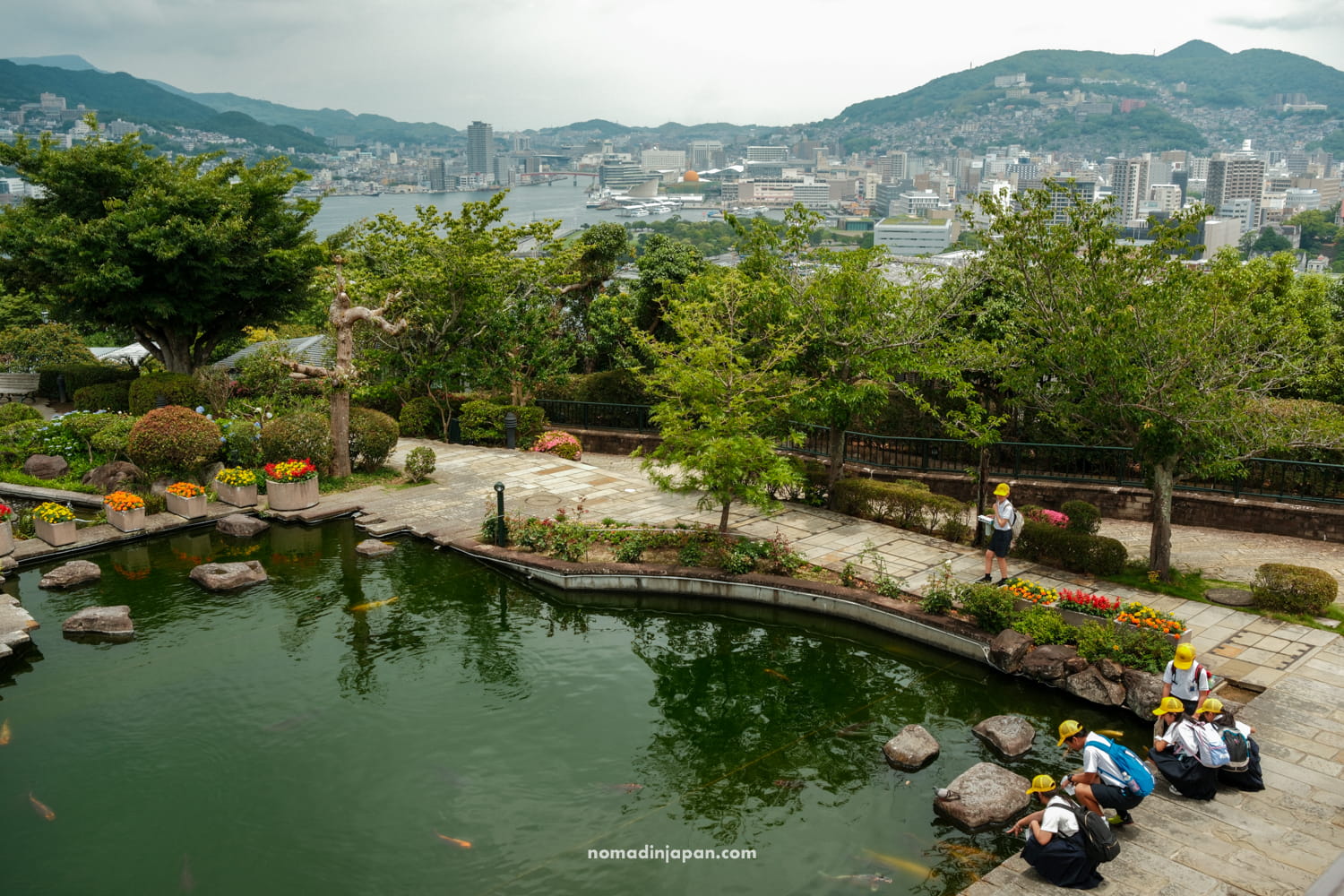
Glover Garden sits at the end of the historic tram line, making it ideal for starting the morning. Once there, you’ll be able to take in incredible views of Nagasaki Harbor from the curated gardens that pop with seasonal foliage. Glover Garden is much more than just a garden of flowers and koi fish ponds, however.
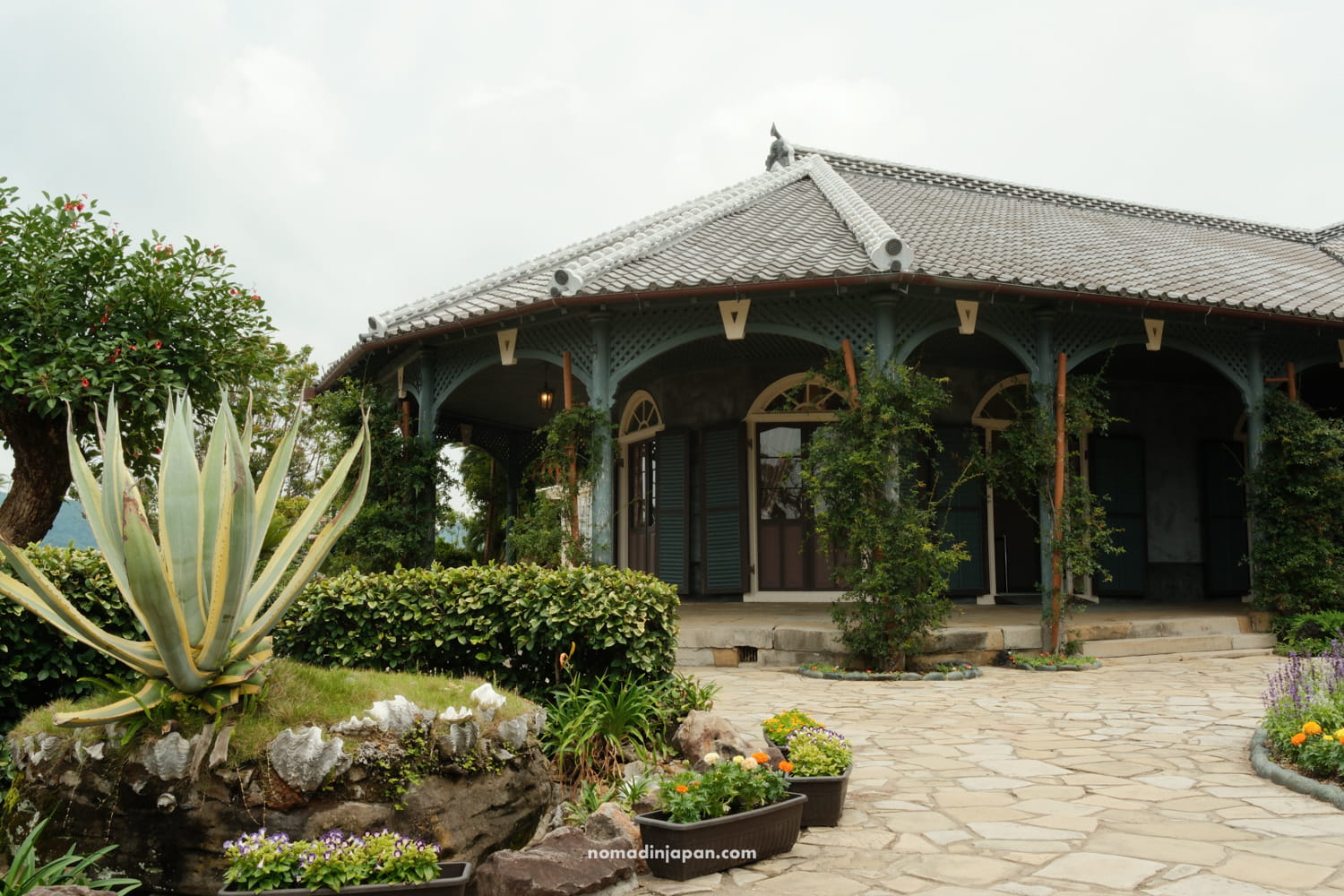
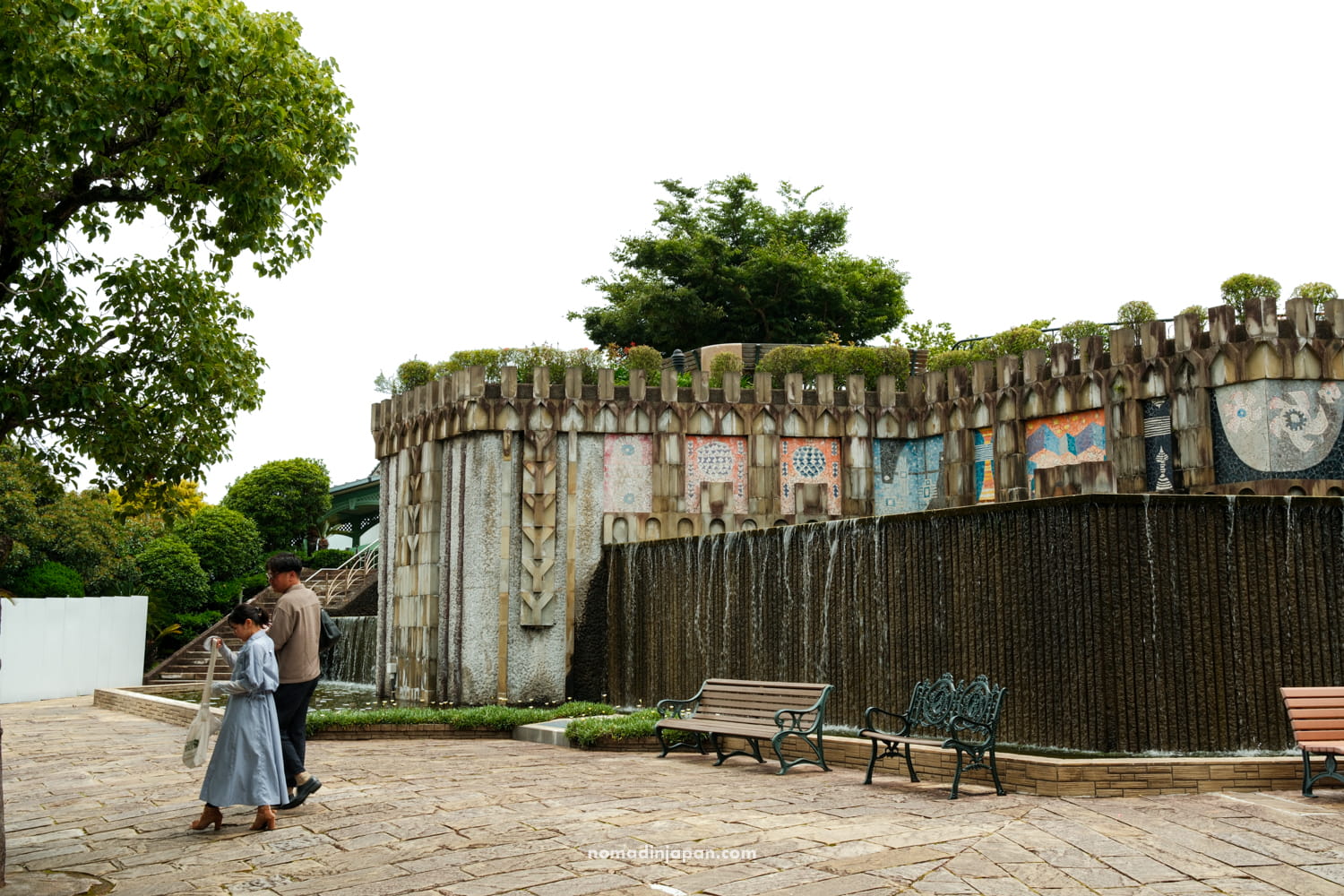
As Nagasaki’s premier foreign settlement, it thrived with wealthy merchants who contributed to Japan’s rapid modernization. Your entry ticket invites you to peek inside the historic homes, notably the Thomas Glover Residence, which is now designated as one of the “Sites of Japan’s Meiji Industrial Revolution.”
Make sure to plan ~2 hours here, as the area includes Oura Church, plus many specialty shops, cobblestone streets, and boutiques to pop into. (I personally recommend trying Nagasaki’s “Stained Glass Pudding” shop, Minami Yamate, on your way up/down from Glover Garden!)
Grab lunch in Japan’s Oldest Chinatown
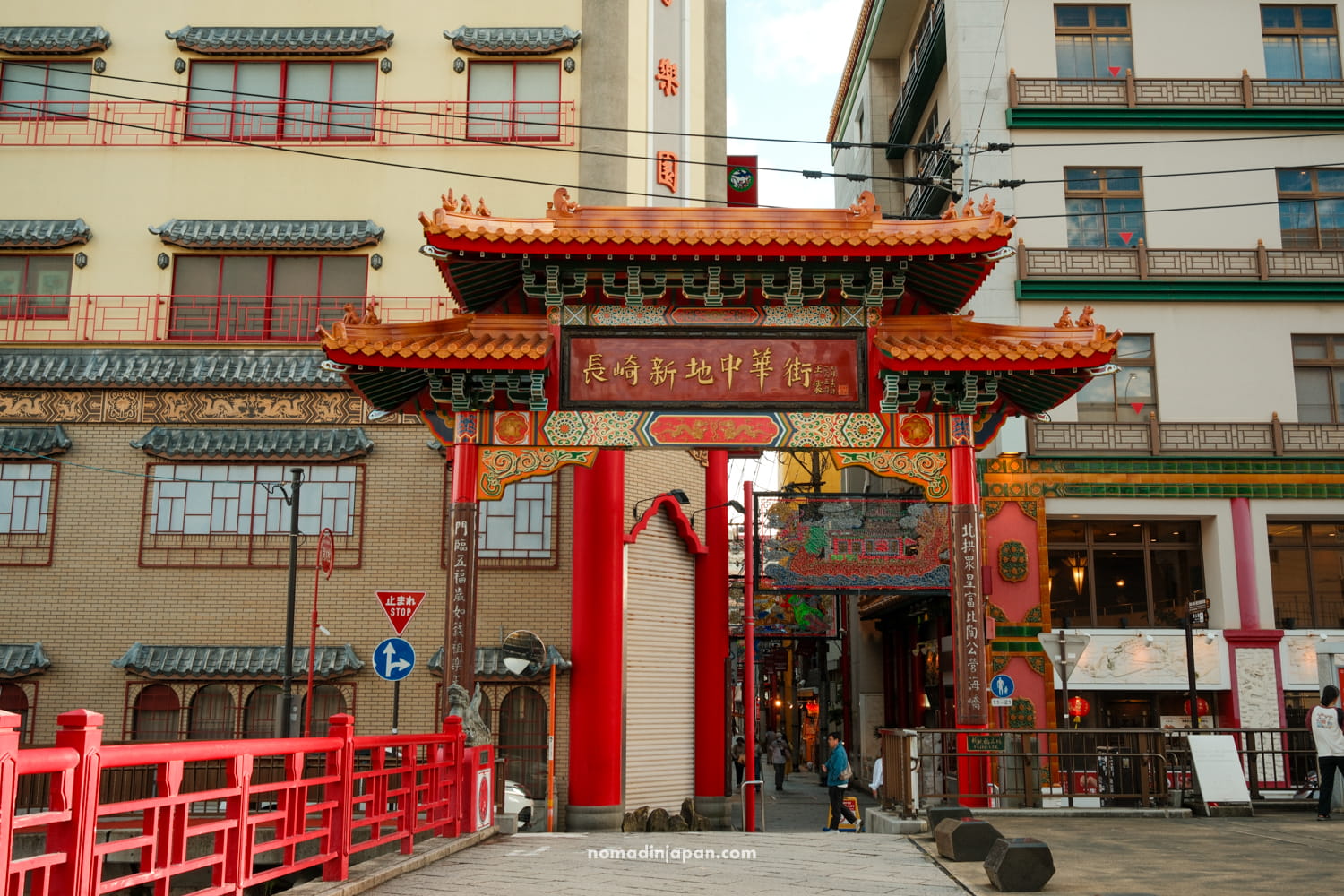
For a bit more sustenance, and a complete 180 switch, head just east into Nagasaki’s Chinatown. It’s here that you’ll find one of Nagasaki’s food specialties, “champon,” a hearty soup of chewy noodles mixed with seafood, stir-fried pork, and veggies.
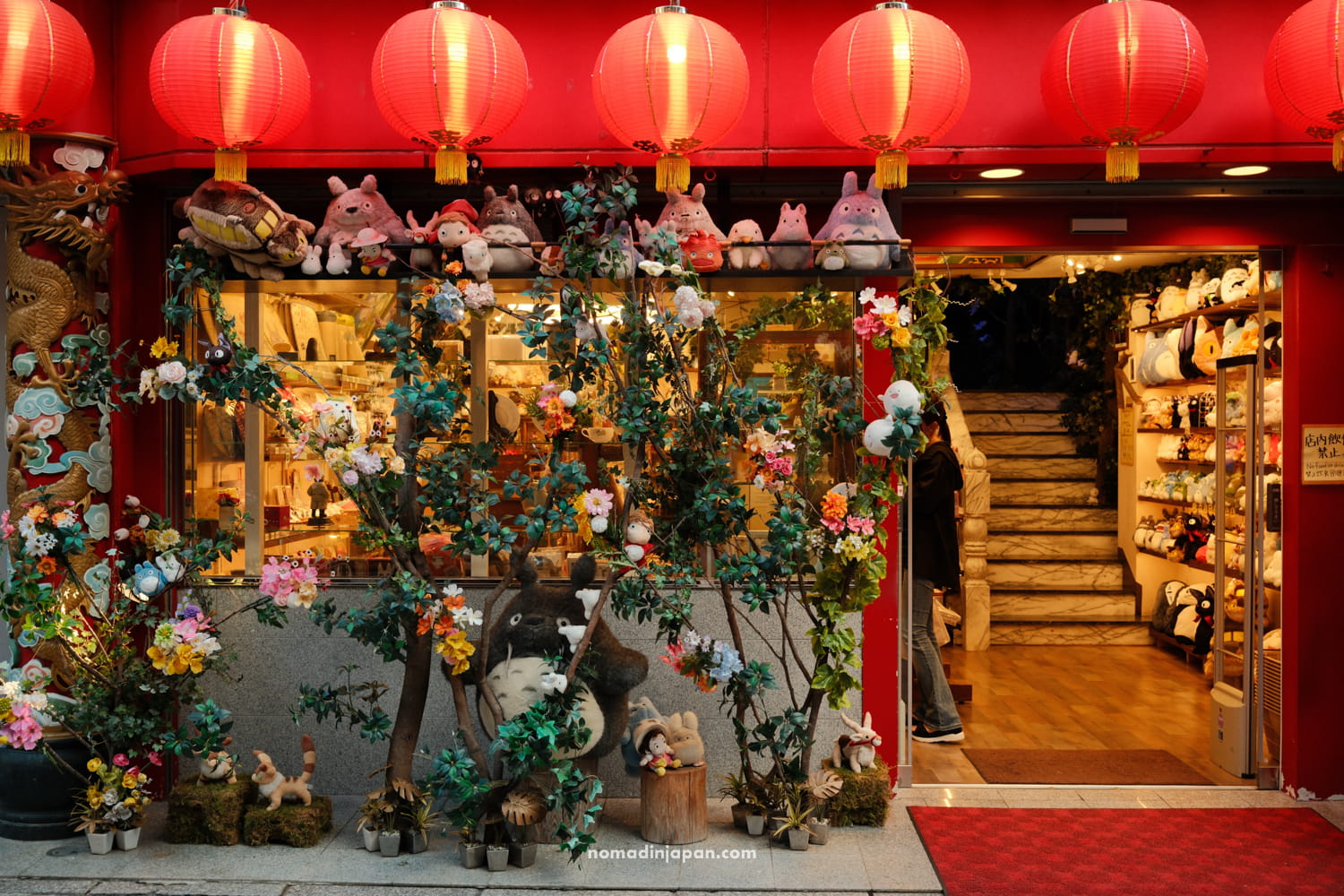
However, I was surprised to find more than just noodle and dumpling shops while wandering down the grid-like Chinatown. Studio Ghibli fans will rejoice, because I discovered a 2-story shop (Renka) decked out to the max with Ghibli merch.
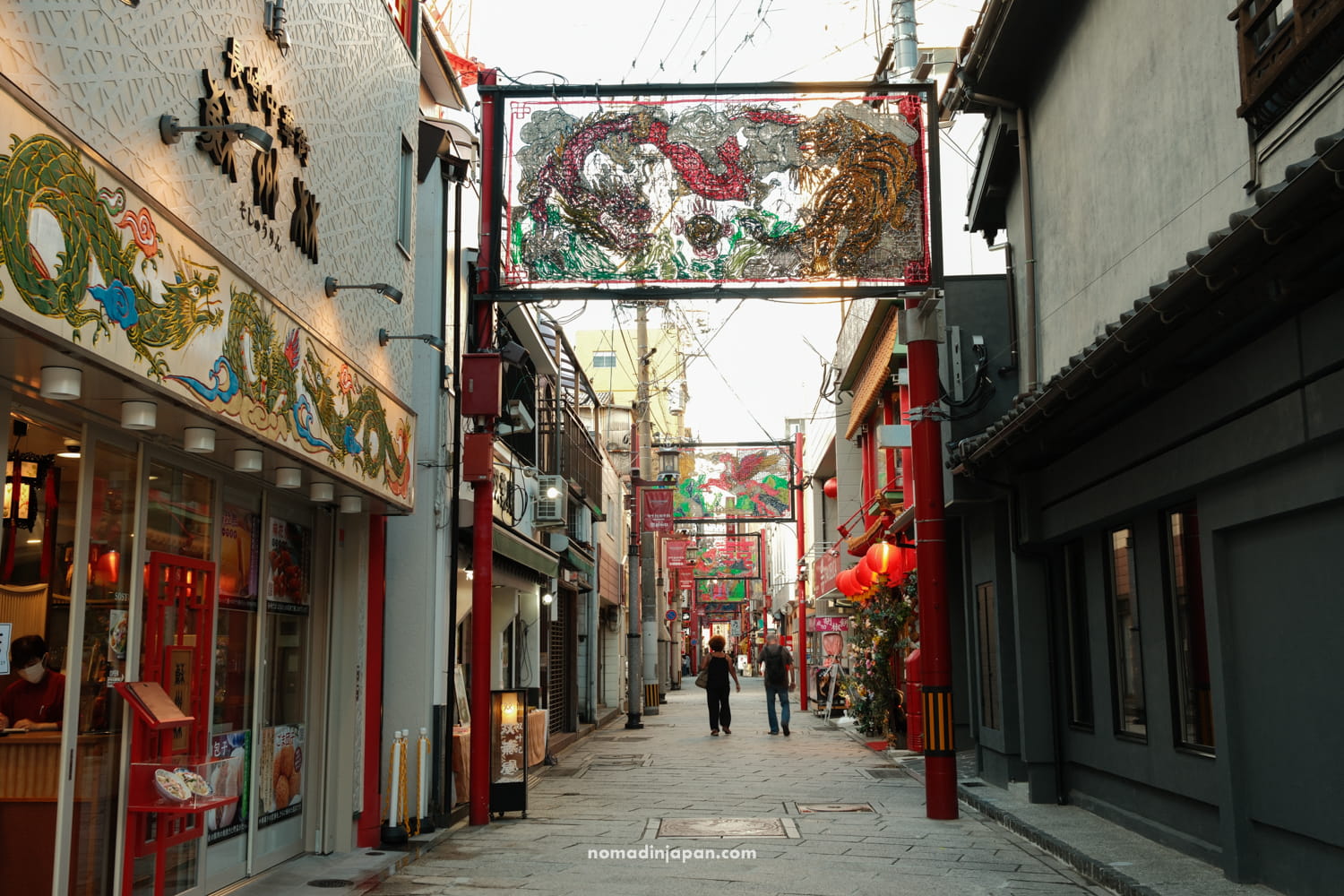
The real reason to visit Nagasaki’s Chinatown, though, I think, is just for the 180-degree switch in architecture and culture, away from the cobbled streets and Western-style homes that characterize Glover Garden.
Here, in the alleyways of Nagasaki’s Chinatown, you’ll pass under dozens of ornate crimson-colored arches, decorated in swirling motifs, dragons and lotuses, gold flecks and brush strokes of a hundred colors. 🐉
It doesn’t take long to walk through. Which, I think, is all the more reason to slow it down here and see what you can notice beyond the obvious.
Learn about the Portuguese & Dutch Traders at Dejima Trade Post
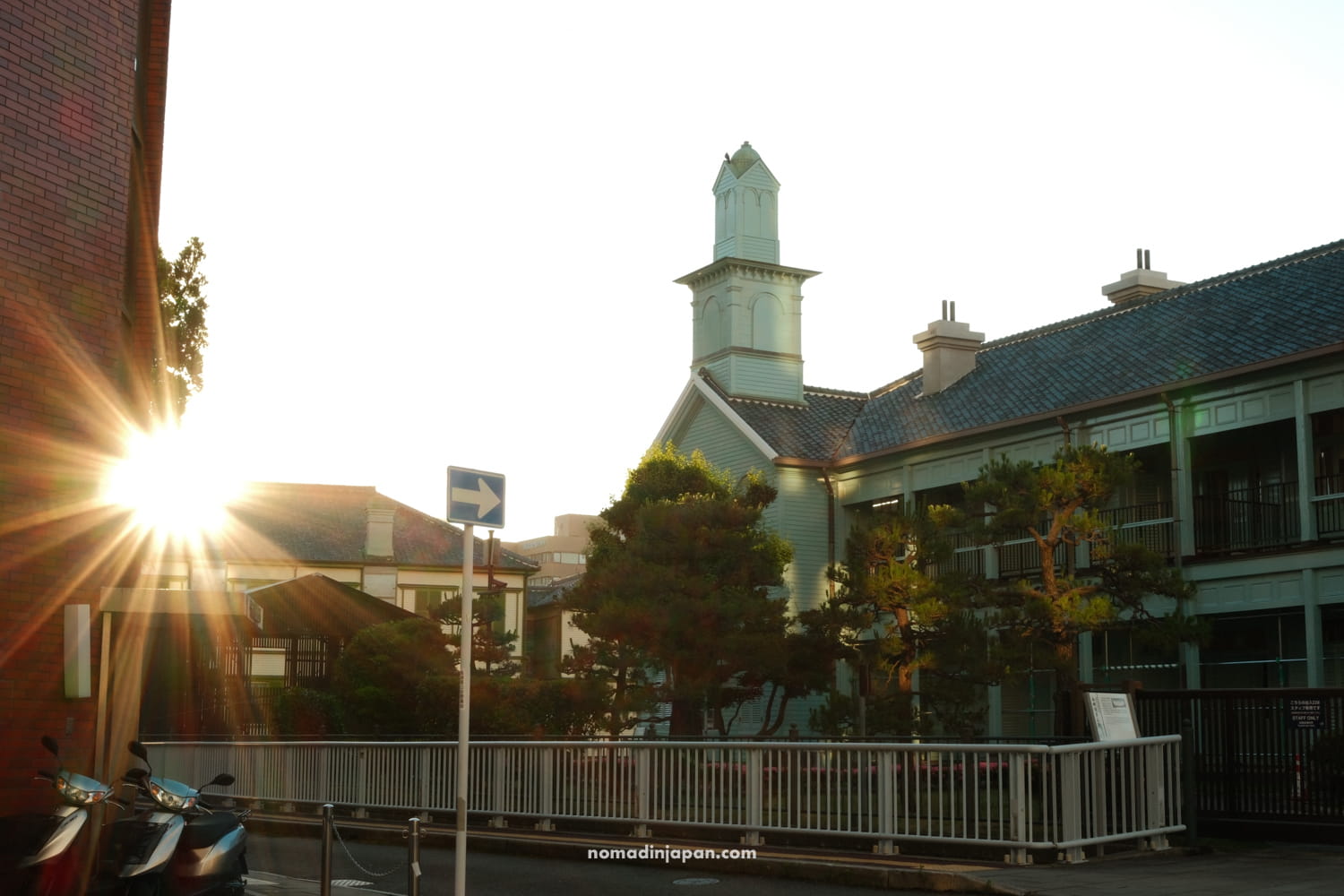
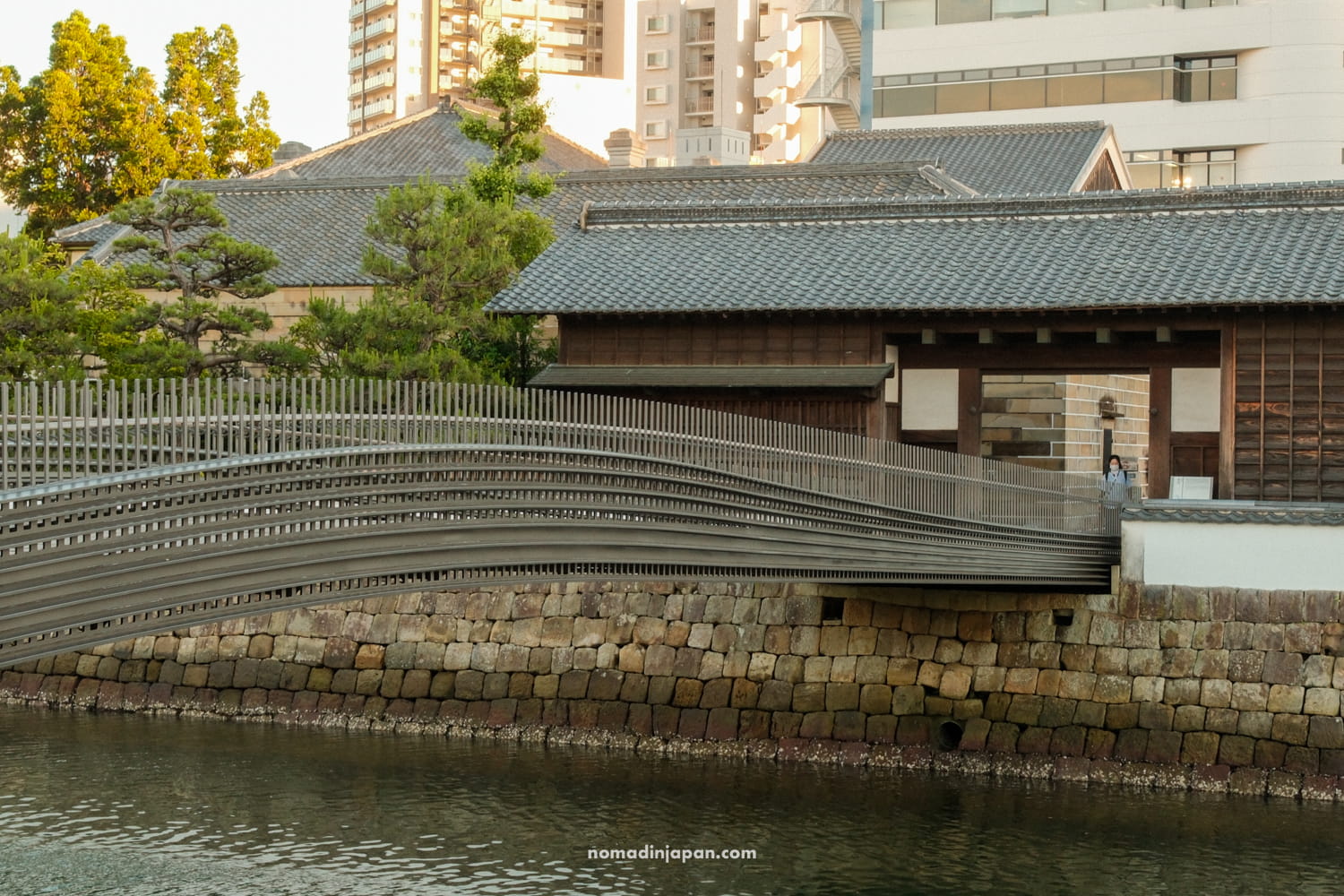
As you wander out of Chinatown, head toward the water. You’ll soon stumble across Dejima, a former Dutch trading post with Portuguese trading origins—now an open-air museum.
During Japan’s period of isolation, Dejima became Japan’s only “open window to Europe.” It costs 1,100 JPY to enter the exhibition area and attractions, such as the main gate, mini Dejima reconstruction, warehouse foundational stones, and 18th-century time bells, sundials, and more.
Enjoy a harbor sunset & fresh catch at the Nagasaki Port / Dejima Wharf
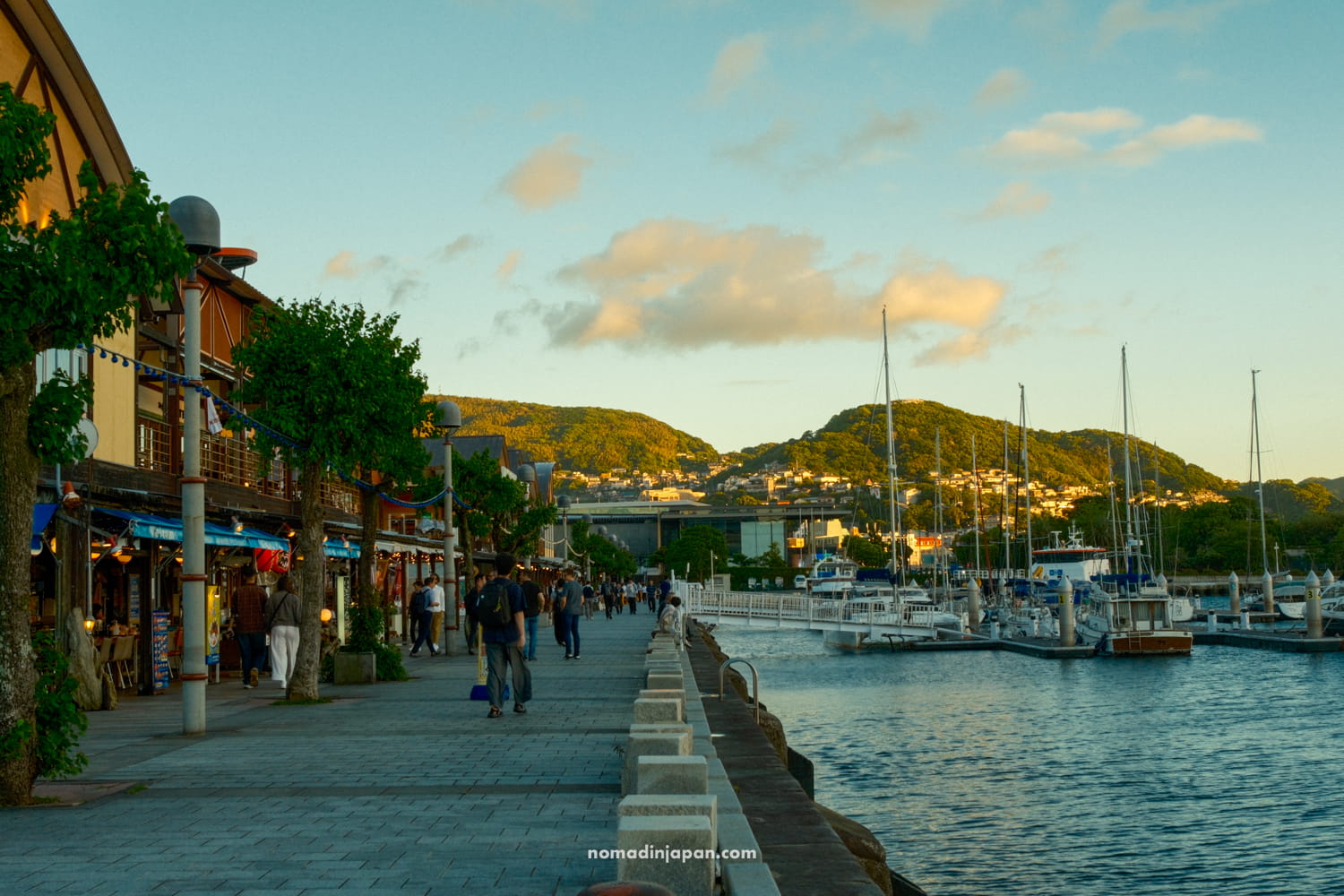
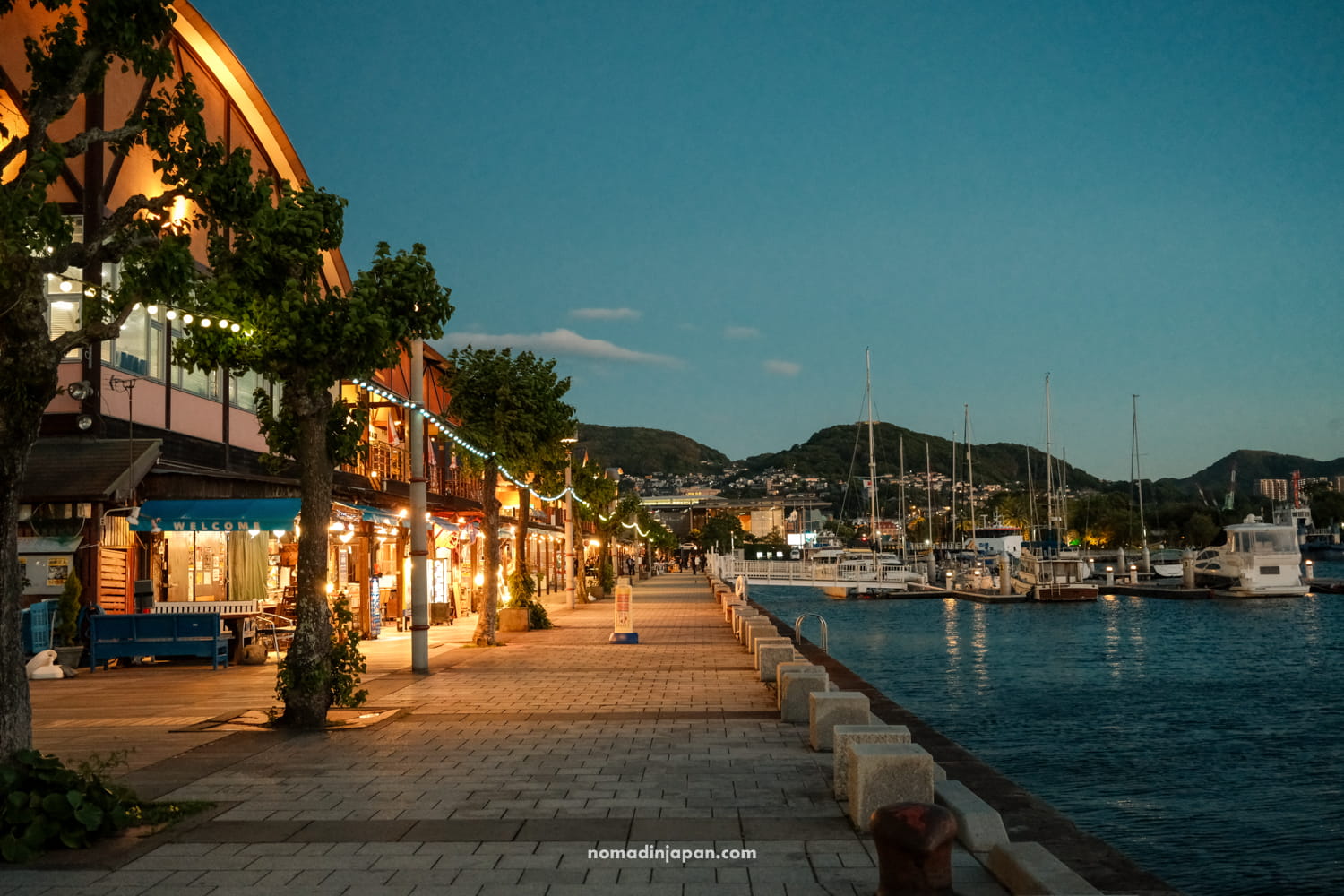
After Dejima, walk a few minutes to the Nagasaki Dejima Wharf to end the evening with a gorgeous dinner overlooking the harbor at sunset.
Nagasaki Port has a history dating back to the 16th century and is the source of the city’s foreign influence and development, which you can see, taste, and feel as you explore Nagasaki with this itinerary.
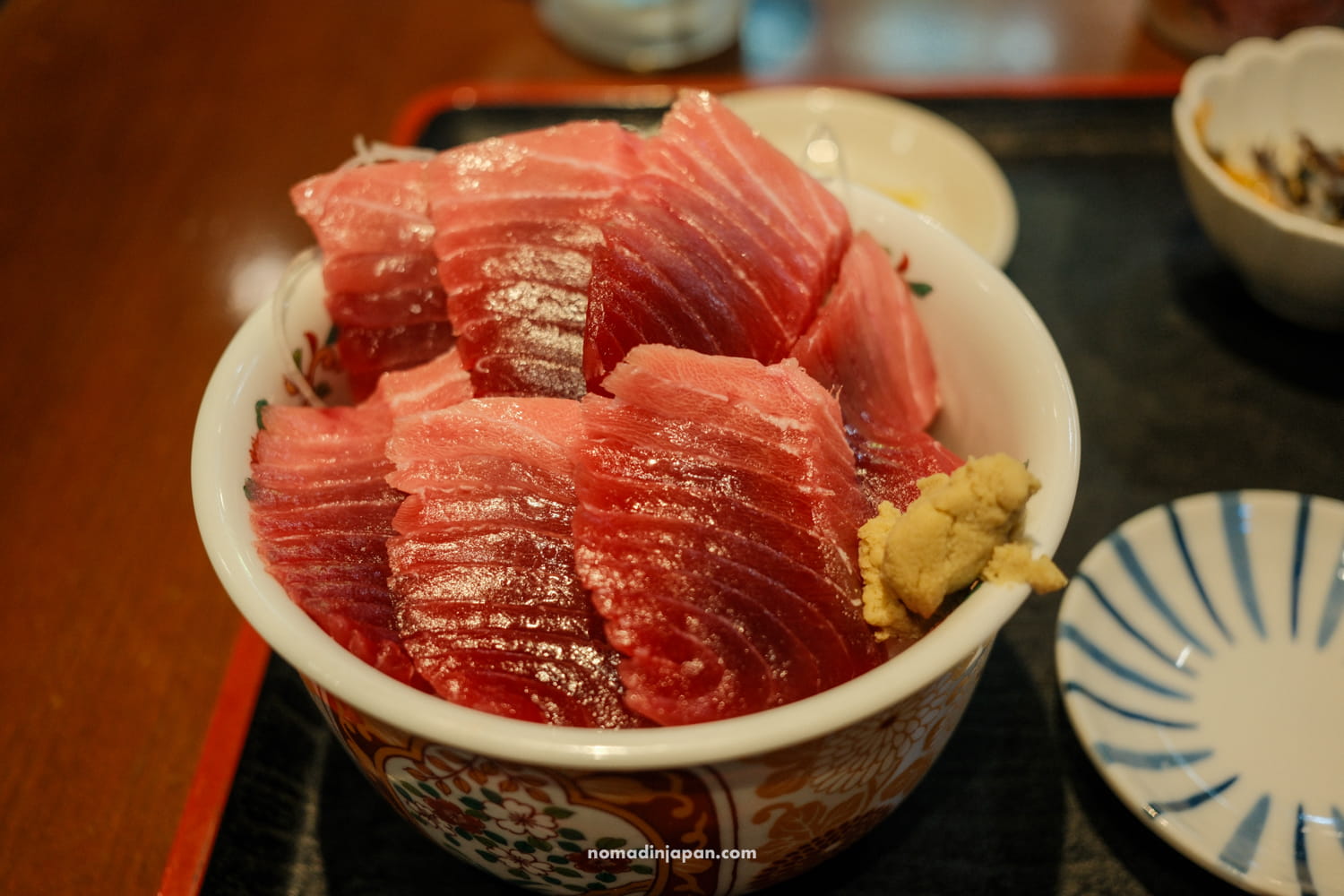
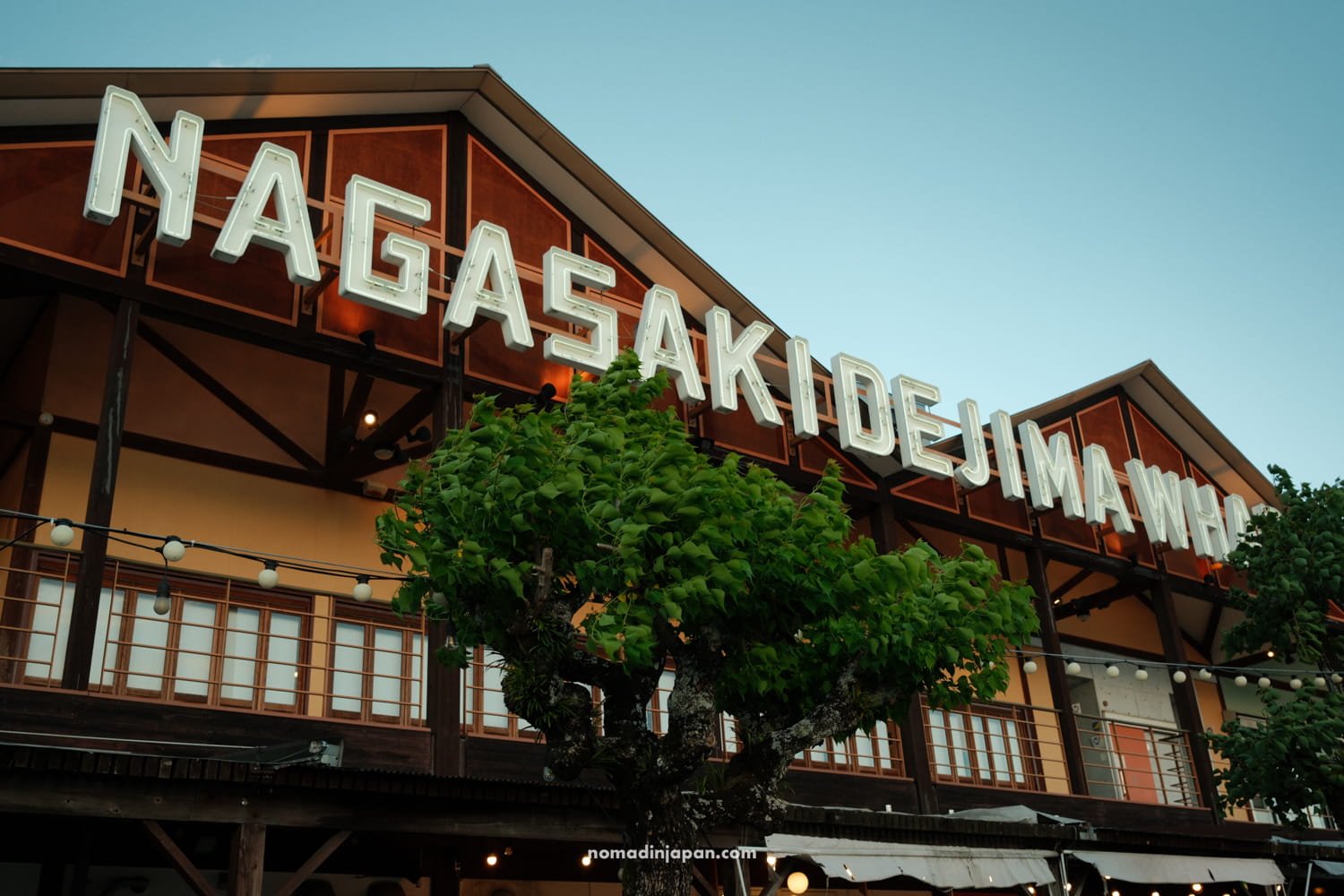
At the wharf, I stepped into the Seafood Market restaurant and feasted on fresh maguro-don (tuna sashimi rice bowl), and I couldn’t believe how fresh, melt-in-your-mouth, and smooth it was. The perfect way to end a day strolling and learning about Nagasaki’s past.
Day 4: Off the Beaten Path Between Shopping for Neko-Themed Souvenirs & Shrines and Eating Grilled Mochi
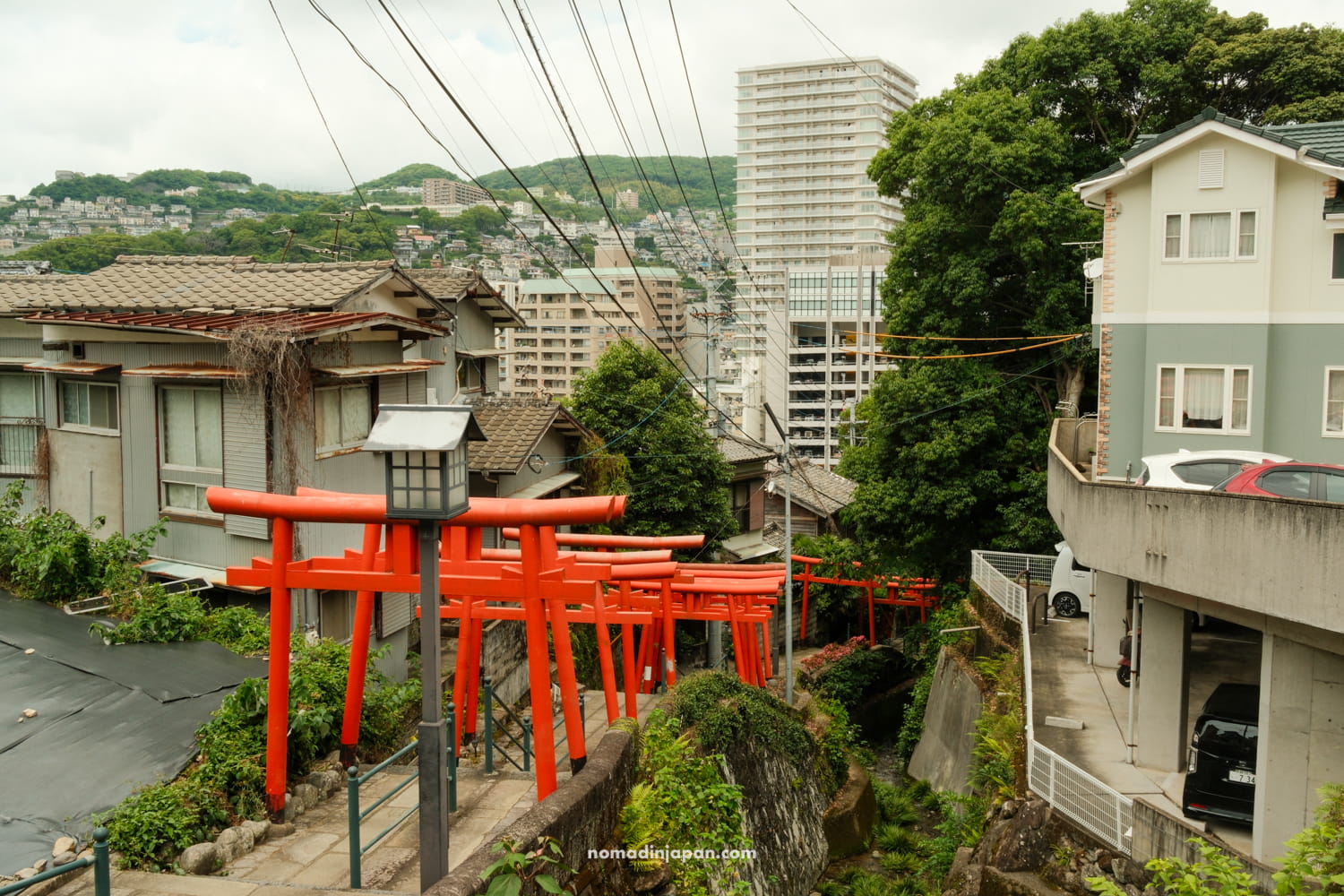
On my last day in Nagasaki, I walked through its quietest streets and up its steepest stairs, and if you have the energy, I’d highly recommend you do the same for an alternative experience (and epic viewpoint!) that beats the crowds.
Nagasaki is a city surrounded by mountains, and in its hills hide off-the-beaten-path Shinto shrines, leaf-covered cemeteries, and sacred camphor trees that mark the location of a family-run, 140-year-old grilled mochi shop (called Umegai Mochi Kikumizu; cash only).
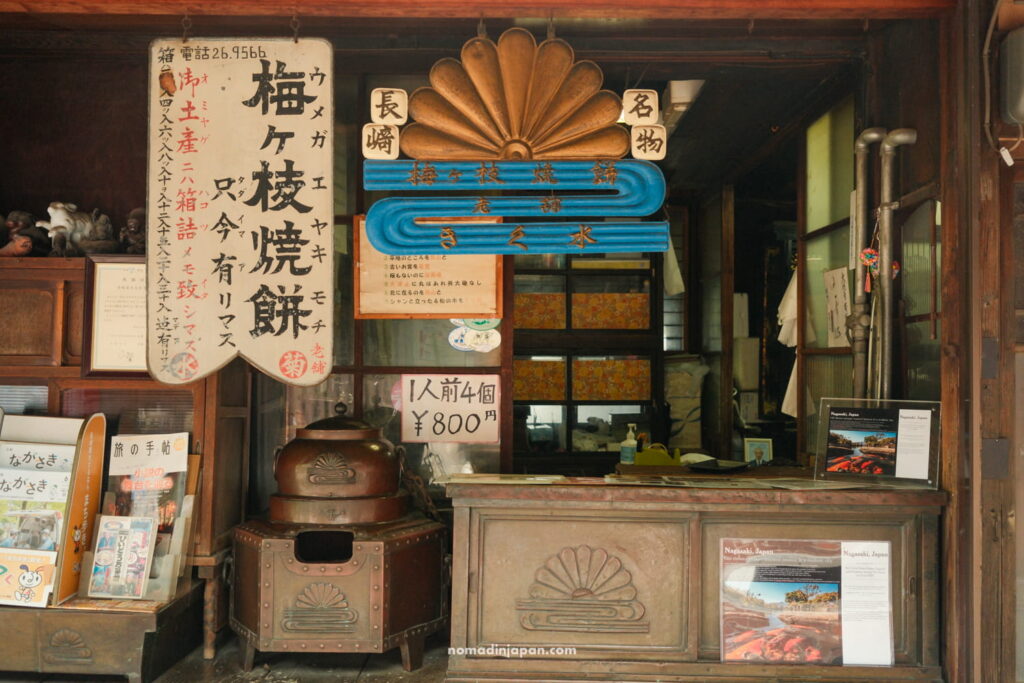
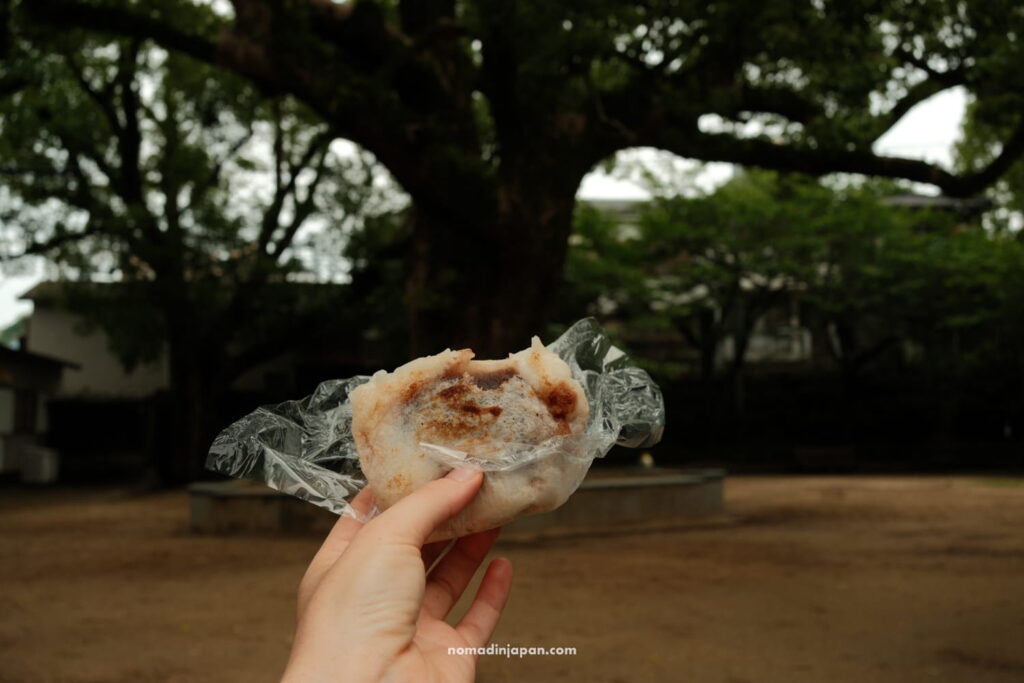
Now that you have covered the northern and southern ends of Nagasaki and walked down its most historic streets and bridges, all that’s left is to uncover more of its secrets, which truly lie in its hills.
A stroll through hillside Shinto shrines
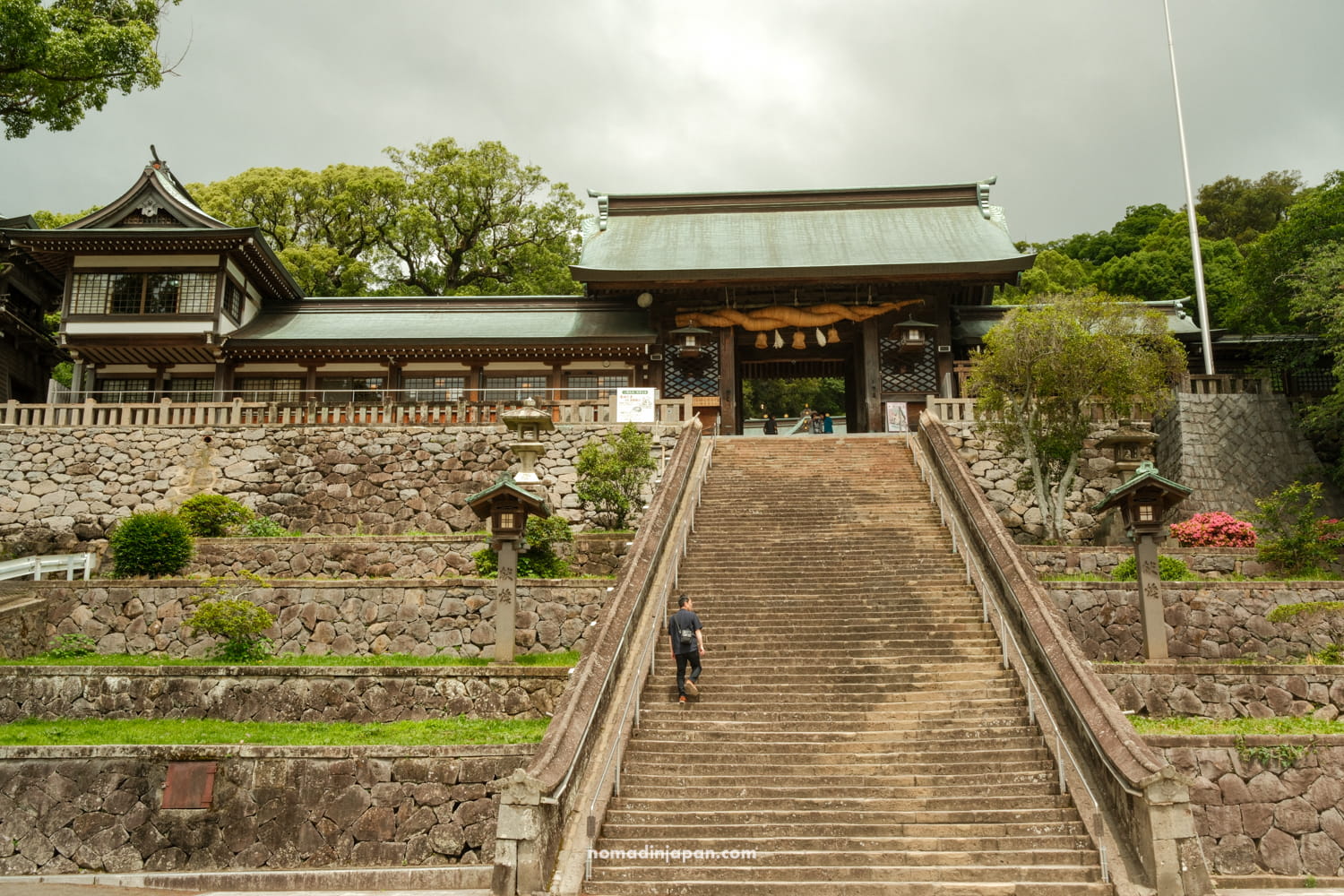
To begin, start your morning at Suwa Shrine. This beautiful Shinto shrine is in the cradle of the mountains and is worth the 250+ steps. Then, slowly, follow your GPS through its pedestrian-only alleyways up to Wakamiya Inari Shrine.
Take in the panoramic view at Kazagashira Park
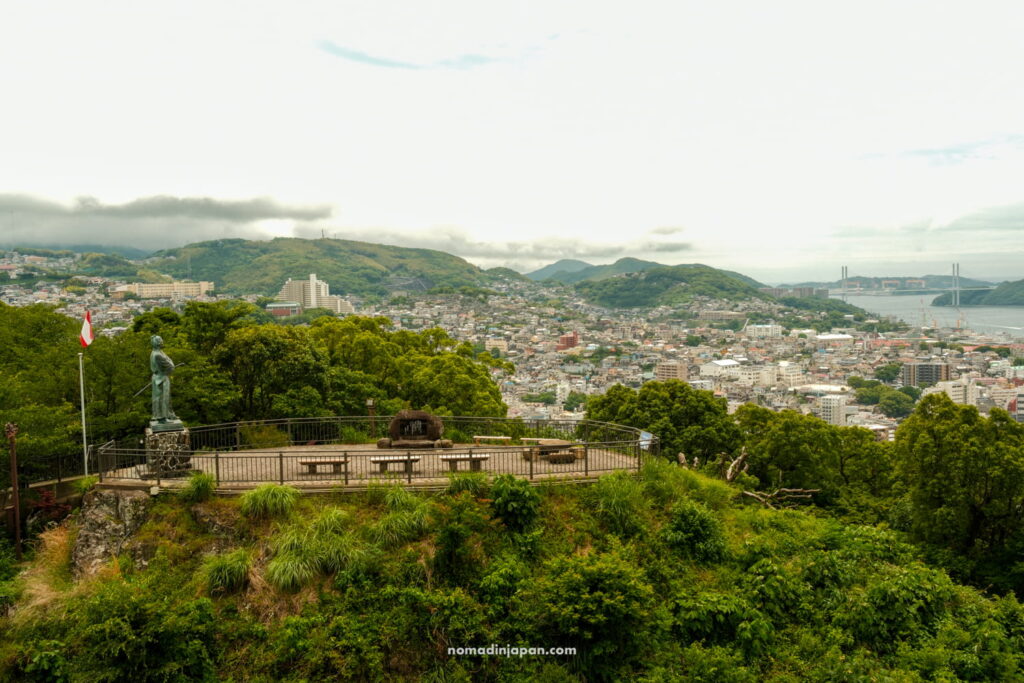
Your destination is Kazagashira Park, one of Nagasaki’s famous hilltops with a night view that rivals that of Mt Inasa.
Complete the walk by descending counter-clockwise through the hillside cemetery (a real knee-breaker that one), and you’ll end up back in the side of town, with a handful of kissatens and shopping streets between Teramachi St and the stone bridges of the Nakashima River.
Pick up some Nagasaki-neko themed souvenirs
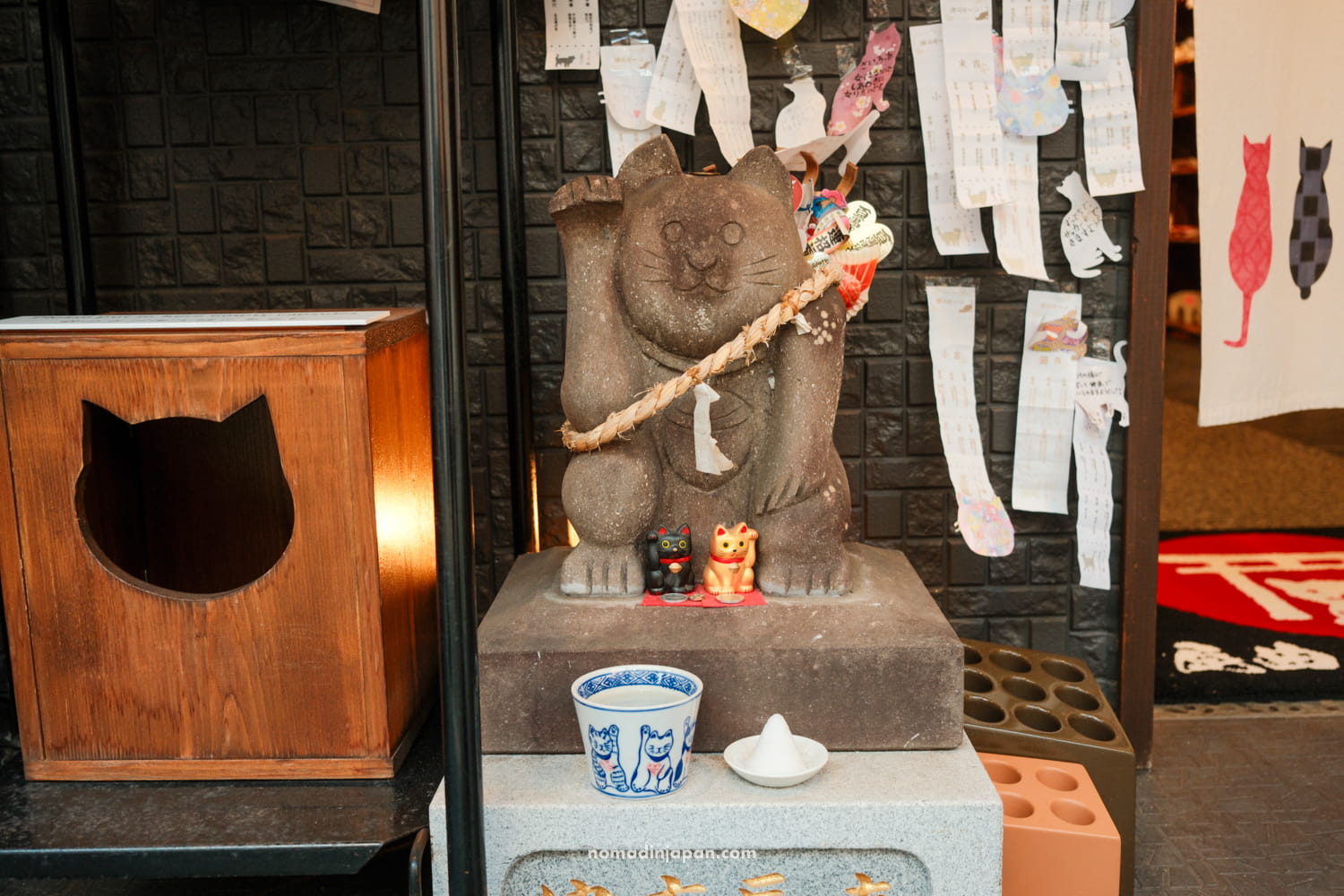
Before you head back to your hotel to pack up, be sure to stock up on your souvenirs. This area is clustered with boutiques selling handicrafts from the region, plus my favorite, the Nagasaki Omagari Neko Shrine— a Nagasaki-cat-themed store with a dedicated Shinto torii and offering box just for the famous bob-tailed kitties that call this peaceful city home. 🐾
Have any questions about my time in Nagasaki or this itinerary? Ask away in the comments below, and I’ll get back to you!