A Night in Narai-juku: Historic Inns in Japan’s Longest Post Town
Narai-juku is one of Japan’s most breathtaking villages, and yet so few tourists end up staying overnight to steep in its Edo-period atmosphere.
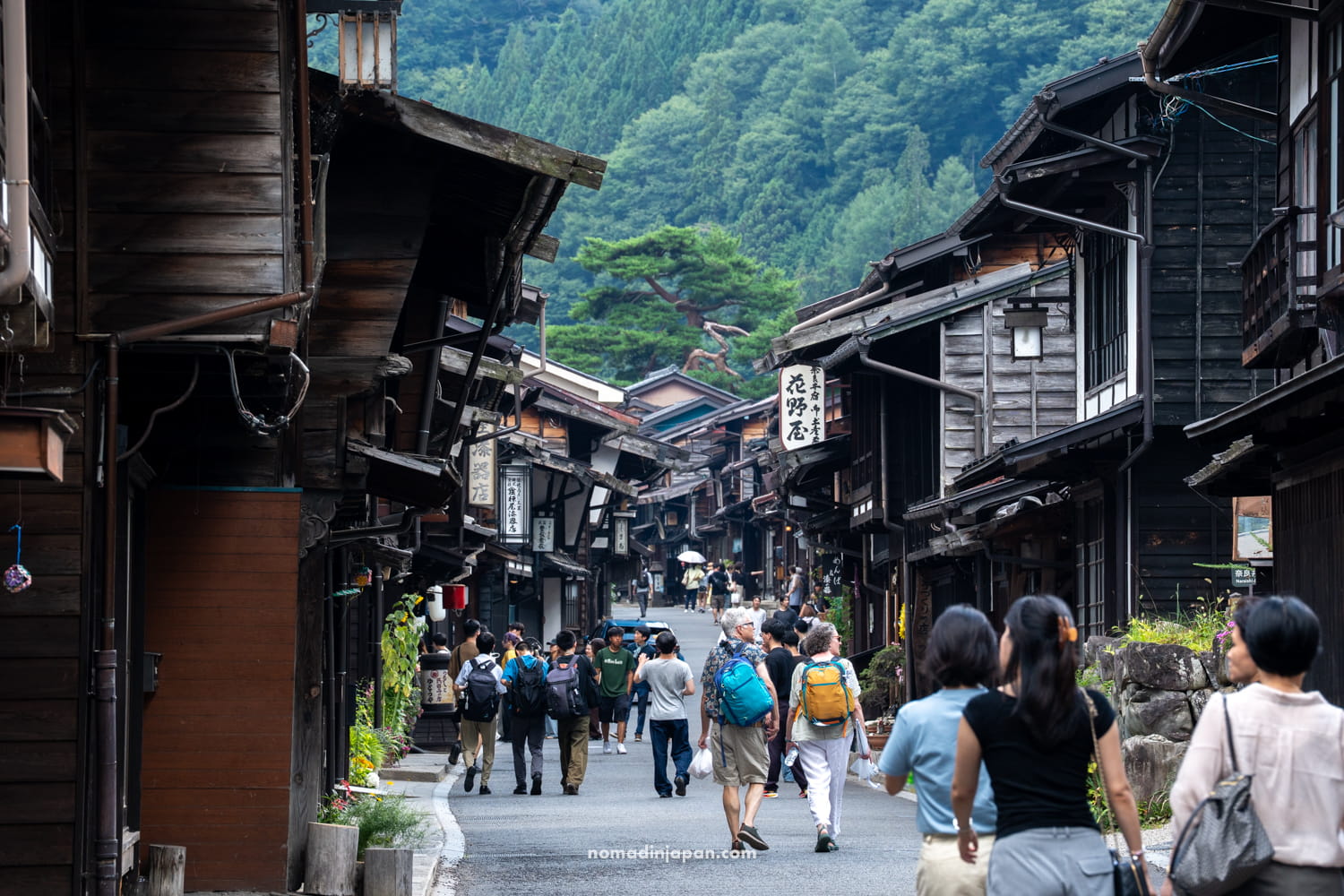
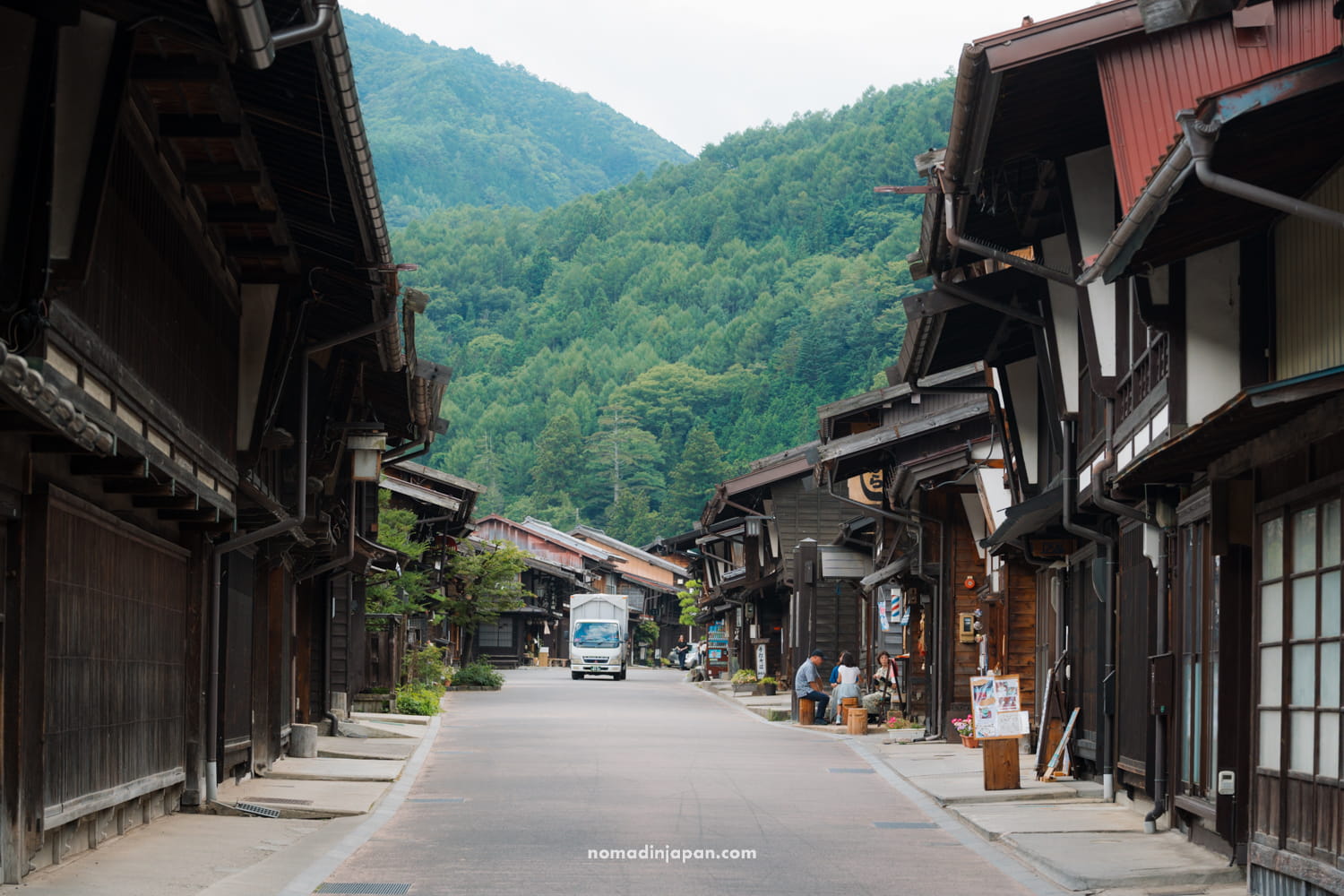
Videos and photos of Narai-juku by day will show its winding alley, sandwiched between centuries-old inns and stores, full of camera-clicking visitors. But by night, that same iconic street empties out.
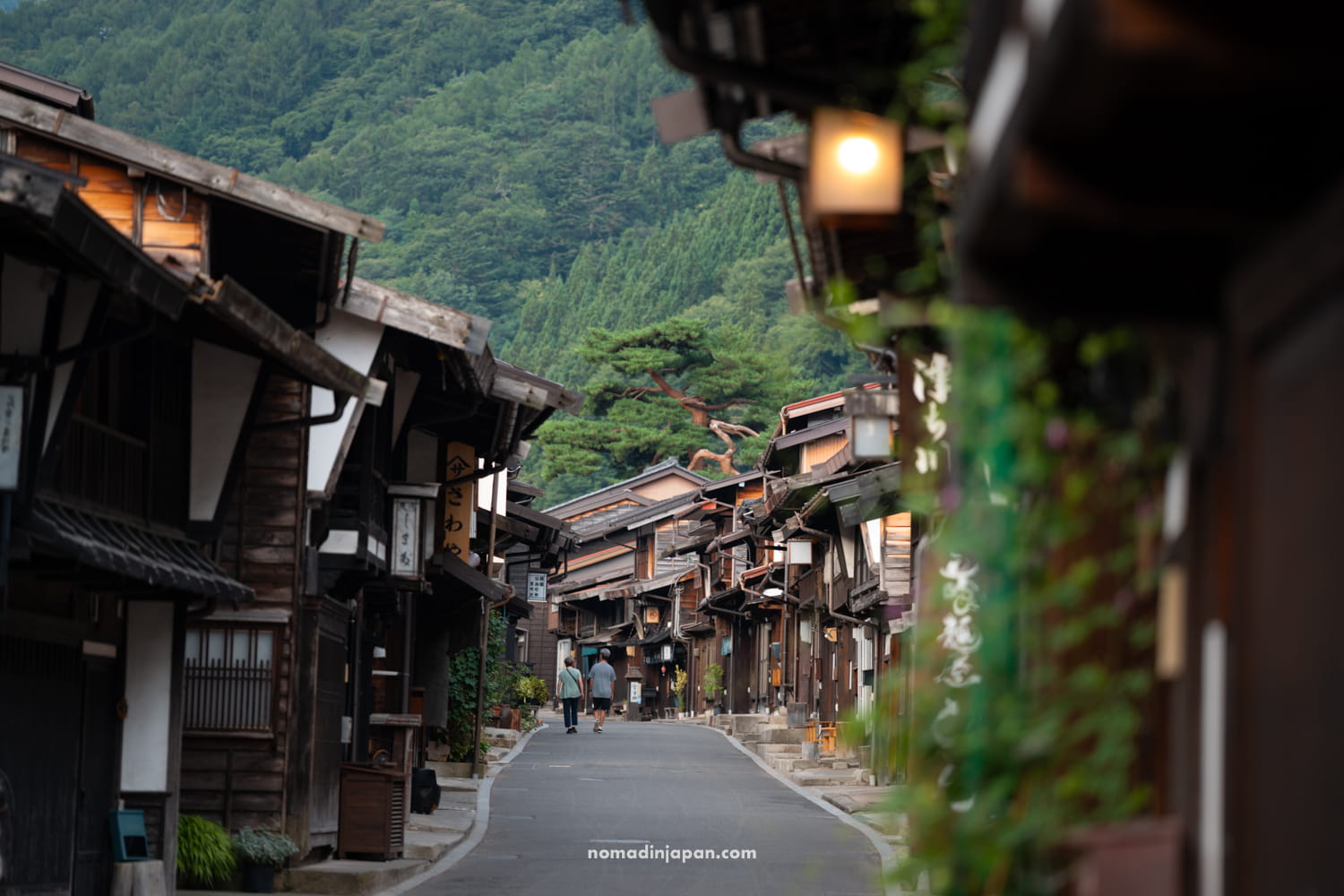
And you, the tourist who chose to stay overnight in this town that closes its shops around 4–5 pm, can step out of a centuries-old inn in your yukata and stroll the lantern-lit street with nary a soul around!
In this guide, I’m sharing my experience staying at one of Narai-juku’s most historic and beautiful minshuku inns.
Tourism in Japan is so interesting to me because it is so often layered. A place that news outlets and reports may warrant as “overcrowded” could actually be abandoned, aching for more visitors.
Narai-juku, distinguished as the longest and one of the best-preserved post towns in Japan, is certainly far from abandoned or in decline in terms of tourism, however.
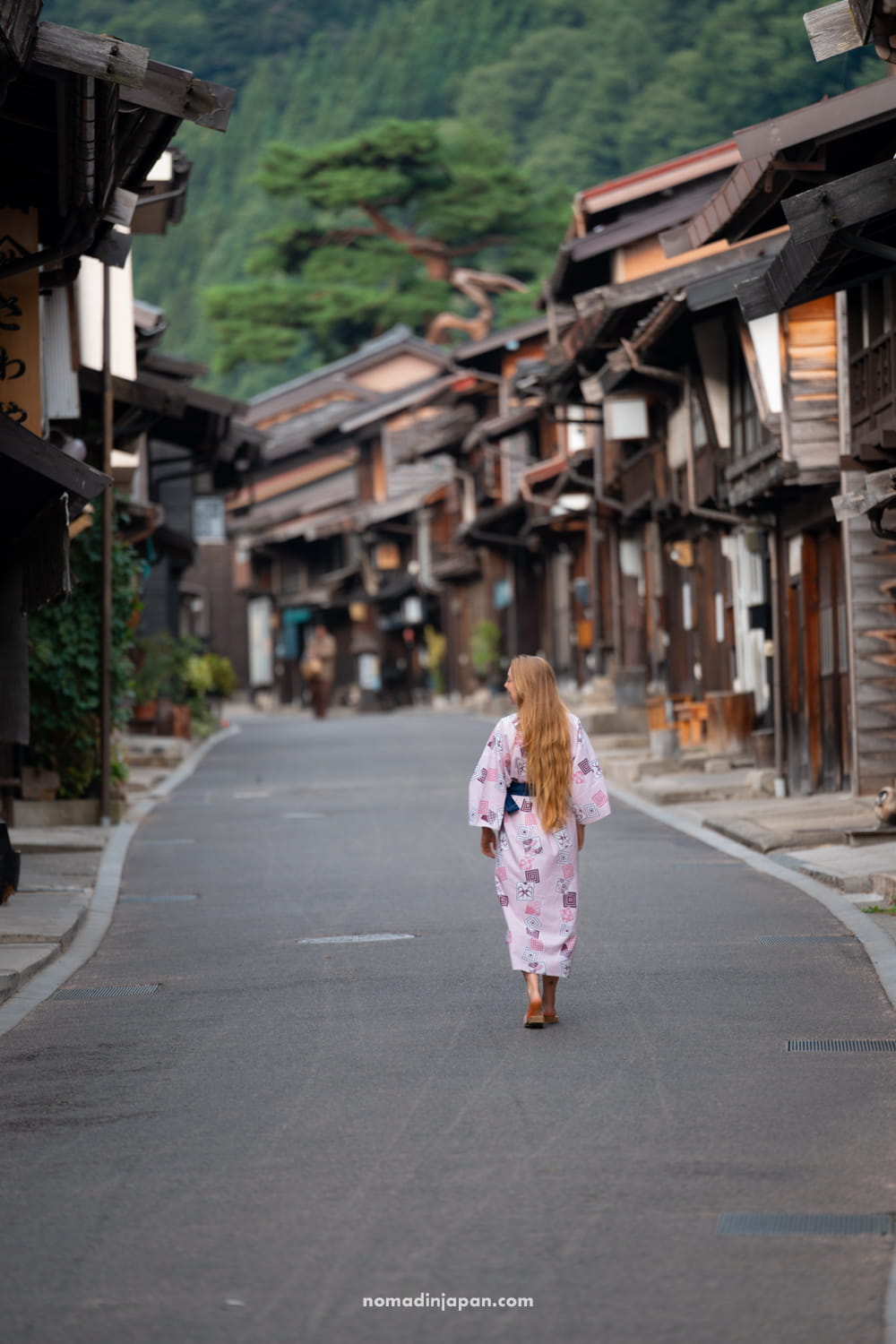
To protect its nearly one-kilometer stretch of Edo-period wooden architecture, it was registered as a Japan Heritage site as part of the “Important Preservation District for Groups of Historic Buildings” in 1978, and is still home to locals who have lived here for generations and will continue to do so.
It’s these types of lodging experiences in Japan that stay with you!
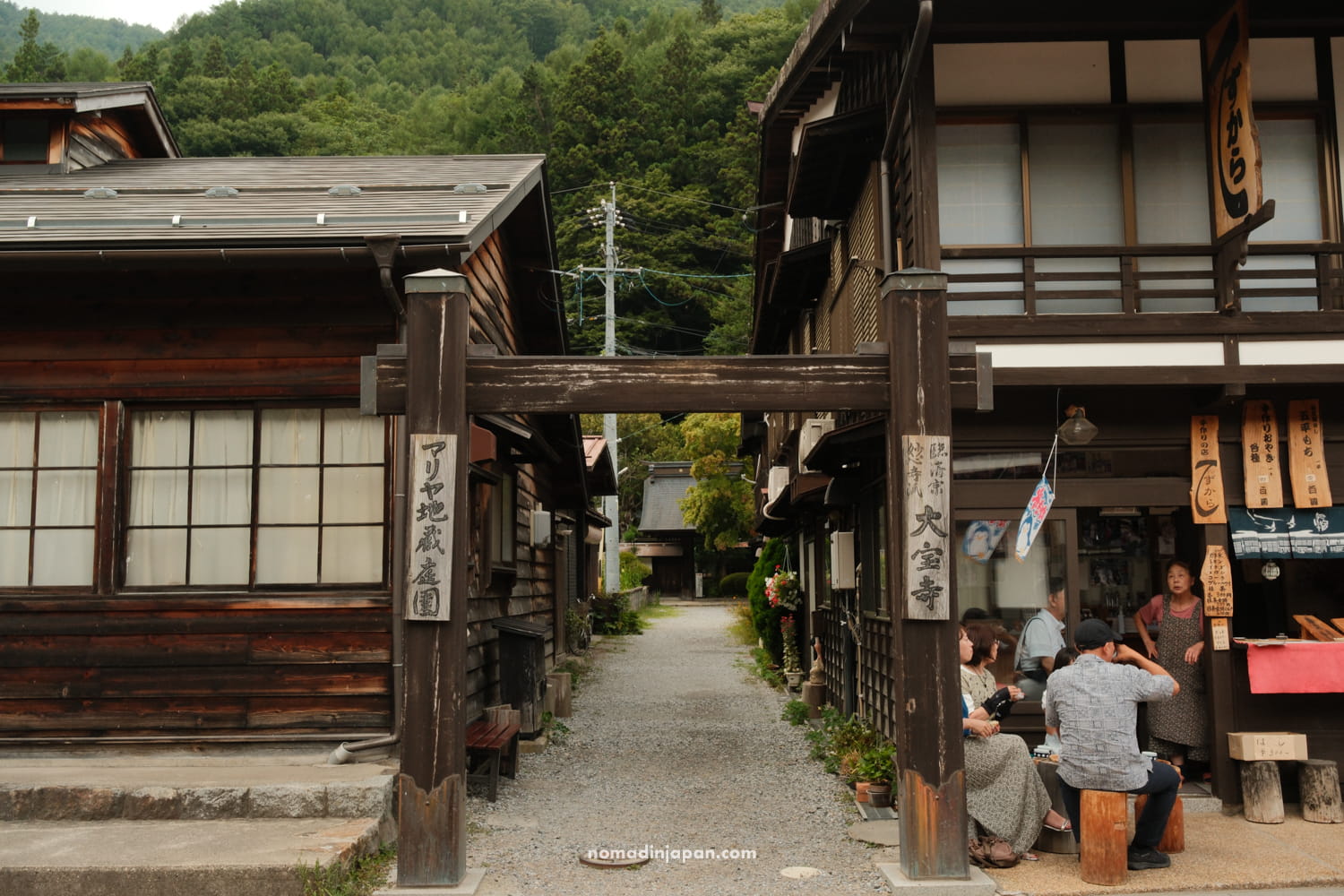
This is why I highly recommend staying overnight in Narai-juku as part of a walk along the Nakasendo trail.
Below are details on historic ryokan (higher-end Japanese accommodation) as well as minshuku (more like family-run inns), including where we chose to stay before continuing our Nakasendo journey to walk between Tsumago-juku and Magome-juku.


Where to Stay in Narai-juku: Historic Ryokan & Inns
🏮 A note on booking accommodation:
Many of the historic inns in Narai-juku and along the Nakasendo are not listed on Booking.com or Expedia, although some are. If any of those listed show no availability or are sold out, you can book directly through the website via email or phone, as I did for our stay in Narai-juku.
Consider that accommodation here is mostly all-inclusive, with breakfast and dinner (Japanese-style), since there are no restaurants open in the towns at night. In general, accommodation along the Nakasendo features lodging in very old inns, even though they are well-preserved and renovated. You can expect some creaky floors, doors, and knobs!
Getting reservations for ryokan in Narai can be a bit of a hassle in that case. But I promise, it will be well worth it! ♥️
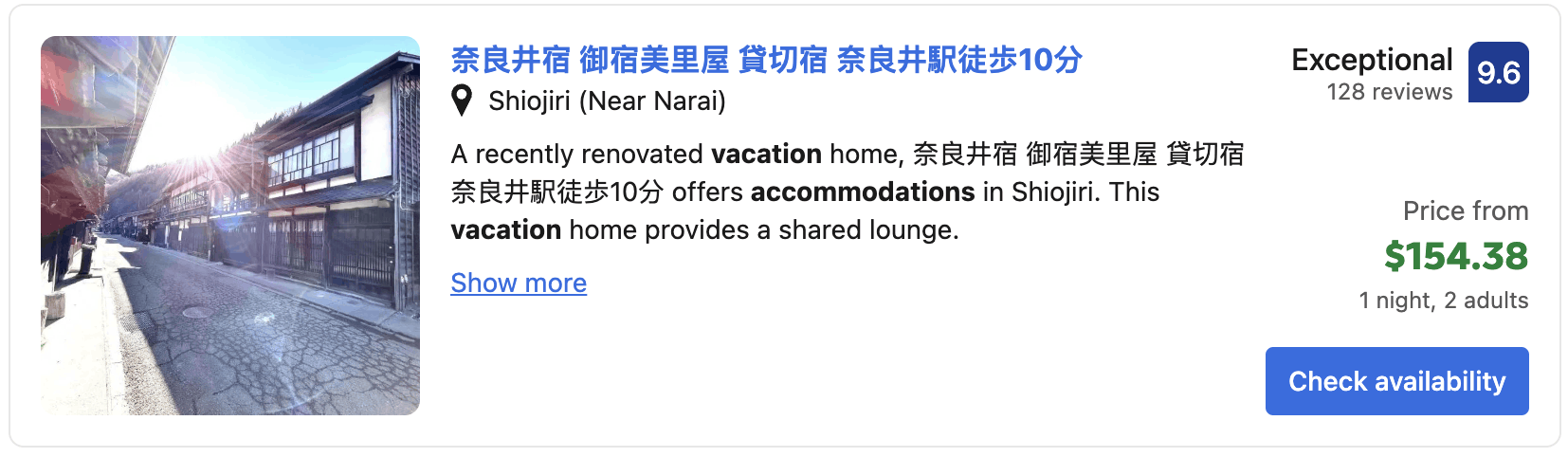
Here are my top picks for minshuku inns and ryokan in Narai-juku that are bookable online (and/or with a phone reservation – in English!) for both convenience and value.
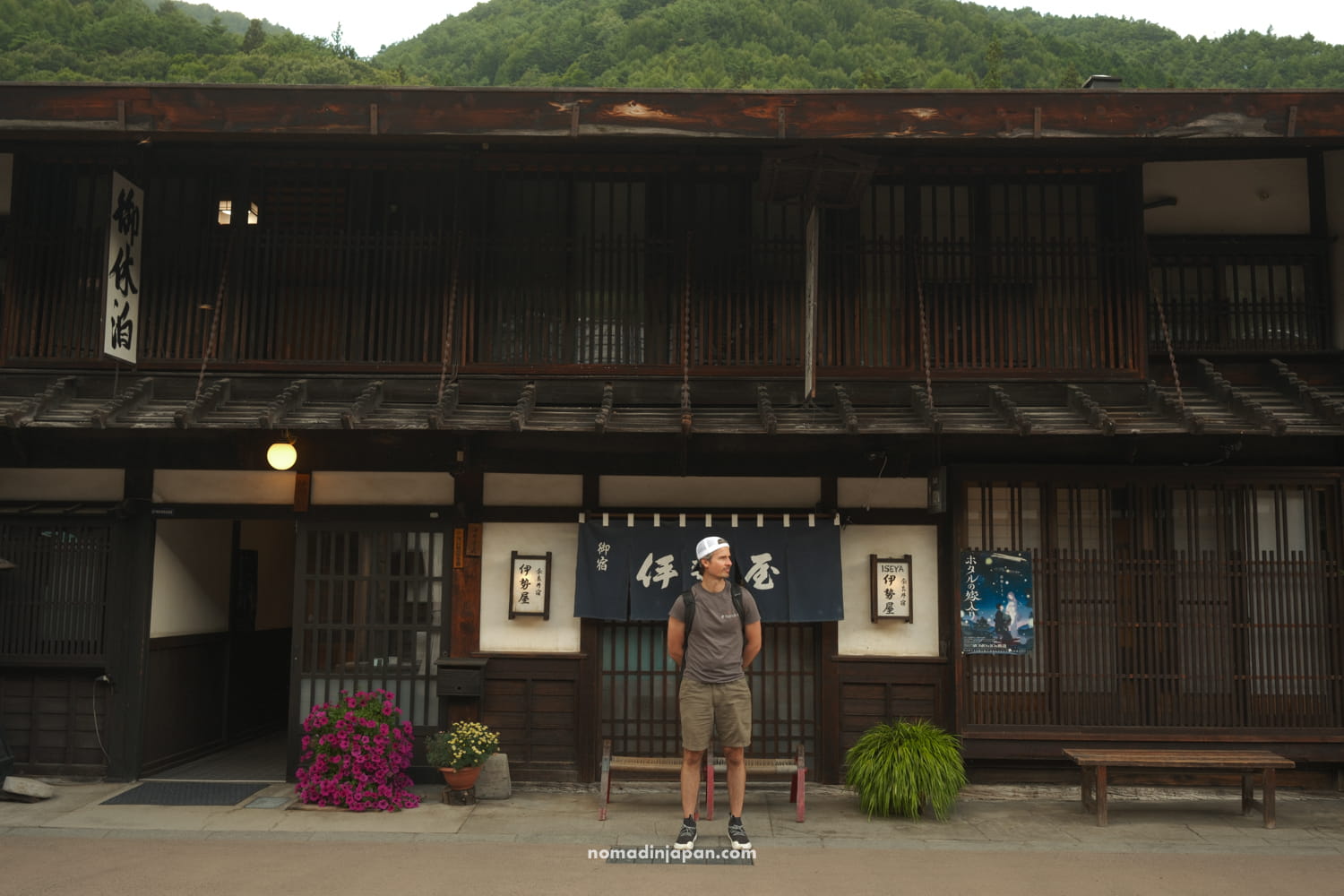
1. Oyado Iseya Inn (Where We Stayed!)
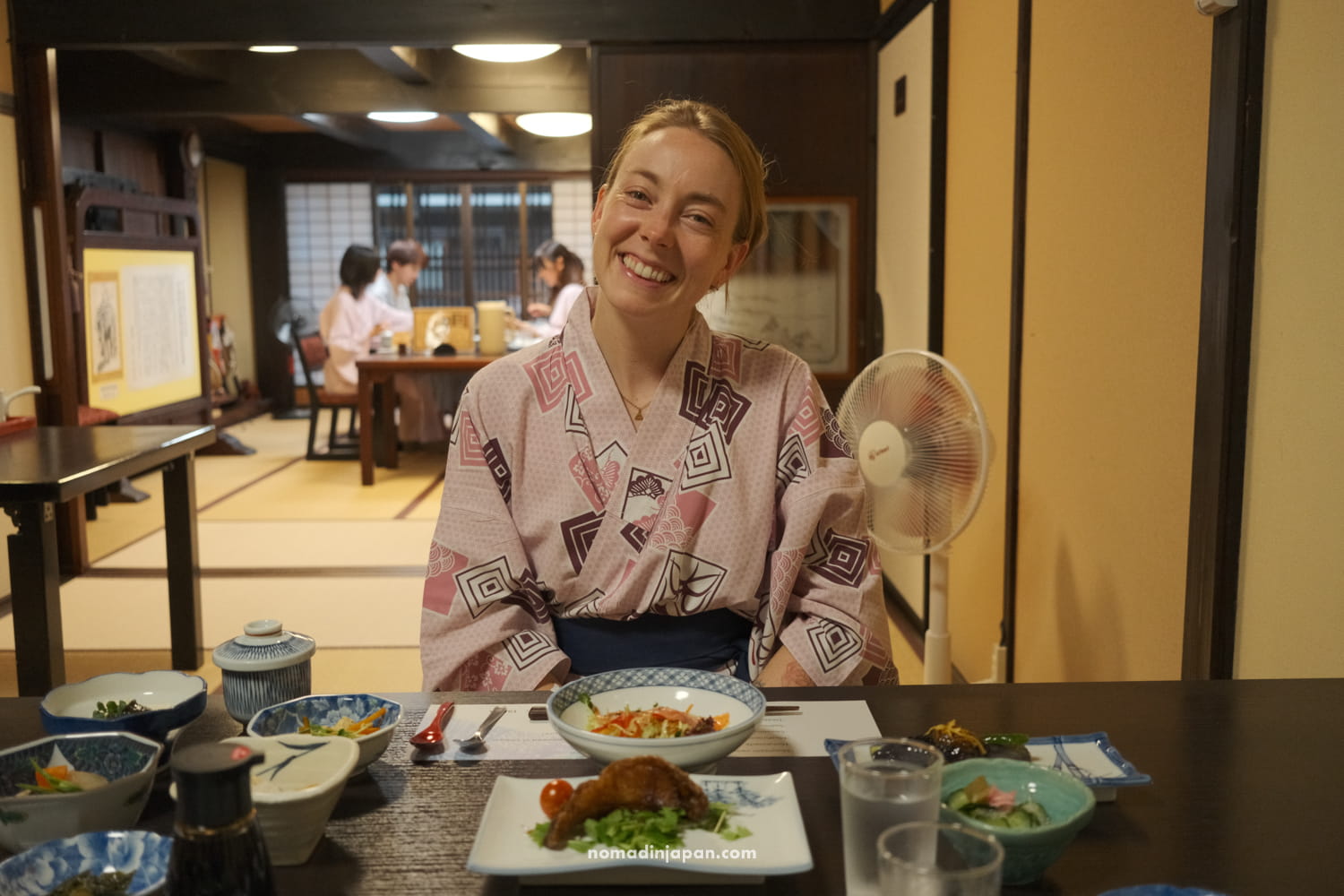
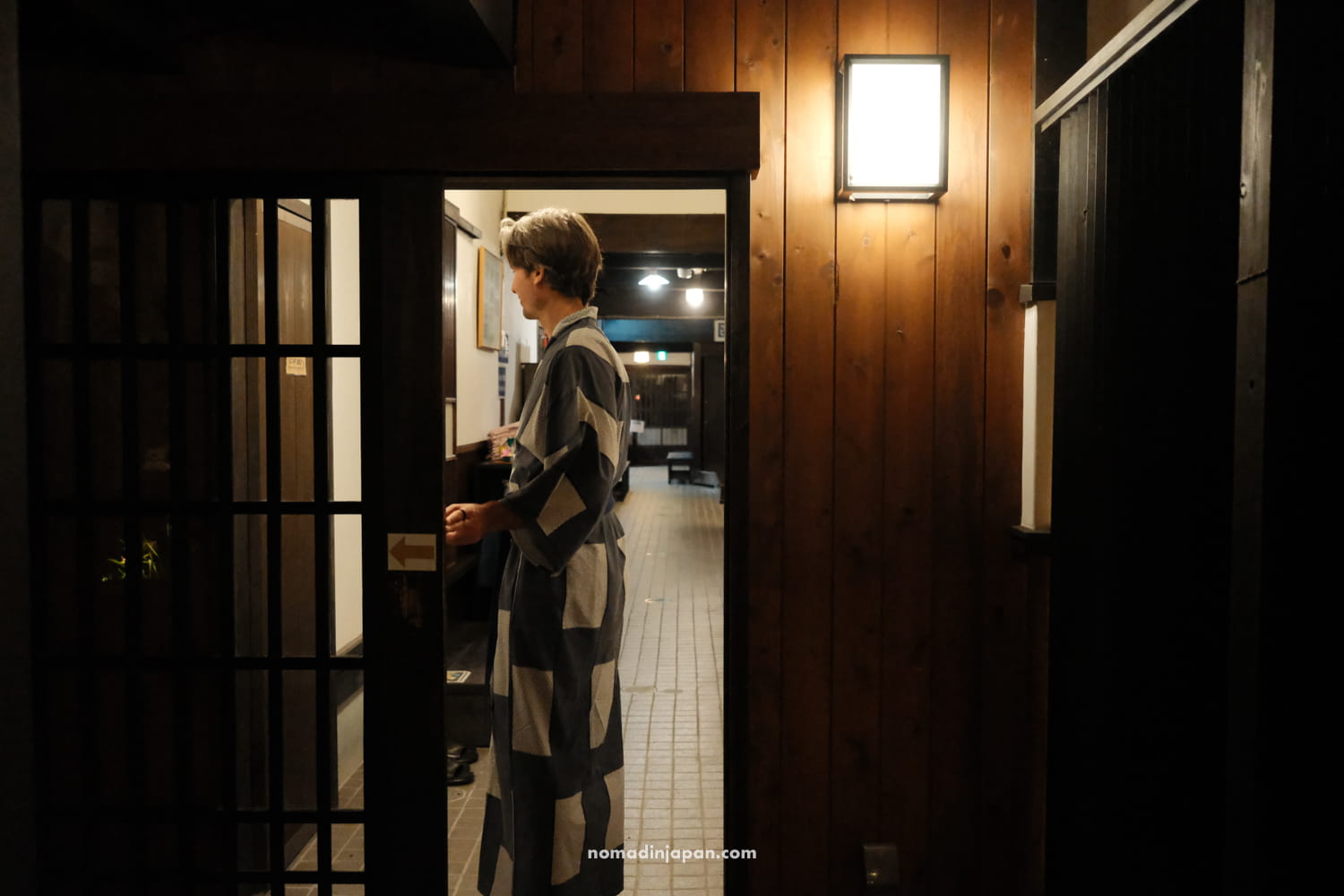
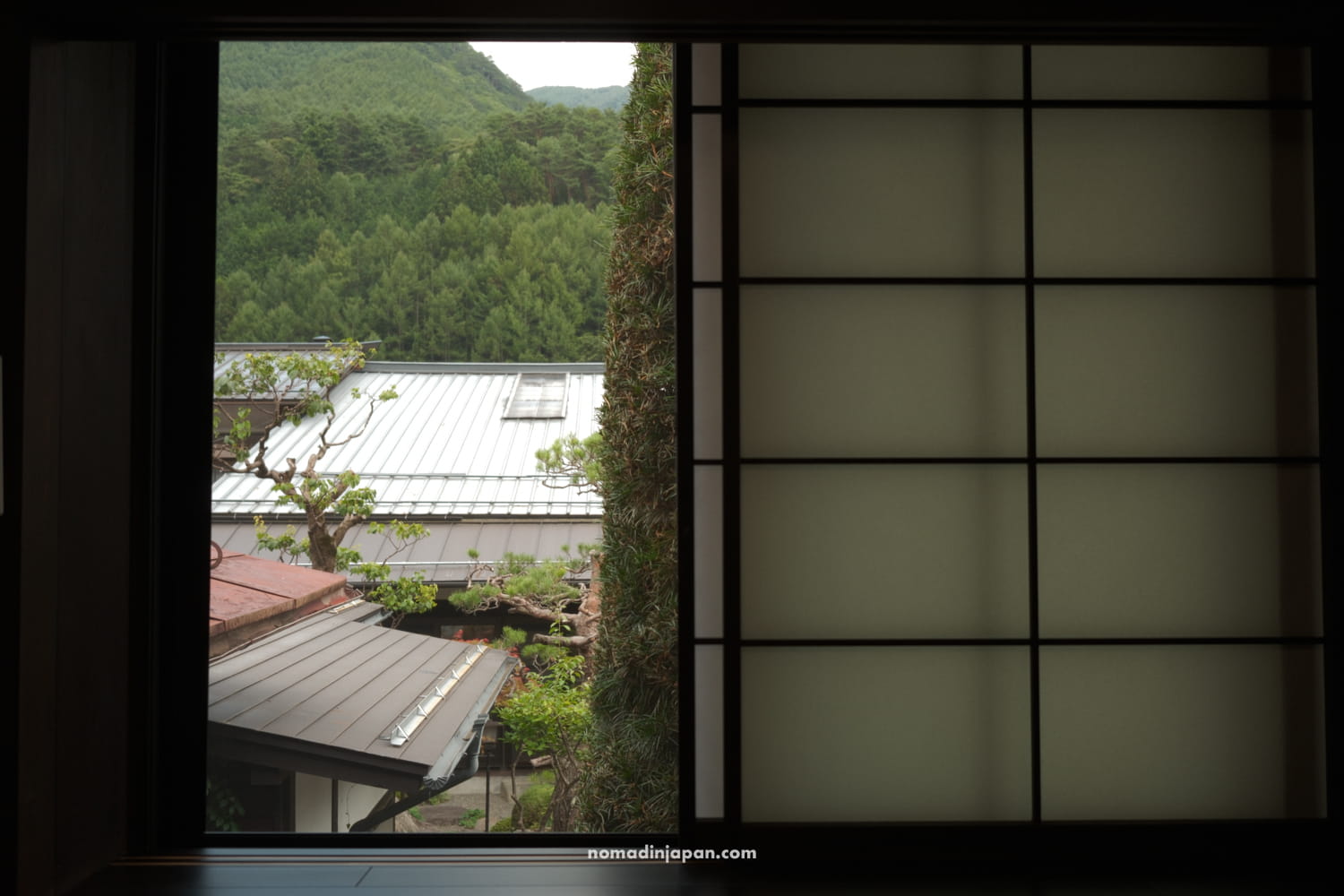
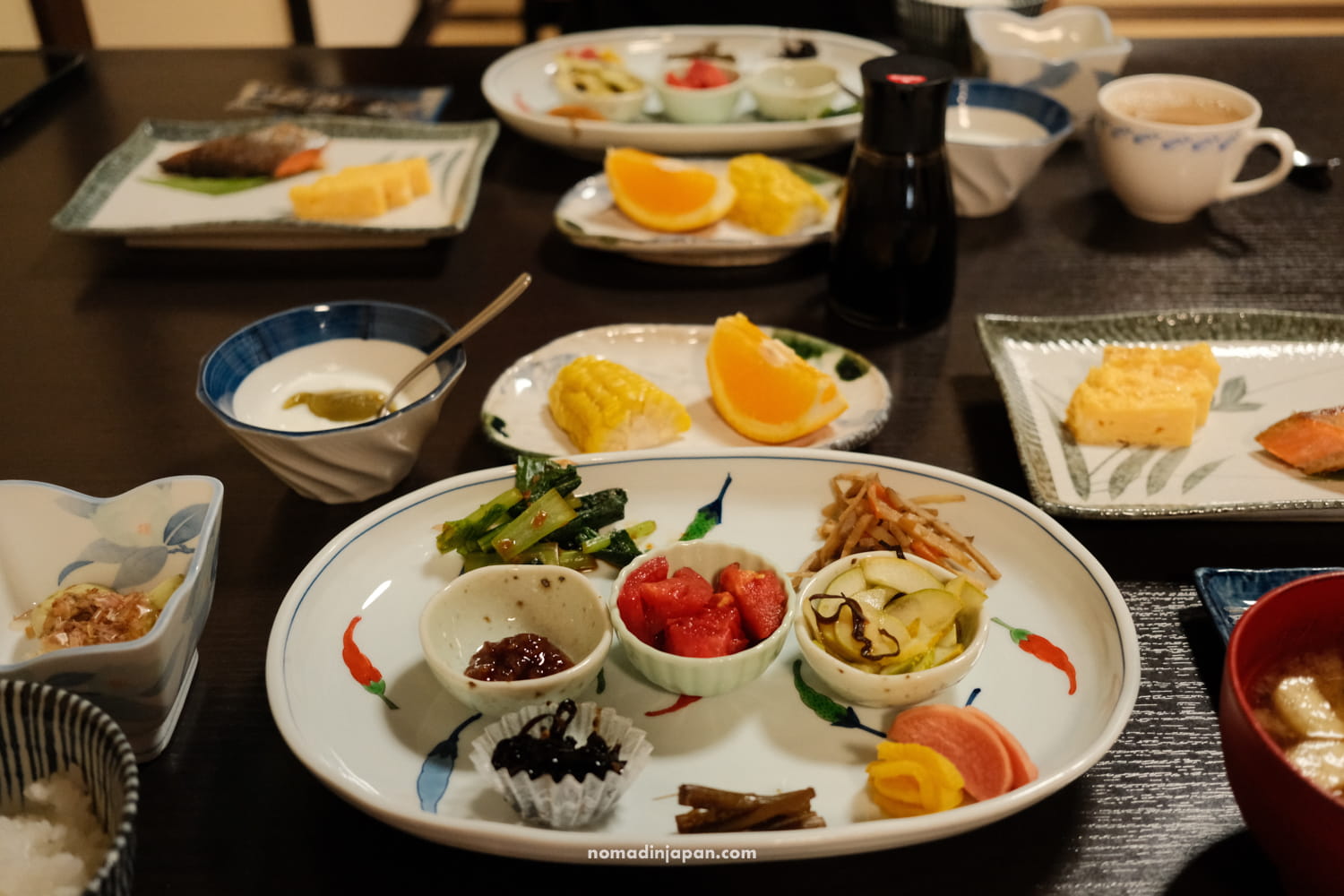
When I was planning our overnight stay in Narai, I was initially worried because everything was booked. But then I found Oyado Iseya, and despite being perhaps the most historic minshuku, dating back to 1818, they happily responded to my reservation request online.
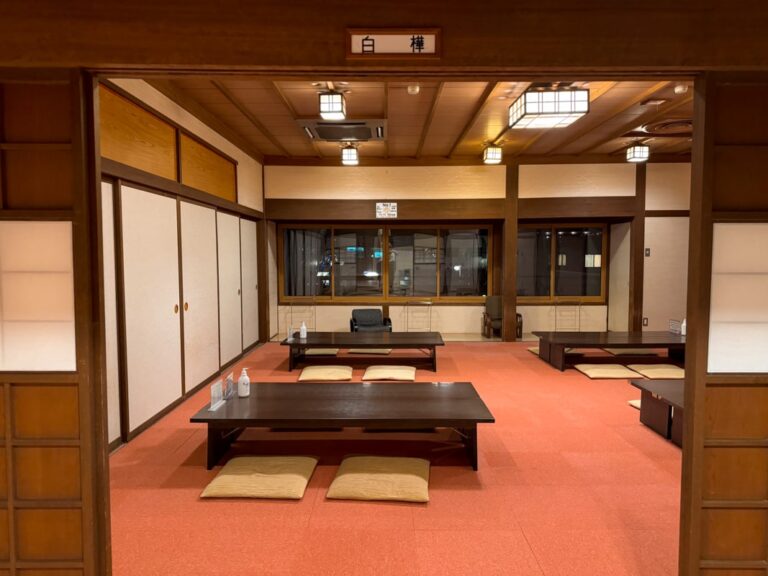
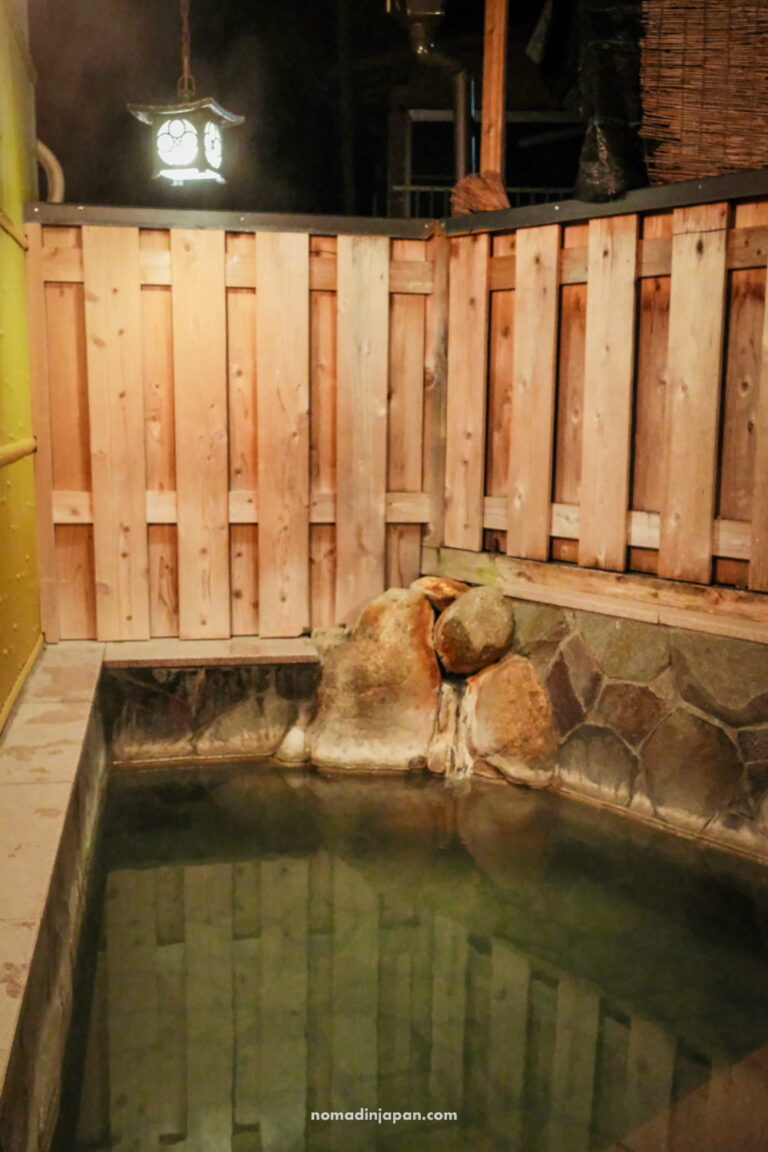
While not as luxurious as Byaku (listed below), you’ll feel transported back in time. You’ll sleep on traditional futons in tatami rooms, enjoy seasonal Kiso Valley cuisine, and can unwind in one of two private onsen baths. We were warmly received and extremely well fed with a 16-dish dinner that was as beautifully presented as it was delicious, and the authentic architectural details you’d expect from a centuries-old inn, mixed with modern comforts like a luxurious private onsen room, were simply *chef’s kiss*.
I can’t believe I got to wake up here, to ring in my 33rd birthday. So special! Iseya is every bit worthy of its praise.
You cannot book Iseya through a typical booking website such as Booking.com. Luckily, if you have a bit of flexibility, you can reach out via an online contact form in English to inquire about availability.
And as luck would have it, Iseya had a room available for us, despite it being a last-minute booking, on a Friday night, and one of the best and most historic places to stay in Narai-juku (and in peak summer!). It might seem odd to “reserve” your hotel this way, but it is quite typical of the Nakasendo experience and a reminder that the best of travel always comes with a bit of luck.
If you can’t snag a reservation for Iseya or want something a bit more luxurious, or a bit more suited for penny-saving, then here are more fantastic places to stay along Narai’s main street (and that ARE bookable online!):
2. BYAKU Narai
🌟 9.6/10 ~ 442 reviews
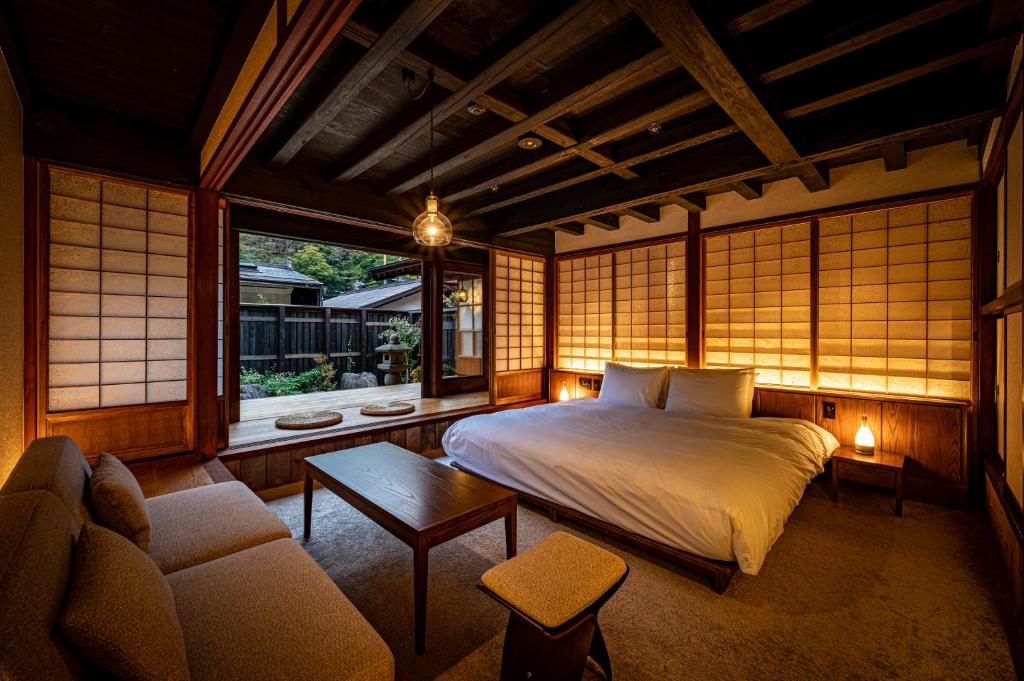
A beautifully restored heritage property with traditional Japanese architecture and refined interiors. Ideal for romantic getaways or luxurious solo retreats!
Located in the heart of Narai-juku is Byaku, one of the most luxurious ryokan options in the entire town.
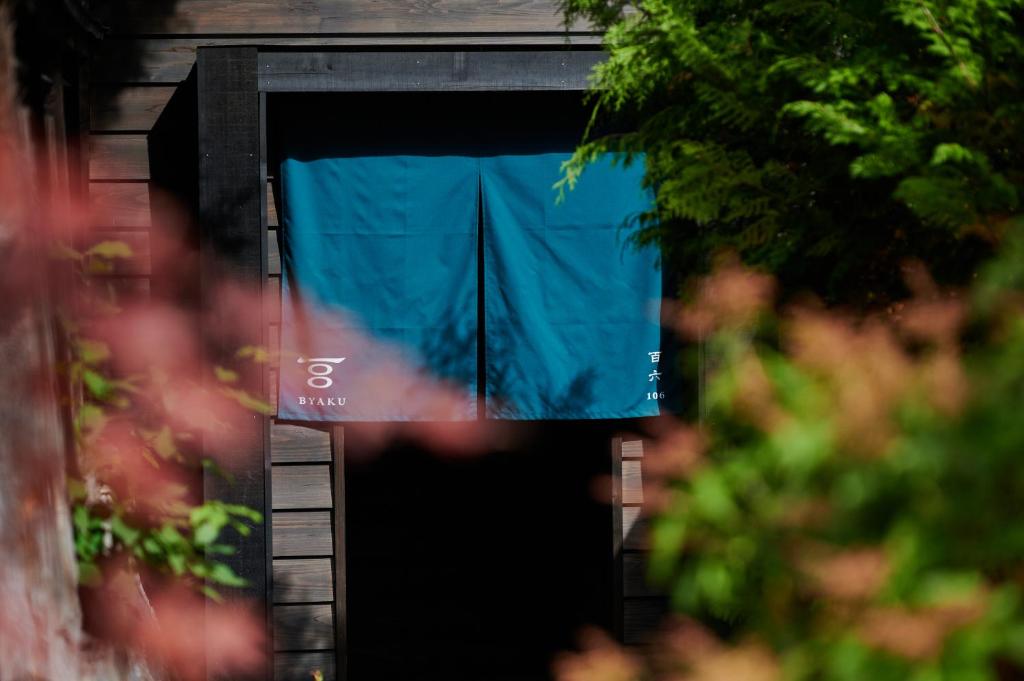
If you’re not paying attention, you might pass right by Byaku, as it’s so well camouflaged among the historic houses lining it. However, make no mistake: its low-lit atmosphere and cozy yet minimal interiors exude heightened elegance, and the nightly price tag matches it. If you want a truly exquisite stay in the heart of Narai, book a night at Byaku. You won’t regret it!
3. Matsumuraya Koma
🌟 9.8/10 ~ 106+ reviews
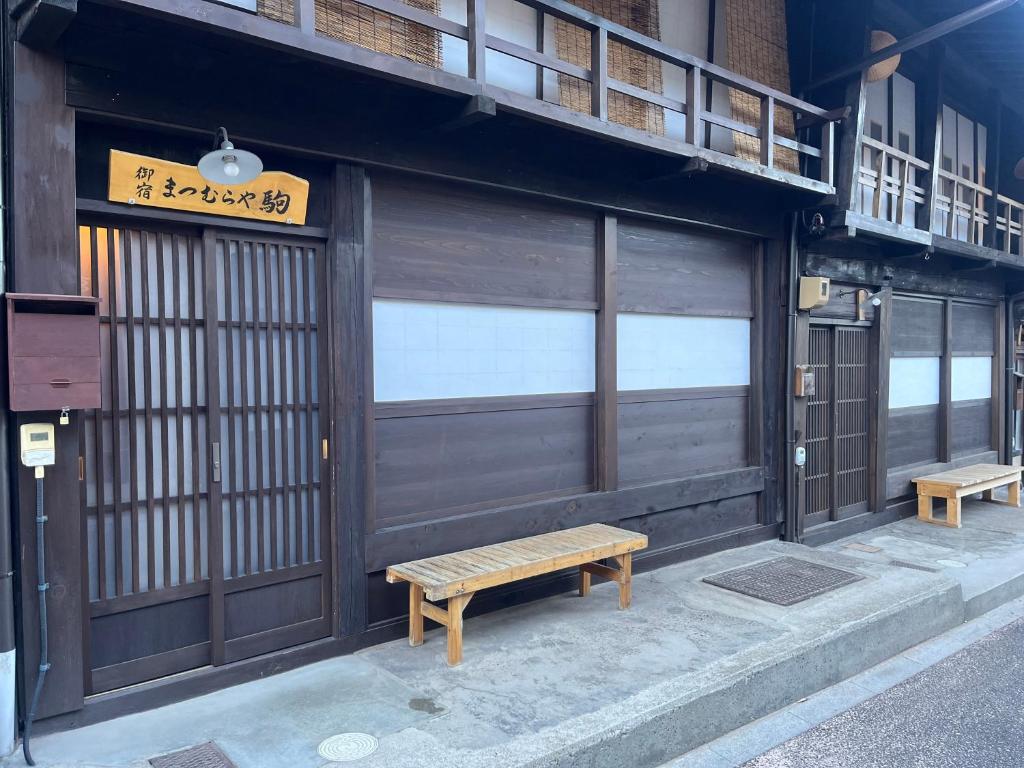
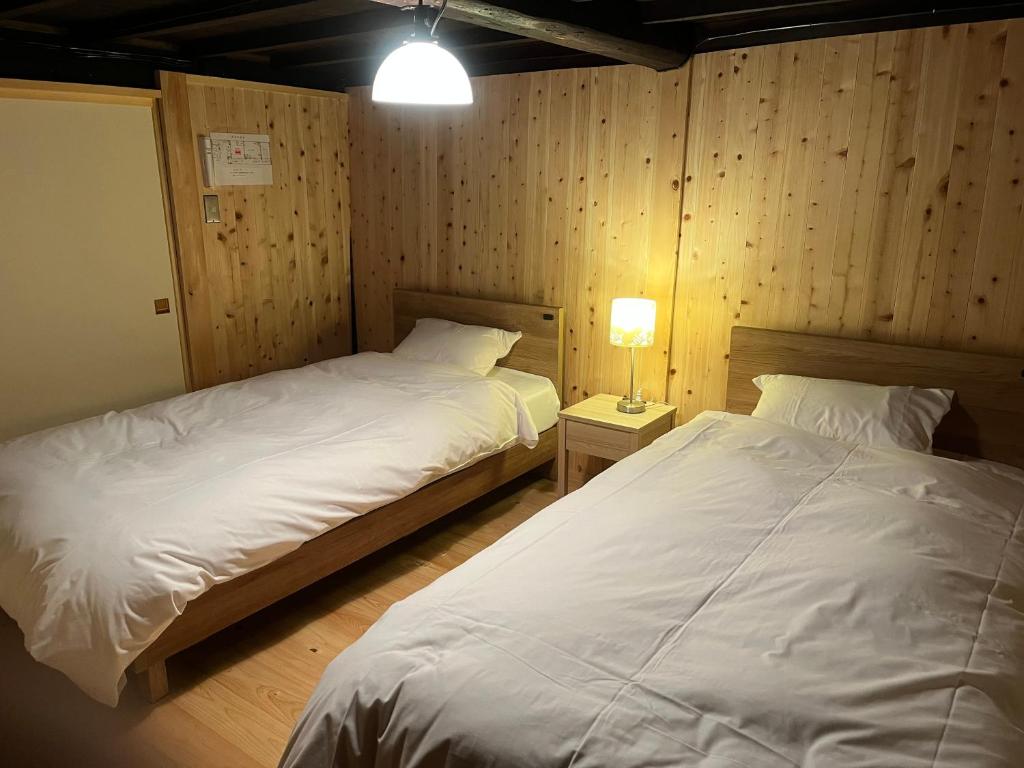
For something more family-friendly, local, and on budget, Matsumuraya is a great choice in the heart of Narai village without compromising on location.
If you’re not fussed about luxurious touches and prefer a more independent, family-style Japanese home, Matsumuraya has exceptional, highly praised reviews.
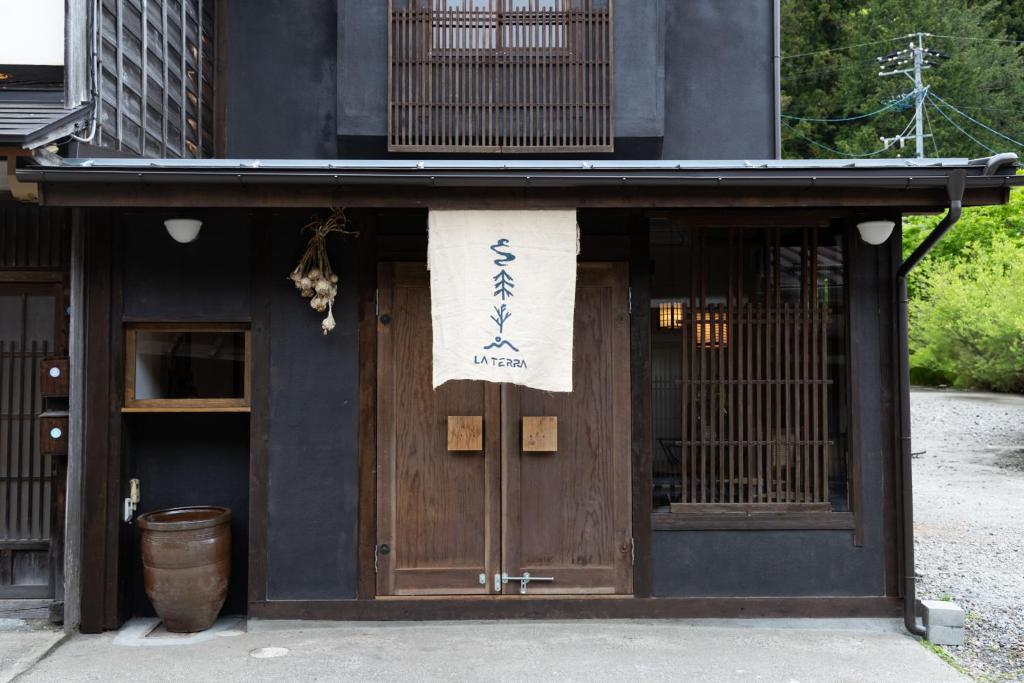
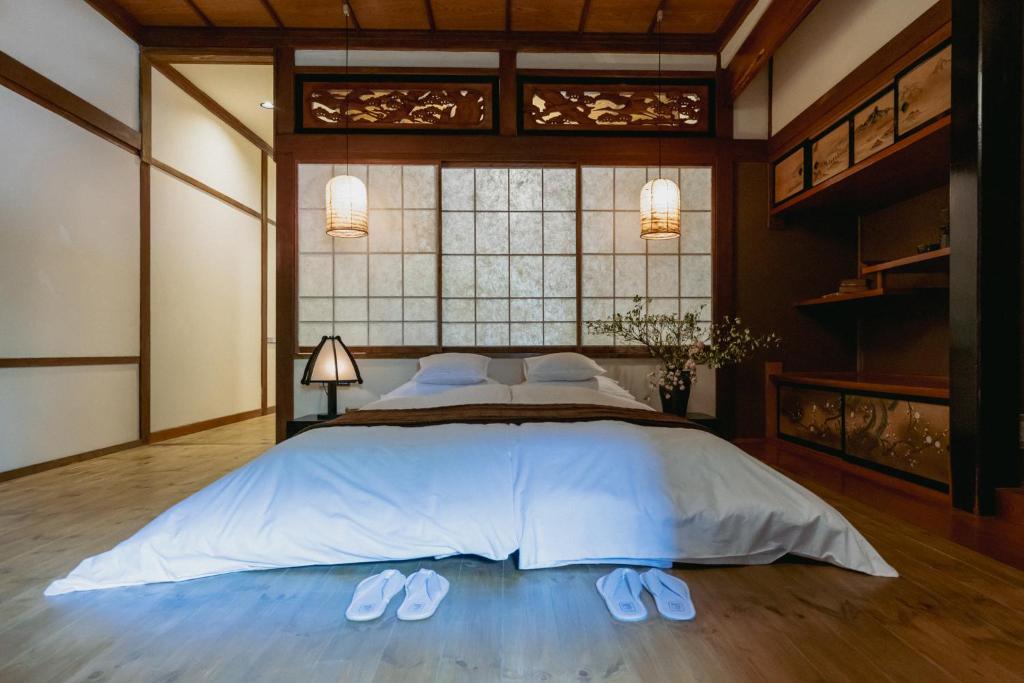
4. La Terra
🌟 8.0/10 ~ 47+ reviews
A no-frills, small hotel on the edge of Narai’s main street with dinner and breakfast included.
La Terra is not as highly rated, likely because it offers a simpler approach to accommodation. Rather than a 16-dish Japanese meal, for example, the included dinner is Italian fare, which is delicious but which I feel can be a big mismatch for the Edo-period atmosphere of Narai-juku. Check the reviews before you book, but it’s a good backup option if the others are sold out.
Ultimately, if you are flexible with your itinerary and budget, staying overnight in Narai-juku makes the entire Nakasendo trip 100% more memorable. Instead of breezing in and out on a day trip (though that has its perks, too), slowing down your journey with even just one night really pulls in the experience.
And remember! Where you choose to scimp and save can make all the difference in your takeaway experience. I much prefer to invest more in a memorable stay with quality food, onsen, and atmosphere than in a standalone meal or souvenir.
A final note 📝
Narai isn’t just about its photo-worthy street. There are so many hidden temples and statues in the forested hills just above the town, as well as historic bridges and monuments scattered throughout the outskirts.
To get a deeper experience of Narai than the tourist-strewn day trips, it’s worth spending a night or two. Or three! ✨
More options are available on Booking.com not featured here. Use the interactive map feature to find the closest to the center of town.