Where to Stay in Magome-juku: Traditional Inns in Japan’s Mountain Village
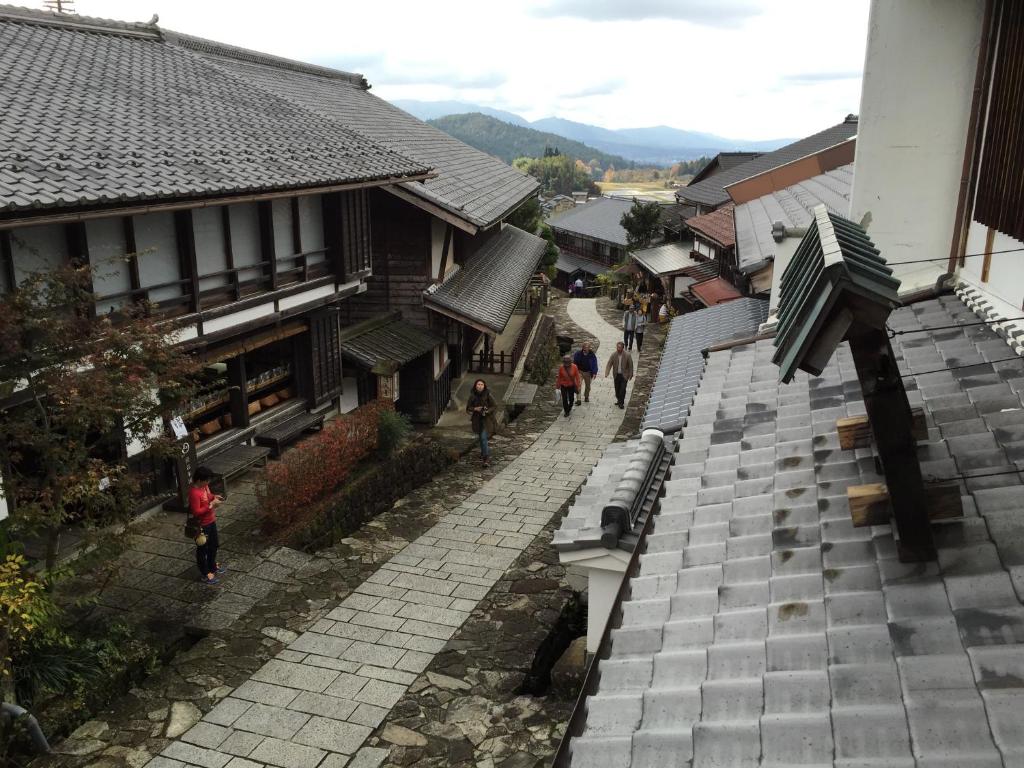
Magome-juku is one of Japan’s best-preserved historic Post Towns that run through the inland mountainous region of Honshu. In its heyday, it received pilgrims, travelers, artists, samurai, and feudal lords in search of lodging and food on the way, on foot, from Kyoto to then-Tokyo (Edo).
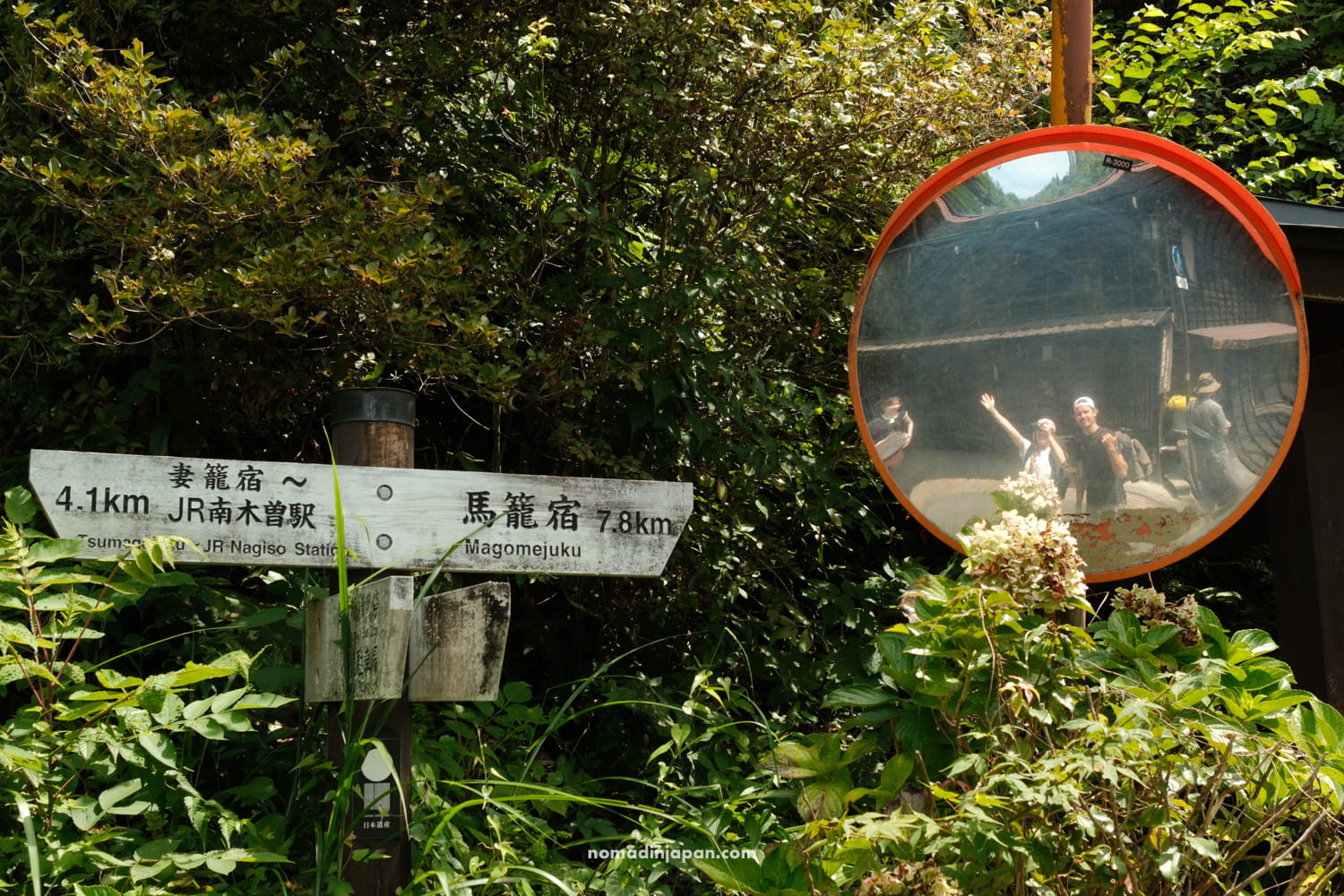
It is a popular starting point for walking the scenic and short (8km) section of the Nakasendo Trail. However, from what I’ve seen, most crowd the town in 1-2 hours; just long enough to walk its steep slope, snap a couple of pics, and be on their way.
But the real prize awaits those who decide to stay in Magome-juku for at least one night.
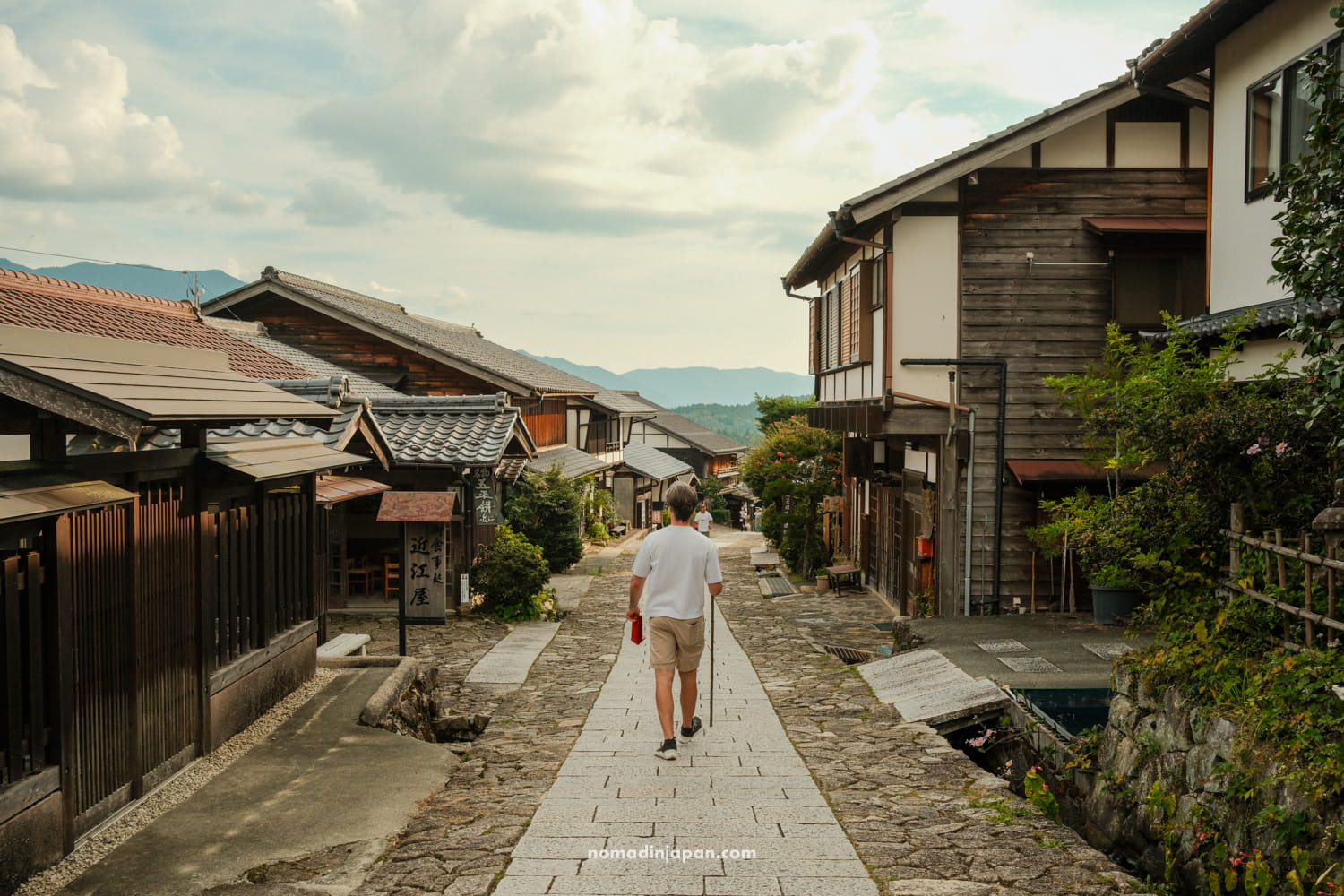
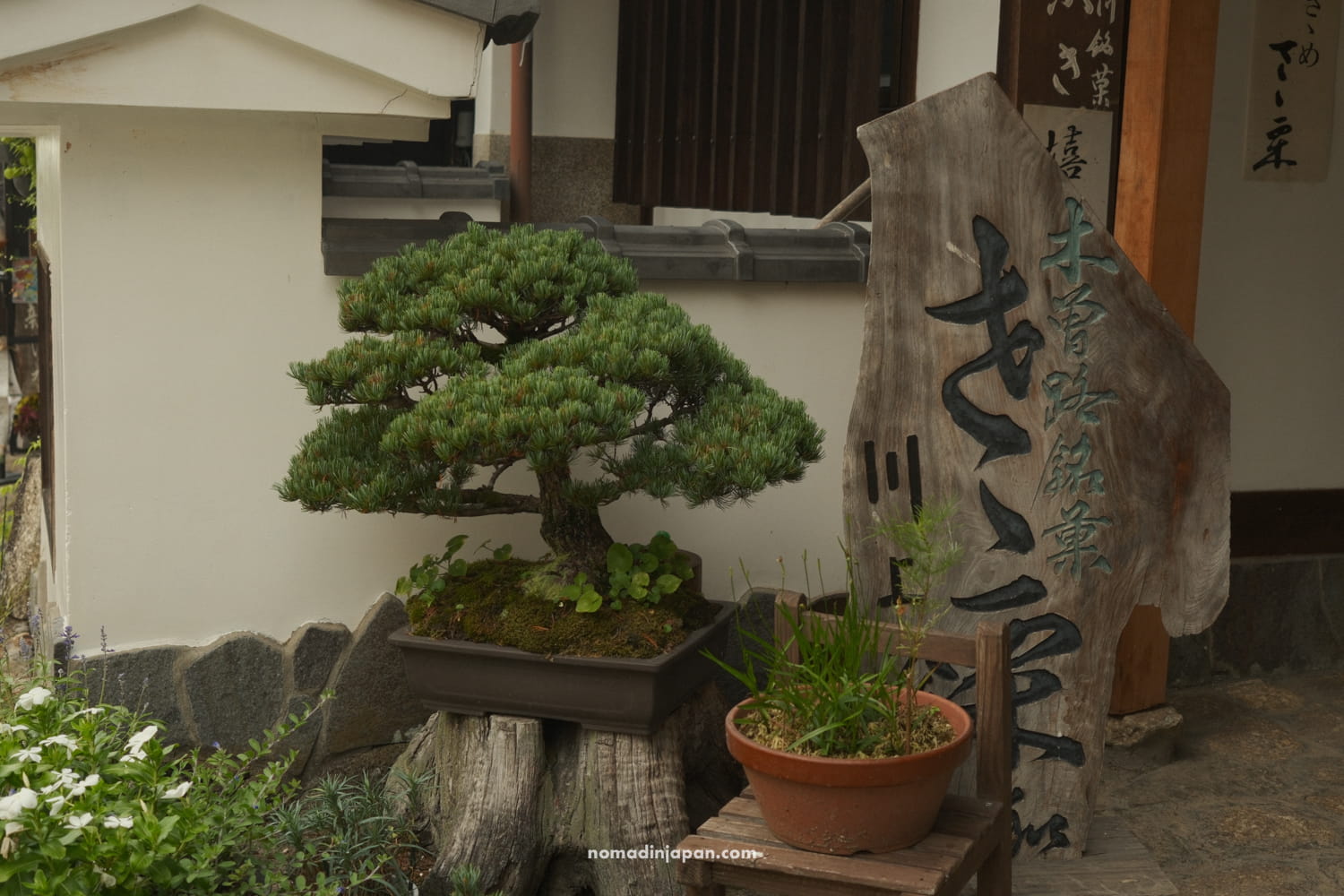
If you have flexibility in your itinerary, I highly recommend staying overnight in Magome-juku to see what the locals cherish about this place—and why they stay. After the day-trip tourists leave and shops close up as early as 3:30/4:00 pm, there is a sense of peace and calm in the mountains that really speaks to Magome’s magic, history, and tradition.
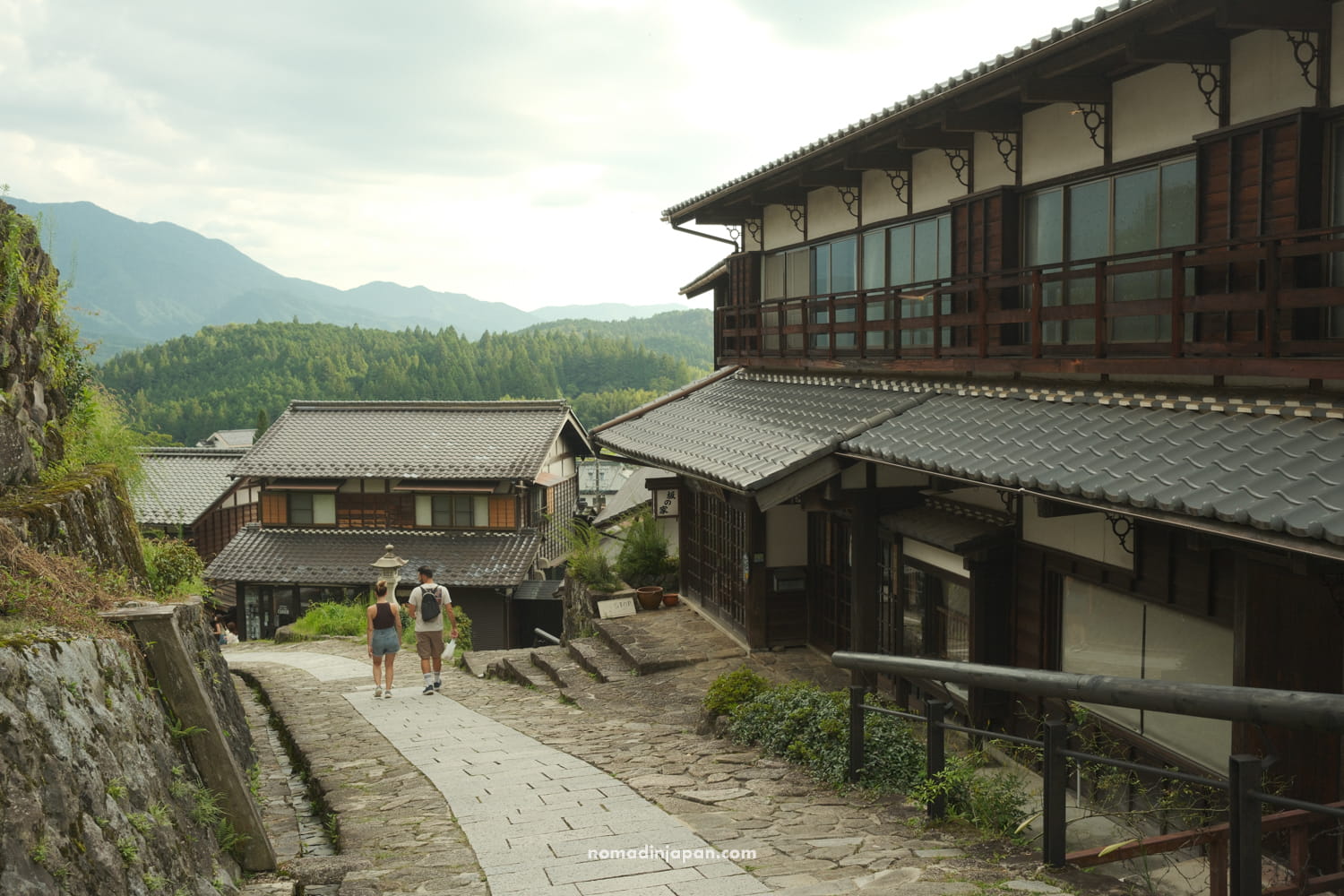
With its unique water wheel, steep slope offering unobstructed views of the mountains, and postcard-perfect Edo-era homes, it is no wonder it is becoming one of the most visited towns along the historic Nakasendo Trail, which dates back four centuries.
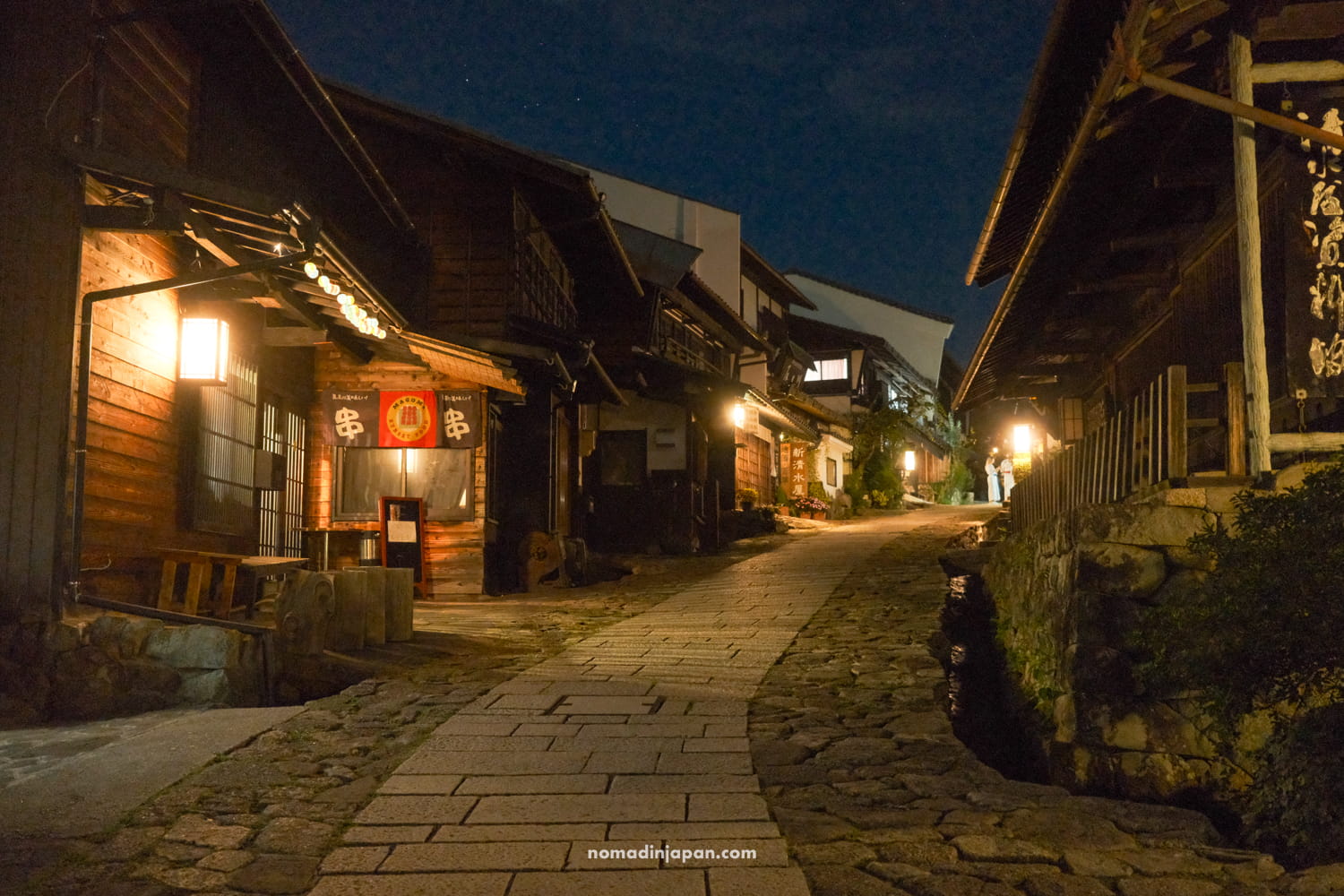
You know what I’m talking about, as you might’ve seen Magome on your social feed or heard it called the “Disneyland town” of Japan. But make no mistake: Magome-juku is not Disneyland and shouldn’t be treated as such. The village is still very much occupied by local residents, and, again, they don’t want day-tripping tourists treating their beautiful home like a Disney set.
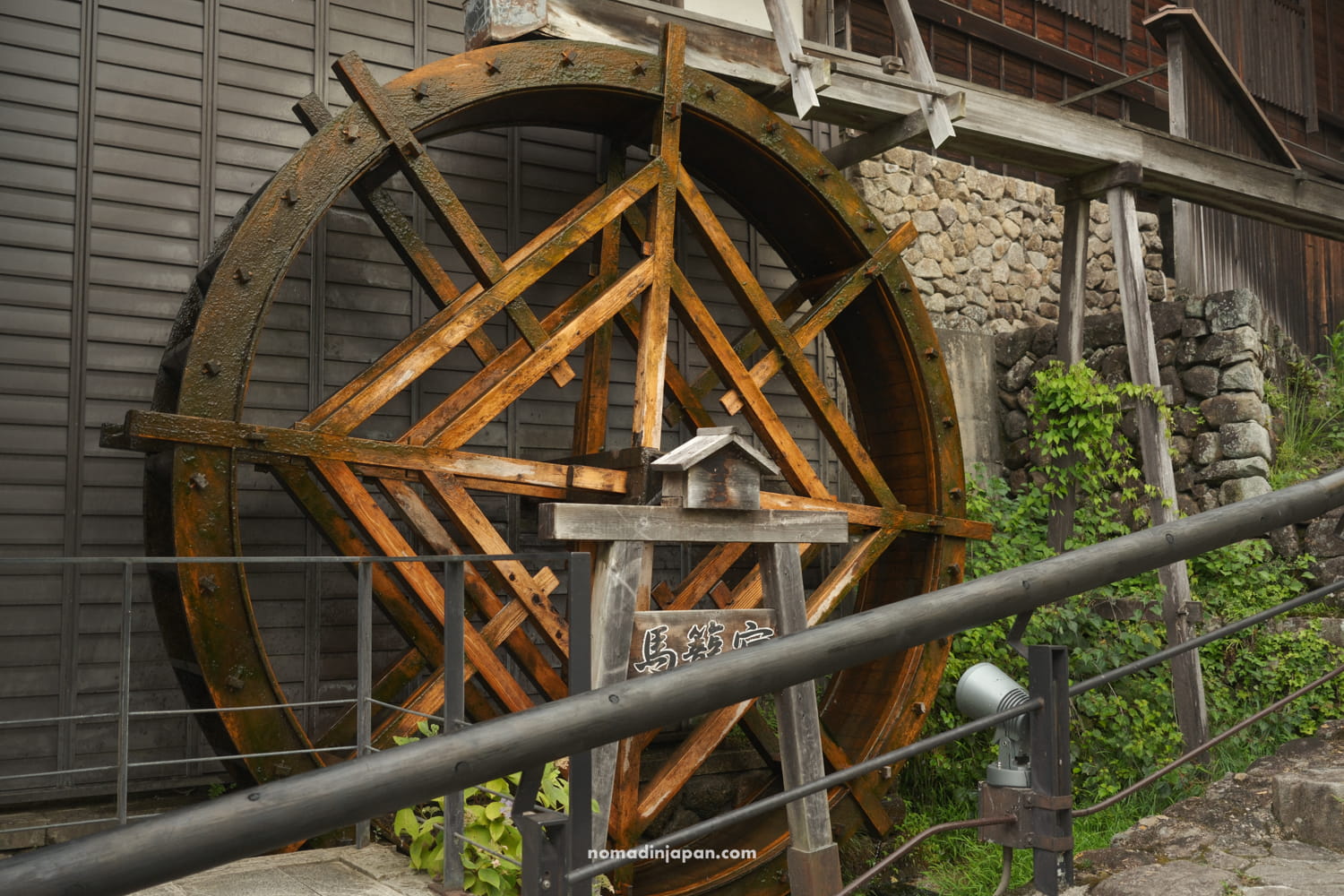
In this guide, I’m sharing not only my experience of Magome after dark but also where to stay and why it’s worth an overnight stay.
Where to Stay in Magome-juku
🏮 A note on hotel bookings along the Nakasendo, including Magome:
Many of the historic inns in Magome-juku and along the Nakasendo are not listed on Booking.com or Expedia, although some are. If any of those listed show no availability or are sold out, you can try booking directly through the website by email or phone.
Also, good to know that there are no restaurants open in the towns at night in Magome, except for one we found: this soba place (exclusively on Friday/Saturday from 5-8 pm), conveniently located right next door to where we stayed at the centrally located Magome Chaya Guesthouse.
1. Magome Chaya Guesthouse (Where We Stayed!)
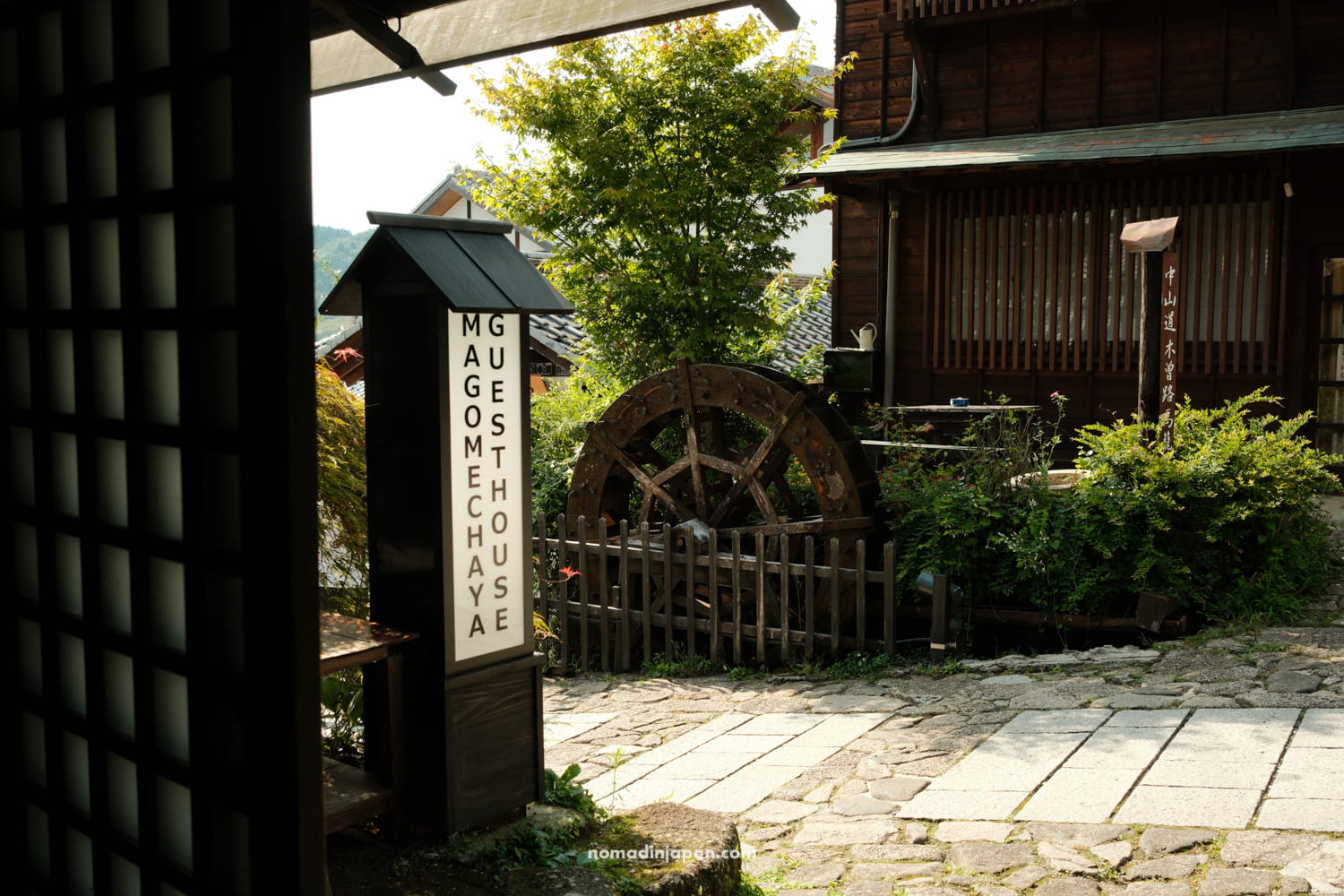
Of all the places to stay in Magome-juku, I’m so glad we chose Magome Chaya.
It’s literally smack-dab in the center of the village, so not at the top of the steep slope or at the bottom where the tourist office and buses are.
It’s ideally located in the heart of it all, so you’re high enough to get the mountain views but central enough to stay in the heart of the action—next door is a gorgeous soba noodle shop, artisanal craft stores with cypress woodworking and regional souvenirs, the post office where you can send postcards in a little red box, and there’s even a fantastic gelato place just a minute’s walk away.
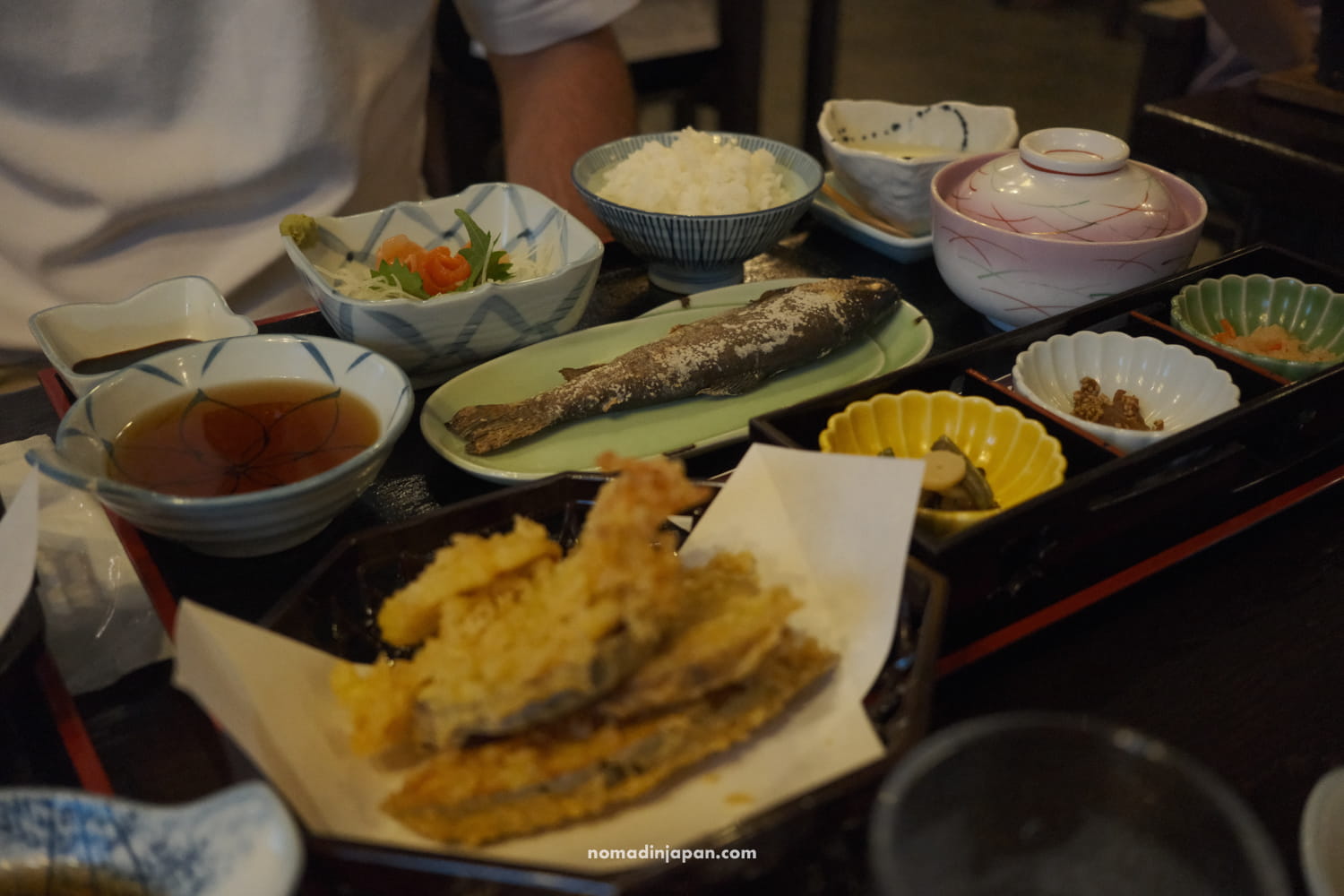
Dinner is also optional but highly recommended to add to your stay (~3,000 JPY per person), since there are no restaurants open after dark (except for one we discovered, albeit too late: the soba place next door!).
The meal takes place in the annex building on the ground floor, and features a typical Japanese-style set meal with regional ingredients. We had river trout, sukiyaki, and you could even try horse sashimi (which you can politely decline). The service was tourist-oriented, somewhat hurried, and in English, but the food and presentation were great and just what we needed to avoid going hungry that night!
We personally decided to save on accommodation in Magome by staying in a hostel room because we splurged on our stay in Narai-juku.
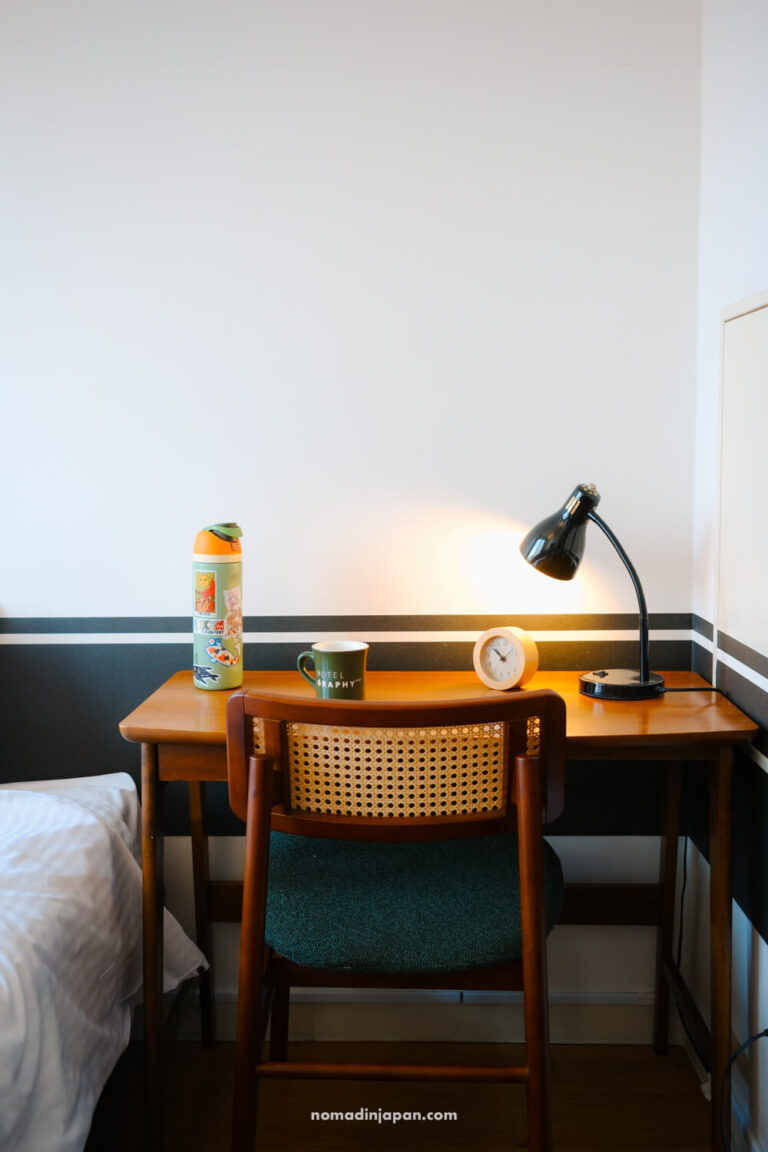
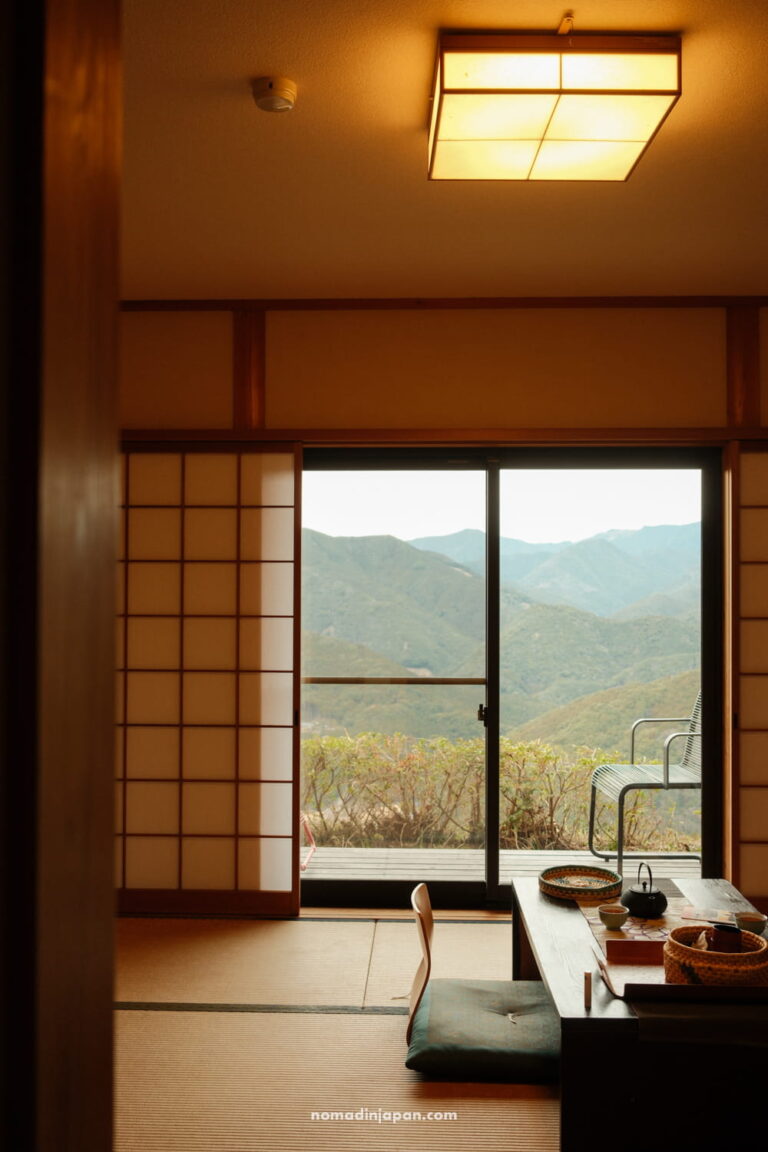
However, if you book early enough, you can grab one of Chaya’s private tatami rooms; otherwise, the dorm room was clean and quiet, and it offered great privacy for us as a couple thanks to the divider curtains that separated the bunks into little makeshift rooms. And even though you book a hostel bed, you still get your yukata for evening strolls!
📝 Traveler’s Notes:
When I was planning our overnight stay in Magome, I had to switch the dates because lodging options in the heart of town were already sold out. (You might want to do the same!)
So, instead of starting in Magome, we began our Nakasendo itinerary with a stay in Narai-juku, then started our actual walk the following day in Tsumago-juku. Doing it in the opposite direction turned out to be the best decision because there were fewer crowds and I could perfectly line up my first-choice ryokan and inns.
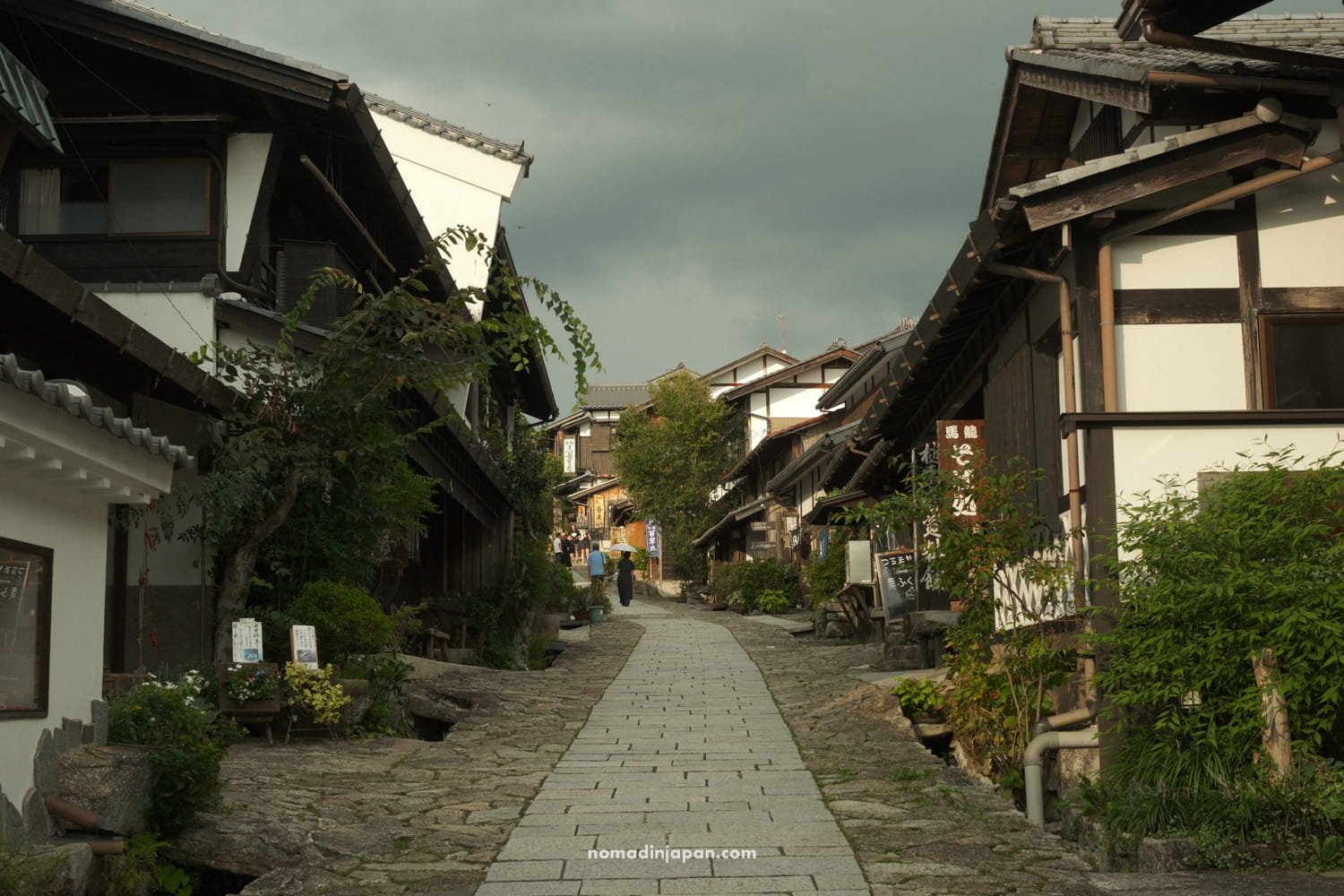
If Magome Chaya is fully booked, or you want something a bit more luxurious or a bit more suited to penny-saving, here are more places to stay in Magome-juku.
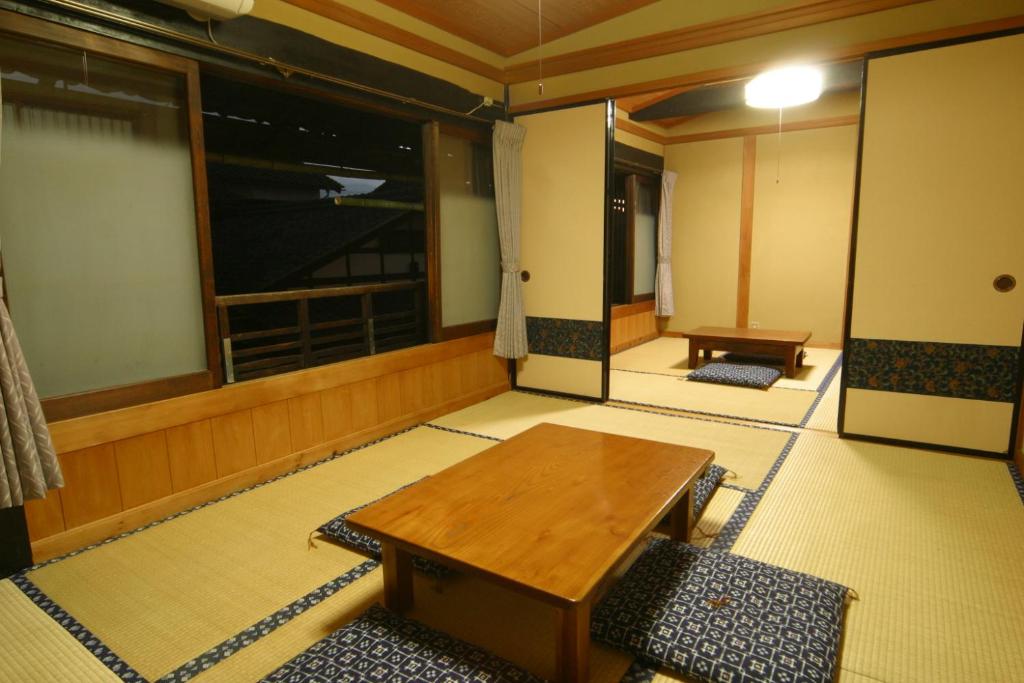
2. Tajimaya
🌟 9.5/10 ~ 873 reviews
A historic, 110-year-old Japanese inn along Magome’s sloped street, with traditional tatami rooms, a bath, and delicious Japanese meals. Best for Nakasendo hikers wanting a welcoming inn experience in the heart of the old post town!
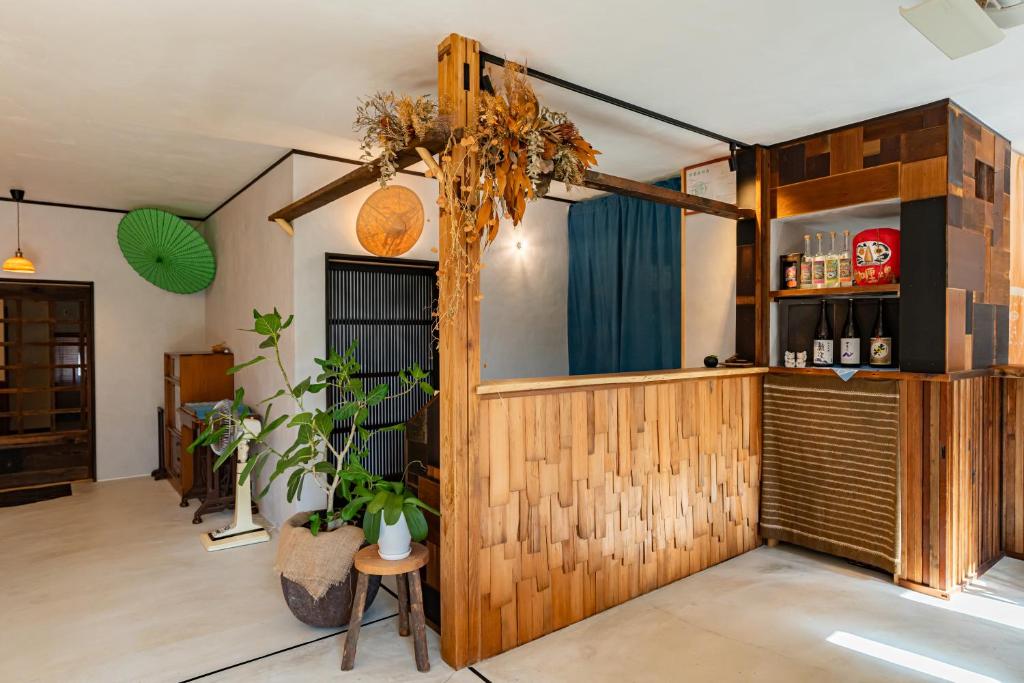
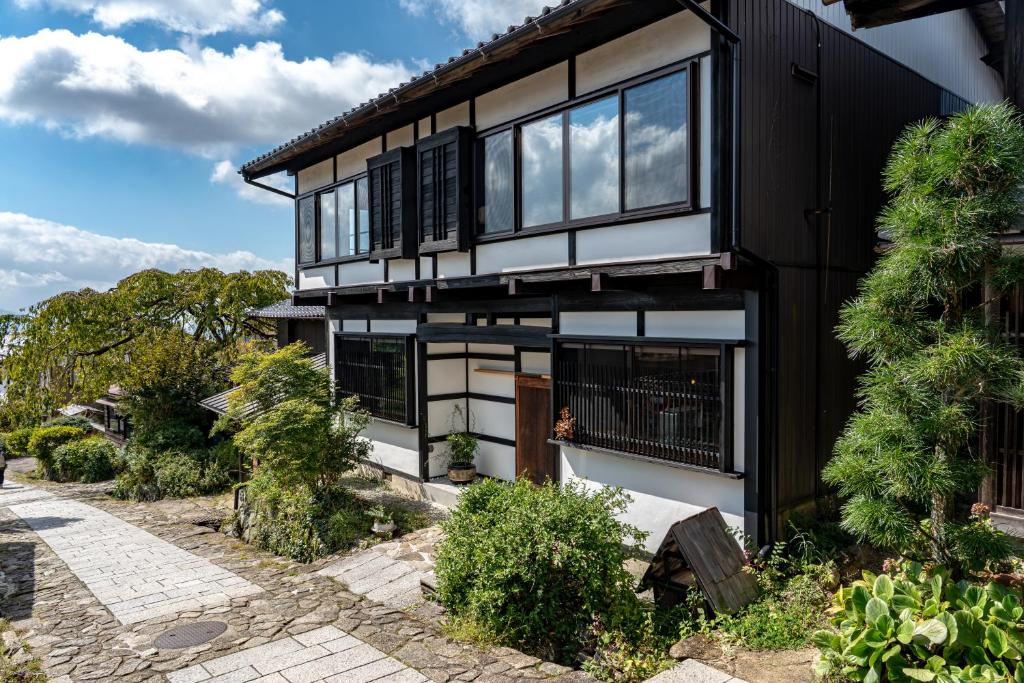
3. Sakanomichi
🌟 9.9/10 ~ 381+ reviews
さかのみち is known for its sweet hosts Ken and Yuki, delicious homemade meals (including vegetarian options!), and a cozy inn reminiscent of the Edo period but with modern touches. Ideal for couples or Nakasendo hikers wanting somewhere cute and central.
4. Furusato Gakkou
🌟 9.4/10 ~ 946+ reviews
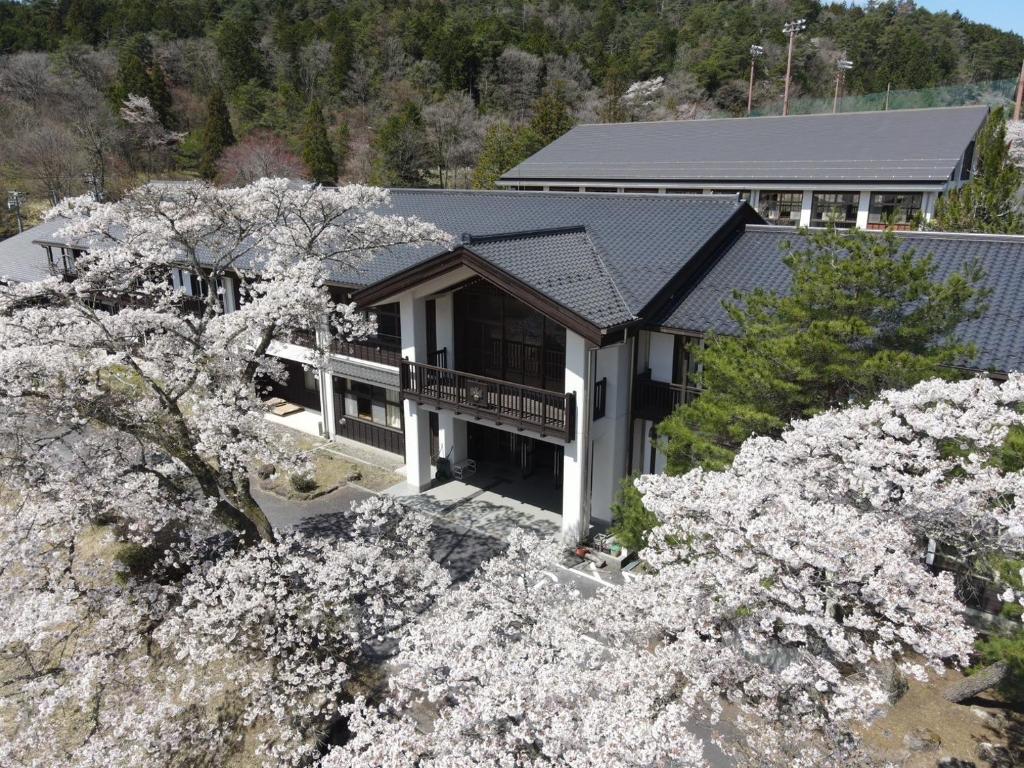
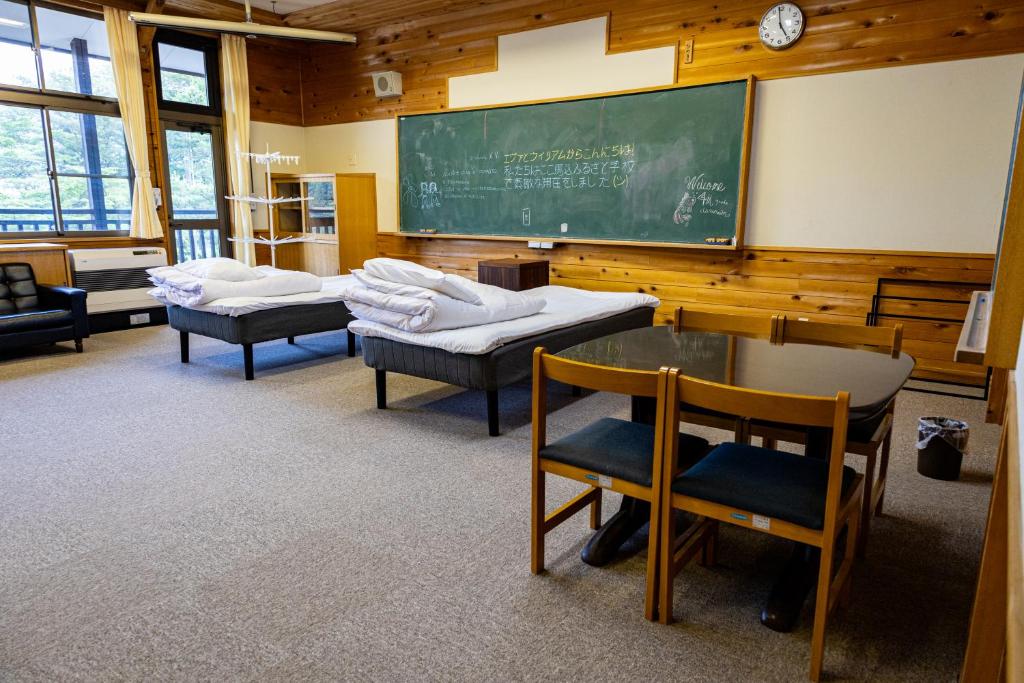
A unique guesthouse housed in a former Japanese school, with mountain views, cozy communal spaces, and a shared kitchen. Better suited for solo travelers, budget-conscious hikers, or families.
If you are flexible with your itinerary and budget, staying overnight in Magome-juku makes the entire Nakasendo Trail 100% more memorable. Instead of breezing in and out on a day trip (though that has its perks, too), slowing down your journey with even just one night really pulls in the experience.
A final note 📝
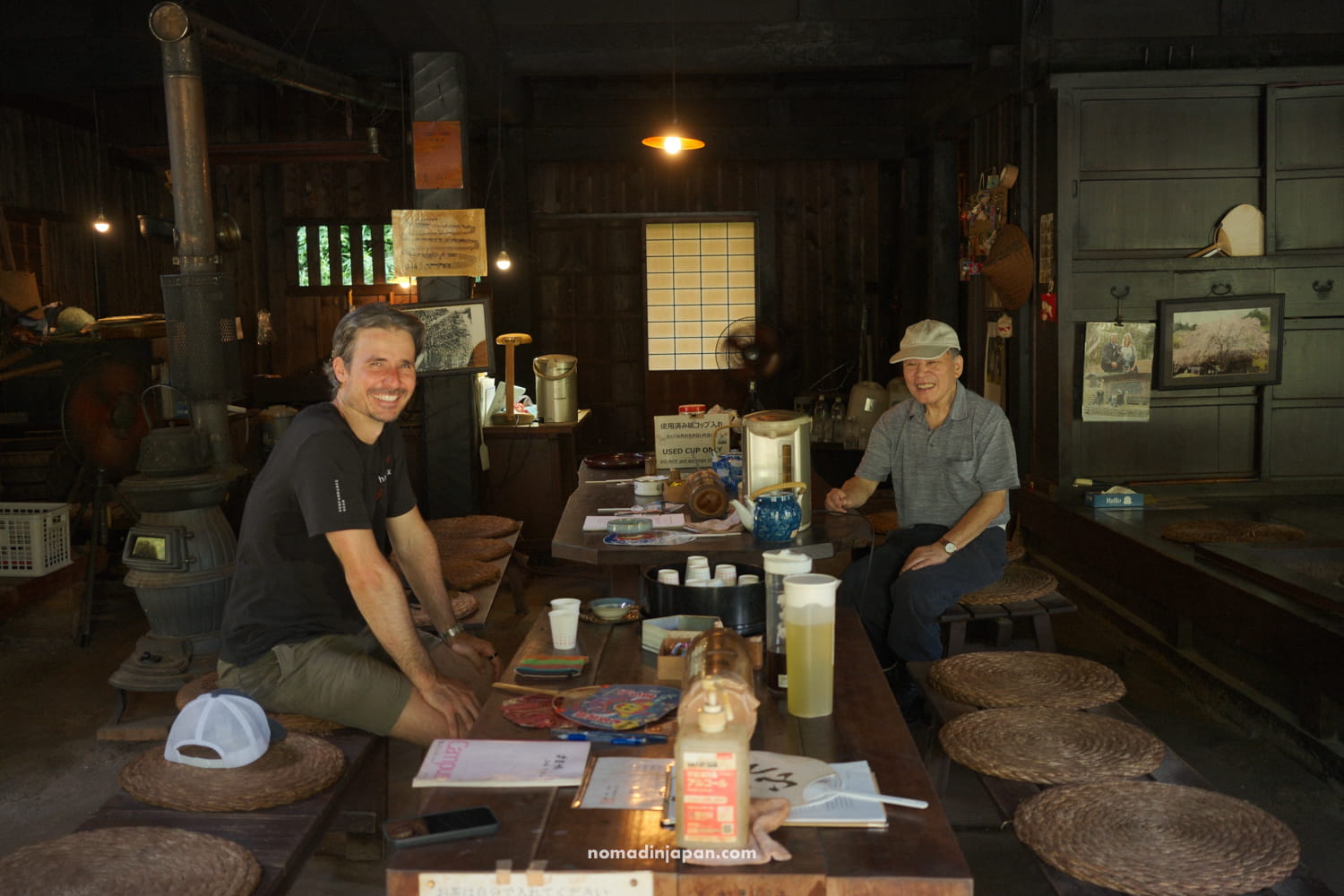
Magome-juku isn’t just about its photo-worthy street! Make sure to step inside the artisan’s shops, ask about their stories, and get to know the area beyond the main street.
To get a deeper experience of Magome than the tourist-strewn day trips offer, it’s worth spending a night or two before continuing on to Tsumago or Nakatsugawa.