Kintsugi & Wabi-Sabi Explained: Meaning and the Best Workshops to Try in Japan
Have you ever seen broken ceramics inlaid with gold? If so, you’ve seen a piece of popular Japanese art called kintsugi.
Similarly, you might have heard of the Japanese philosophy of wabi-sabi—finding beauty in imperfection—and found it to be a good sentiment or philosophy to live by.

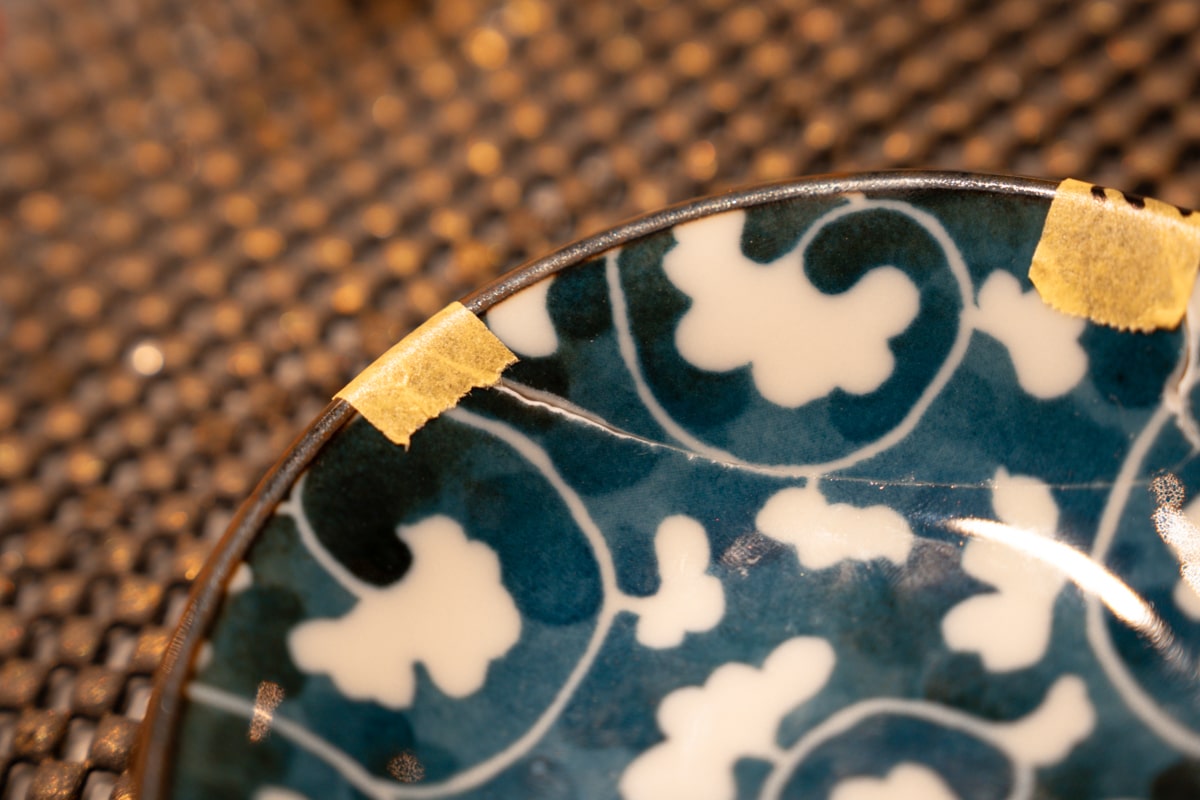
Many tourists in Japan will often hear about these two terms, but few take the opportunity to try a workshop to learn more and get hands-on with the art itself.
What I love most about Japanese artwork and philosophy at large is the meaning infused into everyday living.
What if we really adopted this artwork and philosophy into our daily rituals?
Would we throw out less used clothes, opting first to repair them? Would we embrace our inner and outer imperfections to express a more authentic self?
During my months in Japan, I was able to learn more about these two practices which are deeply integrated into Japanese belief and culture.

Here’s what to know about kintsugi and wabi-sabi, and how to experience it yourself while in Japan.
What Are Kintsugi and Wabi-Sabi?
Kintsugi (金継ぎ) [kin-tsugi], literally means gold and joinery or “to join.” It is the art and practice of repairing broken pottery or ceramics with gold or golden lacquer (kin, 金).
Wabi-sabi (侘び寂び), is a Japanese aesthetic philosophy underlying kintsugi, which symbolizes finding beauty in imperfection.
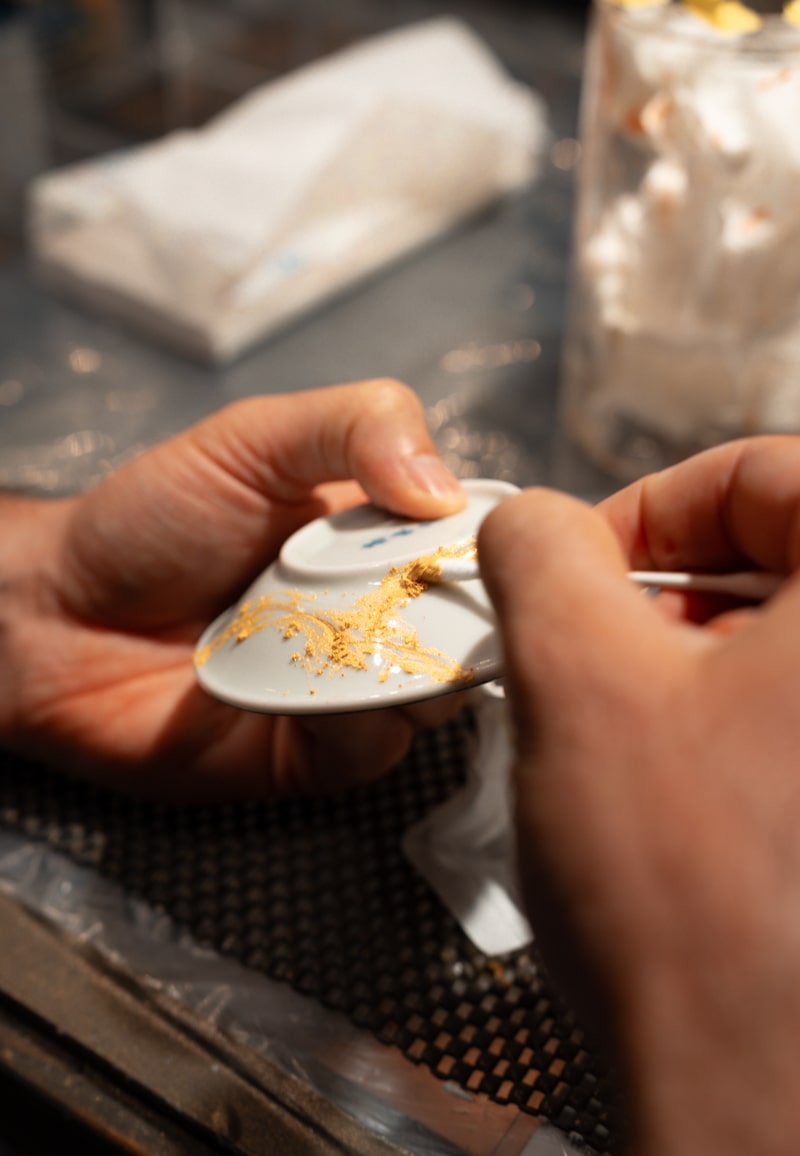 Filling in the gold lacquer
 Gold, resin, and pottery
From our kintsugi workshop class in Tokyo, I learned that kintsugi isn’t just an art form to repair pottery instead of discard it; it’s symbolism, which is embedded in wabi-sabi’s messaging.
So, whereas kintsugi is the art practice of joining or repairing broken ceramics with golden lacquer, wabi-sabi is the underlying philosophy of finding beauty in imperfection (and even making it more beautiful than before, with kintsugi techniques).
They’re partners, that way! Think of it as kintsugi as the practice, and wabi-sabi the philosophy.
Combined, it’s a stark contract to how “the Western world” perceives—and values—beauty and innate value in and of itself.
I really resonate with how the Japanese approach this, among many other deeply cultural beliefs they hold, as someone who values mindfulness, spirituality, and personal growth.
How to Experience Kintsugi in Japan

Take a Kintsugi Workshop
Depending on where you visit in Japan, there’s a chance there will artisans and ceramists who offer a hands-on kintsugi workshop experience, usually in their own studios or in centuries-old townhouses.
While living in Tokyo, we signed up for a small-group kintsugi workshop at a famous ceramist’s studio in Omotesando.
My partner and I thoroughly enjoyed this experience!
Not only did we end up having a private class (as we booked mid-week), we also got to take home our dishes for free. I gifted mine to my mom, and she loved it!
During this workshop, we learned that the broken edges, fissures, and flaws should actually be enlarged and made more dramatic—this way, the golden lacquer (once sprinkled) can fill in the grooves and make the original piece even more beautiful.
 Sticking the gold to the glue
 Wabi-sabi
 Finished!
Our instructor really emphasized and encouraged us to make even more “flaws” because this is what makes it more original and striking to the eye. Contrast!
You can book this same tour in Tokyo, but if it’s full or you’re already out of the city, Osaka also has its own traditional kintsugi workshop in Namba.
Then, if you’re heading to Kyoto, there is a really unique kintsugi jewelry workshop where you can repair your own one-of-a-kind piece of jewelry with natural gems and stones. 💎
Visit Art/Ceramic Museums
If you don’t have the time or budget for a kintsugi workshop, an alternative idea would be to simply immerse in an art gallery or museum.
A few that come to mind in Tokyo are:
| Museum | Details |
|---|---|
| Tokyo National Museum (Ueno Park) | Japanese art and antiquities with ceramics, tea utensils, lacquerware, etc. |
| Toguri Museum of Art (Shibuya) | Small museum specializing in ceramics. |
| Japanese Folk Crafts Museum (Meguro) | Folk crafts (mingei), including pottery, lacquerware, wood, textile crafts, etc. |
Bring Home a Piece of Kintsugi
From take-home kintsugi kits to artisan shops, there’s opportunity for you to try bring back a piece of kintsugi and place it in your home as a reminder of its symbolism.
For kintsugi shopping, you’ll find the best deals and prices in the “retro” neighborhoods of large cities like Tokyo (Yanaka comes to mind).

Browse local flea markets and antique/vintage markets, often hosted each week.
I found lots of kintsugi and pottery at Tokyo’s largest and oldest markets—the Oedo Antique Market, located on the Tokyo International Forum.
Learn From Everyday Wabi-Sabi
Pottery aside, you can also steep in the philosophy of wabi-sabi throughout your Japan trip.
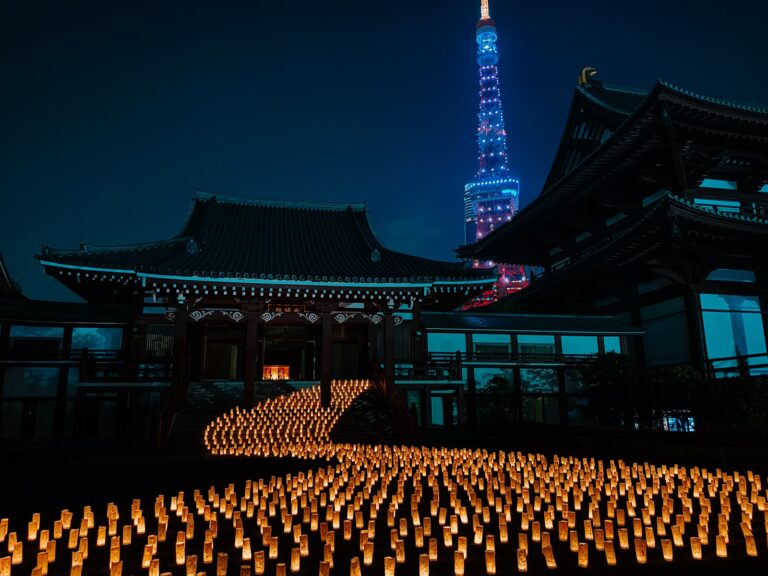
Shinto shrines, Buddhist temples, tea houses, and zen gardens are all deeply spiritual and cultural places to visit that highlight and emoby wabi-sabi beyond pottery.

Final Takeaways & Tips for Kintsugi
Kintsugi workshops are a great way to learn more and get a personal connection to this Japanese art.
Wabi-sabi, on the other hand, can be cultivated through slowing down and embracing healing and imperfection. You can practice wabi-sabi beyond kintsugi!
Japan is as much about experiencing cultural nuance and philosophy as it is touring its attractions and castles.
If you want to get a richer, deeper experience of Japan, start by delving deeper into its art and culture… there’s so much to learn there!
Have you ever heard or practiced kintsugi and wabi-sabi before? I hope you’ll be able to enjoy and experience this in Japan!