I’ve Hiked Both the Nakasendo and Kumano Kodo: Here’s How They Compare
There are two hikes, of sorts, quickly gaining popularity in Japan: the Nakasendo and the Kumano Kodo.
However, mistakenly, they are often lumped together as comparative hikes or walks. But they shouldn’t be, as they offer two completely different experiences with historic roots in opposite origins.
In short, the Nakasendo is a 400-year-old inland mountainous route, one of five major “highways” in Japan connecting Kyoto to Tokyo (then Edo), which everyday travelers would traverse on foot.
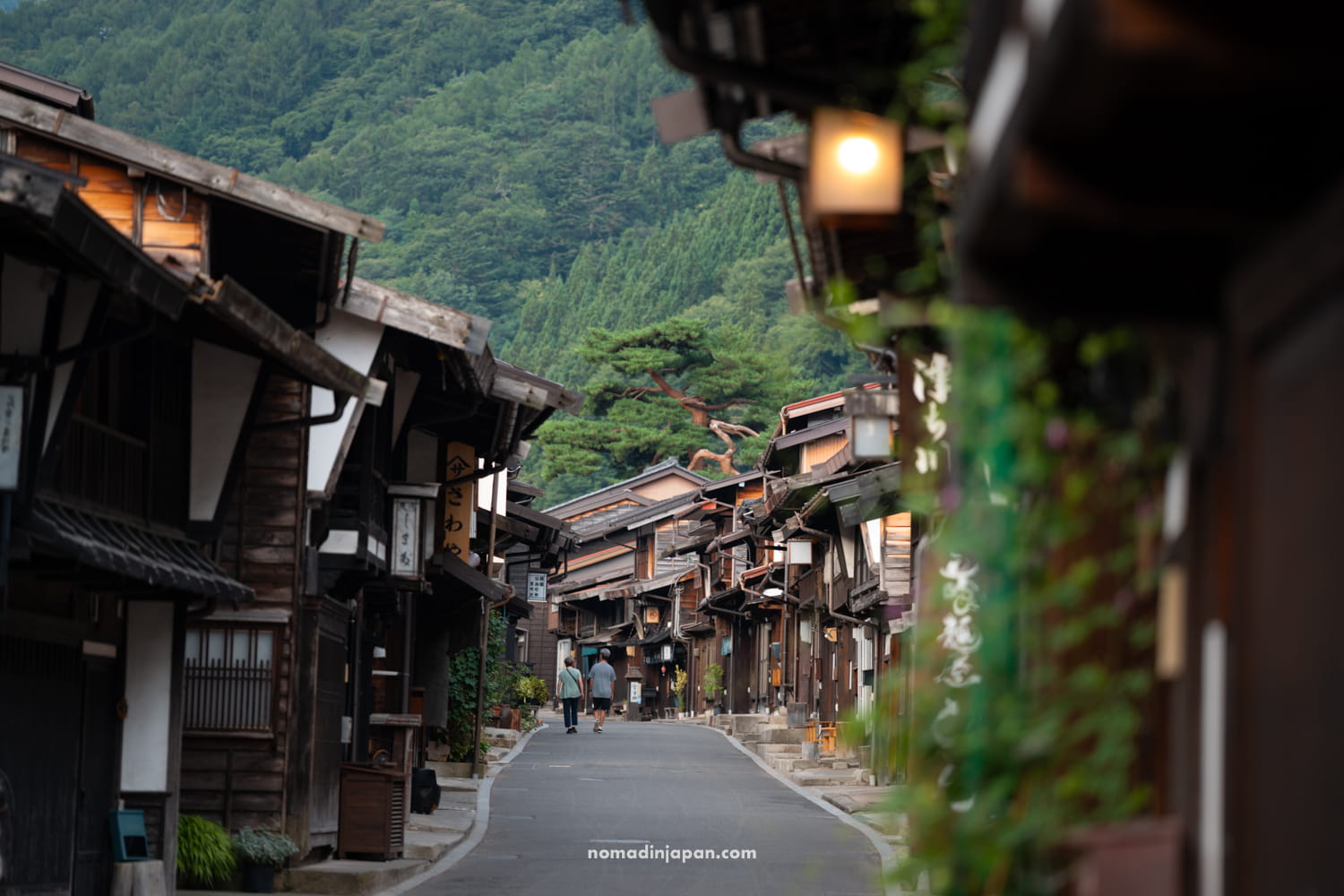

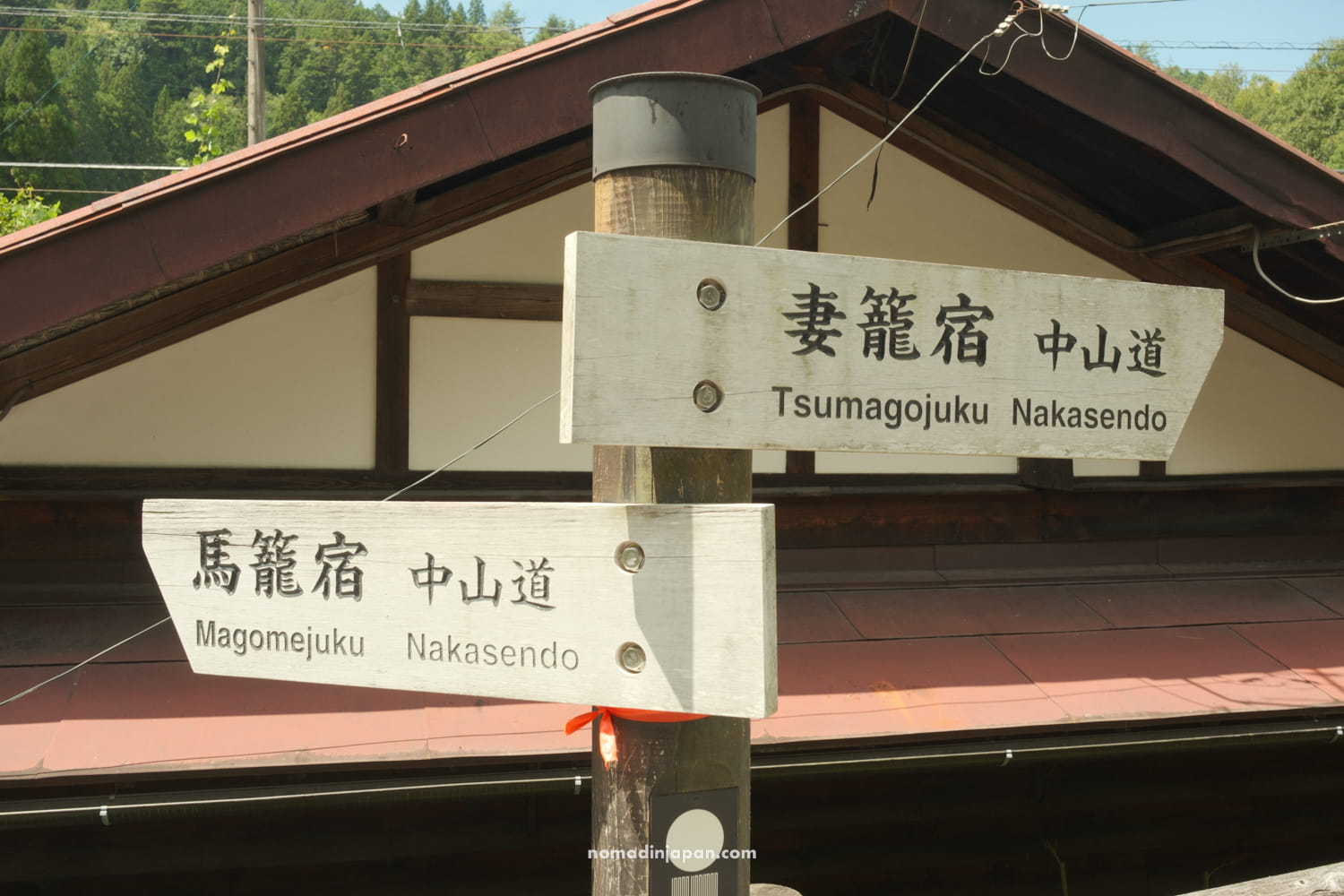
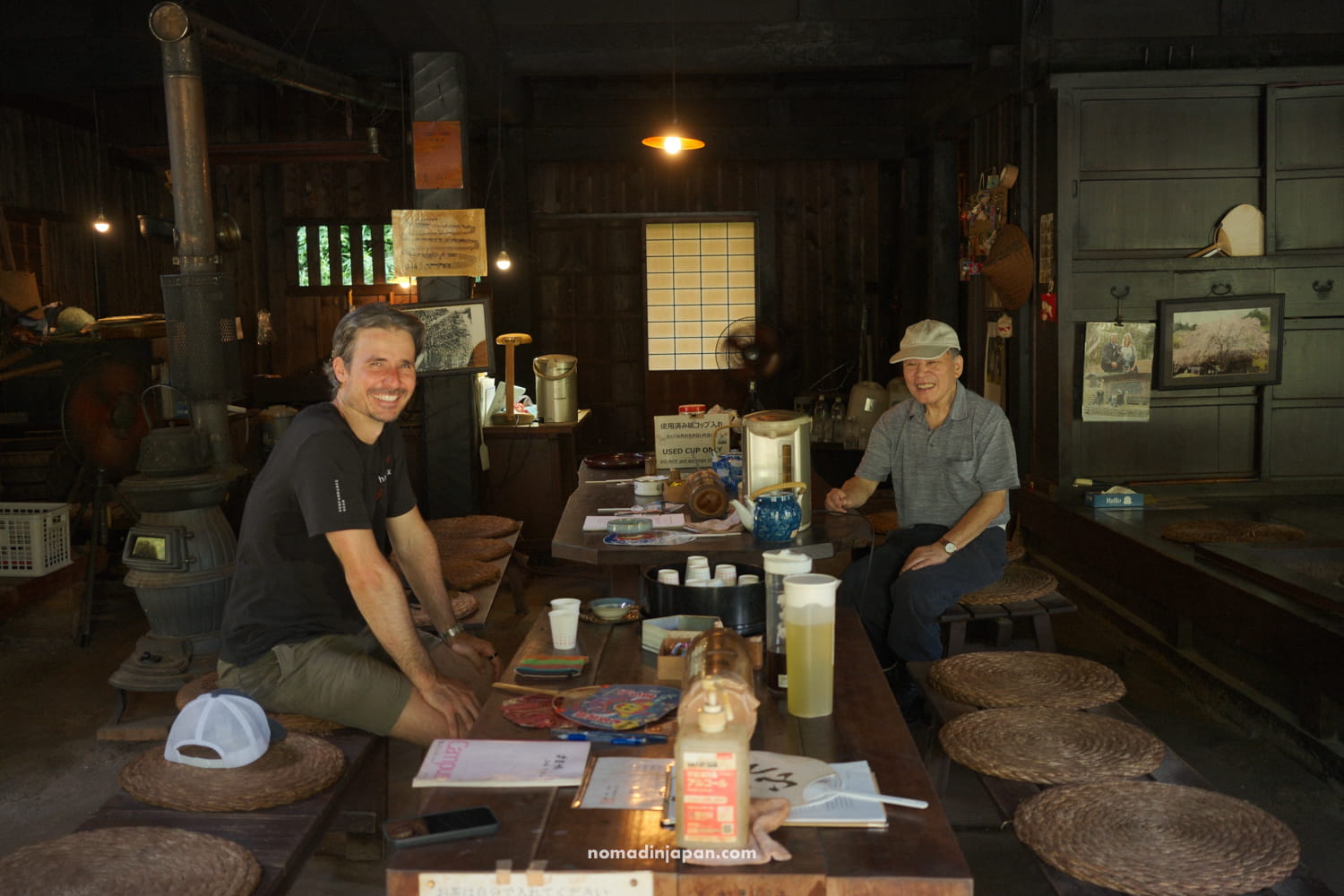
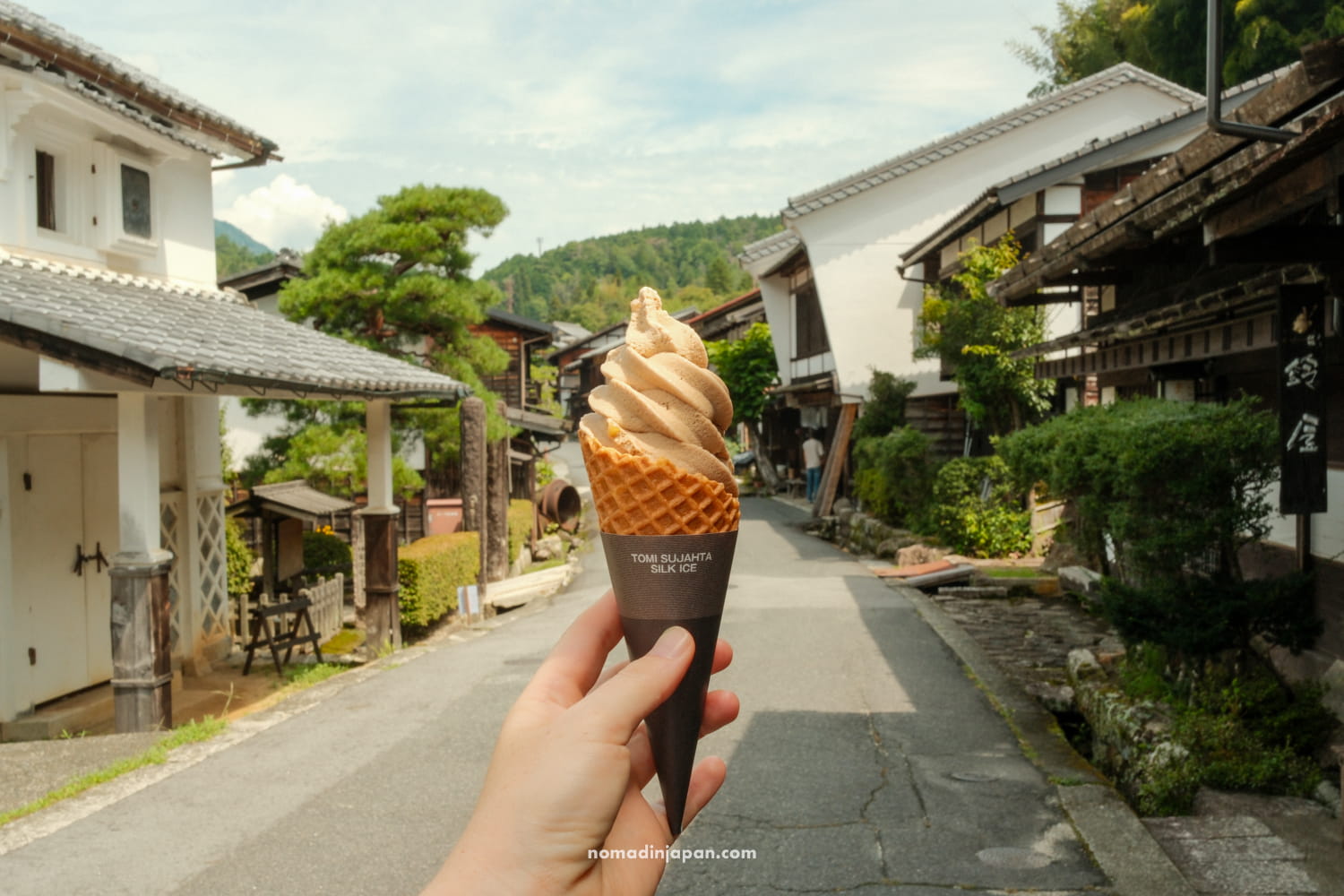
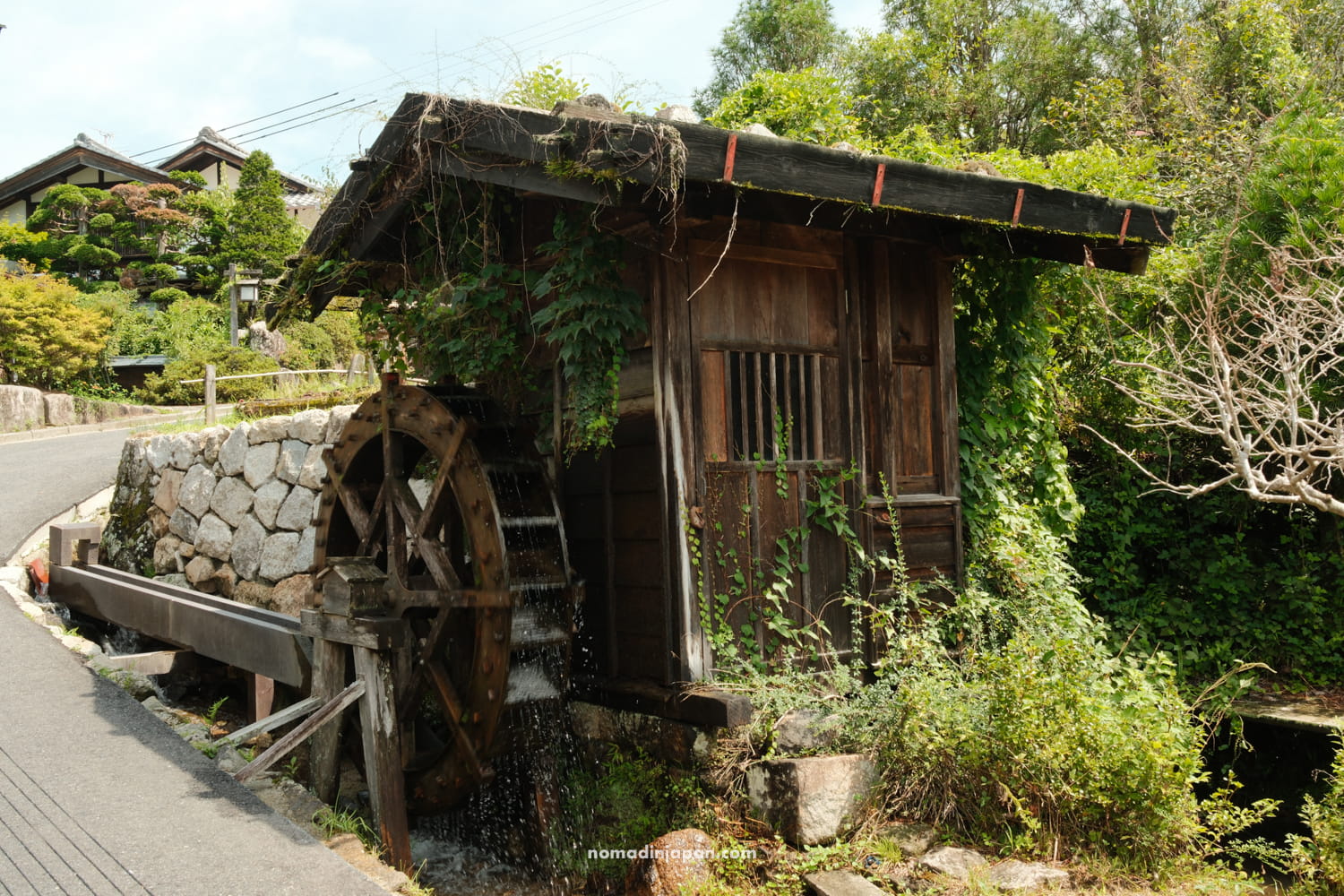
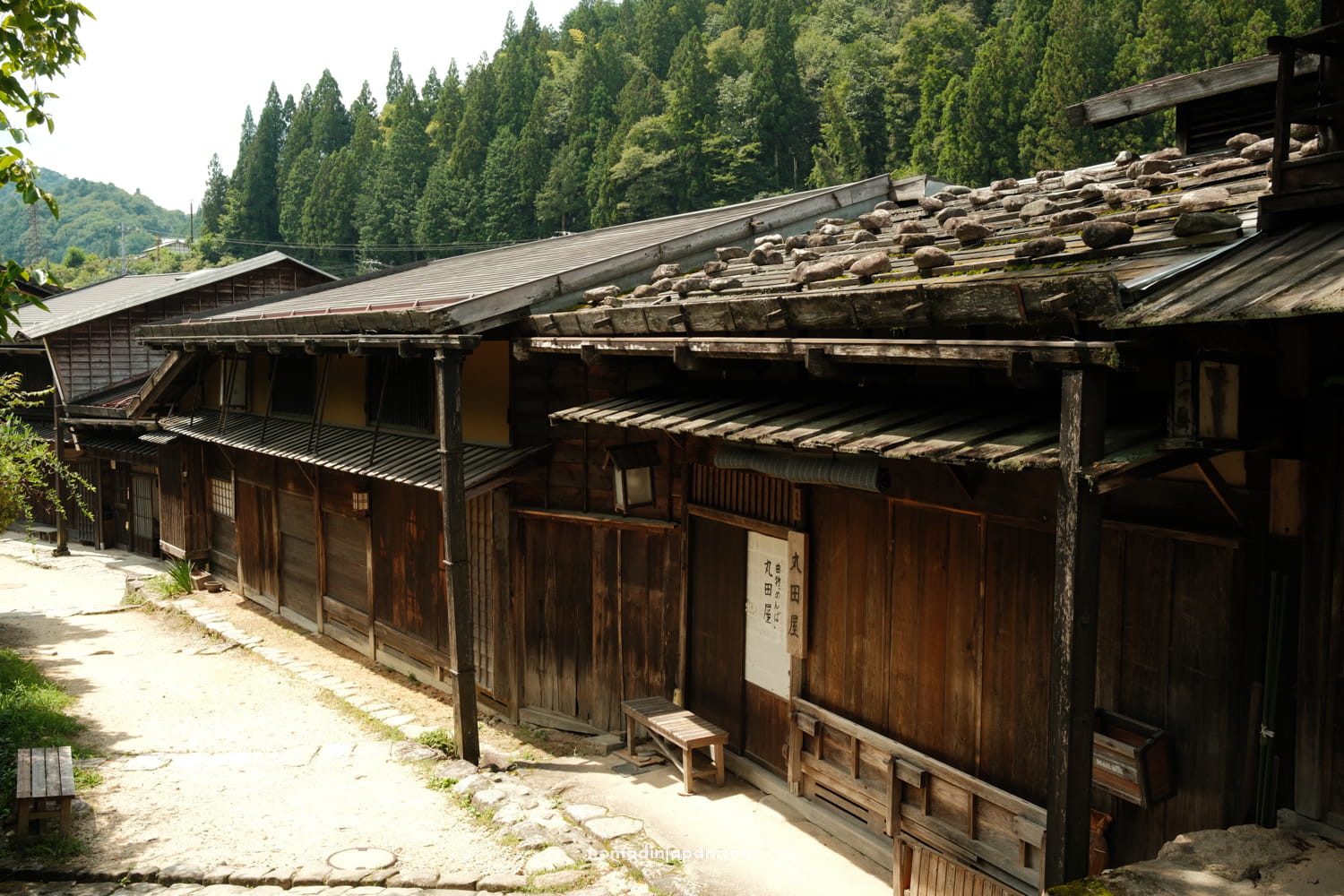
It is best known for its extremely well-preserved Edo-period post towns (originally 69; now about a dozen remain) in the Kiso Valley, which crosses central Japan’s Gifu and Nagano Prefectures.
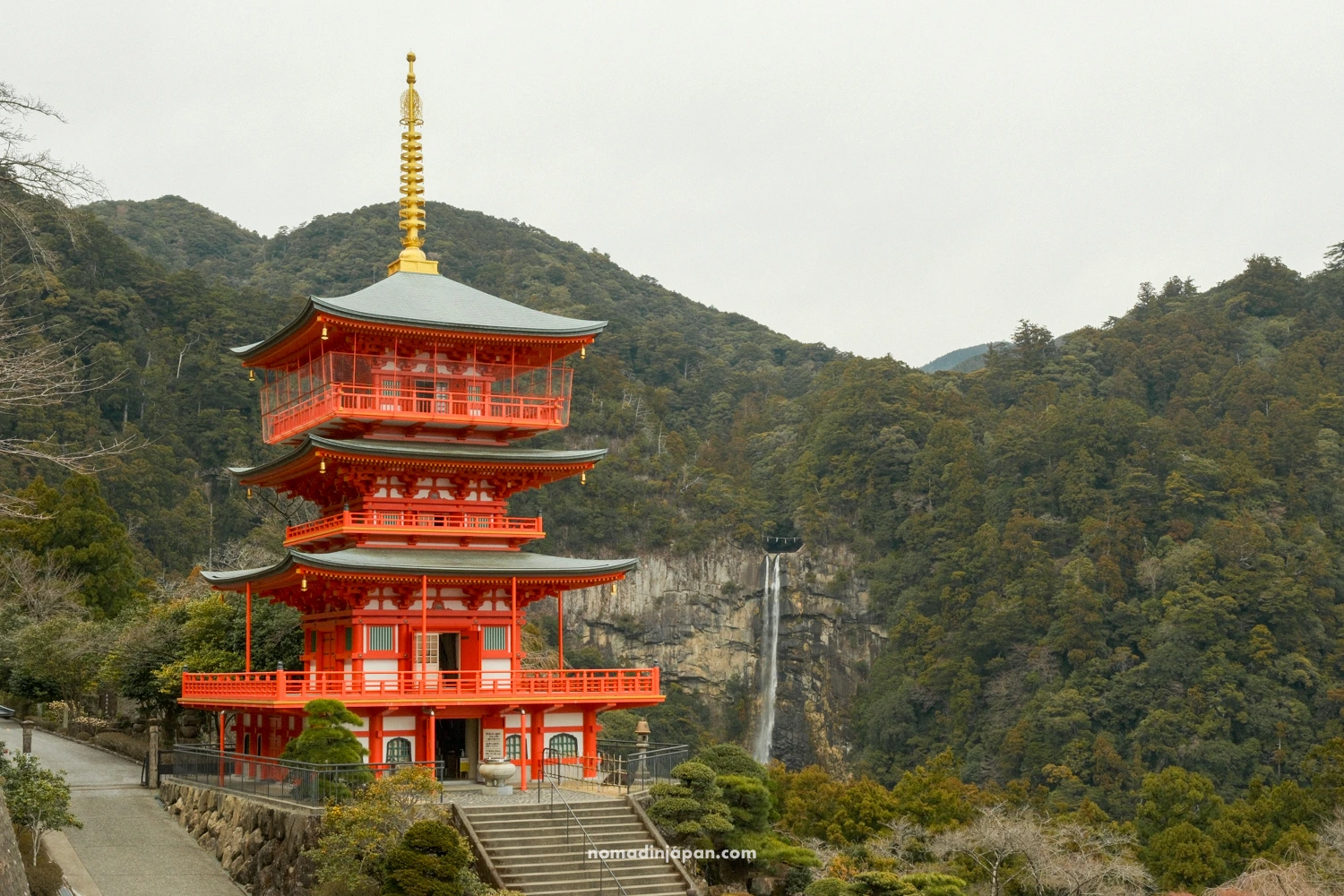
In contrast, the Kumano Kodo comprises an ancient network (1,000 years old) of sacred pilgrimage trails that traverse the Kii Peninsula (Wakayama Prefecture, south of Nara and Osaka). Pilgrims, feudal lords, and those of the Kumano faith would set out on these trails as a rite of passage to reach the three Grand Shrines of the Kumano. The trek was arduous and difficult, and deeply spiritual.
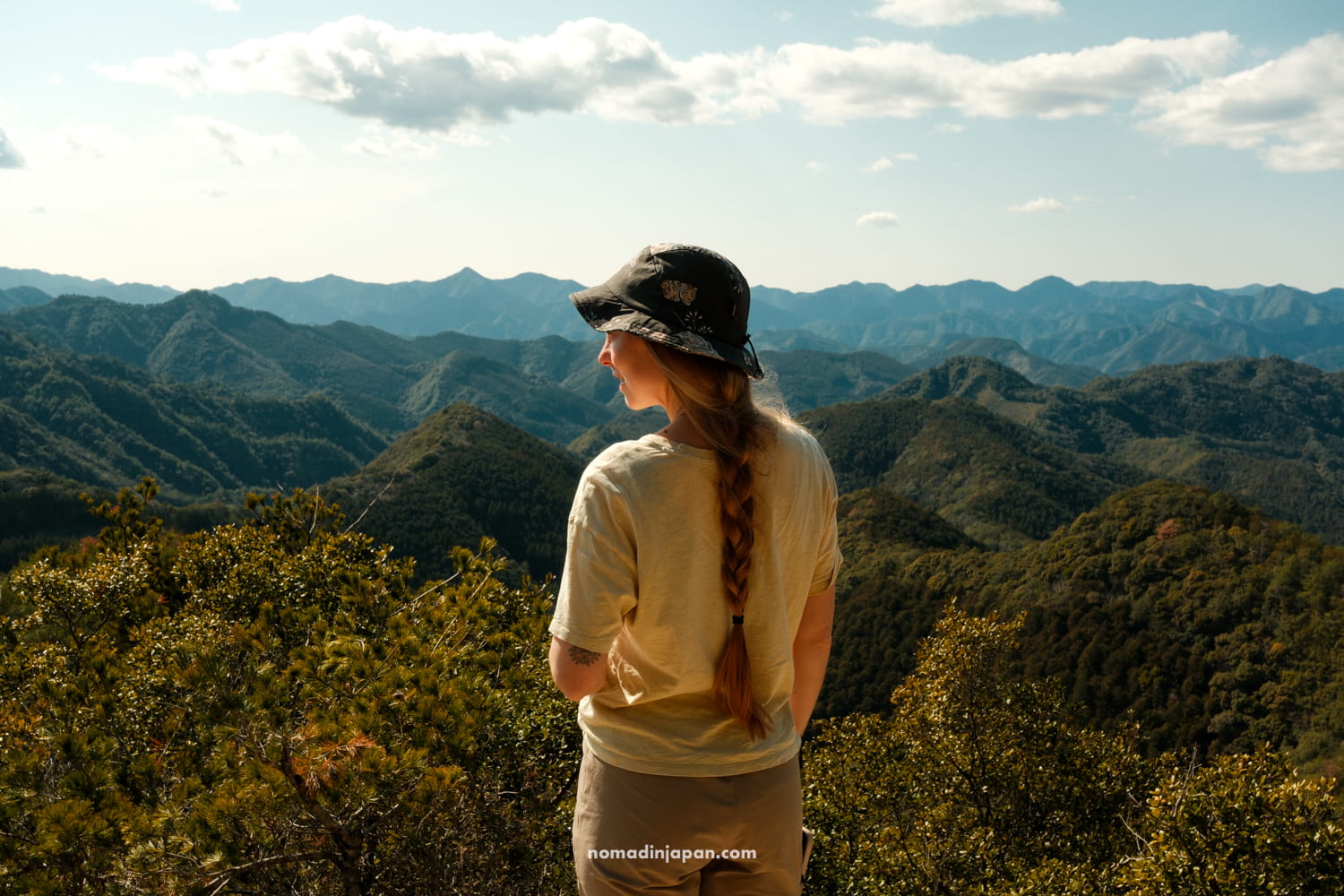
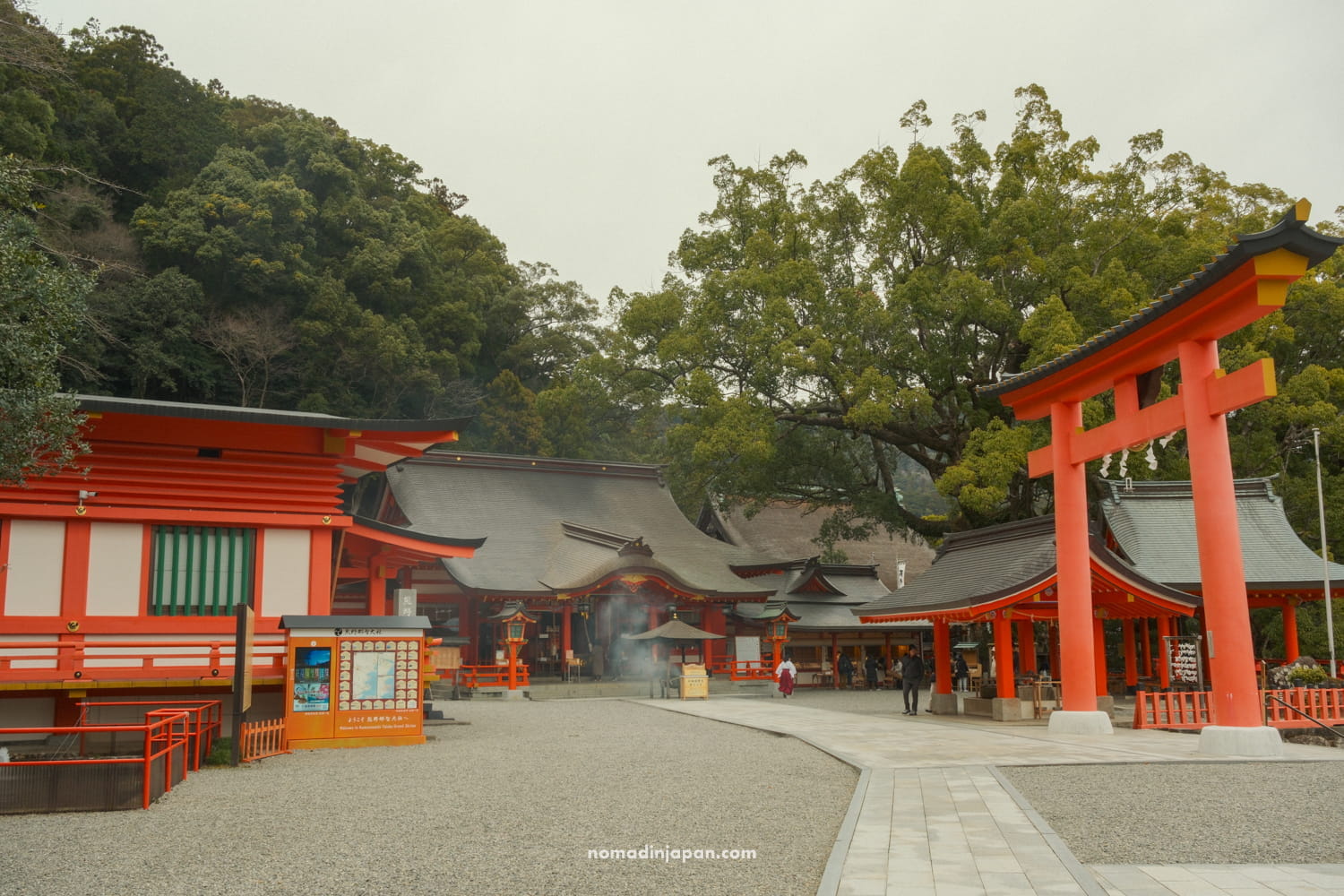


Having done both this year—specifically, a short section of the Nakasendo and the full 5 days of the Nakahechi Route of the Kumano Kodo—I will share a comprehensive breakdown of the key differences between the two in this article, so you can know which experience is best for you and to plan it into your larger Japan itinerary.
The Differences Between the Nakasendo & Kumano Kodo
Here’s a quick glance at how they compare:
| FEATURE | NAKASENDO | KUMANO KODO |
|---|---|---|
| Historical origin | Edo-period highway | Sacred pilgrimage routes |
| Region | Nagano, Gifu | Kii Peninsula, Wakayama |
| Famous Route | Magome–Tsumago | Nakahechi |
| Typical length | 2–3 hours | Half-day to full-day hikes |
| Multi-day options | Yes | Yes |
| Difficulty | Easy–moderate on popular sections | Moderate–very challenging on many sections |
| Scenery | Post towns, mountains, forests | Cedar forests, mountains, Shinto shrines, Buddhist temples |
| Accommodation | Traditional inns and minshuku | Minshuku, guesthouses, ryokan, lodges |
| Best for | Culture, history, casual hiking | Nature, spirituality, longer treks |
The Nakasendo Experience: Walking Through Post Towns of Edo-Period Japan
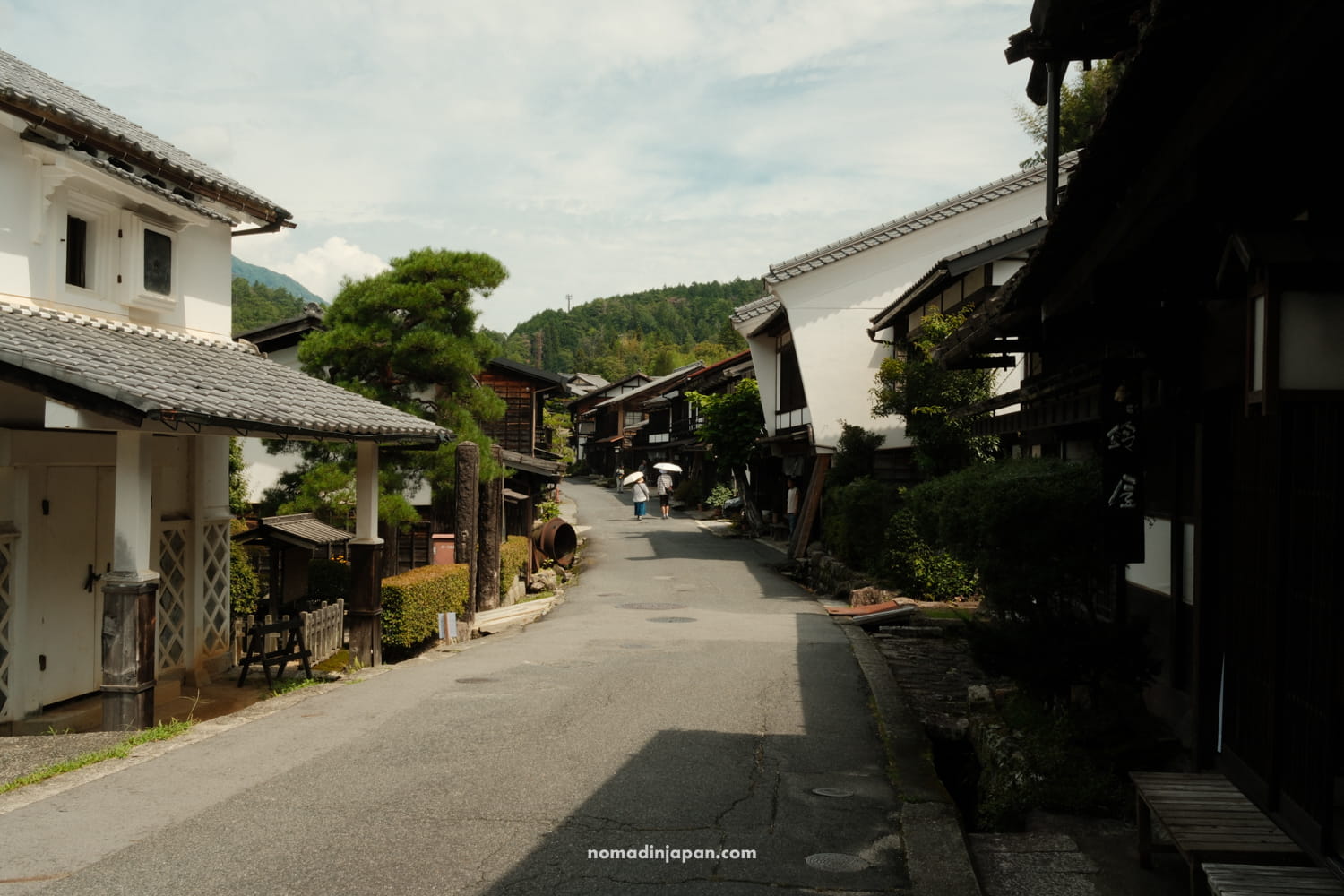
The Nakasendo is one of five “gokkaido,” meaning “major highways” in Japan, that connected Kyoto and Edo (now Tokyo).
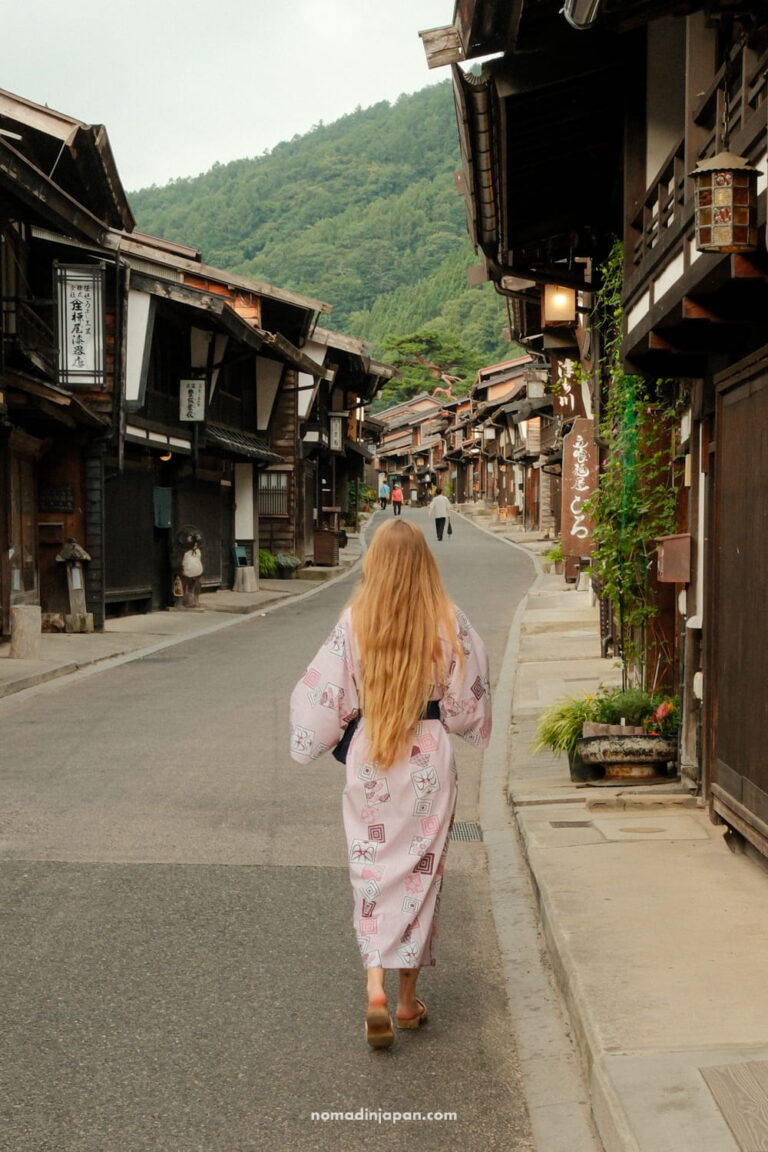
Along this highway were established post towns, marked by the word juku, such as Narai-juku, Magome-juku, Tsumago-juku, etc. 📮
The highlight of walking a section of the Nakasendo Way—also nicknamed the “Samurai Trail” because of the feudal lords, samurai, and everyday folk who used this highway—is witnessing centuries-old buildings and an Edo-period atmosphere that remains palpable today.
Many of the post towns fell into ruin, but large portions of the Old Nakasendo still remain, allowing you to experience this historic highway on foot, with the beautiful Kiso Valley as the backdrop.
The Kumano Kodo Experience: Following an Ancient Pilgrimage Route
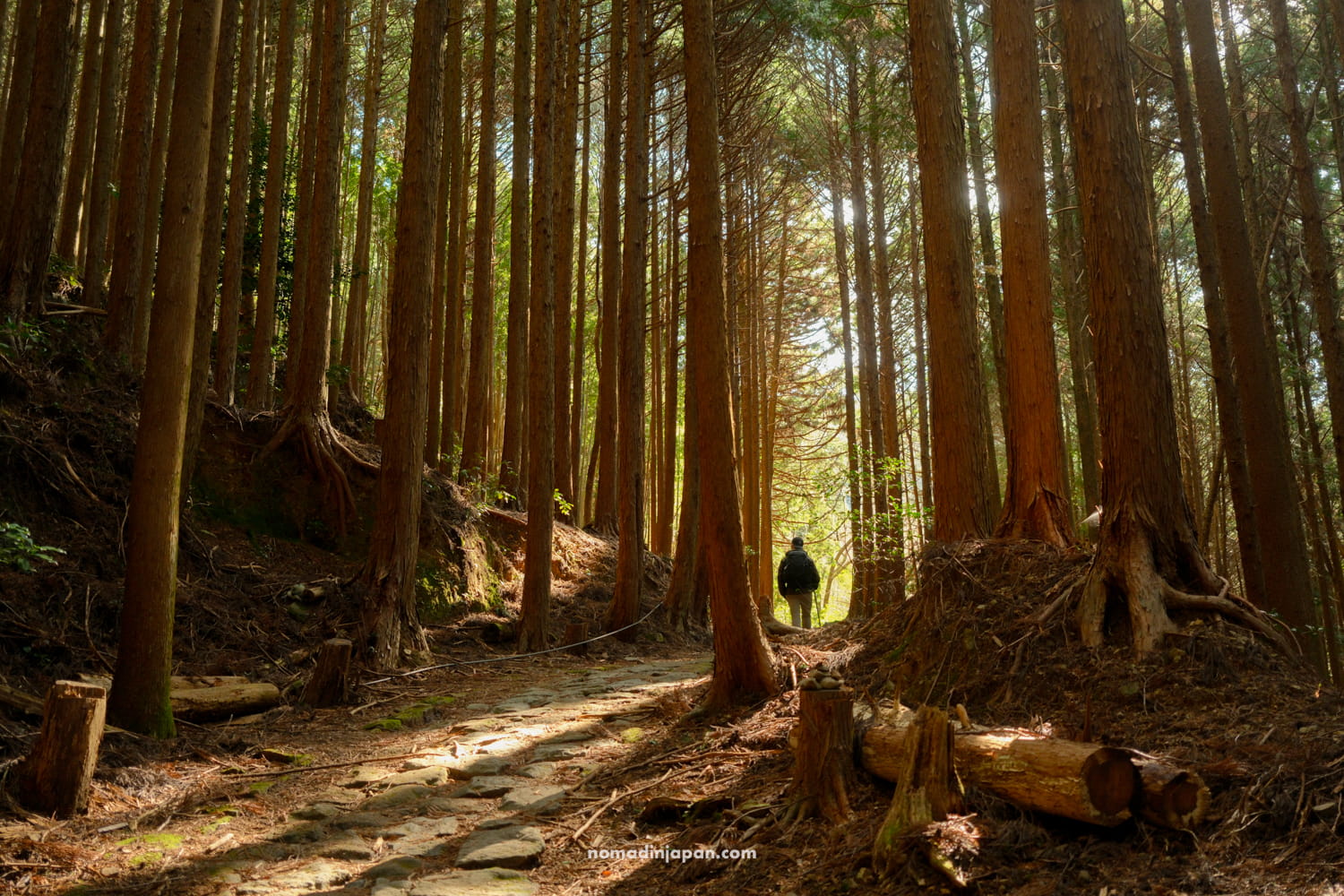
The Kumano Kodo offers an entirely different experience, in my opinion.
For starters, it is the world’s second UNESCO World Heritage pilgrimage site, alongside the Camino de Santiago in France/Spain.
There are also multiple ways to “do” the Kumano, because it has multiple routes to choose from (Kohechi, Iseji, etc.), but the one most tourists do is the Nakahechi Route, which crosses Wakayama Prefecture and the Kii Peninsula of Japan from west to southeast—connecting the Kumano Sanzan, or the three Grand Shrines of the Kumano Kodo (they are Kumano Hongu Taisha, Kumano Nachi Taisha, and Kumano Hayatama Taisha).
The experience of doing the Kumano, as you can imagine, is much more spiritual.

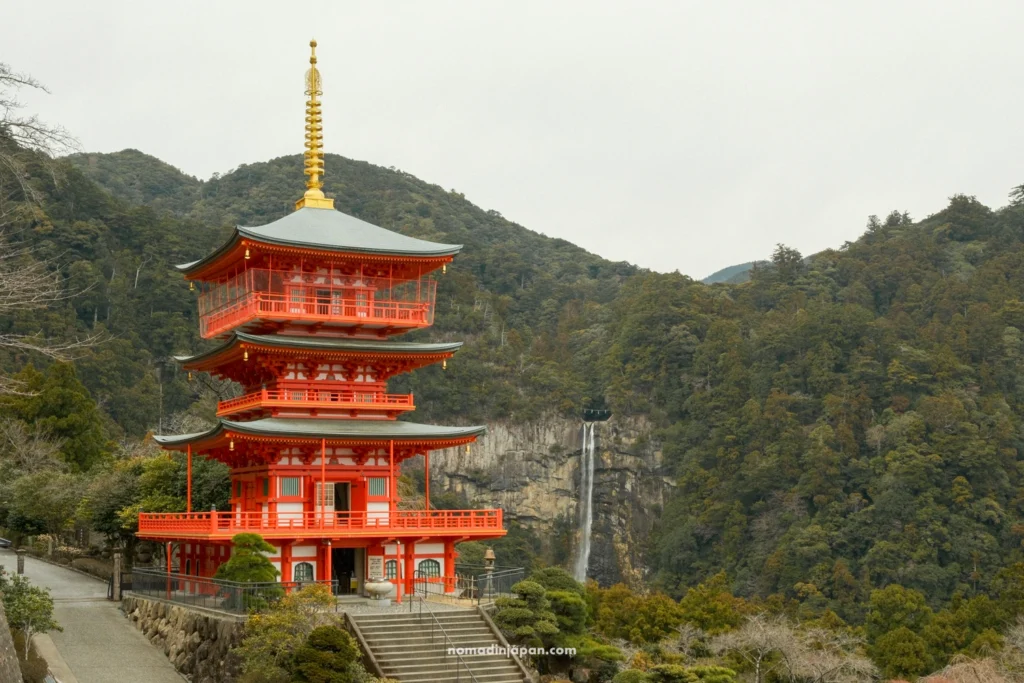
In fact, the Kumano combines aspects of Buddhism and Shintoism—Japan’s native religion—which makes the five-day hike (if you do the full Nakahechi) much more immersive in this sense of spirituality.
Instead of walking through cute post towns, you’re crossing rugged terrain, staying in remote mountain villages, and tracing the footsteps of pilgrims over 1,000 years ago. It’s a much more ancient and spiritually rooted experience compared to the Nakasendo.
💡 If you want more detailed differences, read below! (Note: one is not “better” than the other, just different. I share my personal preference in each section.)
Comparing the Nakasendo vs Kumano Kodo: 7 Key Differences
1. Scenery and Landscapes

If I had to crown one of the two the winner of this category, I’d say the Kumano Kodo wins for its scenery and landscapes.
The Nakasendo has postcard-worthy villages, but the Kumano allows you to reach remote countryside, mountain passes, and forests that feel far more out of reach. It also has stunning mountain vistas, rivers, and sacred sites that are integral to the experience: ancient trees, rocks, waterfalls…
The wow factor definitely goes to the Kumano.
2. Hiking Difficulty and Trail Conditions
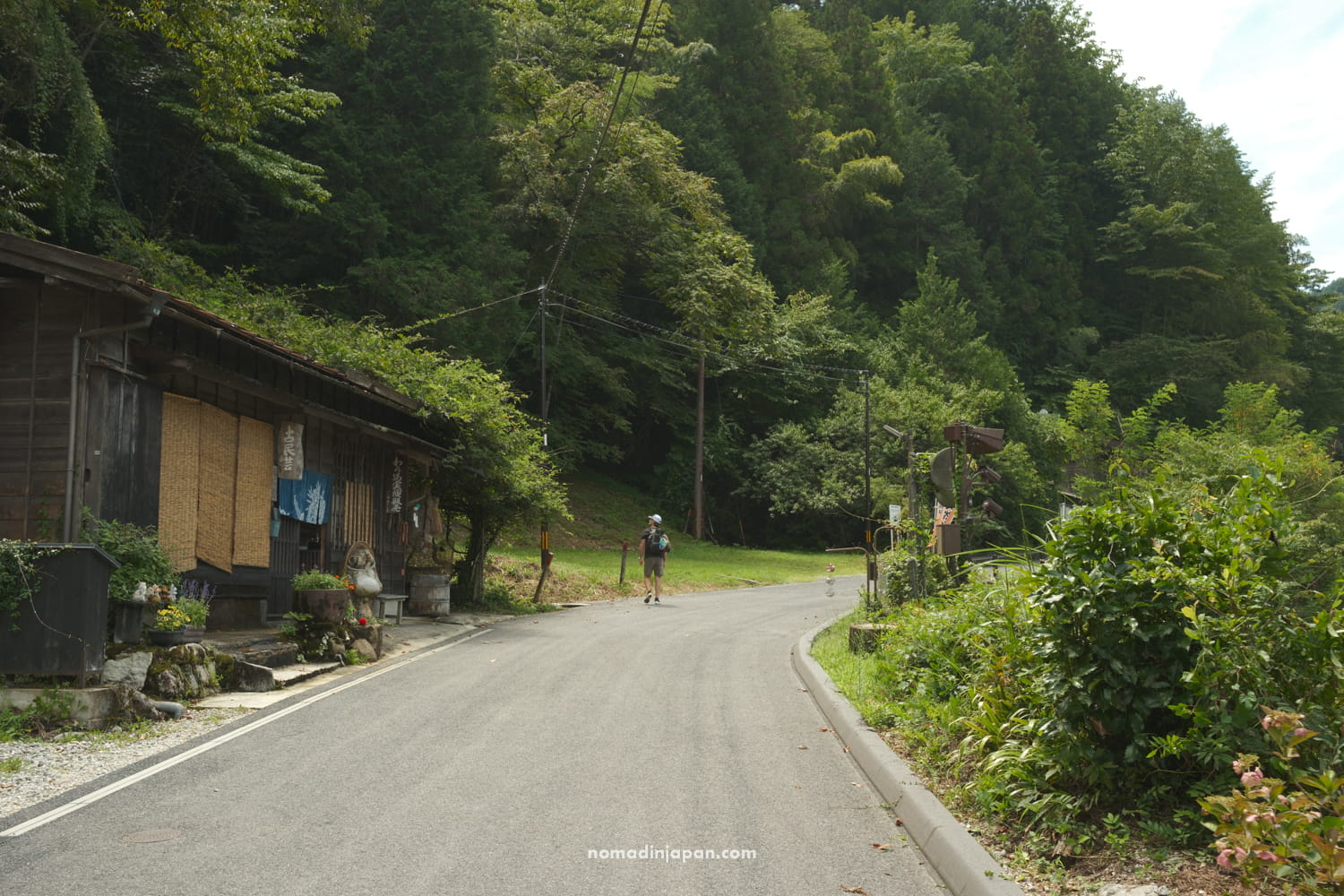
The Nakasendo is typically done in short sections, the most popular being the stretch between Magome-juku and Tsumago-juku. This 8km trail can be done in as little as 2-3 hours on a day trip, although staying overnight in one of the towns is recommended.
The Kumano can be done by combining walking and bus travel. The Nakahechi Route can therefore be done in as little as two days, or in five days if you choose to hike the entire route.
For it to officially “count” toward your Dual Pilgrim status, you need to reach only one of the three shrines: the Kumano Hongu Taisha. Nowadays, tours can shuttle you to see other highlights of the Kumano, such as Nachi Falls. However, the purpose is not to bus everywhere but to experience the route as pilgrims of old did.
3. Trail Length and Time Needed
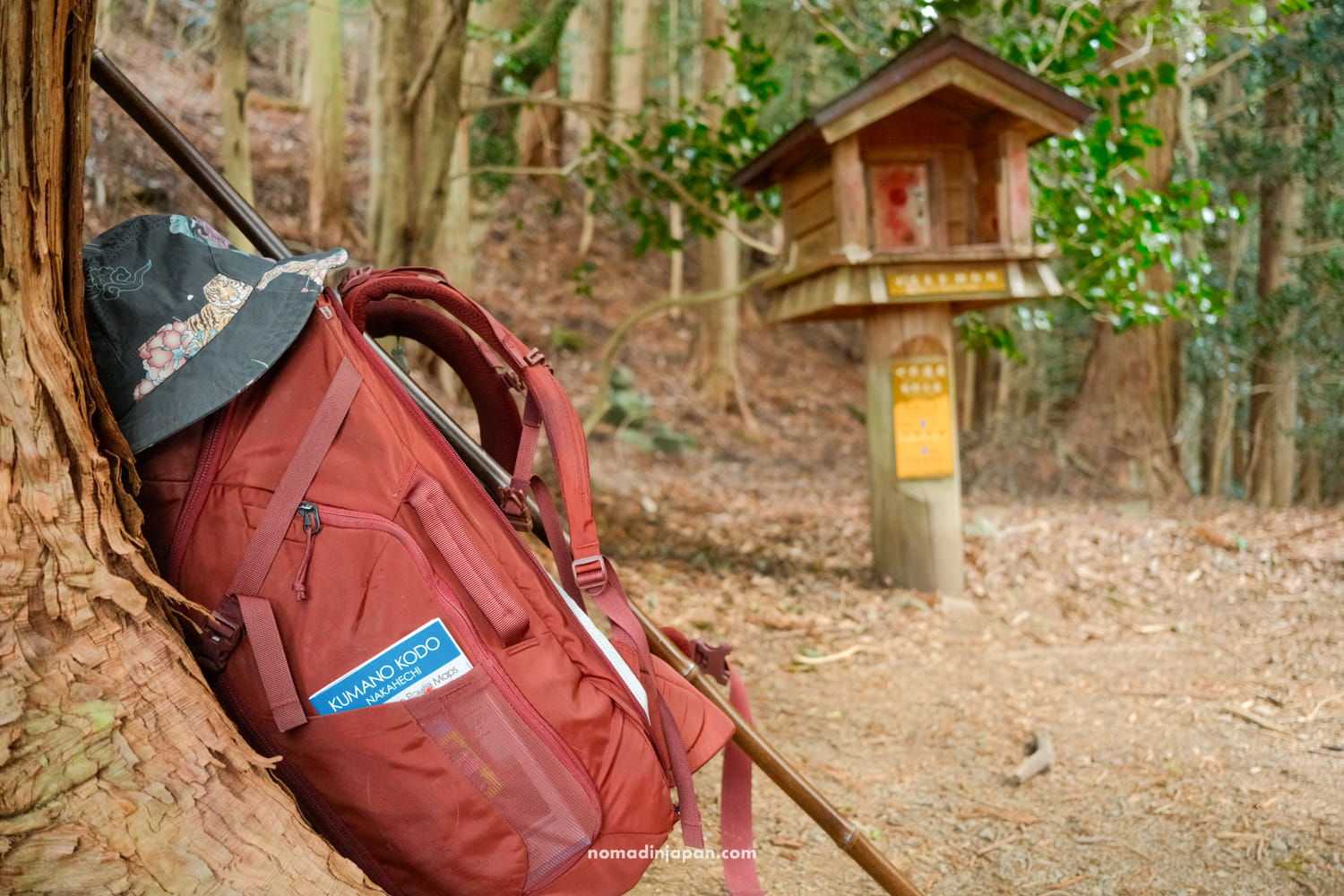
The Kumano Kodo Nakahechi route will take 5 days, and about 70km of hiking, whereas the Nakasendo is typically completed in a day with only 8km of easy-moderate hiking over the Magome mountain pass.
Here are my full itineraries for each:
Kumano Kodo itinerary for more details about the experience beyond the hike itself (6 nights recommended).
Nakasendo itinerary for transport details from Tokyo and more (2-3 nights recommended).
4. Accommodation and Overnight Experiences

Ooh, this is a tough one because you can have beautiful overnight experiences with each.
Mainly, there are historic post-town inns along the Nakasendo. I would recommend splitting your stay between one or two towns, such as an overnight in Narai-juku (the longest post town) or one night in Magome-juku (arguably the cutest).
The Kumano’s Nakahechi route has far fewer accommodations, and they are more rural, pilgrimage-style lodgings. We stayed in everything from a hostel in Yunomine Onsen, a cozy mountain ryokan, private rentals, B&Bs, and even a luxury clifftop resort at the end of our stay.
Here’s the shortened version of everywhere we stayed on the Kumano:
- Night 1: Kiri-no-Sato Lodge, Takahara
- Night 2: Kumanoyasai Base, Chikatsuyu
- Night 3: J-Hoppers Hostel, Yunomine Onsen
- Night 4: Sen. Haven Nakamura, Koguchi
- Night 5 (optional): Hotel Urashima with cave onsen, Nachi-Katsuura
Read more in my Kumano Kodo accommodation guide.
5. Accessibility and Getting Around
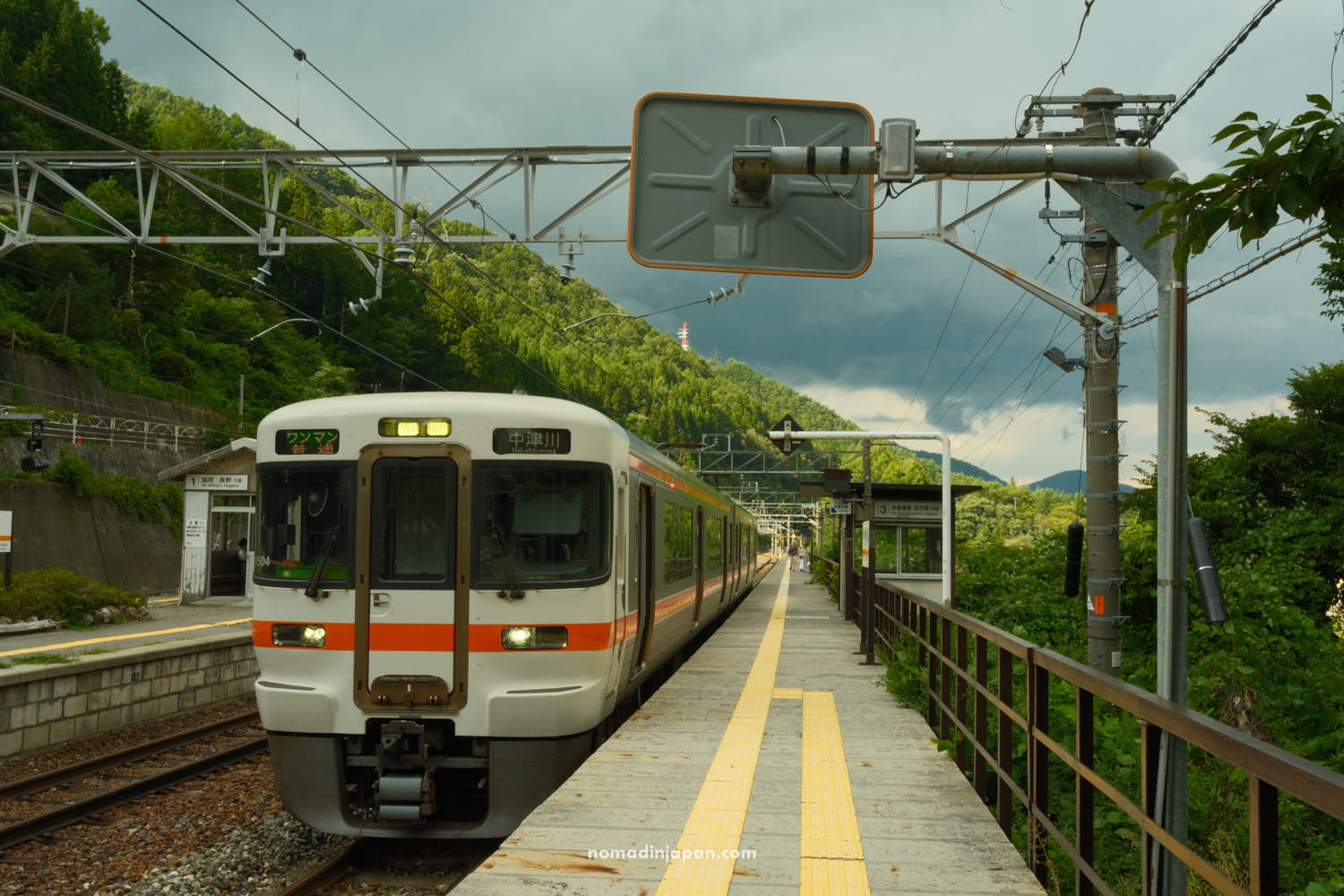
The Nakasendo is the easiest to reach, coming from Tokyo. It takes about 2-3 hours either from Nagoya (if you start south) or from Tokyo (if you start in Narai-juku).
Access to the Kumano is surprisingly good; however, with no direct train access from Osaka to Kii-Tanabe, you can easily transfer by bus to the Nakahechi trailhead.
If you want a short walk and don’t want to plan a larger trek, choose the Nakasendo. Otherwise, the Kumano is 100% worth the extra logistics.
6. Costs and Budget

For five full days, we spent just over $1,000 for our Kumano accommodation alone. That was by far the highest cost. You can read more about the breakdown in my Kumano Kodo Cost guide.
The Nakasendo, on the other hand, really came down to bullet trains and our two nights—one in a historic inn and one in a hostel. It came out to about half of our total Kumano budget.
7. Crowds, Atmosphere, and Overall Experience

During the day along the Nakasendo, you’ll see quite a few crowds in the post towns themselves. The trail we hiked in the summer was surprisingly less crowded than I expected. We went from Tsumago-juku to Magome-juku on purpose, since most people go the other way.
As for the Kumano, you really only see a handful of people at any given time.
The busiest day was the gentle climb down into Hongu Taisha, because tourists can arrive at that trailhead by bus and then do a simple 7km walk to the shrine. However, on other days when you are hiking 10-15+ km per day across rugged terrain, you may see no one.
The overall experience between the two, I’d say, is: Nakasendo = short, quick, cute. Kumano = connection, nature, immersive. Both experiences were special in their own way, but the Kumano deeply resonated with me.
Which Is Better: The Nakasendo or Kumano Kodo?


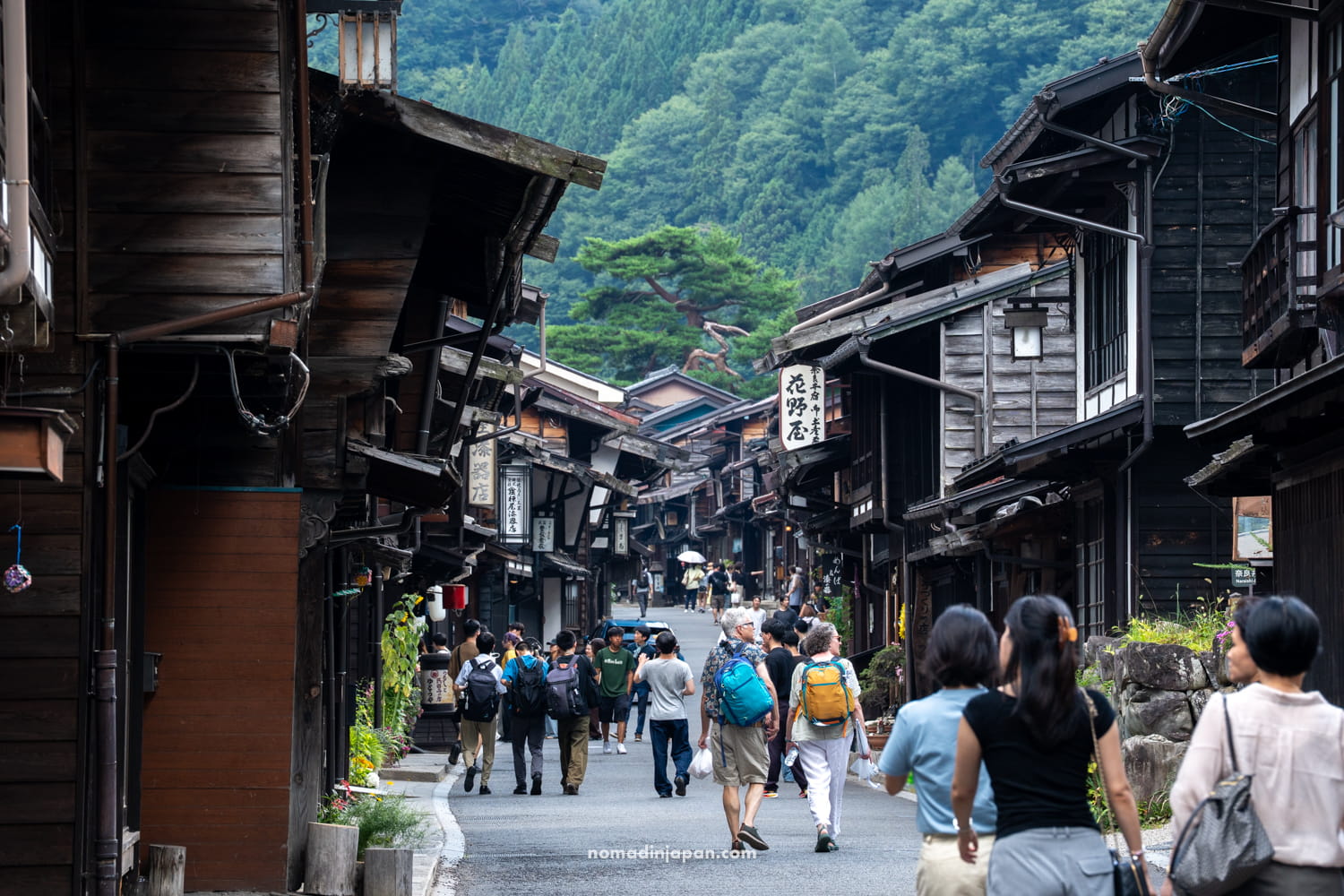

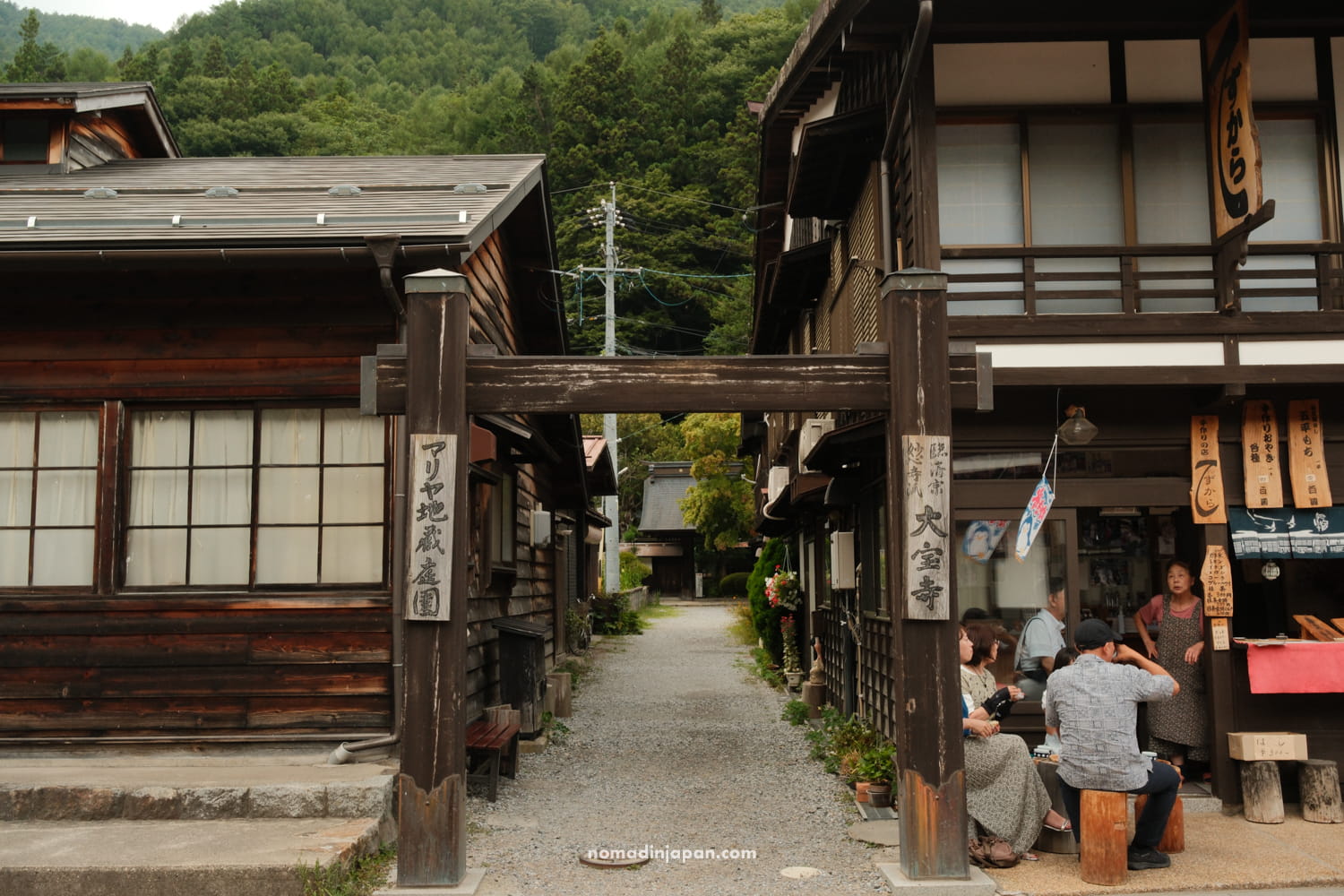
Neither is better than the other because they are completely different, so we should really stop comparing the two. 🤪
Choose the Nakasendo if…
You love Japanese history, traditional villages, Edo-period inns, and scenic walks that can fit into a shorter Japan itinerary.
Choose the Kumano Kodo if…
You want a more physically demanding, nature-focused pilgrimage experience, inns with onsen, and time to disconnect and walk for several days!
My overall favorite of the two is the Kumano Kodo. ⛩️
Can You Hike Both the Nakasendo and Kumano Kodo on One Japan Trip?
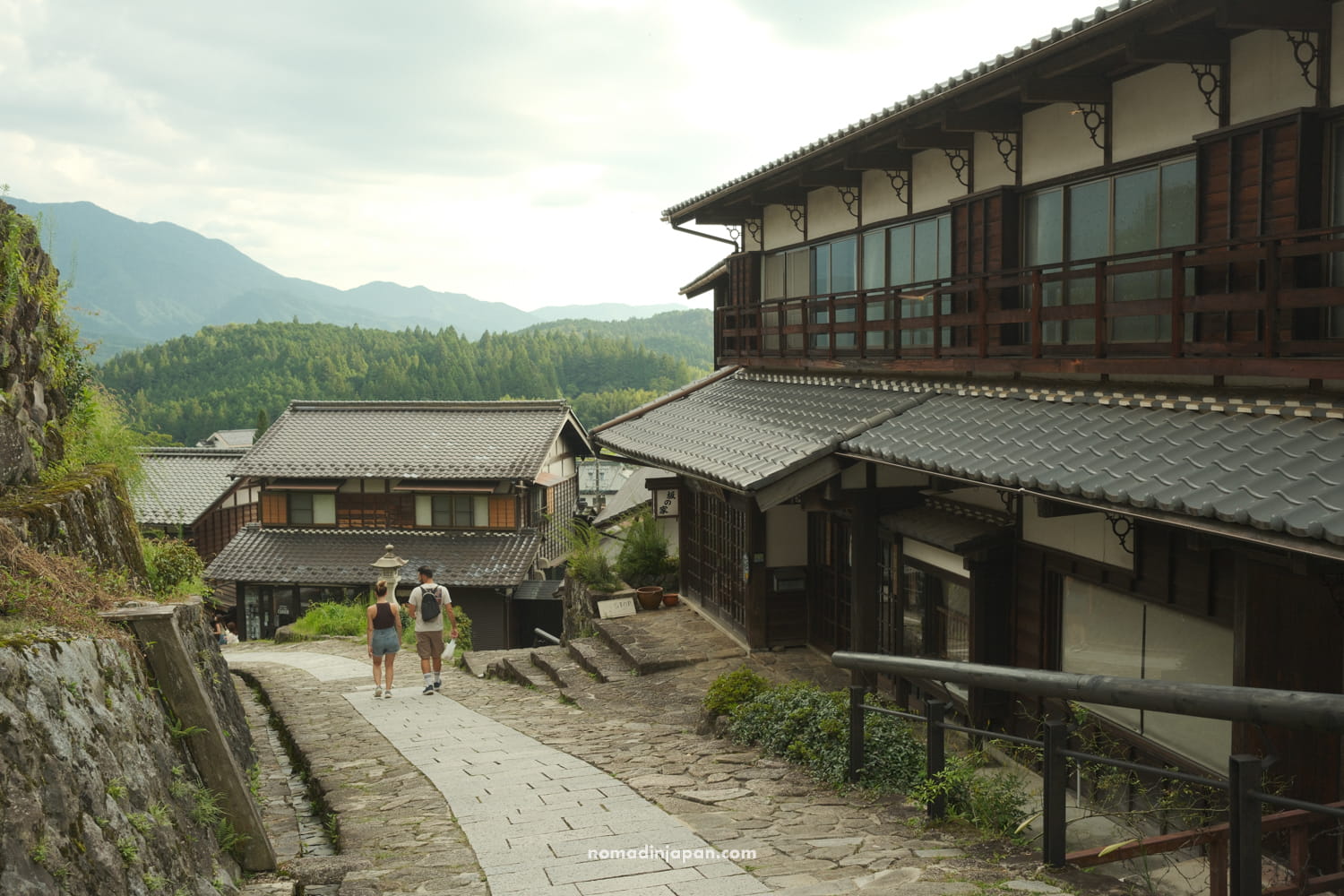
If you don’t want to “miss out” on both, then yes! You can combine them into one larger itinerary.
If you start in Tokyo you could, in theory, take the train out to Nagano first, head down the Kiso Valley and experience the Nakasendo and its post towns along the way, then spill out into Kyoto, Osaka, and, from there, take a train down into Wakayama to trek the Kumano Kodo’s Nakahechi route.
All is possible!!!
Just keep in mind to allow space and time between to breathe. I would recommend carving out at least 2 nights in between to slow down the travels.
A sample itinerary combining the Nakasendo and the Kumano Kodo might look like:
- Fly in
- 3 days in Tokyo
- Head to Narai-juku, overnight
- 2 days doing the Nakasendo
- 3 nights in Kyoto or Osaka, or Nara
- 5 days hiking the Kumano Kodo
- Couple days to recover
- Fly out
But I’m just spit-balling here!
Final Thoughts: Two Trails Worth Walking in Japan
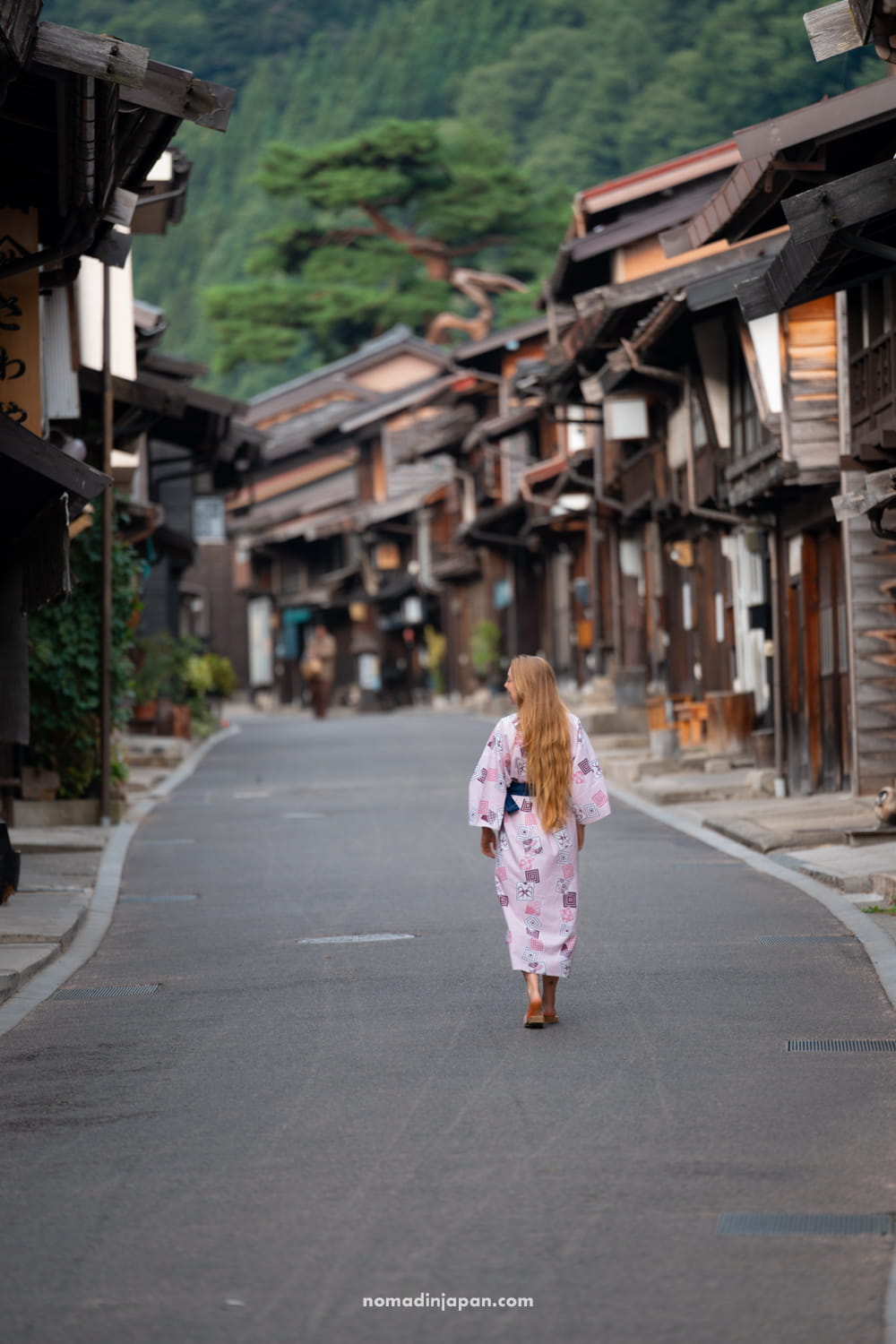
Ultimately, BOTH the Nakasendo and the Kumano Kodo are worth doing in their own time, for different reasons.
Also, note, I definitely couldn’t have all these experiences in just one trip to Japan, so don’t be too critical if you can’t “do it all.” That would defeat the purpose of the journey!
I personally feel that the Kumano Kodo has a bigger “face value” as an overall experience than the Nakasendo. But again, the two are REALLY not comparable in the way most people think they are. They are in their own leagues.
I think the better question is which one best aligns with YOU and how that can naturally work into your Japan itinerary.
If you’re still unsure which to choose or have more questions about planning them, please feel free to drop your questions in the comments below. I’d be so happy to help you plan your trip! ✨